
Compare cast iron vs steel to discover their key differences in strength, durability, cost, and best uses for your project needs.
Understanding the Basics What Is Cast Iron
Cast iron is an iron-carbon alloy with a carbon content exceeding 2%, usually between 2% and 4%. This high carbon level creates graphite flakes within the metal, giving cast iron its distinct properties like excellent heat retention and natural wear resistance.
There are three main types of cast iron:
- Gray Cast Iron: Contains graphite flakes that offer good vibration damping and machinability.
- Ductile Cast Iron: Also known as nodular iron, it has spherical graphite, making it tougher and more flexible.
- White Cast Iron: Characterized by harder carbides, it’s very hard but brittle, often used when wear resistance is critical.
Cast iron is primarily produced through sand casting, a method that is low-cost and highly adaptable. This process involves pouring molten iron into sand molds, making it ideal for large-scale manufacturing of complex shapes with minimal expense.
Understanding the Basics What Is Steel
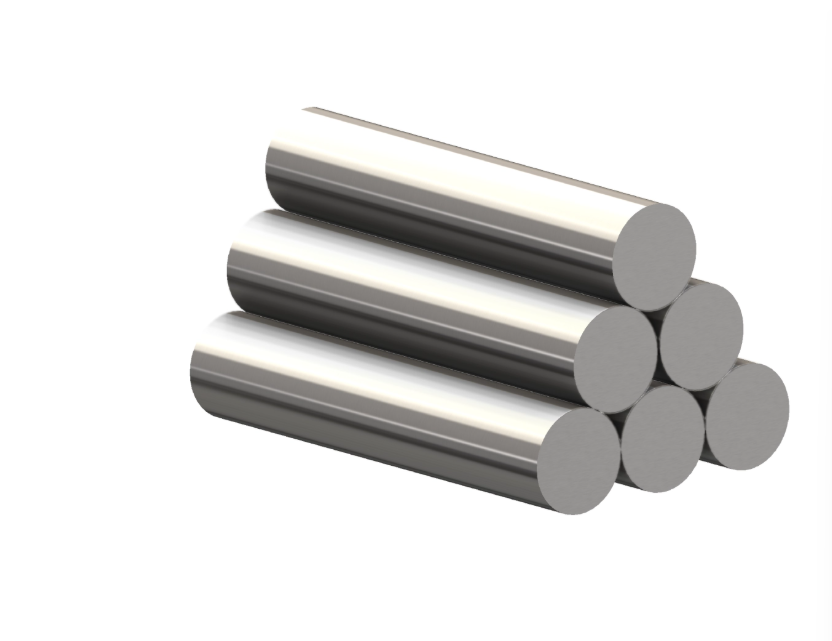
Steel is an iron-based alloy with less than 2% carbon, often mixed with other elements like chromium, nickel, or manganese to improve performance. This mix gives steel its strength, flexibility, and resistance to corrosion.
There are several common types of steel:
- Carbon Steel: Mainly iron and carbon. It’s strong and affordable but may rust if not protected.
- Stainless Steel: Contains chromium, which makes it corrosion-resistant and great for kitchen tools and medical equipment.
- Alloy Steel: Includes other metals added for specific properties like toughness or heat resistance, used in automotive and industrial manufacturing.
Steel production involves processes like rolling and forging, which shape the metal by applying heat and pressure. Unlike cast iron’s simple sand casting method, steel’s production requires more energy but results in higher precision and stronger final products. This makes steel suited for applications where exact dimensions and durability really matter.
Head-to-Head Comparison Key Differences
When comparing cast iron vs steel, several key differences in physical and mechanical properties, as well as cost and sustainability, come into play.
Physical Properties
| Property | Cast Iron | Steel |
|---|---|---|
| Density | About 7.2 g/cm³ | Around 7.85 g/cm³ |
| Melting Point | 2200°F to 2500°F (1204°C–1371°C) | 2500°F to 2800°F (1371°C–1538°C) |
Cast iron is slightly less dense and melts at a lower temperature compared to steel. This affects how each metal is cast and worked with during manufacturing.
Mechanical Properties
| Property | Cast Iron | Steel |
|---|---|---|
| Hardness | Higher surface hardness due to graphite flakes | Generally tougher but varies by type |
| Tensile Strength | Lower (about 20,000 to 60,000 psi) | Higher (40,000 to 180,000 psi) |
| Wear Resistance | Good wear resistance | Variable, often better due to alloying |
Cast iron tends to be harder but brittle, while steel offers higher tensile strength and toughness. This makes steel more flexible under stress, whereas cast iron resists compression well but cracks more easily.
Machinability and Wear
- Cast Iron: Easier to machine because graphite flakes act as a lubricant but can wear tools faster due to abrasiveness.
- Steel: Generally harder to machine but offers better gall resistance and durability under long-term wear.
Cost and Sustainability
| Factor | Cast Iron | Steel |
|---|---|---|
| Production Cost | Lower due to simple sand casting | Higher, rolling and forging add cost |
| Recyclability | High, widely recycled | Also highly recyclable |
| Energy Usage | Less energy-intensive to cast | More energy use in processing |
Cast iron’s simpler and lower-cost production suits budget-sensitive projects, while steel’s costlier process yields a more versatile and durable product. Both materials are recyclable, but steel’s higher processing energy impacts sustainability considerations.
This comparison highlights how the physical and mechanical properties influence their suitable applications and costs.
Pros and Cons Weighing the TradeOffs Cast Iron vs Steel
When deciding between cast iron and steel, knowing their strengths and weaknesses helps.
Cast Iron Pros
- Affordable: Generally cheaper to produce and buy, making it budget-friendly.
- Excellent Heat Retention: Holds heat well, great for cookware and applications needing steady temperatures.
- Strong in Compression: Handles heavy loads without bending, ideal for structural parts.
Cast Iron Cons
- Brittle: More prone to cracking or breaking under sudden impacts.
- Heavy: Much denser than steel, which can add unwanted weight.
- Rust Prone: Needs regular care to avoid corrosion, especially outdoors.
Steel Pros
- Versatile: Can be shaped into many forms, used in countless industries.
- Ductile: More flexible, meaning less likely to snap under stress.
- Corrosion Resistant: Especially stainless steels, which resist rust well.
Steel Cons
- Higher Cost: Production and raw material costs usually make steel pricier.
- Harder to Cast: Requires more energy and precise methods, which can limit quick manufacturing.
Both materials bring important benefits but also trade-offs. The choice really depends on what you need for your specific project or product.
Real World Applications Where Each Shines
When it comes to industrial uses, cast iron is a top choice for pipes, engine manifolds, and parts that need excellent vibration damping. Its ability to absorb vibrations makes it ideal for heavy machinery and construction equipment where durability matters. On the other hand, steel is preferred for tools, automotive parts, and vehicles thanks to its toughness and flexibility. Steel handles impact and stress better, making it a go-to material for objects requiring strength and resilience.
In the kitchen, cast iron cookware is famous for even heating and great heat retention, perfect for slow cooking and searing. Meanwhile, carbon steel skillets offer a lighter alternative that’s easier to handle while still delivering good heat distribution.
Emerging trends involve hybrid materials combining cast iron and steel to boost automotive efficiency—balancing weight, durability, and cost to improve fuel economy and performance.
How to Choose Cast Iron vs Steel
Choosing between cast iron and steel comes down to a few key factors. Here’s a simple guide to help you decide based on your needs:
Consider Your Budget and Cost
- Cast iron is usually more affordable upfront.
- Steel can be pricier but offers longer life in some cases.
Think About Load Type and Strength
- For heavy, static loads, cast iron’s compressive strength works great.
- For dynamic or impact loads, steel’s toughness and tensile strength win out.
Evaluate the Environment and Rust Risk
- If you’re working outdoors or in wet conditions, steel—especially stainless or coated kinds—is better for resisting rust.
- Cast iron is more prone to rust if not properly sealed or maintained.
Quick Decision Tests
Try these simple tests if you have samples on hand:
| Test | What to Expect for Cast Iron | What to Expect for Steel |
|---|---|---|
| Hammer Strike | Duller sound, might chip or crack | Sharp ringing tone, more resilient |
| Ring Test | Muffled or dull ring | Clear, ringing sound |
of Key Factors
| Factor | Cast Iron | Steel |
|---|---|---|
| Cost | Lower upfront | Higher |
| Strength | Strong compression | Better tensile/impact |
| Weight | Heavier | Lighter |
| Rust Resistance | Low without protection | High (especially stainless) |
| Machinability | Harder to machine | Easier |
Use this guide depending on whether you need low cost, strength for static loads, rust resistance, or machinability. This helps tailor your choice between cast iron vs steel based on what fits your project or product best.
 English
  Spanish (Peru)
  German
  Korean
  Spanish (Spain)
  Italian