
Explore advanced CNC turning and milling machines featuring multitasking capabilities, live tooling, and precise 5-axis machining for diverse industries.
Introduction to CNC Turning and Milling Machines
Ever wondered how manufacturers handle complex parts that require both turning and milling without switching machines? That’s where CNC turning and milling machines, also known as mill-turn centers, come in. Traditionally, turning (using lathes) and milling were handled by separate machines. This meant multiple setups, longer production times, and more chances for errors.
Over the years, technology evolved from standalone lathes and mills to integrated mill-turn systems that combine both processes in one machine. A CNC turning and milling machine is a precision multitasking machine designed to perform complete machining—turning, milling, drilling, and tapping—in a single setup. It features capabilities like live tooling, multi-axis control, and often sub-spindles or twin turrets to handle front and back side machining efficiently.
In 2025, demand for these advanced machines is booming. Industry 4.0’s focus on automation and smart manufacturing pushes for greater production efficiency. At the same time, parts are becoming more complex, requiring precise, multi-step machining that mill-turn centers handle seamlessly. Add to this the constant pressure to reduce costs, minimize downtime, and cut material waste — and it’s clear why integrated CNC turning and milling machines are now a must-have for many shops and factories across the U.S.
Understanding the Core Processes
Let’s break down the basics of CNC turning and milling to clear up what they do and how they differ.
| Process | How It Works | Best For |
|---|---|---|
| CNC Turning | The workpiece spins while the tool stays still. | Cylindrical shapes like shafts, rods, and rings. |
| CNC Milling | The cutting tool spins while the workpiece remains fixed. | Complex prismatic and contoured parts like housings or brackets. |
Key difference:
- Turning: The part rotates; the tool is fixed.
- Milling: The tool rotates; the part stays still.
This difference shapes the kind of features each process can make. Turning handles round profiles and smooth curves, while milling works great for flat surfaces, slots, holes, and angled cuts. Understanding this helps when choosing or combining machines to tackle complex parts efficiently.
What Sets Mill-Turn Machines Apart
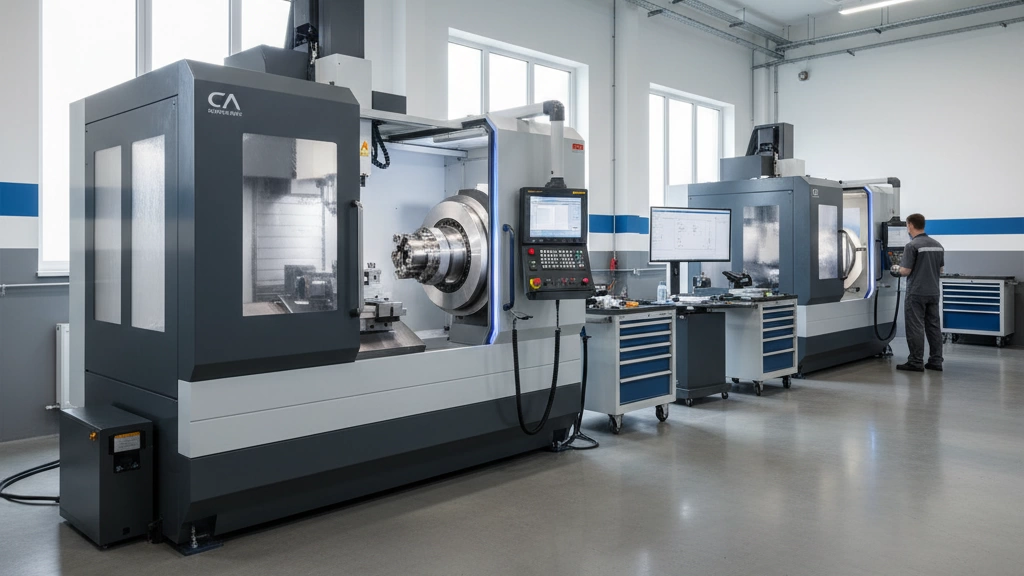
Mill-turn machines combine turning, milling, drilling, and tapping all in a single setup. This means you can complete complex parts without moving the workpiece between different machines, saving time and reducing mistakes.
Key features include:
- Live tooling for milling and drilling right on the lathe
- C-axis for precise angular positioning during turning
- Y-axis and B-axis capabilities that add more flexibility for complex shapes
- Sub-spindle and twin-turret configurations that allow machining on both sides of the part without extra handling
Compared to using separate CNC turning and milling machines, mill-turn centers cut down setups, lower error rates, speed up cycle times, and improve part accuracy. This all-in-one approach is a real game changer for shops looking to boost productivity and consistency across parts.
Key Benefits of CNC Turning and Milling Machines
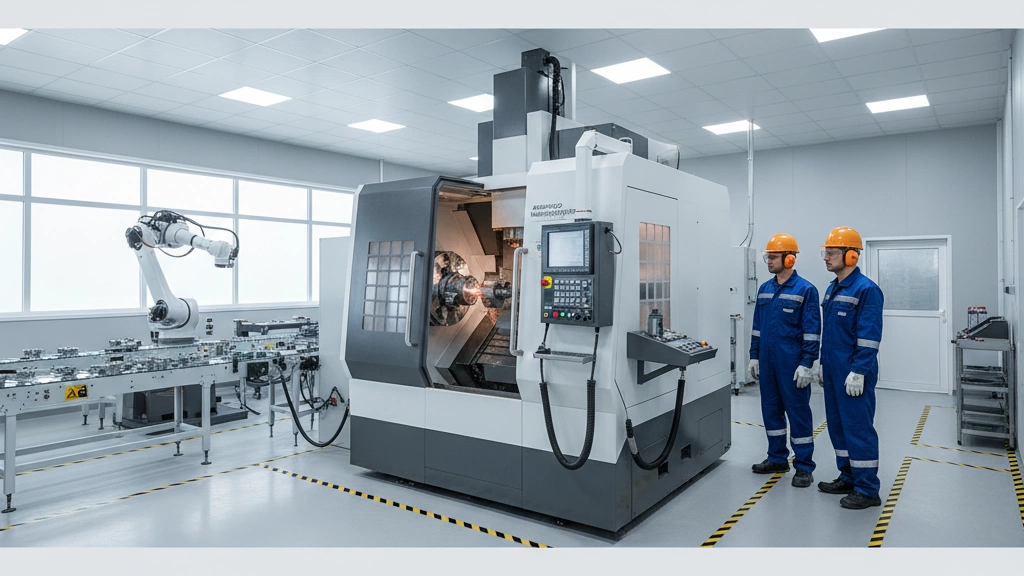
CNC turning and milling machines bring solid advantages that many U.S. manufacturers rely on today. Here’s why they stand out:
| Benefit | What It Means |
|---|---|
| Boosted Productivity | Faster cycle times by combining turning and milling in one go. Less waiting, more doing. |
| Labor, Fixture & Space Savings | Fewer setups mean fewer operators and less room needed on the floor. Fixtures are reduced, lowering costs. |
| Superior Part Quality | Consistent machining accuracy leads to tight tolerances and less scrap. Repeatability is key. |
| Flexible Production | Easily handles both small batches and large runs, adapting swiftly to different job needs. |
| Advanced Material Support | Works well with tough materials like titanium, Inconel, aluminum, and plastics common in aerospace and medical fields. |
These benefits show why many shops across the U.S. are shifting toward integrated mill-turn centers to stay competitive and efficient in 2025.
Essential Features to Evaluate in 2025 CNC Turning and Milling Machines
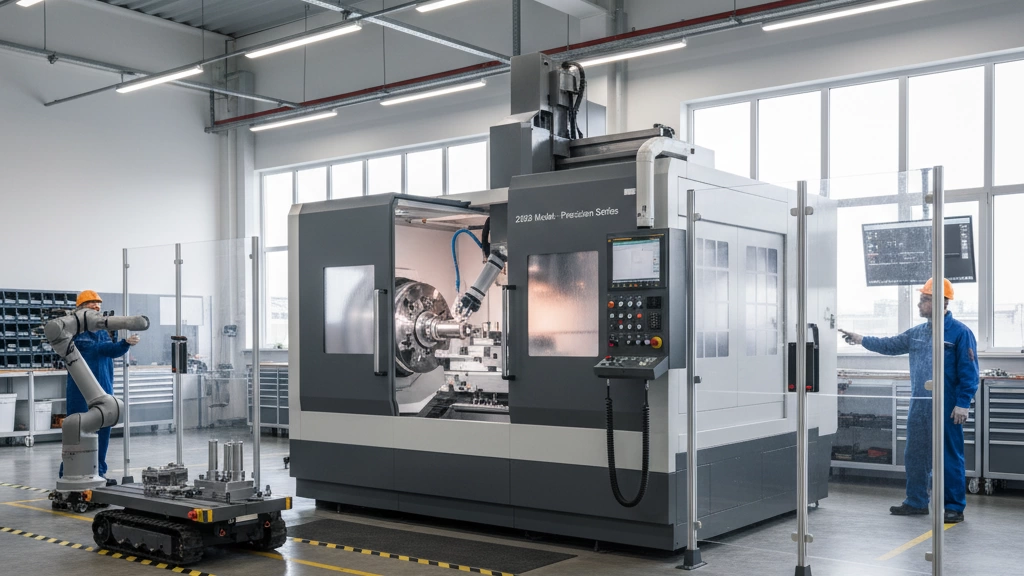
When picking a CNC turning and milling machine in 2025, here are the key features to focus on:
| Feature | What to Look For | Why It Matters |
|---|---|---|
| Spindle Power & Speed | High horsepower and RPM to handle tough materials | Faster cycle times and ability to work with metals like titanium or Inconel |
| Bar Capacity | Larger bar feeder diameter | Longer unattended runs and less frequent reloading |
| Axis Configurations | Options like 3+2 axis, full 5-axis, or 9-axis multitasking | More flexibility for complex parts and multitasking |
| Tooling Systems | BMT turrets, automatic tool changers (ATC), and high live tool RPM | Efficient tool changes and precision cutting |
| Control Systems | Reliable controllers like Fanuc, Siemens, or proprietary setups | Smooth machining, ease of programming, and support |
| Automation Options | Bar feeders, gantry loaders, or robotic integration | Reduced labor, higher uptime, and improved safety |
| Machine Rigidity | Solid construction and thermal stability | Better accuracy and consistent quality over long runs |
| Chip Management | Effective chip removal and coolant systems | Keeps workspace clean and prevents tool wear |
These features combine to boost productivity and part quality. For U.S. shops balancing small-batch complexity and bigger volumes, machines with advanced axis setups and automation are especially valuable. Keeping an eye on these specs will help you pick a mill-turn center that fits your shop’s needs now and down the line.
Top Applications and Industries for CNC Turning and Milling Machines
CNC turning and milling machines are essential across multiple industries in the U.S., especially where precision and efficiency matter.
- Aerospace: Perfect for making complex parts like turbine blades and structural components that require tight tolerances and advanced materials.
- Automotive: Commonly used to produce shafts, valves, and transmission parts where speed and repeatability cut costs and boost output.
- Medical: Ideal for manufacturing implants and surgical instruments that demand extreme accuracy and fine surface finishes.
- Oil & Gas: Used for tough, heavy-duty parts that need machining from durable materials.
- Mold Making: Enables detailed mold and die work with minimal setup changes.
- General Job Shops: Provides the flexibility for a wide range of machining jobs, from prototyping to small-batch production.
These industries benefit from mill-turn centers because they combine turning, milling, drilling, and tapping in one setup, saving time and increasing precision.
How to Choose the Right CNC Turning and Milling Machine
Picking the right CNC turning and milling machine means focusing on a few key factors. Here’s a quick guide to help you decide what fits your shop best:
| Factor | What to Consider | Why It Matters |
|---|---|---|
| Part Size & Complexity | Small vs. large parts; simple vs. complex shapes | Determines machine size, number of axes, and tooling capabilities |
| Material | Aluminum, steel, titanium, plastics, etc. | Some machines handle tough materials better; affects spindle power and tooling |
| Budget | Entry-level multitasking vs. high-end models | Balance upfront cost with features and long-term savings |
| Brand Reputation | Trusted names with good reviews and support | Easier maintenance, reliable performance, better resale value |
| Local Support | Availability of service and parts nearby | Minimizes downtime and repair wait times |
| Scalability & Software | Can machine grow with your needs? Software compatibility | Future-proofing your investment; easier programming and upgrades |
Tips for Choosing:
- Start with Your Parts. Know exact sizes, features, and materials first.
- Think Long-Term. Cheaper machines might cost more in downtime and upgrades.
- Check Support. Local dealers with quick service save money over time.
- Software Matters. Look for user-friendly controls that match your team’s skillset.
- Plan for Growth. Machines with modular options or advanced axis configurations give you room to expand.
By considering these points, you’ll find a CNC turning and milling machine that fits your production needs while staying within budget and ready for future demands.
Leading Brands and Models in 2025
When it comes to CNC turning and milling machines in 2025, a few names stand out for their quality and innovation. At the premium level, DMG MORI’s NTX series, Mazak’s Integrex, and Okuma’s Multus are leaders. These models offer advanced CNC mill-turn technology with multitasking capabilities like live tooling, twin-turret setups, and full 5-axis machining—perfect for high-precision, complex parts.
For those looking for value without sacrificing performance, Doosan’s Puma SMX and Haas’s DS series provide solid options. They deliver reliable turn-mill machine functions and good control systems at a more approachable price point, ideal for small to medium U.S.-based manufacturers focusing on efficiency and cost savings.
A noteworthy mention is Vast’s mill-turn lineup, which has been gaining traction for combining reliability with competitive pricing. Vast machines are built to handle demanding production environments, offering robust construction, advanced controls, and outstanding precision multitasking capabilities tailored to U.S. industries. If you’re after a high-productivity mill-turn solution that balances cost and performance, Vast is a brand to consider closely.
Vast CNC Turning and Milling Machines: Engineered for Excellence
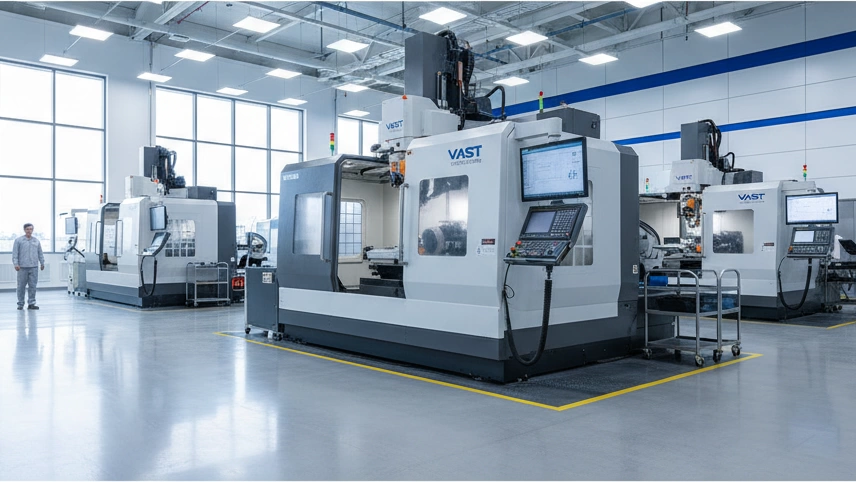
When it comes to reliable, high-precision CNC turning and milling machines, Vast stands out in the U.S. market. Their mill-turn lineup is designed for businesses that need solid performance without breaking the bank. These machines are built tough, with robust construction that handles heavy workloads and tough materials like titanium and Inconel with ease.
Vast’s advanced controls make programming and operation straightforward, helping shops hit tight tolerances faster. They also pack competitive pricing into their mill-turn centers, offering excellent value compared to premium brands. This combination means shops of all sizes—from job shops to aerospace suppliers—can access high-productivity mill-turn tech without compromise.
Real users praise Vast for reduced cycle times and improved part quality, thanks to features like live tooling and multi-axis flexibility. Case studies consistently show that Vast machines cut down setups and boosted output, translating into solid returns.
With Vast, you’re not just buying a multitasking CNC lathe or turn-mill machine—you’re investing in a precision multitasking solution that delivers superior ROI through reliability, ease of use, and scalability for future growth.
Maintenance, Programming, and Best Practices
Keeping your CNC turning and milling machine in top shape is key to consistent performance and longevity. Here are some straightforward tips:
Daily and Periodic Maintenance
- Clean the machine daily: Remove chips and coolant residue to prevent buildup.
- Check lubrication levels: Ensure all moving parts are well-oiled to reduce wear.
- Inspect tooling and collets regularly: Replace worn or damaged tools to avoid part quality issues.
- Monitor coolant condition: Change or replenish coolant to maintain proper cooling and chip evacuation.
- Schedule routine calibration and inspections: Catch potential problems before they cause costly downtime.
Programming Tips for Mill-Turn Machines
- Use specialized CAM software designed for multitasking CNC lathes and 5-axis turn-mill machining.
- Opt for programs that support live tooling and simultaneous Axis movements (Y, B, C axes).
- Simulate tool paths thoroughly to avoid collisions and optimize cycle times.
- Take advantage of done-in-one machining features to simplify programming and reduce setups.
Operator Training and Safety
- Train operators on both turning and milling processes to maximize machine capabilities.
- Emphasize understanding of multi-axis controls, tool changes, and sub-spindle operations.
- Enforce strict safety protocols, including proper use of guards and emergency stops.
- Encourage routine checks and awareness to spot unusual noises or vibrations early.
By staying proactive with maintenance, using the right CAM tools, and investing in solid operator training, you’ll get the most out of your CNC turning and milling machine with less downtime and better part quality.
 English
  Spanish (Peru)
  German
  Korean
  Spanish (Spain)
  Italian