
Explore the essential milling cutter types with detailed uses and features to help you choose the right tool for precision machining and manufacturing.
What Are Milling Cutters
Milling cutters are specialized cutting tools used in machining processes to remove material from a workpiece. They rotate at high speeds and interact with the workpiece to shape, cut, or finish surfaces in precise and controlled ways. These tools work with milling machines—both manual and CNC—to perform operations like facing, slotting, contouring, and drilling.
Over time, milling cutters have evolved significantly to meet the demands of modern manufacturing. Early cutters were simple and made from carbon steel, while today’s milling cutters are engineered with advanced materials like carbide and coated with wear-resistant layers to improve durability and cutting performance. Their design and geometry have also become more sophisticated, allowing for higher precision, faster speeds, and greater versatility across materials and industries.
In short, milling cutters are essential tools for shaping metal, wood, plastic, and other materials in a variety of applications, enabling manufacturers to achieve complex shapes and finishes efficiently.
Key Types of Milling Cutters
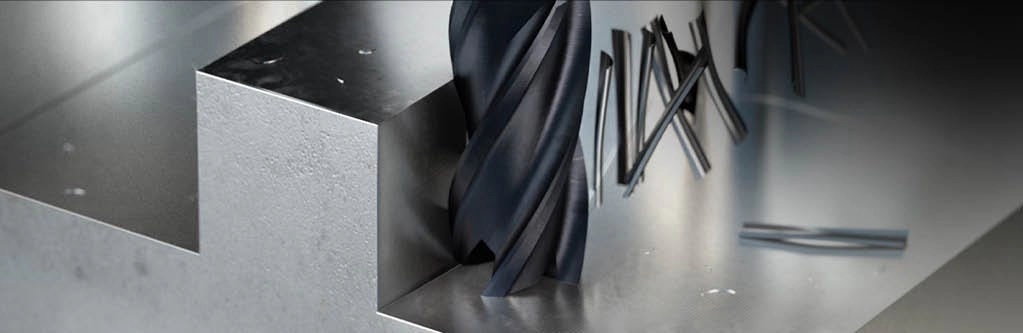
Milling cutters come in several types, each designed for specific tasks and materials. Here’s a quick rundown of the most common milling cutter types, their uses, and why you might pick one over another.
End Mills
These are the most versatile cutters, used for profile milling, slotting, and contouring. End mills come in various shapes like square, ball nose, and corner radius, making them perfect for detail work and complex surfaces in metal or plastic. They’re the go-to for CNC milling tools in many shops.
Face Mills
Face mills have multiple cutting edges designed to produce flat surfaces quickly. They’re ideal for machining large, flat areas on metal workpieces, giving a smooth finish in less time. Face milling cutters are commonly used for removing heavy material on steel and aluminum.
Slab Mills
Designed for heavy-duty horizontal milling, slab mills have large diameter cutters useful for cutting broad, flat surfaces. They’re best for roughing and removing significant amounts of material from large steel or iron blocks in metalworking shops.
Side and Face Cutters
These cutters have cutting edges on both the face and the side, allowing them to cut slots or grooves in addition to flat surfaces. They work well for milling keyways and ribbing, commonly used in automotive and general metal fabrication.
Slot Drills
Also known as two-flute end mills, slot drills are made to cut narrow slots or pockets and can plunge directly into material. They’re great for tight, precise slot milling techniques, especially in aluminum, plastics, or softer metals.
Ball Nose Mills
Ball nose cutters have a rounded tip making them perfect for 3D contouring and sculpting complex shapes or molds. These cutters are essential in mold and die making where smooth transitions and contours are needed.
T-Slot Cutters
Used for cutting T-shaped slots for securing clamps and fixtures, T-slot cutters create strong and accurate grooves. These are valuable in machine tool tables and tooling setups where secure mounts are necessary.
Fly Cutters
Fly cutters operate with a single point insert that sweeps across the surface. They’re perfect for producing a fine finish on large, flat surfaces and are popular for low-volume work on softer materials.
Hollow Mills
Hollow mills are designed for internal cutting operations like boring or enlarging holes. Often used in metalworking, they provide smooth finishes inside cylindrical parts.
Choosing the right milling cutter depends heavily on your machining needs, type of material, and desired finish. Each type brings unique strengths to the table, so picking the right one can save time and improve results.
Factors to Consider When Choosing a Milling Cutter
Picking the right milling cutter depends on a few key factors to get the job done efficiently and precisely.
Material of the workpiece
Different materials require different cutters. Hard metals like stainless steel or titanium call for tougher, wear-resistant cutters, while softer materials like aluminum or wood can use more standard tools.
Type of milling machine
Not all cutters fit every machine. The size, speed capabilities, and style of your milling machine affect which cutters will work best and produce the desired results.
Cutting conditions: speed, feed rate, depth of cut
These settings influence tool performance. Higher speeds and feeds can speed up work but may wear down cutters faster unless you have the right tool for those conditions. The depth of cut also impacts tool life and surface finish.
Desired finish: roughing vs finishing
For heavy material removal, roughing cutters with deep cuts and strong builds are ideal. For smooth surfaces and fine details, finishing cutters with sharper edges and finer teeth are preferred.
Tool material: high-speed steel, carbide, coated cutters
High-speed steel (HSS) cutters are affordable and good for general use. Carbide cutters are more expensive but last longer and handle higher speeds and tougher materials. Coated cutters add extra durability and reduce wear.
Budget and tool longevity
Investing in quality cutters upfront can save money over time by reducing replacement frequency. Balance your budget with how often you plan to use the tool and the type of work expected.
Understanding these factors helps ensure you choose the right milling cutter for your project, maximizing both efficiency and finish quality.
Applications of Milling Cutters in Various Industries
Milling cutters play a crucial role across many industries thanks to their versatility and precision. In aerospace, they’re essential for cutting complex components that require tight tolerances and high accuracy. Automotive manufacturers rely on milling cutters for high-volume production of engine parts and other components, where speed and consistency are key.
In general metalworking, milling cutters are the go-to for a wide range of fabrication tasks—from shaping metal sheets to machining custom parts. Woodworking uses milling cutters to create intricate designs and detailed furniture pieces, giving craftsmen the control they need for fine work.
Mold and die making demands precision, and milling cutters provide the clean, accurate cuts necessary to sculpt detailed molds and dies. These applications highlight why choosing the right type of milling cutter matters for achieving the best results in your specific field.
Tips for Optimizing Milling Cutter Performance
To get the most out of your milling cutters, keeping them in good shape is key. Here’s what I recommend:
- Proper tool maintenance: Regularly clean your cutters to remove debris and metal shavings. Sharpen them when needed and store them in a dry, organized place to avoid damage.
- Select the right cutting parameters: Match your speed, feed rate, and depth of cut to the material and cutter type. This balance boosts efficiency and extends tool life.
- Use coolant or lubrication: Applying coolant helps reduce heat build-up, which lowers wear and keeps the cutter running smoothly.
- Inspect tools regularly: Check for signs of wear or damage before and after use. Keeping an eye on the cutter’s condition ensures precision and prevents costly mistakes.
Why Choose Vast Milling Cutters
At Vast, quality and precision are at the heart of everything we do. Our milling cutters are designed to deliver consistent performance, long tool life, and reliable results, no matter the application. We use top-grade materials and advanced manufacturing techniques to ensure each cutter meets high standards that professionals across the U.S. can trust.
Our product range covers a wide variety of milling cutter types, from durable carbide tools to high-speed steel options, built to handle everything from light finishing to heavy roughing. Whether you’re working in aerospace, automotive, or general metalworking, Vast offers cutters that fit your needs and keep your projects on track.
We also provide expert customer support to help you select the right milling cutter for your specific machine, workpiece material, and cutting conditions. Our team is ready to guide you through your options to maximize tool performance and efficiency.
Explore the Vast milling cutter catalog today to find the perfect tool that matches your milling requirements and boosts your productivity.
 English
  Spanish (Peru)
  German
  Korean
  Spanish (Spain)
  Italian