
Explore detailed copper grades with purity levels uses recycling tips and industry insights to select the best copper grade for your project or scrap value.
Did you know that copper grades can make or break your project’s performance—and your bottom line? Whether you’re sourcing copper for electrical wiring, machining, or recycling, understanding the differences in purity and classification is the key to getting it right. In this guide, you’ll discover how selecting the right copper grade impacts conductivity, durability, and even your sustainability goals. Ready to unlock the secrets behind copper’s many faces? Let’s dive in and explore what sets one grade apart from another.
What Are Copper Grades The Basics Explained
Copper grades refer to the classification of copper based on its purity and composition. Think of it like sorting fruits by quality—copper is grouped according to how pure it is or what metals it’s mixed with. These grades help manufacturers, recyclers, and industries know exactly what type of copper they’re working with, ensuring the right material gets used for each specific application.
Pure copper grades usually contain a very high copper content, often above 99%, while alloyed copper grades are mixed with other metals to enhance certain properties like strength or machinability. Meanwhile, scrap and recycling copper grades categorize used copper materials based on cleanliness and purity, which affects their value and reuse potential.
Understanding copper grades is essential because copper’s performance—its conductivity, corrosion resistance, and strength—depends heavily on these classifications. Whether you’re choosing the best copper grade for wiring or evaluating copper scrap grades for recycling, knowing the basics sets you on the path to smart, efficient decisions. Ready to dive deeper into the types and uses of copper grades? Let’s explore.
Types of Copper Grades A Breakdown
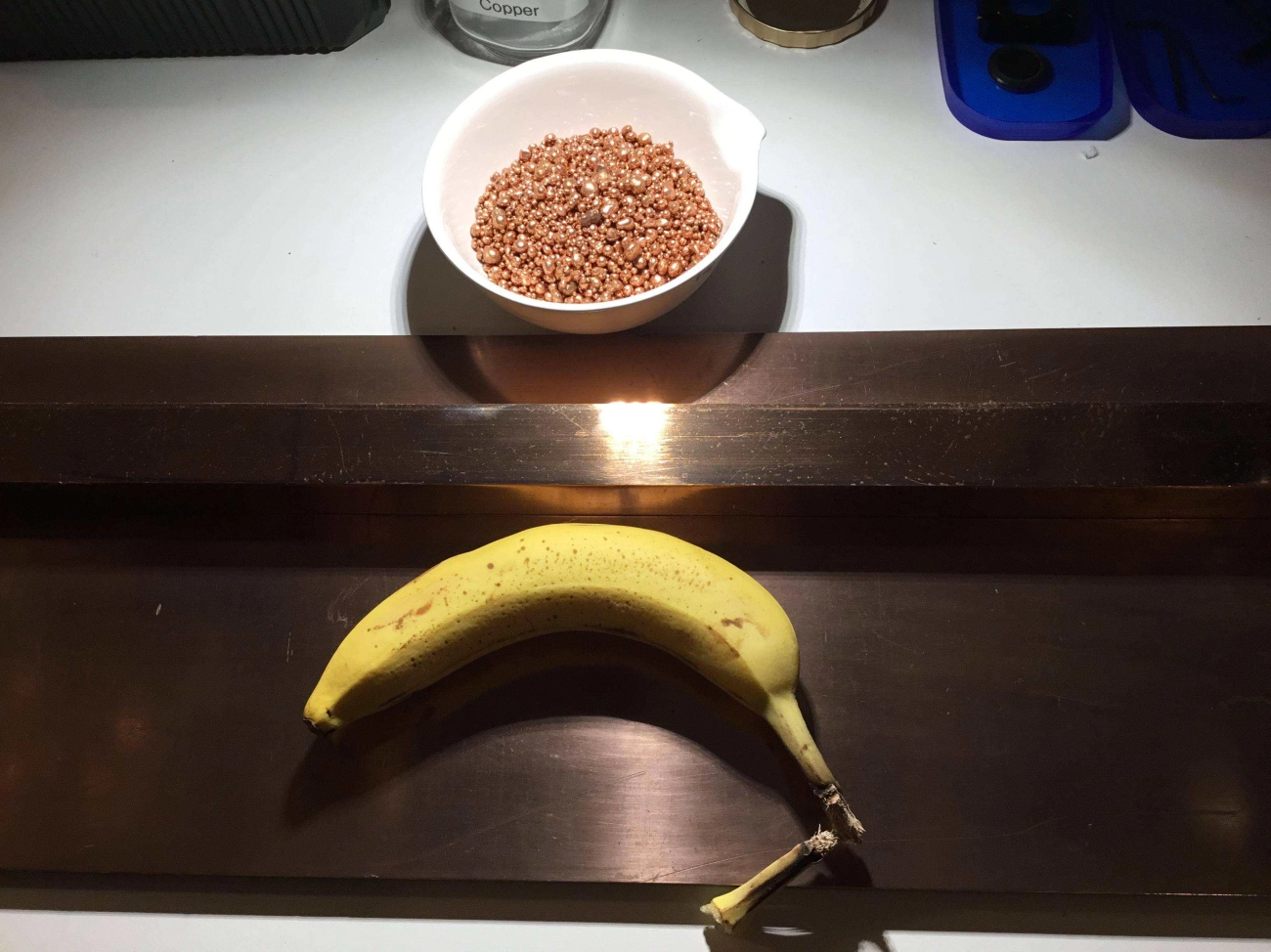
Copper comes in different grades, depending on its purity and what it’s mixed with. Understanding these types helps you choose the right copper for your needs.
Pure Copper Grades 99.3 Purity
Pure copper grades usually have a minimum of 99.3% copper content. This includes popular types like Electrolytic Tough Pitch (ETP) copper, which is widely used for electrical wiring because of its excellent conductivity. Another important pure copper is oxygen-free copper, prized for specialized uses where high conductivity and corrosion resistance matter.
Alloyed Copper Grades
Alloyed copper combines copper with other metals like zinc, tin, or nickel to create materials with different properties. These are known as copper alloys and include bronzes and brasses. They are stronger, more durable, and often easier to machine, making them great for plumbing, industrial machinery, and decorative items.
Scrap and Recycling Grades
Copper scrap is classified into different grades, which affect its value. The most common categories include bare bright copper, which is clean, uncoated copper wire, and copper #1 and #2 scrap, which can be insulated or mixed with other materials. Knowing these copper scrap grades is key for recycling and resale in the United States market because it influences how much you get paid and what the copper can be reused for.
Properties and Selection Criteria for Different Applications
When choosing copper grades, it’s all about matching the right properties to your project’s needs. Different copper grades bring different strengths to the table depending on purity, alloying elements, and treatment.
Key Properties by Grade
- Pure Copper Grades (99.3% and above): Great for electrical wiring thanks to high conductivity. Electrolytic tough pitch copper (ETP) is the common go-to here.
- Oxygen-Free Copper: Ideal when extra purity and corrosion resistance matter, like in specialized electronics or audio gear.
- Alloyed Copper Grades: Add strength, machinability, or resistance to wear and corrosion, making them perfect for industrial parts.
- Copper Scrap Grades: Values vary based on contamination and purity—bare bright copper fetches the highest price due to minimal impurities.
Industry Specific Selection
- Electrical: Prioritize conductivity and flexibility. ETP and oxygen-free coppers usually lead here.
- Mechanical and Industrial: Focus on strength and machinability. Alloys like bronze or brass often fit best.
- Recycling: Sorting scrap carefully helps you get optimal value, especially knowing the difference between #1 (clean scrap) and #2 copper (mixed or contaminated).
Factors to Consider
- Application demands on conductivity, strength, and corrosion resistance.
- Budget constraints — pure copper costs more but performs better electrically.
- Local availability of specific copper grades.
- Long-term durability needs.
Pro Tip from Vast
Don’t just pick copper grades based on price or availability. Understand the material’s role in your project first, then narrow down your choice. For U.S.-based buyers, consider local recycling standards and copper scrap grades to maximize value, especially if reselling or working with reused materials. This approach saves money and enhances performance.
Copper Grades in Action Real World Uses and Case Studies
Copper grades play a big role in many industries across the U.S., each chosen for what fits best. Here’s how they show up in real life:
Electrical Uses
Pure copper grades like Electrolytic Tough Pitch (ETP) and Oxygen-Free Copper (OFC) are top picks for wiring and electrical work. They conduct electricity well, resist corrosion, and ensure safety.
- Best copper grade for wiring often means ETP copper with 99.9% purity
- Oxygen-free copper shines in sensitive electronics or audio gear where signal quality matters
Industrial Uses
Copper alloys get the spotlight in heavy-duty settings. Alloys improve strength, machinability, and resistance to wear. You’ll find machinable copper alloys in plumbing, automotive parts, and HVAC systems where toughness counts.
Recycling and Scrap
Copper scrap grades matter here more than you might think.
- Bare bright copper scrap, with high purity and no coatings, fetches the best price
- Grades like recycling copper #1 vs #2 help recyclers sort and value materials properly
Recycling keeps copper in the loop, cutting costs and environmental impact for U.S. manufacturers and suppliers.
Emerging Trends
New uses and tech keep evolving copper grades’ roles:
- Electric vehicles boost demand for high-purity copper wiring and alloys
- Renewable energy relies on copper’s conductivity and durability
- Advanced recycling techniques improve recovery rates and grade quality
Understanding where and how different copper grades fit means better choices and smarter spending, whether you’re wiring a home or selling copper scrap.
Recycling and Sustainability Maximizing Value from Copper Grades
Recycling copper isn’t just good for the planet—it’s smart business. Different copper scrap grades like Bare Bright Copper (#1) and Scrap #2 bring different values, so knowing what you have can really boost your returns.
The Recycling Loop
Copper is one of the few metals that can be recycled infinitely without losing quality. Here’s how it works:
- Collection: Gather scrap copper from homes, businesses, and industrial sites.
- Sorting: Separate copper by grades—pure copper purity levels like 99.3% or alloyed copper grades matter here.
- Processing: Melt and purify copper to restore it for reuse.
- Reuse: Recycled copper goes back into wiring, plumbing, and industrial parts.
Tips for Sellers
- Identify your copper grade before selling—bare bright copper brings the highest prices.
- Avoid mixing scrap; alloyed or dirty copper lowers value.
- Clean your copper by removing insulation or contaminants for better payout.
- Stay informed about the current market price for copper scrap grades to get the best deal.
Environmental Wins
Recycling copper saves a ton of energy—up to 85% less than mining new ore. It also cuts down on waste in landfills and reduces greenhouse gases. For U.S. businesses and homeowners alike, this means lowering your environmental footprint without sacrificing quality or performance.
Call to Action
If you’re sitting on old wiring, pipes, or scrap copper, don’t overlook its value. Identify your copper grades, clean it up, and find a local recycler or scrap yard specializing in copper grades. By doing so, you contribute to a circular economy that benefits your wallet and the environment alike.
 English
  Spanish (Peru)
  German
  Korean
  Spanish (Spain)
  Italian