
Discover the key differences between copper and bronze alloys including properties uses and tips for choosing the right metal for your projects.
The Essence of Copper
Copper isn’t just another metal—it’s the lifeblood of modern industry and craftsmanship. Its warm, reddish glow has captivated humans for thousands of years, marking milestones from ancient tools to today’s high-tech electronics. What makes copper unique is its exceptional electrical conductivity, second only to silver, combined with impressive thermal properties. This blend of characteristics makes copper indispensable, whether it’s wiring your home, crafting intricate art pieces, or enhancing renewable energy systems.
Copper’s historical footprint is vast. It powered the Bronze Age, launched civilizations forward, and continues to shape our everyday lives. Beyond its ancient legacy, copper adapts effortlessly to modern demands—resisting corrosion, forming flexible alloys, and even supporting sustainable sourcing practices.
At Vast, we appreciate this versatility deeply. Our copper sourcing prioritizes quality, traceability, and performance, ensuring each batch meets rigorous standards for both industrial and creative projects. Working with copper here means access to materials that inspire innovation and durability, backed by expertise that guides you from raw metal to finished masterpiece.
Bronze: Copper’s Stronger, Smarter Alloy Partner
Bronze is basically copper’s tougher, more versatile buddy. When you mix copper with tin—usually around 12% tin—you get bronze, a copper-tin alloy that brings new strength and durability to the table. This simple change makes a big difference: bronze is harder, more corrosion-resistant, and handles wear better than pure copper.
Decoding Bronze’s Composition
Most bronze blends combine copper with tin, but you’ll also find variants with aluminum, phosphorus, or even silicon. Each mix tweaks the metal’s traits, making it useful for different tasks. For example:
- Phosphor bronze adds phosphorus to improve stiffness and fatigue resistance.
- Aluminum bronze boosts corrosion resistance, especially in marine environments.
How Alloying Transforms Copper
Alloying turns soft, reddish copper into an all-around stronger metal that still keeps good conductivity and a warm color. Because of tin and other elements, bronze:
- Resists rust and corrosion better
- Stands up to repeated use without cracking
- Has a higher melting point, making it great for casting detailed parts
Bronze Variants Tailored for Specific Needs
Different applications call for different bronze types. Some top players include:
- Phosphor bronze for electrical springs and bearings
- Aluminum bronze in shipbuilding and heavy machinery
- Silicon bronze used in plumbing and artistic casting
This flexibility makes bronze a go-to in industries where strength, appearance, and corrosion resistance matter. For anyone working on projects from sculptures to mechanical parts, choosing the right bronze variant ensures you get the best performance without compromise.
Copper vs. Bronze: A Side-by-Side Showdown
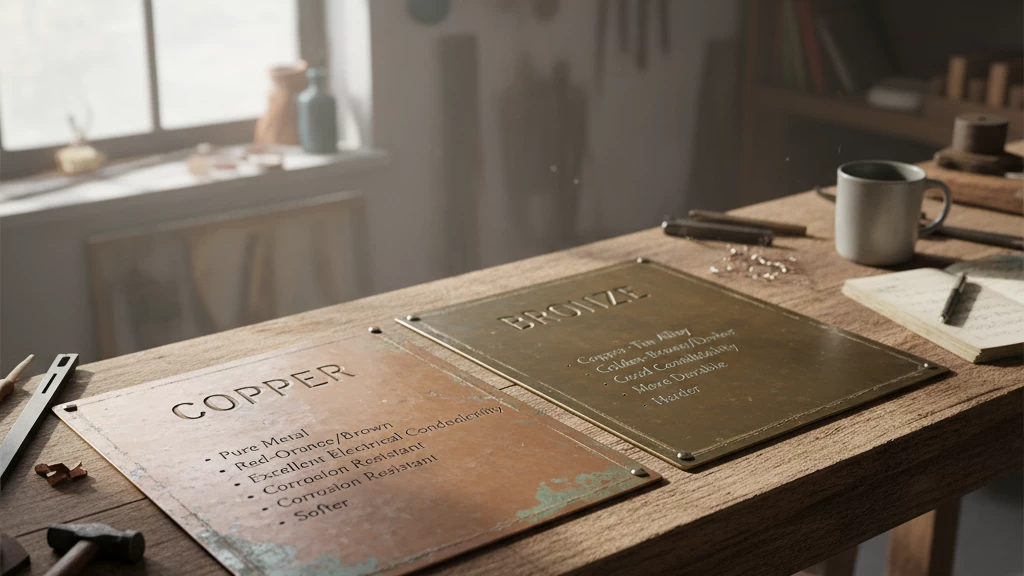
When deciding between copper and bronze for your project, knowing their key differences helps you pick the right metal. Here’s a quick look:
| Feature | Copper | Bronze |
|---|---|---|
| Composition | Pure copper (red metal alloy) | Copper + tin (copper-tin alloy) |
| Strength | Softer, more malleable | Harder, more durable |
| Corrosion Resistance | Good, but can oxidize | Better resistance, especially phosphor bronze & aluminum bronze |
| Conductivity | High electrical & thermal | Lower than copper |
| Common Uses | Electrical wiring, plumbing, roofing | Bearings, sculptures, marine hardware |
| Appearance | Reddish, bright when polished | Usually darker, brownish or golden |
| Cost | Generally less expensive | A bit pricier due to alloying |
When to Choose Each: Decision Framework
- Use Copper if:
- You need excellent electrical or thermal conductivity.
- Flexibility and ease in shaping are priorities.
- Budget is tight but you want a reliable red metal alloy.
- Use Bronze if:
- Strength and wear resistance are critical.
- You need better corrosion resistance, especially in harsh environments.
- Your project calls for durability over conductivity.
Common Pitfalls and Myths Debunked
- Myth: Bronze is just “rusted copper.”
Truth: Bronze doesn’t rust like iron. Its tin content combats corrosion differently. - Myth: Copper is always better because it’s pure metal.
Truth: Pure copper is softer and less durable; bronze’s alloying improves strength and longevity. - Myth: Bronze is more expensive with no real benefit.
Truth: Depending on use, bronze’s improved properties often save money by lasting longer or performing better.
Picking between copper and bronze really comes down to what matters most to your project—whether it’s conductivity, strength, durability, or cost. Knowing these basics keeps your choice practical and informed.
Applications That Bring Copper and Bronze to Life
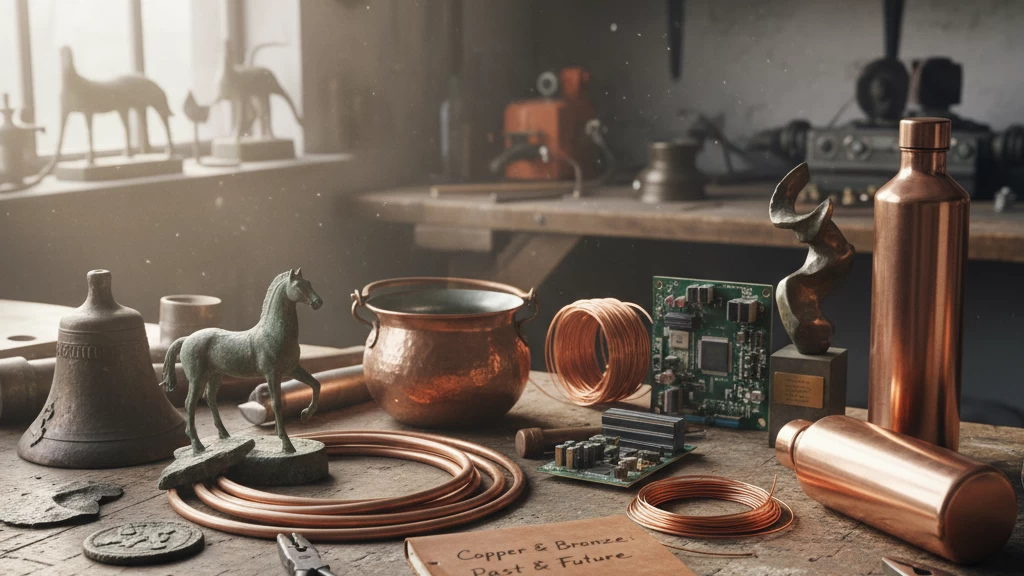
Historical Echoes: From Bronze Age Blades to Modern Marvels
Copper and bronze have shaped human history in big ways. Bronze, a copper-tin alloy, was a game-changer during the Bronze Age, enabling stronger tools, weapons, and artwork. These metals stood the test of time as they evolved from simple blades and statues to parts in sophisticated machines and structures we see today.
Contemporary Uses in Crafting and Industry
Today, both metals remain popular across industries and crafts, thanks to their unique properties:
- Copper: Known for its excellent electrical conductivity, it’s a favorite in electrical wiring, plumbing, and roofing here in the US. Its malleability and corrosion resistance also make it ideal for sustainable building projects.
- Bronze: Its strength and wear resistance make it perfect for marine hardware, bearings, and sculptures. Variants like phosphor bronze and aluminum bronze serve specialized roles in aerospace and heavy machinery, where durability is key.
Care and Finishing Techniques
Keeping copper and bronze looking sharp and lasting longer is easier than you think:
- Regular cleaning with mild soap and water prevents buildup.
- For copper’s natural patina, use a soft cloth and avoid harsh abrasives.
- Bronze benefits from wax or oil finishes to fend off corrosion and maintain shine.
- In the US, protective coatings are common to handle diverse weather and environmental conditions.
Knowing these facts helps you pick the right metal and care for your project, whether you’re casting bronze at home or installing copper piping on a new build.
Sourcing Excellence: Building with Vast’s Copper and Bronze
When it comes to copper and bronze in the U.S. market, quality is everything. Whether you’re a craftsman, hobbyist, or manufacturer, using top-grade materials means better durability, performance, and finish. Vast understands this well, which is why we carefully select copper and bronze that meet high standards for consistency and purity—important for everything from corrosion-resistant bronze alloys to vibrant red metal finishes.
Our curated selection includes a range of popular alloys, like phosphor bronze and aluminum bronze, tailored to various needs. Whether you’re casting bronze at home, working with copper for electrical parts, or crafting art pieces, we provide options that match your project requirements without compromise.
Getting started is easy with our project kits and starter packages. They’re designed to give you the right materials plus guidance on how to work with these metals safely and effectively. If you want reliable supplies with the backing of U.S.-based sourcing and support, Vast’s copper and bronze offerings will get you there smoothly and confidently.
 English
  Spanish (Peru)
  German
  Korean
  Spanish (Spain)
  Italian