
Discover expert tips and guides on cutting tools milling including types, materials, coatings, and selection for optimal machining performance.
Understanding the Fundamentals of Milling Cutters
Milling is a versatile machining process that shapes materials by rotating a cutting tool against a workpiece. Unlike turning or drilling, milling relies on rotary motion combined with linear feed, allowing it to create slots, contours, and complex surface geometries with precision. Instead of spinning the workpiece, as in turning, the milling cutter spins, while the workpiece moves in a controlled path.
Core Mechanics of Milling
- Rotary motion: The cutter rotates at high speeds.
- Linear feed: The workpiece or tool moves along a straight path to remove material.
- This combination lets you machine slots, pockets, profiles, and 3D surfaces efficiently.
Key Components of a Milling Cutter
Every milling cutter consists of several main parts that influence how it performs:
- Shank: The cylindrical part that fits into the tool holder.
- Body: The main section of the cutter housing the teeth.
- Cutting edges: Sharp edges that do the actual material removal.
- Flutes: Helical grooves along the cutter that help evacuate chips.
- Helix angle: The angle of the flutes, impacting cut smoothness and chip flow.
- Coatings: Surface treatments like TiN or DLC that reduce wear and friction.
Common Challenges in Milling
Milling tools face a few typical challenges that affect performance:
- Heat buildup: High speeds can generate heat risking tool wear or workpiece damage.
- Chip evacuation: Efficient removal is critical to prevent clogging and maintain cutting efficiency.
- Vibration: Can lead to poor surface finish and tool failure if not controlled.
Visualizing an End Mill
Imagine a standard end mill with its shank, the fluted body wrapped in a helix pattern, and sharp cutting edges peeking out. This design balances strength with chip clearance to keep your milling runs smooth.
Understanding these basics makes choosing and using milling cutters easier and improves your machining results every time.
Types of Milling Cutters Matching Tools to Your Machining Needs
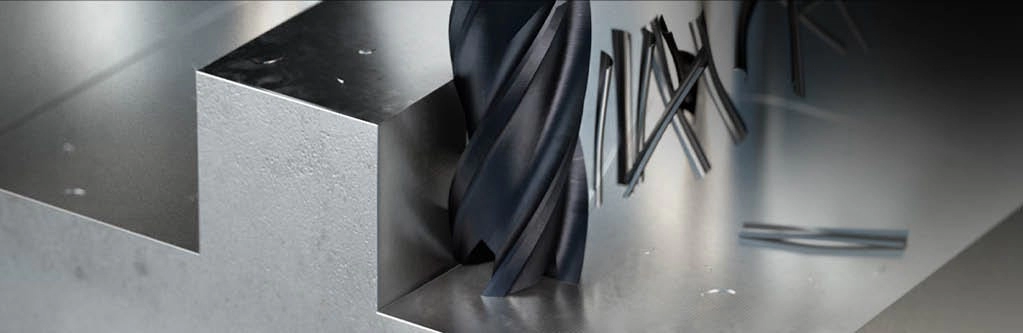
Choosing the right milling cutter is key to getting the job done efficiently. Here’s a quick rundown of common types and what they’re best for:
End Mills
- Flat End Mills: Great for slots and pockets with sharp corners.
- Ball Nose End Mills: Perfect for 3D contours and curved surfaces, giving a smooth finish but slower feed rates.
- Corner Radius End Mills: Reduce chipping by adding strength to corners, ideal for more durability.
- Profiling Mills: Designed for detailed contour work and shaping.
Face Mills and Fly Cutters
- Face Mills: Usually insert-based, great for flat surfacing large areas quickly. Solid face mills work well too but often on smaller tasks.
- Fly Cutters: Single-point tools used for low volume flat surfaces, good for finishing.
Slab, Side, and Face Mills
- Used for cutting wide shoulders, slots, or gears. They come in various designs to suit different applications.
Specialized Tools
- Undercutters: Reach hard spots under features.
- Chamfer Mills: Create angled edges or bevels.
- Dovetail Cutters: For tight joints in woodworking or metalworking.
- T Slot Cutters: Specifically for making T-shaped slots.
Comparison Table of Milling Cutters
| Cutter Type | Best Application | Flute Count | Material Compatibility | Notes |
|---|---|---|---|---|
| 2 Flute End Mills | Aluminum, softer metals | 2 | Aluminum, plastics | Less stickiness, good chip flow |
| Ball Nose End Mills | Smooth finishes, 3D work | 3-4 | Stainless, tool steel | Slower feeds |
| Face Mills | Large flat surfaces | Multiple | Steel, cast iron | Insert-based efficient |
| Fly Cutters | Finishing flat surfaces | 1 | Mild steel, softer metals | Single point, low volume |
| Chamfer Mills | Edge chamfering | 2-3 | Most metals | Angled edges |
| Dovetail Cutters | Tight angle joints | 2-3 | Steel | Niche application |
When working with aluminum, 2-flute cutters are popular because they help reduce buildup and stickiness during cutting. For tougher materials or finishing, a higher flute count works better for a smoother surface.
Matching the tool to your workpiece and operation type will help you keep machining time down and improve surface quality.
Materials and Coatings Building Durability into Your Milling Arsenal
Choosing the right material and coating for your milling cutters is key for durability and performance. Let’s break down the main base materials:
- High-Speed Steel (HSS): Cost-effective and great for softer metals like aluminum and mild steel.
- Cobalt Steels: A bit tougher than HSS, better heat resistance for harder materials.
- Carbide: The workhorse for most milling jobs. It handles high speeds, holds sharp edges longer, and is ideal for precision machining and harder metals.
- Ceramics and Exotic Alloys: Used in specialized, high-speed cutting where extreme heat resistance is needed.
Coatings make your cutting tools last longer and work better by reducing wear, heat, and friction. Common coatings include:
- TiN (Titanium Nitride): Boosts surface hardness and helps with wear resistance.
- AlTiN (Aluminum Titanium Nitride): Great for high-temperature cutting, extends tool life.
- Diamond-Like Carbon (DLC): Excellent for cutting non-ferrous metals by reducing friction.
When picking tools, consider your workpiece’s hardness. Carbide cutters are your go-to choice for materials over 45 HRC hardness. Also, follow surface feet per minute (SFM) guidelines to keep your tools running smoothly.
Case Study
A Vast carbide end mill designed for aluminum cutting lasted 3x longer than standard tools, cutting downtime and costs significantly.
Quick Material and Tool Pairing Checklist
- Soft metals: Use HSS or 2-flute carbide for better chip evacuation.
- Hard steels: Opt for coated carbide with AlTiN or similar.
- Non-ferrous metals: Look for tools with DLC coating and fewer flutes.
- High hardness parts: Use ceramic or exotic alloys with heat-resistant coatings.
This simple matchup helps ensure you get the most life and performance from your milling tools.
How to Select the Right Milling Tool A Step By Step Guide
Choosing the right milling tool can make a huge difference in your project’s success. Here’s a straightforward approach to help you pick the best cutting tools for milling your job.
Assess Job Parameters First
- Workpiece Material: Different materials like aluminum, steel, or titanium need different cutter types and coatings.
- Machine Rigidity: CNC machines handle more aggressive cuts and higher speeds than manual mills. Know your machine’s limits.
- Cut Depth and Width: Deeper cuts might require a sturdier tool with more flutes for strength.
- RPM and Feed Rates: Match the tool’s speed range to your machine’s capability to avoid premature wear.
Consider Tool Geometry
- Flute Count:
- 2-flute tools excel at chip evacuation, ideal for softer materials like aluminum.
- 3 or 4-flute end mills offer better finishes for harder materials due to increased cutting edges.
- Helix Angle: A higher helix angle helps with chip removal and smoother finishes in softer metals.
- Tool Length and Reach: Longer tools reach deeper but can vibrate more; balance length with rigidity.
Cost Versus Performance
- Premium tools, like those from Vast, may cost more upfront but can reduce downtime by up to 25%.
- Consider your ROI: better tools often mean longer life and fewer tool changes.
Watch for Common Pitfalls
- Ignoring tool runout can cause uneven cutting and shorter tool life.
- Using unmatched speeds and feeds risks tool damage and poor finish.
- Use decision charts or infographics to find the best tool for your specific needs.
Quick FAQ
- What flute count works best for stainless steel?
Typically, 3 or 4-flute end mills are preferred to get a smooth finish and handle the tougher material.
Taking these steps will guide you to the right milling cutters every time—saving you time, money, and frustration.
Best Practices for Using Milling Cutters Maximize Efficiency and Longevity
Using the right cutting tools milling the right way can boost your work quality and extend tool life. Here’s how to get the most from your milling cutters.
Setup Essentials
- Proper tool holding: Use collets for tighter grip and less runout on smaller tools. Chucks work well for bigger diameter cutters but watch for vibration.
- Coolant strategies: Flood coolant is best for heavy cuts and heat buildup, especially on carbide cutters. Mist coolant helps in lighter jobs and keeps chips clear without drowning the workpiece.
- Alignment checks: Always verify tool and spindle alignment before starting. Misalignment leads to chatter and premature wear.
Operation Techniques
- Climb vs Conventional Milling: Climb milling pushes the cutter into the workpiece, giving a better finish and longer tool life, while conventional milling is better for harder materials or less rigid setups.
- Adaptive clearing: Use adaptive toolpaths to maintain constant load on the cutter, reducing stress and heat.
- Roughing and finishing: Rough with higher chip loads and slower speeds, then finish with finer passes for smooth surfaces.
- Trochoidal milling: Great for slots and deep pockets, this path reduces cutting forces and heat by cutting in a circular motion.
Troubleshooting Tips
- Chatter: Reduce overhang and increase spindle speed or rigidity.
- Edge chipping: Lower feed rates and ensure the tool geometry matches the material.
- Poor finish: Check tool wear, adjust helix angle, and confirm proper coolant flow.
Safety Protocols
- Always wear appropriate PPE like safety glasses and gloves.
- Manage chips by using guards and chip conveyors to keep the work area clean and safe.
- Machine guards help prevent accidents and contain flying debris.
Pro Tip
Use the Vast smart tooling app for real-time milling cutter parameter suggestions. It helps optimize speeds, feeds, and tool choices based on your specific job and material, boosting efficiency and tool life effortlessly.
Following these best practices makes your milling cutters work harder and last longer, saving you time and money in the long run.
Vasts Cutting Edge Milling Solutions Elevate Your Workflow
When it comes to milling cutters, Vast offers a lineup that stands out in the U.S. market. Their variable helix end mills are designed to reduce vibration, giving you smoother cuts and longer tool life. Plus, Vast’s eco-friendly coatings help keep tools cooler and more durable, which means less downtime and better results on your projects.
One customer saw cycle times drop by 40% using Vast tools, proving their impact on productivity. Whether you’re in aerospace, automotive, or general precision machining, Vast provides customization options to fit your specific needs, from unique geometries to specialized coatings built for tougher materials.
If you want to step up your milling game, explore Vast’s milling cutter collection. New customers can take advantage of discounts with their first-time buyer codes—making it easier to try these reliable, high-performance milling tools on your next job.
 English
  Spanish (Peru)
  German
  Korean
  Spanish (Spain)
  Italian