
Compare bronze copper and brass by properties, uses, durability, and cost to choose the best metal for your project with expert insights from Vast.
What Are Bronze Copper and Brass Copper The Pure Metal
Copper is a pure metal known for its distinctive reddish-orange colour and excellent electrical and thermal conductivity. As one of the oldest metals used by humans, copper has remained a fundamental material in various industries due to its natural properties.
Definition
Copper is a chemical element with the symbol Cu and atomic number 29. It is a ductile, malleable metal that occurs naturally in an uncombined metallic form or in ores.
Key Characteristics
- Conductivity: Copper is prized for its high electrical and thermal conductivity, making it the top choice for electrical wiring.
- Malleability: It’s easy to shape and work with, useful for plumbing and roofing applications.
- Corrosion Resistance: Copper develops a protective green patina over time, which helps protect it from further corrosion.
- Recyclability: Copper can be recycled repeatedly without losing its properties, supporting sustainability efforts.
Common Forms
Copper is widely available in several forms to suit different needs including:
- Sheets and plates for roofing and cladding
- Wires and rods for electrical applications
- Pipes and tubes for plumbing and HVAC systems
- Foils and strips for electronics and decorative uses
Understanding copper as a pure metal lays the foundation for appreciating its alloy forms, bronze and brass, each designed to enhance certain properties for specific uses.
What Are Bronze Copper and Brass
Bronze The Sturdy Alloy
Bronze is an alloy mostly made of copper mixed with tin, sometimes with small amounts of other metals like aluminium or phosphorus. Known for its toughness and resistance to wear, bronze is much stronger and harder than pure copper. It also handles corrosion well, especially in marine environments, which makes it popular for boat parts and outdoor sculptures.
Key characteristics of bronze:
- Tough and durable
- Good corrosion resistance, especially against saltwater
- Slightly reddish-brown colour, often darker than copper
- Harder and less malleable than copper or brass
Common forms of bronze:
- Sheets and plates
- Rods and bars
- Castings for bearings, gears, and marine hardware
- Decorative sculptures and plaques
In short, bronze stands out for its strength and long-lasting qualities, making it a go-to alloy when durability is key.
What Are Bronze Copper and Brass Brass The Versatile Alloy Definition Key Characteristics Common Forms
Brass is an alloy made primarily of copper and zinc, known for its versatility and attractive gold-like appearance. Unlike pure copper, adding zinc changes its strength, colour, and corrosion resistance, making brass a popular choice across many industries.
Key Characteristics
- Colour: Usually bright yellow but can vary from reddish to dull depending on zinc content.
- Strength: More durable and harder than copper but still easy to work with.
- Corrosion resistance: Good resistance in most environments, though it can suffer from dezincification in certain conditions.
- Malleability: Easily shaped, machined, and polished, which is why it’s favoured for decorative and functional uses.
Common Forms
- Sheets, rods, tubes, and plates used in architectural details.
- Musical instruments like trumpets and saxophones.
- Plumbing fittings and valves.
- Decorative fixtures such as handles and lamps.
Brass’s combination of appealing looks and practical properties makes it a go-to metal for both home and industrial projects throughout the United Kingdom market.
Key Properties Compared Composition and Structure
When comparing bronze vs copper vs brass, their composition and structure play a big role in how they perform.
- Copper is a pure metal, made of 100% copper with no alloys. This gives it excellent conductivity and a soft, malleable structure.
- Bronze is an alloy primarily made from copper and tin. The tin adds strength and durability, making bronze harder and more wear-resistant than pure copper.
- Brass is an alloy of copper and zinc. The zinc increases its strength and machinability while keeping it relatively malleable and giving it a distinct yellow-gold colour.
Each metal’s unique blend affects its weight, strength, and resistance to wear, making them better suited for different uses depending on what you need.
Key Properties Compared Physical Properties Density Melting Point Colour and Aesthetics
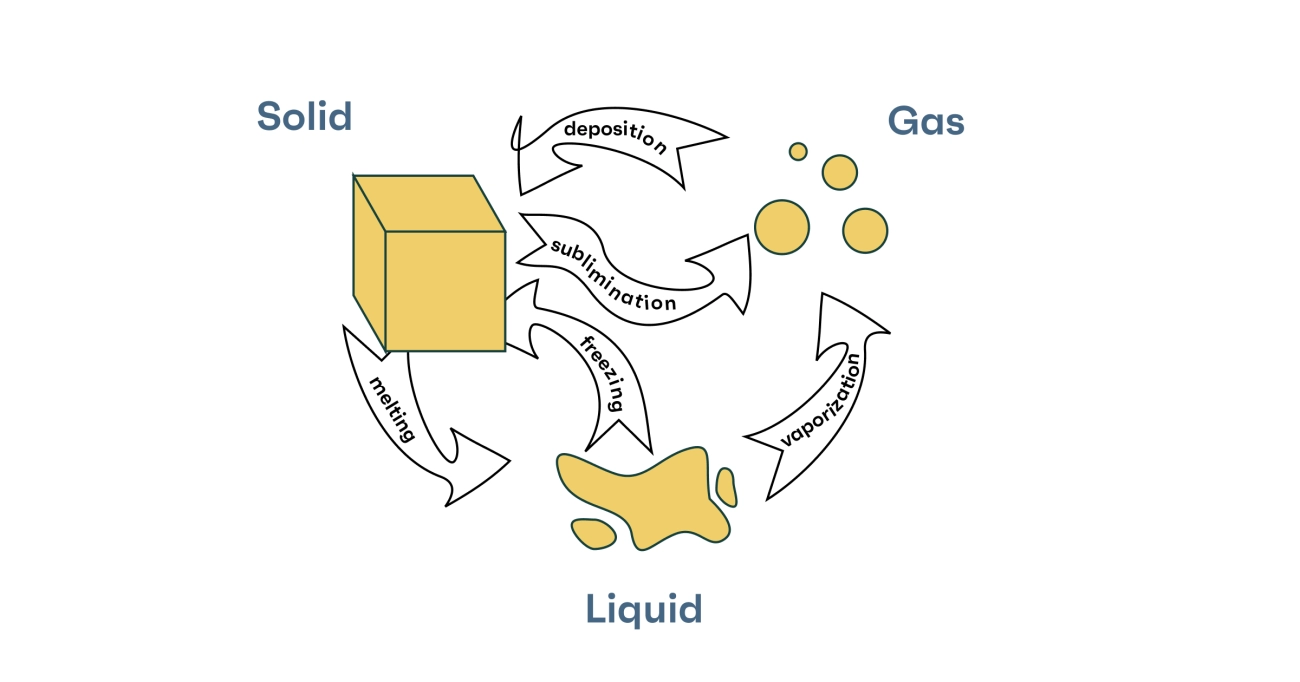
When comparing bronze vs copper vs brass, physical properties like density, melting point, and colour play a crucial role in choosing the right metal.
Density
- Copper is the heaviest with a density of about 8.96 g/cm³.
- Bronze is slightly lighter, usually around 8.8 g/cm³ depending on the alloy mix.
- Brass tends to be the lightest of the three, with density around 8.4-8.7 g/cm³.
Melting Point
- Pure copper melts at roughly 1,984°F (1,085°C).
- Bronze melts over a range, roughly 1,650–1,900°F (900–1,040°C), depending on the tin and other components.
- Brass melts between 1,642–1,752°F (893–955°C), which is lower than both copper and bronze.
Colour and Aesthetics
- Copper has a distinctive reddish-orange tone that’s iconic and brightens over time with a green patina in outdoor use.
- Bronze offers a deep brownish or reddish-brown hue, often giving a classic, antique feel that’s popular in sculptures and décor.
- Brass shines with a warm, yellow-gold colour, making it a favourite for decorative fixtures and musical instruments where looks matter.
Understanding these physical traits helps decide which metal fits your project best, whether you want something heavy and sturdy, lighter and decorative, or with specific melting and finish needs.
Key Properties Compared Mechanical Properties Hardness Malleability Strength
When looking at bronze vs copper vs brass, their mechanical properties tell a lot about how they perform in real life.
- CopperCopper is pretty soft and very malleable, which means it bends and shapes easily without breaking. It isn’t the strongest metal here, but it’s great if you need flexibility and ease of use, like in wiring or plumbing.
- BronzeBronze is much harder than pure copper thanks to the tin mixed in. It’s strong and durable, making it perfect for heavy-duty uses like marine hardware or industrial parts. The trade-off is that it’s less malleable and a bit heavier.
- BrassBrass falls between copper and bronze in hardness. It’s easier to machine than bronze and still offers decent strength. Because of its good malleability and moderate hardness, brass is popular for decorative items and fittings.
In :
- Copper scores high on malleability but lower on hardness and strength.
- Bronze offers superior hardness and strength but less flexibility.
- Brass balances hardness and malleability, making it versatile for many uses.
Choosing the right metal depends on whether you need something easy to shape, super strong, or a middle ground.
Key Properties Compared Corrosion Resistance

When it comes to corrosion resistance, each metal behaves differently based on its composition:
- Copper: Copper naturally develops a greenish-blue patina over time, which actually protects it from further corrosion. This makes copper a solid choice for outdoor use, though it can still tarnish or oxidise if exposed to harsh chemicals.
- Bronze: Bronze stands out for its excellent corrosion resistance, especially in marine environments. The addition of tin helps it resist seawater and moisture much better than pure copper, making it ideal for boat fittings, ship parts, and other outdoor applications where durability matters.
- Brass: Brass offers moderate corrosion resistance but is more prone to a specific issue called dezincification, where zinc leaches out under certain conditions, weakening the metal. While brass works fine indoors or in less harsh outdoor conditions, it’s less suited for marine or highly humid environments compared to bronze.
Understanding these differences helps in picking the right metal for projects exposed to moisture, saltwater, or weather.
Applications and Uses Copper Applications
Copper is widely used across many industries thanks to its excellent electrical conductivity and corrosion resistance. The most common use is in electrical wiring, where copper’s ability to carry current efficiently makes it the go-to metal for homes, businesses, and electronics. In plumbing, copper pipes are favoured for their durability and resistance to bacteria, making them safe for water supply lines. Additionally, copper is popular in roofing and gutters because it withstands weathering well and develops an attractive green patina over time. Beyond these, copper is also found in HVAC systems, industrial machinery, and even decorative accents, proving its versatility for a vast range of solutions.
Applications and Uses Bronze Applications Marine hardware sculptures industrial bearings Vast bronze components
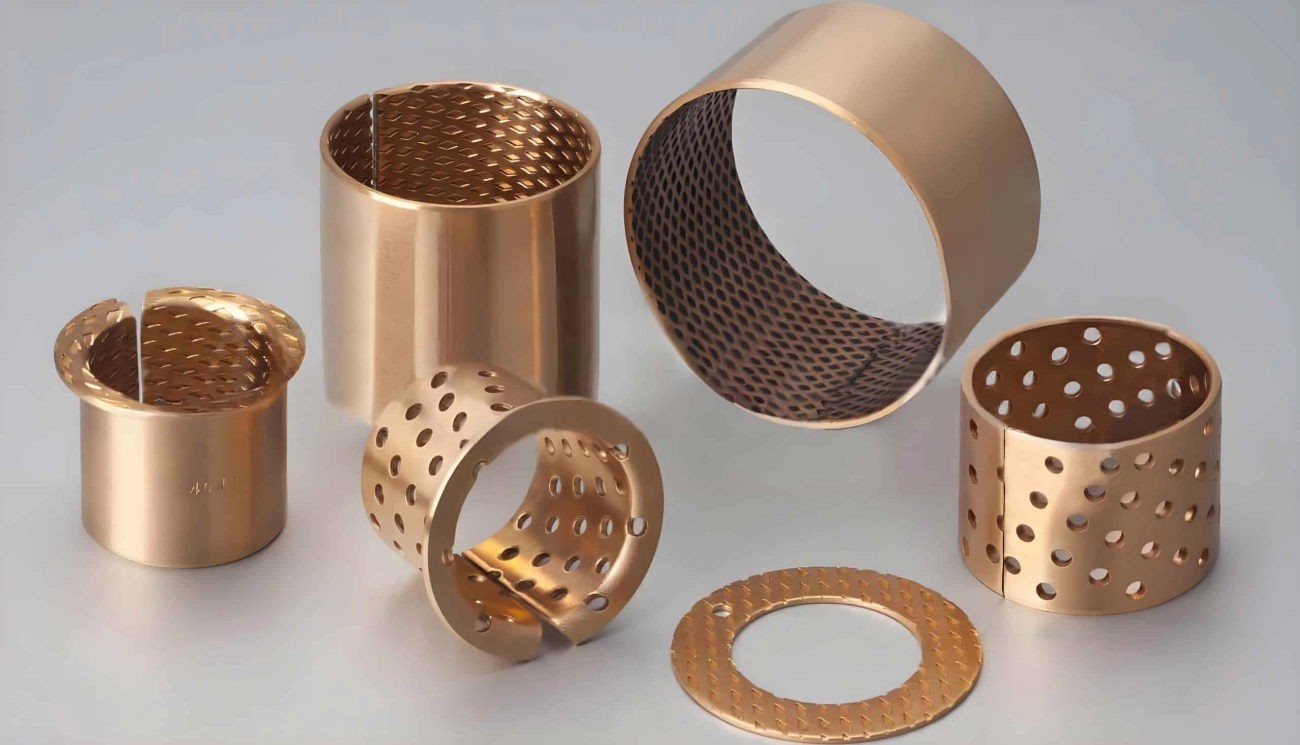
Bronze is well-known for its strength and corrosion resistance, making it a top choice for marine hardware like ship fittings, propellers, and underwater fasteners. It holds up great in salty water, which is why boat builders often rely on it. Beyond marine use, bronze is popular in sculptures and art because of its rich colour and durability. It’s also widely used in industrial bearings and bushings, where its low friction and wear resistance keep machines running smoothly. Whether for heavy-duty parts or decorative pieces, bronze offers a solid balance of toughness and beauty, making it a go-to metal for various applications across industries.
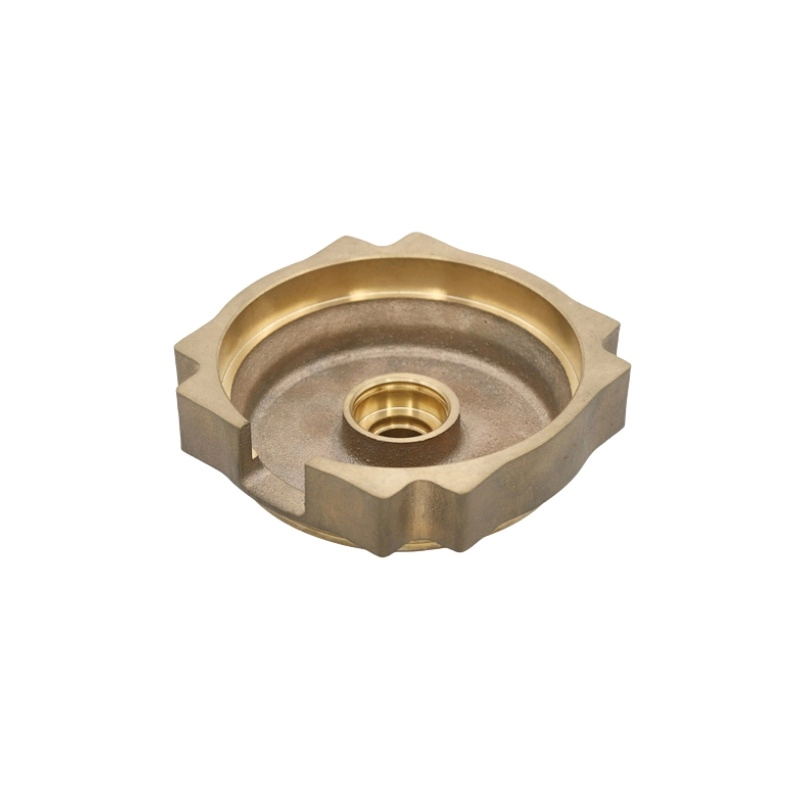
Applications and Uses Brass Applications Decorative Fixtures Musical Instruments Plumbing Fittings Vast Brass Fittings
Brass is a go-to metal when you need something that looks good and works well. Its attractive gold-like colour makes it popular for decorative fixtures like doorknobs, light switches, and drawer handles around homes and offices. Because it’s easy to shape and polish, brass is also a favourite for musical instruments—think trumpets, saxophones, and trombones—that require both durability and a smooth finish.
In the plumbing world, brass is widely used for fittings and valves due to its moderate corrosion resistance and reliable performance with water systems. You’ll find brass in pipes, taps, and connectors where both strength and corrosion control are important. Beyond these, brass’s versatility means it’s used in a vast array of components across industries, making it one of the most common and practical alloys available.
Pros and Cons of Each Metal Copper
Advantages
- Excellent electrical and thermal conductivity, making it ideal for wiring and electronics
- Highly malleable and ductile, so it’s easy to work with and shape
- Naturally recyclable without losing quality, which is great for sustainability
Disadvantages
- Generally more expensive than bronze or brass
- Relatively soft compared to alloys, so it can dent or scratch easily
- Prone to oxidation, which can cause greenish patina or tarnish over time, requiring maintenance for some applications
Pros and Cons of Each Metal Bronze
Advantages
- Durable and strong, making it ideal for heavy-duty uses
- Excellent corrosion resistance, especially in marine environments
- Has a classic, attractive look that ages well with a rich patina
Disadvantages
- More expensive compared to copper and brass
- Less malleable, which can make it harder to shape or work with
- Heavier, which may not be suitable for all projects
Pros and Cons of Each Metal Brass
Advantages
- Attractive appearance with a bright gold-like finish
- Cost-effective compared to bronze and copper
- Easy to machine and shape, ideal for detailed designs
- Good acoustic properties, making it popular in musical instruments
- Resistant to tarnishing and low maintenance for indoor use
Disadvantages
- Less corrosion resistant than bronze, especially in marine or humid environments
- Weaker and softer than bronze, not suitable for heavy-duty applications
- Can suffer from dezincification, which weakens the metal over time
- Not ideal for high-stress or structural uses due to lower strength
Brass is a versatile choice if you want something that looks great, is easy to work with, and fits a moderate budget. Just keep in mind it’s not the best option for outdoor or heavy-duty use where corrosion or strength matters most.
Cost Comparison General Price Trends Factors Affecting Cost Vast Competitive Pricing
When looking at bronze vs copper vs brass, price is a big factor for many buyers in the United Kingdom. Generally, pure copper tends to be the most expensive because it’s a raw metal with strong demand, especially for electrical and plumbing uses. Bronze usually costs more than brass because it contains tin, which adds to the price and manufacturing complexity. Brass is often the most affordable option since zinc is cheaper than tin and copper content is lower.
Several factors influence these costs:
- Raw material prices: Copper prices fluctuate a lot based on global markets, affecting all three metals.
- Alloy composition: More tin in bronze or more copper in brass usually means a higher price.
- Manufacturing process: Some forms, like specialty bronze castings, add to the cost compared to simple copper sheets or brass fittings.
- Supply and demand: In the United Kingdom, strong demand for copper wiring can push prices up, while brass fittings see competitive pricing due to mass production.
Overall, you’ll find a vast range of pricing options for bronze, copper, and brass. For most UK customers, brass offers a budget-friendly choice without sacrificing too much strength, while bronze is better if you need durability and corrosion resistance but can handle a higher cost. Copper is best when conductivity and purity are critical, even if it hits the wallet harder.
How to Choose the Right Metal for Your Project Consider Your Project Needs

Picking between bronze, copper, or brass starts with what your project really needs. Here’s what to think about:
- Electrical ConductivityCopper leads here. It’s the best choice if you need excellent electrical wiring or components because it conducts electricity better than bronze or brass.
- Corrosion ResistanceIf your project faces moisture or outdoor conditions, consider bronze. It handles corrosion, especially in marine environments, much better than brass and copper.
- AestheticsBrass shines with a bright gold-like finish great for decorative pieces and fixtures. Bronze offers a classic, darker look, while copper develops a warm patina over time, giving a rustic appeal.
- CostCopper is generally more expensive due to its purity and demand. Brass is often the cost-effective middle ground, while bronze can be pricier depending on its tin content.
By matching these needs to your project’s demands, you’ll find the metal that fits best in terms of function and budget.
How to Choose the Right Metal for Your Project Environmental Factors Marine or Humid Indoor Decorative Electrical Applications

When picking between bronze, copper, and brass, think about where and how you’ll use the metal. Environmental factors can make a big difference in how well the metal performs over time.
Marine or Humid Environments
If your project will be near saltwater or in a damp place, bronze is usually your best bet. Its corrosion resistance is excellent in marine settings, so it won’t break down or rust easily. Copper also does fairly well outdoors, developing a natural patina that protects it, but it’s not as tough as bronze in salty or wet conditions. Brass is less ideal here because it can suffer from dezincification—a type of corrosion that weakens the metal when exposed to moisture.
Indoor Decorative Uses
For indoor decorative projects, brass shines. It has an attractive gold-like colour and is easy to machine into detailed shapes. Copper can also be a good choice if you prefer its reddish hue and the natural patina it builds over time, which adds character. Bronze offers a classic look, but it’s usually heavier and may be more expensive for decorative pieces.
Electrical Applications
If your project involves electrical wiring or components, copper is the clear winner. It’s a pure metal with excellent electrical conductivity, making it ideal for efficient power transfer. Brass and bronze have lower conductivity due to their alloy components, so they’re usually not used where electric performance is critical.
Keep these environmental factors in mind to pick the metal that suits your project’s conditions and needs best.
How to Choose the Right Metal for Your Project
Budget and Availability Sourcing Quality Vast Supply Chain
When picking between bronze, copper, and brass, your budget and how easy it is to get quality materials really matter. Here’s what I’ve found works best for projects here in the United Kingdom:
- Copper Tends to be more expensive because it’s pure metal and highly sought after, especially for electrical and plumbing jobs. However, it’s widely available thanks to a strong supply chain, so you can usually find reliable sources without much trouble.
- Bronze Is generally more costly than brass but less common than copper. It’s a solid choice if you want durability and corrosion resistance, but sourcing top-quality bronze sometimes requires extra effort, especially for larger or specialised orders.
- Brass Is usually the most budget-friendly option. It’s easy to find in many shapes and sizes thanks to its broad use in decorative and plumbing fittings. The brass supply chain in the United Kingdom is extensive, making it a convenient choice if you’re watching costs.
To keep things smooth, stick with reputable suppliers who guarantee material quality. Availability can shift with market changes, so check local distributors or wholesalers serving businesses in the United Kingdom to get the best deal and ensure your project won’t face delays due to metal shortages.
In short, balance your project budget with the metal’s availability and quality options right here in the United Kingdom. That way, you get the metal that fits your needs without surprises in cost and delivery.
How to Choose the Right Metal for Your Project Practical Decision-Making Checklist
When deciding between bronze, copper, or brass for your project, keep these key factors in mind:
Durability
- Need something tough and long-lasting? Bronze is your best bet, especially for outdoor or heavy-use projects.
- Copper works great if malleability and electrical conductivity matter more than heavy wear.
- Brass offers decent durability but is best for moderate use and decorative items.
Budget
- Copper tends to be pricier due to its pure-metal status and widespread demand.
- Bronze usually costs more because of its alloying process and material strength.
- Brass is often the most budget-friendly, making it a popular choice for cost-sensitive projects.
Aesthetic Preferences
- Copper shows a warm reddish colour that darkens over time with a natural patina.
- Bronze has a classic, brownish-golden tone loved for art and marine fittings.
- Brass shines with a bright, yellow-gold look perfect for decorative fixtures and accents.
By balancing these factors, you can pick the metal that best fits your project’s needs, whether it’s strength, cost, or appearance. Always consider what matters most for your specific use to get the most out of your metal choice.
Comparison Table Bronze vs Copper vs Brass
| Property | Bronze | Copper | Brass |
|---|---|---|---|
| Composition | Copper + Tin (sometimes other elements) | Pure Copper (100%) | Copper + Zinc |
| Density | ~8.8 g/cm³ | ~8.96 g/cm³ | ~8.4 – 8.7 g/cm³ |
| Melting Point | 1645°F – 1830°F (890°C – 1000°C) | 1984°F (1085°C) | 1640°F – 1720°F (890°C – 940°C) |
| Hardness | Harder than copper and brass | Softer, more malleable | Softer than bronze, harder than copper |
| Corrosion Resistance | Excellent, especially in marine environments | Good, develops green patina | Moderate, prone to dezincification in humid conditions |
| Cost | Generally higher due to tin content | Moderate to high, pure metal cost | Usually most cost-effective alloy |
| Common Uses | Marine hardware, sculptures, industrial bearings | Electrical wiring, plumbing, roofing | Decorative fixtures, musical instruments, plumbing fittings |
This table highlights key differences to help you pick the right metal for your needs—from durability and corrosion resistance to cost and typical applications.
Frequently Asked Questions
What is the main difference between bronze and brass
Bronze is an alloy mainly of copper and tin, while brass is copper mixed with zinc. Bronze tends to be harder and more corrosion-resistant, especially in marine environments. Brass is easier to work with and has a brighter, gold-like appearance.
Is copper stronger than brass
Copper is softer and more malleable than brass. Brass usually has better strength and durability because of the zinc content. So, for applications needing more strength, brass is often the better choice.
What is the best metal for outdoor use
Bronze is generally the best option for outdoor use. It resists corrosion well, especially in wet or salty conditions. Copper also performs well outdoors but develops a green patina over time. Brass is less resistant to corrosion outdoors, especially in harsh environments.
Does the quality of bronze copper and brass vary
Yes, the quality depends on the exact composition and manufacturing process. Products from trusted UK suppliers often ensure better quality control, consistent alloy mixes, and reliable performance. Always check certifications and source materials when picking metals for your projects.
 English
  Chinese
  Spanish (Peru)
  German
  Korean
  Spanish (Spain)
  Italian