
Discover the properties and uses of 6061 aluminium alloy 6061 known for strength corrosion resistance and versatility in engineering applications.
The Composition and Chemistry of 6061 Aluminium: Building Blocks of Durability
When you’re choosing 6061 aluminium, understanding its composition is key to appreciating why it’s so durable and versatile. This alloy belongs to the 6000-series aluminium family, known for combining magnesium and silicon as primary alloying elements. These two elements form magnesium silicide, which provides an excellent balance of strength, corrosion resistance, and workability.
Alloying Elements and Their Roles
- Magnesium (Mg): Boosts strength and improves corrosion resistance.
- Silicon (Si): Enhances hardness and helps with heat treatment.
- Iron (Fe): Present in small amounts, mainly as an impurity but can affect machining.
- Copper (Cu): Increases strength but may reduce corrosion resistance slightly.
- Chromium (Cr): Helps prevent corrosion and improves overall toughness.
- Manganese (Mn) and Zinc (Zn): Trace additions for refined grain structure and added strength.
6000-Series Classification and Its Uniqueness
6061 aluminium is part of the heat-treatable 6000-series, which sets it apart from other aluminium grades. This series balances the benefits of both strength and corrosion resistance, making it ideal for a wide range of applications. Unlike the higher-strength but less weldable 7000-series, 6061 is known for excellent weldability and good machinability—features critical for complex manufacturing.
Elemental Breakdown Visual Aid
Here’s a simple breakdown of 6061 aluminium’s typical elemental composition by weight:
| Element | % (Approximate Range) |
|---|---|
| Magnesium (Mg) | 0.8 – 1.2 |
| Silicon (Si) | 0.4 – 0.8 |
| Iron (Fe) | ≤ 0.7 |
| Copper (Cu) | 0.15 – 0.4 |
| Chromium (Cr) | 0.04 – 0.35 |
| Others (Mn, Zn) | ≤ 0.15 |
| Aluminium (Al) | Balance (~97.9%) |
Vast’s Sourcing Standards
At Vast, we know quality starts with material sourcing. Our 6061 aluminium meets strict ASTM B209 and ISO 6361 standards, ensuring purity and consistent chemistry. This commitment guarantees that every batch delivers the reliable performance you expect—whether you’re building aerospace frames, automotive bodies, or marine structures.
With this solid chemical foundation, 6061 aluminium truly earns its reputation as a durable and adaptable material, ready to meet the demands of your projects.
Key Properties and Mechanical Performance: What Makes 6061 Aluminium Excel
6061 aluminium (6061铝) stands out because of its balanced mix of strength, light weight, and durability. Here are the key physical properties and mechanical performance details that make it a trusted choice across industries.
Physical Attributes:
- Density: At about 2.7 g/cm³, 6061 aluminium is light enough to reduce overall weight without sacrificing strength.
- Thermal Conductivity: It offers good heat conduction (~167 W/m·K), making it suitable for heat exchangers and electronic housings.
- Corrosion Resistance: Thanks to magnesium and silicon in the alloy, 6061 aluminium is highly resistant to corrosion, especially in marine and outdoor environments.
Mechanical Strength by Temper
The strength of 6061 aluminium heavily depends on its temper, commonly seen as T6 or T651:
| Temper | Tensile Strength (ksi) | Yield Strength (ksi) | Typical Use Cases |
|---|---|---|---|
| 6061-O | 22 | 12 | Forming, machining |
| 6061-T4 | 35 | 26 | General-purpose fabrication |
| 6061-T6 | 45 | 40 | Structural and aerospace |
| 6061-T651 | 45 | 40 | Aerospace, automotive |
Fatigue Limit and Machinability
- Fatigue strength is sufficiently high for dynamic parts such as aircraft frames and automotive components.
- 6061 aluminium is known for easy machining, enabling faster production without compromising material integrity.
Environmental Effects and Quality Testing by Vast
At Vast, we rigorously test each batch of 6061 aluminium to ensure consistent mechanical performance and corrosion resistance. Our quality checks include stress testing, chemical analysis, and environmental exposure simulations to ensure the material meets ASTM B209 and ISO 6361 standards.
By monitoring these factors, we ensure you receive 6061 aluminium that performs reliably, whatever your project demands.
Heat Treatment and Fabrication Techniques: Maximising 6061’s Versatility
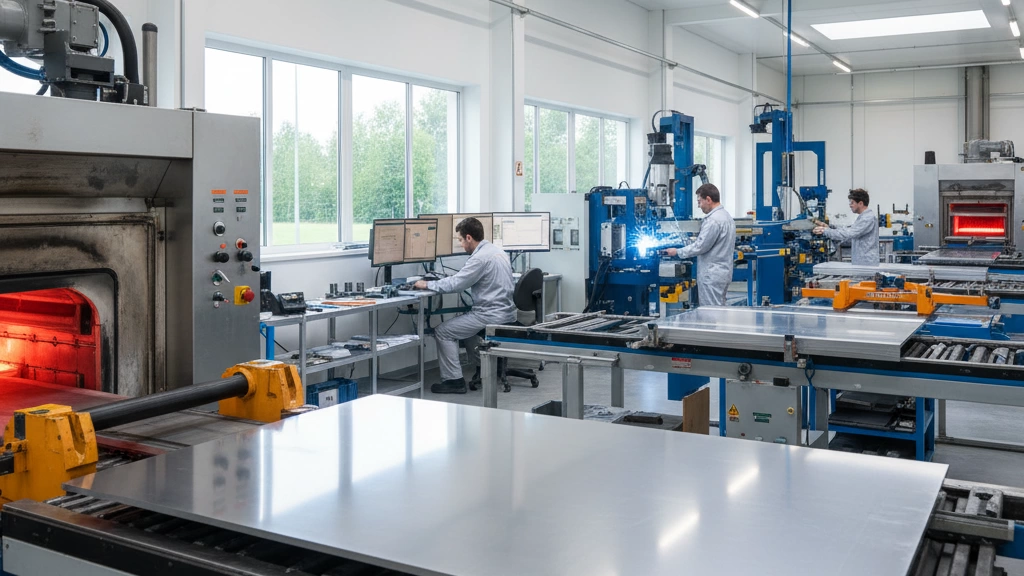
The strength and flexibility of 6061 aluminium derive from its heat treatment and fabrication processes. Understanding these helps you optimise this alloy for your projects.
Tempers and Heat Treatment Steps
6061 aluminium is mainly recognised for its T6 temper. This involves solution heat treatment, quenching, and ageing to enhance strength and hardness. The T6 process improves durability without losing corrosion resistance—ideal for parts requiring toughness and reliability.
Welding and Joining Methods
6061 is weldable, but keep in mind it can lose some strength in the welded area if not treated afterwards. Use TIG or MIG welding for optimal results and avoid overheating to reduce distortion. Post-weld heat treatment can restore strength when necessary.
Forming and Machining Tips
- Forming: 6061 aluminium is moderately formable but works best when annealed (softened). Avoid sharp bends to prevent cracks.
- Machining: It machines well with sharp tools and coolant to prevent work hardening. Watch out for built-up edges—keep the feed rates steady and tool speeds optimal.
Common Pitfalls to Avoid
- Overheating during welding or machining can reduce mechanical properties.
- Ignoring post-fabrication treatments may lead to weaker parts.
- Rushing bending or stamping without annealing risks cracking.
Case Study: Vast’s Automotive Extrusion Project
We recently used 6061 aluminium extrusion for a custom automotive frame. By applying the T6 heat treatment after welding and precision machining components to tight tolerances, the final product was lightweight, strong, and corrosion-resistant — exactly what a high-performance vehicle demands. This project highlights how careful heat treatment and fabrication deliver top results with 6061 aluminium.
With proper handling, 6061 aluminium can be shaped, joined, and finished to meet the toughest demands—making it a go-to alloy in many industries here in the United Kingdom.
Applications Across Industries: Where 6061 Aluminium Drives Innovation
6061 aluminium is a go-to metal across many industries thanks to its strong yet lightweight nature and excellent corrosion resistance. Here’s where it really shines:
Aerospace and Defence Structures
6061 is widely used in aerospace for frames, panels, and structural parts. Its strength-to-weight ratio helps reduce aircraft weight without sacrificing durability. Defence sectors rely on it for reliable, corrosion-resistant parts that perform in tough conditions.
Automotive and Transportation Uses
Car makers and transportation equipment manufacturers favour 6061 for chassis, frames, and components. It improves fuel efficiency by cutting weight while maintaining safety standards. Its good machinability supports complex designs, speeding up production.
Marine and Structural Advantages
Because 6061 aluminium resists corrosion from saltwater, it’s ideal for boat hulls and marine fittings. Builders also use it in bridges and infrastructure where long-lasting strength and weather resistance are critical.
Consumer Electronics and Renewable Energy
6061’s thermal conductivity and structural integrity make it perfect for electronic housings, heat sinks, and solar panel frames. It helps keep gadgets cool and supports green energy solutions with durable, lightweight parts.
International Supply Chains and Bilingual Sourcing
For businesses sourcing 6061 aluminium (6061铝) globally, Vast offers bilingual support and reliable shipments. Their adherence to international standards and seamless supply lines ensure you get high-quality aluminium when and where you need it.
In short, 6061 aluminium’s versatility drives innovation across markets—from the skies and roads to the seas and energy fields—making it a smart, trusted choice for British manufacturers.
6061 Aluminium vs. Competitors: Informed Decision-Making for Your Projects
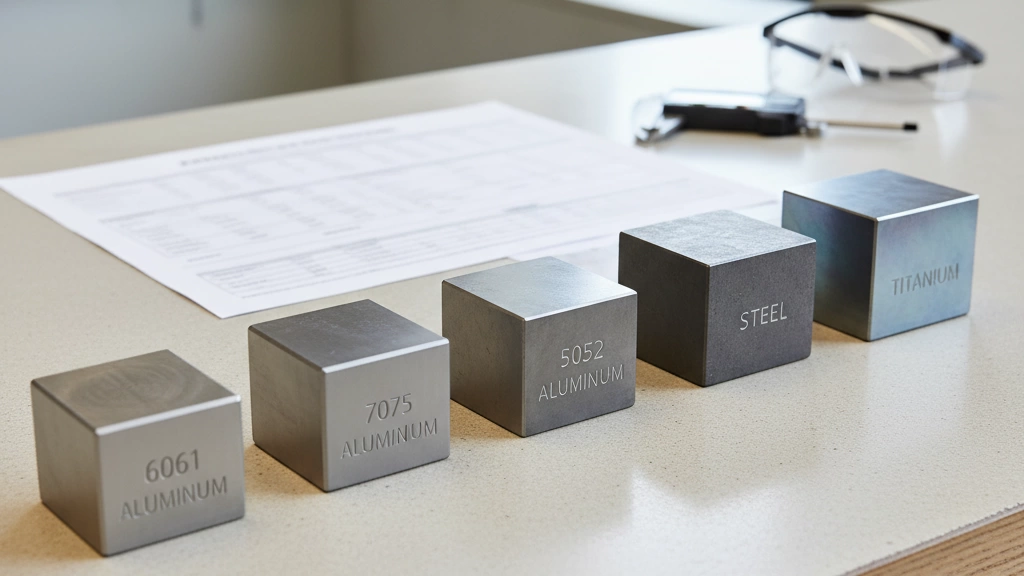
Choosing the right material matters. Here’s how 6061 aluminium compares to popular alternatives like 7075, 5052, steel, and titanium to help you select the best fit for your needs.
Quick Comparison Table
| Material | Tensile Strength (psi) | Cost (per kg) | Key Uses | Notes |
|---|---|---|---|---|
| 6061 Aluminium | 40,000 – 45,000 | $2.00 – $2.50 | Automotive, aerospace, marine | Good weldability, corrosion resistant |
| 7075 Aluminium | 73,000 – 83,000 | $3.00 – $3.50 | Aerospace, military, high strength needs | Stronger but less corrosion resistant |
| 5052 Aluminium | 28,000 – 34,000 | $1.80 – $2.20 | Marine, roofing, flexible parts | Excellent corrosion resistance, non-heat treatable |
| Steel (Carbon) | 60,000 – 90,000 | $0.50 – $1.00 | Construction, heavy machinery | Much heavier, stronger, less corrosion resistant |
| Titanium | 90,000 – 100,000 | $10.00+ | Aerospace, medical implants | Very strong, lightweight but costly |
When to Choose 6061 Aluminium?
- You need a balance of strength and corrosion resistance.
- Projects require good weldability and ease of machining.
- Cost efficiency matters without sacrificing performance.
- You want a versatile metal for automotive, marine, or structural work.
Simple Selection Flowchart for Your Project
- Need very high strength?
- Yes → Check 7075 or Titanium
- No → Go to 2 - Require excellent corrosion resistance in harsh environments?
- Yes → 5052 or 6061 aluminium
- No → Go to 3 - Cost-sensitive and moderate strength needed?
- Yes → 6061 aluminium or Steel
- No → Titanium or specialty alloys
In short, 6061 aluminium (6061 aluminium) offers a great middle ground—strong, corrosion resistant, easy to work with, and budget-friendly—making it a popular choice across industries from automotive to aerospace. Contact us if you want help sourcing or comparing 6061 for your specific project.
Sourcing, Standards, and Best Practices: Partnering with Vast for Premium 6061 Aluminium
When it comes to sourcing 6061 aluminium (6061铝), quality and reliability matter most. Vast ensures all products meet strict standards like ASTM B209, AMS 4026, and ISO 6361. These certifications guarantee you’re getting material that performs consistently across different applications.
We offer a wide range of shapes—from sheets and plates to extrusions and bars—with flexible lead times to keep your projects on track. Pricing is competitive and transparent, tailored to the needs of UK-based customers who demand both value and performance.
Sustainability is a key focus. 6061 aluminium is highly recyclable, reducing environmental impact without sacrificing durability or strength. Vast prioritises eco-friendly practices in its supply chain to support greener manufacturing.
Our customer support goes beyond just orders. We provide expert advice, technical guidance, and responsive service to help you make the most of 6061 aluminium’s potential. Partnering with Vast means reliable, high-quality material delivered with trusted support every step of the way.
 English
  Chinese
  Spanish (Peru)
  German
  Korean
  Spanish (Spain)
  Italian