
Discover how black anodize enhances aluminum durability corrosion resistance and style for industrial and DIY projects with expert insights.
The Fundamentals: What Is Black Anodizing and How Does It Work?
Black anodizing is an electrochemical process that transforms the surface of aluminum into a tough, corrosion-resistant oxide layer. This layer is then dyed black and sealed to create a durable, matte finish ideal for both protection and aesthetics.
Core Process Overview
- Pre-treatment: The aluminum is cleaned and etched to remove contaminants and create a uniform surface for better adhesion.
- Anodization: The part is immersed in an acid bath—commonly sulfuric, chromic, or phosphoric acid—while an electric current passes through, converting the aluminum surface into a porous oxide layer.
- Dyeing: The porous oxide is soaked in black dyes (organic or inorganic), which penetrate the layer, giving it a deep, light-absorbent black color.
- Sealing: Finally, the anodized and dyed layer is sealed (often with hot water or steam) to trap the dye and enhance corrosion resistance.
Types of Black Anodizing
| Type | Acid Bath | Layer Thickness | Dye Compatibility | Best Use Case |
|---|---|---|---|---|
| Type I | Chromic Acid | Thin (~0.0001″) | Poor | Thin coatings, aerospace parts |
| Type II | Sulfuric Acid | Standard (~0.0002″) | Excellent | General-purpose, aesthetics |
| Type III | Hardcoat (Sulfuric, cooler bath) | Thick (~0.0007″+) | Good | High-wear, industrial & defense |
Material Compatibility
- Best suited for aluminum alloys in the 5xxx, 6xxx, and 7xxx series.
- Can be adapted for some magnesium and titanium parts, though process and results may vary.
Black anodizing combines protective durability with a striking black finish, making it a popular choice where performance and appearance matter.
Key Benefits: Why Choose Black Anodizing Over Other Finishes?
Black anodizing stands out for its tough, long-lasting protection and clean, professional look. Here’s why it’s a smart pick compared to other finishes:
Durability and Protection
- Up to 2000 hours salt spray resistance—great for tough coastal or humid climates in the US.
- The oxide layer bonds with the metal, so it won’t chip or flake like paint or powder coating.
Corrosion and Wear Resistance
- Shields aluminum from rust and corrosion in harsh environments.
- Handles abrasion well, perfect for parts with heavy use, like machinery fittings or vehicle components.
Aesthetic & Functional Perks
- Matte black finish cuts down glare, ideal for optics or screens.
- Porous oxide layer helps with heat dissipation, keeping components cooler.
Electrical Insulation
- Sealed anodized layers are non-conductive—essential for electronics and sensitive devices.
Cost-Efficiency and Eco-Friendly
- Lower tooling costs than powder coating or painting.
- Uses RoHS-compliant dyes, meaning no toxic waste and safer for the environment.
Quick Comparison: Black Anodizing vs. Other Black Finishes
| Finish Type | Thickness | Durability | Cost per Sq Ft | Ideal Applications |
|---|---|---|---|---|
| Black Anodizing | 0.0001″ to 0.002″+ | High (2000+ hours salt spray) | $50–$200 | Aerospace, electronics, outdoors |
| Black Oxide | Ultra-thin (microns) | Moderate | $20–$50 | Tools, fasteners |
| Powder Coating | 0.003″–0.015″ | High but can chip | $80–$150 | Automotive, industrial |
| Painting | 0.001″–0.005″ | Moderate, flakes over time | $30–$100 | Consumer goods, decor |
Pro Tip for US Outdoor Use
Choose Type III hardcoat anodizing, aiming for at least 0.0007″ thickness—this helps prevent UV fading and maximizes longevity under sun exposure.
Applications: Where Black Anodizing Shines in Real-World Projects
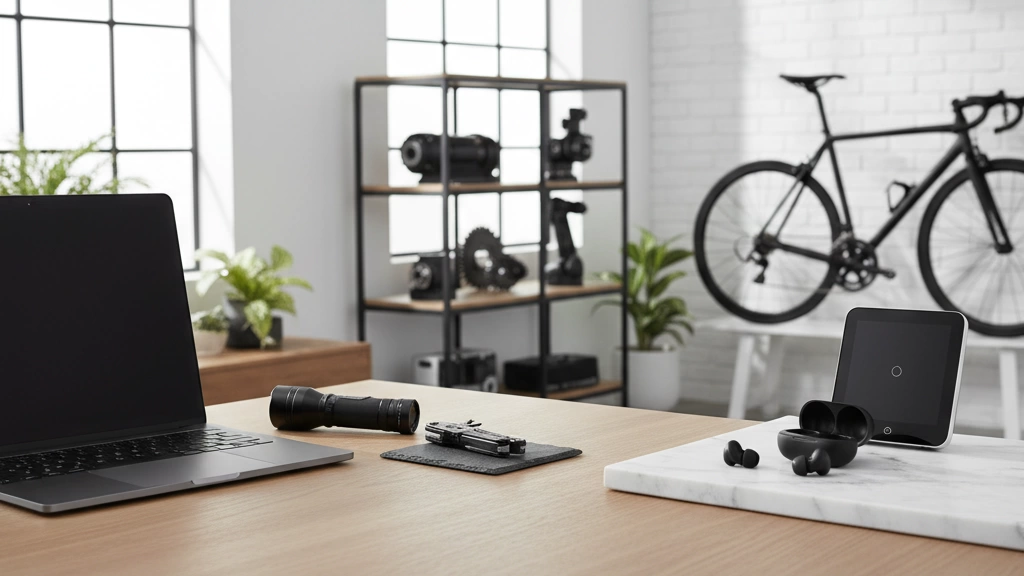
Black anodizing is a go-to finish across many industries here in the US because of its durability, corrosion resistance, and sleek look. Here’s where it really stands out:
Industrial usesAerospace: Lightweight aluminum parts that meet MIL-A-8625 specs, offering excellent heat dissipation and wear resistance for aircraft components.
Automotive: Engine parts benefit from the protective black anodized layer, helping improve fuel efficiency and extending part life.
Defense: Rugged housings and gear need tough wear resistance — black anodize is up to the task.Consumer and tech sectorsElectronics enclosures: Think black anodized smartphone frames and laptop chassis that are both stylish and protective.
Medical devices: Non-porous sealed surfaces help maintain sterile environments and improve device longevity.DIY and prototypingCustom bike frames, RC drone parts, and hobby projects enjoy affordable black anodize kits available to US hobbyists, delivering professional-looking finishes without breaking the bank.Case study
A California-based EV startup used vast’s black anodizing on their battery casings. The finish cut the weight by 15%, helped resist corrosion, and boosted overall product durability — a win for both performance and longevity.
Black anodizing fits many uses, making it a versatile choice for professional and hobbyist projects across the US.
DIY vs. Professional: A Practical Guide to Getting Started with Black Anodize
If you’re thinking about black anodizing your aluminum parts, you’ve got two main paths: DIY or professional. Here’s a quick breakdown to help you decide.
DIY Basics
- Safety first: Always wear gloves and work in a well-ventilated space to handle acids safely.
- Tools needed: A power supply, acid baths (commonly sulfuric acid), and black dye like Black E-CRO.
- Process overview: For small parts, expect about 90 minutes of anodizing at roughly 4.5 amps per square foot.
Pros of DIY
- Saves money—DIY anodizing can run between $50 and $200 per square foot, which is cheaper than many professional quotes.
- Allows customization, especially great if you’re prototyping or making one-offs.
Cons of DIY
- Color matching can be tricky, and results might not always hit exact Pantone black shades.
- Handling acids and electrical gear carries risks if you’re not experienced.
When to Choose Professional Black Anodize
- If your parts have complex shapes or you need consistent, high-volume runs.
- For parts requiring MIL-A-8625 compliance or other strict industry specs.
- Vast offers fast US-based turnaround, typically 1 to 6 weeks depending on order size and complexity.
Troubleshooting Tips
- Dye fading? Try extending the sealing time to lock in color.
- Uneven black shade? Ensure your anodizing and dye batches match to avoid color inconsistency.
For extra help, grab Vast’s free anodizing checklist to avoid common pitfalls and streamline your process.
Costs, Maintenance, and Best Practices for Longevity of Black Anodize
Pricing breakdown: Expect to pay between $50 and $200 per square foot for black anodizing. Prices vary depending on the anodize type (Type II vs. Type III), part size, and any extras like pre-sandblasting, which can add around 20%. If you’re ordering from U.S. vendors, keep in mind many have minimum lot sizes that may affect your overall cost.
Maintenance tips:
- Clean with mild soap and a soft abrasive sponge or cloth.
- Avoid harsh acids, solvents, or abrasive cleaners that can wear down the anodize layer.
- Always test cleaning products on a small, hidden spot to ensure they don’t damage the finish.
Sustainability: Many U.S. anodizing shops, including vast, use water-efficient systems that recycle rinse water and meet EPA standards. This keeps environmental impact low without compromising quality.
Pro tip: For applications needing superior heat dissipation or high-emissivity (think aerospace or electronics), consider adding specialty top coatings. Vast offers proprietary black coatings that boost thermal performance while maintaining durability.
 English
  Spanish (Peru)
  German
  Korean
  Spanish (Spain)
  Italian