
Discover durable black anodized aluminum with superior corrosion resistance and sleek finish perfect for aerospace architectural and DIY projects.
The Science Behind Black Anodizing
Anodizing is an electrochemical process that transforms the surface of aluminum into a durable, corrosion-resistant oxide layer. This layer is not only harder than the base metal but also porous, which allows it to absorb dyes—giving anodized aluminum its vibrant colors. When it comes to black anodized aluminum, the process involves a special step where aluminum oxide is infused with a black dye, resulting in a deep, uniform black finish.
Here’s how it works:
- Cleaning and Preparation: The aluminum surface is thoroughly cleaned to remove oils and impurities.
- Electrochemical Anodizing: The aluminum is submerged in an acid electrolyte bath (commonly sulfuric acid). An electric current passes through, converting the surface into aluminum oxide.
- Black Dyeing: While the oxide layer is still porous, it’s immersed in a black dye bath. The porous structure soaks up the dye evenly.
- Sealing: Finally, the pores are sealed with hot water or steam, locking in the black coloration and enhancing corrosion resistance.
This process is typically a form of Type II anodizing aluminum, which creates a thinner, decorative, but still protective oxide layer. For applications that demand more ruggedness, hardcoat black anodize or Type III anodizing offers thicker, tougher coatings using a similar black dyeing approach.
Overall, black anodizing chemically bonds the color to the aluminum, producing a long-lasting, wear-resistant finish that’s both functional and visually striking.
Top Benefits of Black Anodized Aluminum

Black anodized aluminum offers a range of practical advantages that make it a smart choice for many U.S. industries. Here’s a quick look:
| Benefit | Details |
|---|---|
| Corrosion Resistance | The anodized layer protects aluminum from rust and weather damage, ideal for outdoor use. |
| Wear & Hardness | Hardcoat black anodize boosts surface durability, reducing scratches and wear over time. |
| Thermal & Optical Properties | The black anodizing process improves heat absorption and provides a sleek, matte finish that reduces glare. |
| Aesthetic Appeal | Offers a rich, uniform black color that looks modern and professional. |
| Environmental Advantages | An eco-friendly finish that’s non-toxic and durable, helping reduce waste from frequent replacements. |
This corrosion-resistant aluminum finish especially stands out in demanding environments, making it a favorite across aerospace, automotive, and architectural projects in the U.S.
Ideal Applications of Black Anodized Aluminum
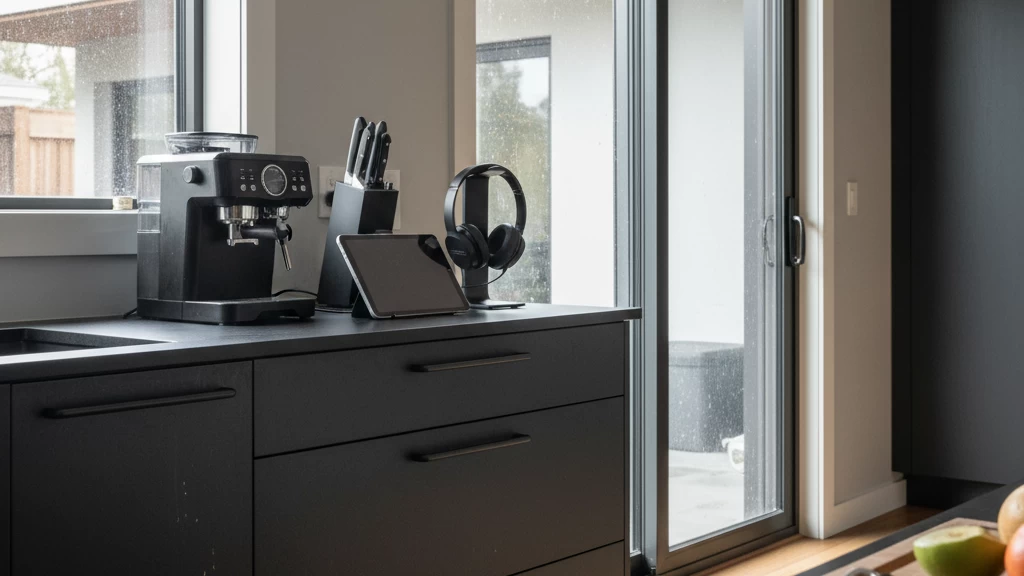
Black anodized aluminum is a go-to choice across many industries because of its durability and sleek look. Here’s where it really shines:
- Aerospace: It’s widely used in aerospace anodized components thanks to its corrosion-resistant aluminum finish and extra wear protection. The thermal emissivity black coating helps manage heat in critical parts.
- Architectural: Think of architectural black aluminum trim on windows, doors, and exterior panels. It adds style while standing up to weather and UV exposure.
- Consumer/Automotive: From laptop cases to car parts, black anodizing not only looks great but protects against scratches and wear. It’s common in high-traffic areas that need a durable finish.
- Industrial: Heavy machinery and tools benefit from hardcoat black anodize for longer life and better resistance to harsh environments.
- Emerging Trends: Black anodized sheets suppliers are seeing more demand in electronics and sustainable building materials, as this finish enhances both function and form.
Case Study: A U.S. aerospace manufacturer switched to Type II anodizing aluminum with a black dye layer to improve part lifespan by 30%, cutting maintenance costs and downtime.
In short, black anodized aluminum blends toughness with a clean, modern look, making it a top pick for lots of uses in the U.S. market.
Choosing the Right Black Anodized Aluminum
Picking the right black anodized aluminum starts with alloy selection. Commonly, 5000 and 6000 series aluminum are preferred due to their strength and corrosion resistance — perfect for durable black anodizing. The alloy affects how well the anodized layer bonds and its overall performance.
Next, consider anodizing thickness. Type II anodizing (standard) offers a thinner, decorative black anodized finish, while hardcoat black anodize (Type III) provides a thicker, tougher surface ideal for heavy wear and industrial use. Your choice depends on whether you need mainly looks, added durability, or both.
Finish options range from matte to glossy black anodized sheets, letting you match aesthetic or functional needs. High-quality finishes come from suppliers meeting strict standards like MIL-A-8625 or ISO certifications, ensuring a consistent, corrosion-resistant aluminum finish.
When sourcing, look for trusted black anodized sheets suppliers who offer reliable testing and customization to fit your project. Vast’s offerings include a solid variety of alloys, thicknesses, and finishes tailored for U.S. industries — all backed by quality control and fast delivery, making it easier to get exactly what you need.
DIY vs. Professional Anodizing of Black Aluminum
When it comes to black anodized aluminum, you might wonder if you can do it yourself or if you should leave it to the pros. Here’s a quick rundown:
DIY Basics
- You can buy DIY aluminum blackening kits online that let you anodize small parts at home.
- These kits usually involve cleaning, anodizing in an acid bath, then using a black dye (like aluminum oxide black dye).
- It’s great for small projects or prototypes.
DIY Limitations
- DIY setups often don’t achieve the same corrosion-resistant aluminum finish or hardness as professional Type II anodizing or hardcoat black anodize.
- It’s tricky to control thickness and uniformity, which means less durability and a lower-quality look.
- Safety risks: working with acids and electric currents requires proper gear and setup.
Professional Black Anodizing Tips
- Pros use precise tanks and chemicals to ensure consistent coating thickness and finish—the key for aerospace anodized components or architectural black aluminum trim.
- They can meet strict quality standards with greater thermal emissivity and wear resistance.
- Professional suppliers like Vast offer various finishes tailored to your application, including thicker layers for industrial use.
FAQs
- Can I anodize large sheets at home? Not really, pro shops handle large black anodized sheets suppliers for better consistency.
- Is professional anodizing expensive? It’s more upfront but saves time and ensures durability—worth it for critical uses.
- How long does professional anodizing take? Usually a few days, depending on the order size and finish.
Bottom line: For casual or experimental needs, DIY kits can work. But if you need durable, consistent, and high-quality black anodized aluminum for aerospace, automotive, or architectural projects, professional anodizing is the way to go.
Maintenance and Longevity of Black Anodized Aluminum
Keeping your black anodized aluminum looking great and lasting long is easier than you might think. With simple daily care, this corrosion-resistant aluminum finish stays tough and stunning for years.
Daily Care Tips
- Clean regularly: Use mild soap and water with a soft cloth or sponge. Avoid abrasive cleaners that can damage the black anodize.
- Rinse and dry: After washing, rinse off any residue and dry with a clean towel to prevent water spots.
- Avoid harsh chemicals: Stay away from bleach, acids, and strong alkalis that can eat into the anodized surface.
- Protect from scratches: Handle with care to prevent scrapes and gouges, which are harder to repair on hardcoat black anodize.
Lifespan Expectations
Black anodized aluminum typically lasts anywhere from 10 to 30+ years depending on usage and environment. The type II anodizing aluminum process forms a durable aluminum oxide black dye layer that resists wear and corrosion, especially outdoors and in harsh conditions.
Troubleshooting Common Issues
- Fading or discoloration: Usually caused by UV exposure or abrasive cleaning. Consider professional refinishing if color fades.
- Surface scratches: Minor marks can sometimes be buffed out; deep ones may need re-anodizing.
- Stains or spots: Clean gently with a non-abrasive cleaner or specialist anodized aluminum cleaner.
Sustainability Benefits
Black anodized aluminum is eco-friendly because it’s lightweight, extends product life, and is fully recyclable. Using it means less waste and a more sustainable choice for your projects or products.
By keeping up with these simple maintenance tips, you can ensure your black anodized aluminum remains durable, attractive, and reliable for years to come.
 English
  Spanish (Peru)
  German
  Korean
  Spanish (Spain)
  Italian