
Discover the different types of taps for threading and plumbing with expert tips on selection, uses, and avoiding common mistakes.
If you’ve ever started a threading project only to snap a tap or end up with messy threads, you know how crucial it is to pick the right tool. When we talk about different types of taps, we’re mostly diving into the world of thread taps—those essential tools that cut internal threads in metal, wood, or plastic. Whether you’re a beginner hobbyist or a seasoned machinist, understanding how to choose between a taper, plug, or spiral flute tap can save you time, frustration, and money. And while “taps” can also mean plumbing faucets, this guide focuses on helping you master the right thread taps for smooth, professional results. Ready to get your projects threading perfectly? Let’s jump in!
Understanding Thread Taps The Basics
Thread taps are essential tools used to cut internal threads inside holes, allowing bolts or screws to fasten securely. At their core, thread taps consist of three key components: the shank, which is held by a tap wrench or machine; the threaded cutting portion, which actually forms the internal threads; and the flutes, which provide cutting edges and channels for chip removal.
Variety in thread taps is important because different projects and materials require specific tap designs for the best results. Using the right tap ensures clean threads, reduces tool wear, and prevents damage to your workpiece. Whether you’re working with metals, plastics, or creating blind holes, choosing the correct tap design—like spiral flute or bottoming taps—makes a significant difference in performance and durability.
Understanding these basics helps you select the best tap for your threading tasks and improves both the quality and efficiency of your work.
The Main Types of Thread Taps and Their Applications
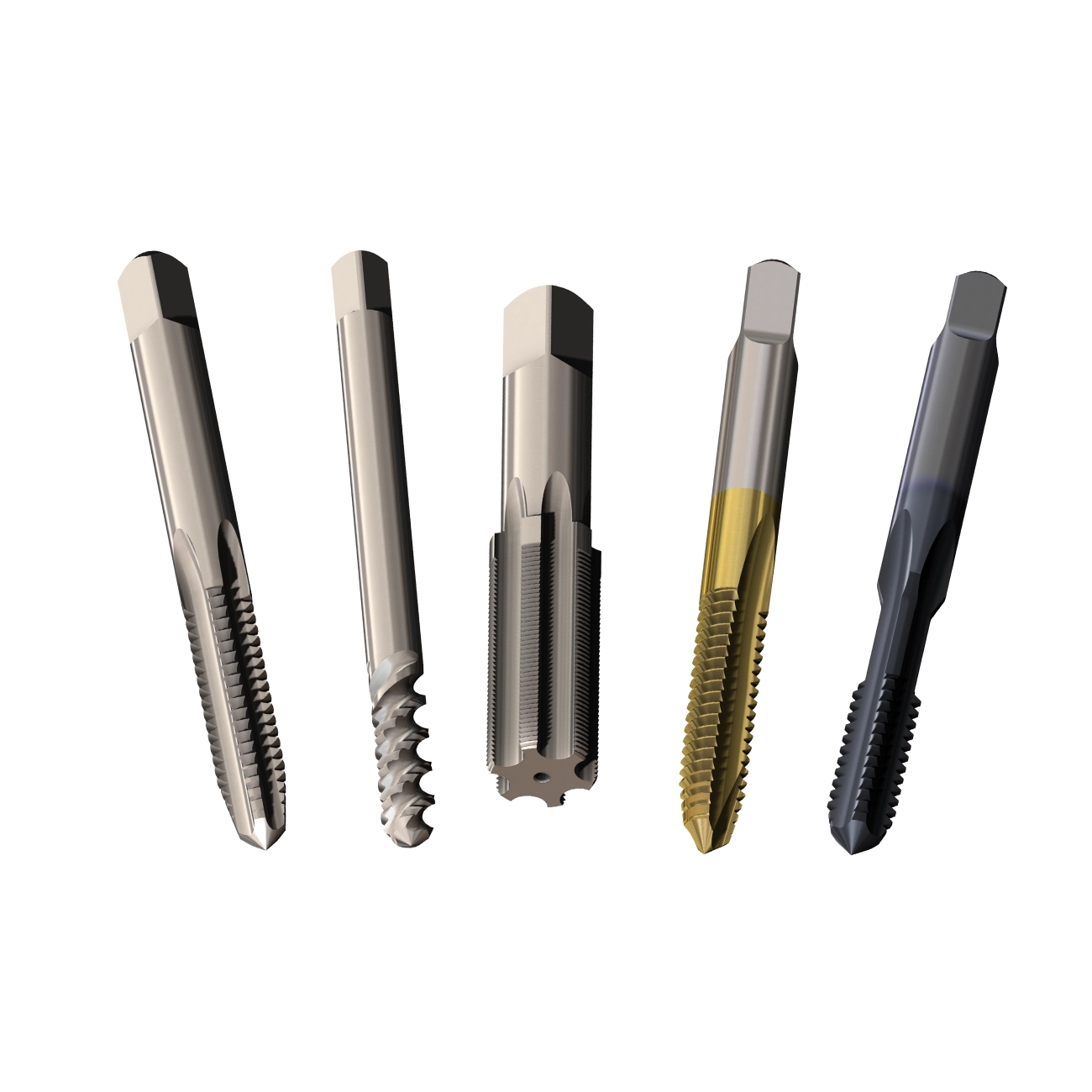
When it comes to different types of taps, understanding their design helps you pick the right one for the job.
By Chamfer Style (Starting Taper)
Chamfer style refers to the taper at the beginning of the tap’s threads. Here are the main types:
- Taper Tap: Has a long, gentle tapered section—great for starting threads on through holes or soft materials. It makes threading easier but takes more room.
- Plug Tap: Features a shorter taper than the taper tap, good for general use and threading halfway through a hole.
- Bottoming Tap: Has almost no taper, ideal for threading to the bottom of blind holes where you can’t go deeper.
Choosing the right chamfer style depends on where you need to start and how deep the threads must go.
By Flute Point Design (Chip Management)
The flute design affects how chips (metal shavings) move when cutting threads:
- Straight Flute Taps: Basic and common. Best for through holes where chips can evacuate easily.
- Spiral Point Taps: Push chips forward when threading, great for through holes and high-speed jobs.
- Spiral Flute Taps: Pull chips out of the hole, perfect for blind holes where chip removal is tricky.
Good chip management prevents jams and tap breakage, especially in tougher projects.
Specialized Taps for Niche Needs
Some taps are built for specific uses or materials:
- Form Taps: Don’t cut threads but form them by displacing material. Best for softer metals like aluminum and produce stronger threads without chips.
- Pipe Taps: Designed for cutting threads in pipe fittings, following specific standards (NPT, BSP).
- HSS and Cobalt Taps: Material options matter too—cobalt taps handle harder metals and last longer, while high-speed steel (HSS) taps are great for general-purpose threading.
Knowing these types helps you match the tap to your project’s needs, whether you’re making blind holes, working with aluminum, or threading pipes.
Material Considerations Choosing Taps for Your Project
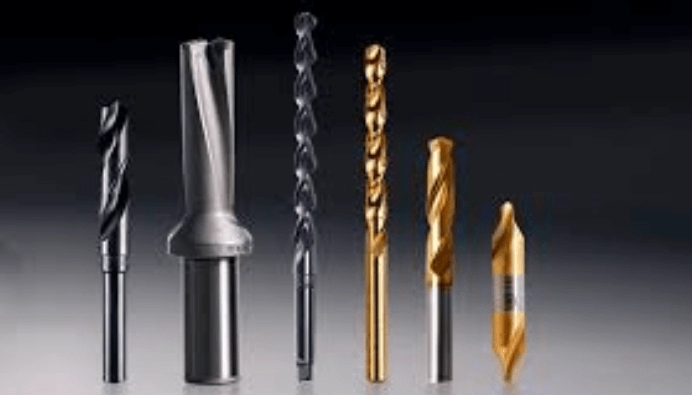
Picking the right material for your thread taps makes a big difference in performance and durability. Here’s what you need to know:
High-Speed Steel (HSS) taps are the most common. They work great for general use and cut through materials like mild steel, plastic, and wood efficiently. They’re affordable and reliable for most DIY and light industrial projects.
If you’re working with tougher materials like stainless steel or high-strength alloys, cobalt taps are your go-to. They last longer and handle heat better, making them ideal for hard metals. Expect to pay a bit more, but the longer lifespan is worth it.
Carbide taps are specialized and best for heavy-duty jobs or large production runs. They’re super hard and resist wear, but they’re more brittle, so they need careful handling.
For softer materials like aluminum or brass, consider form taps. Instead of cutting, these taps form threads by displacing the material. This reduces chip formation and leaves smoother threads, especially useful for fragile metals.
When choosing taps, also think about coating options like titanium nitride, which can increase wear resistance and reduce friction. In the US market, tapping tools with these coatings are popular for extended tool life and reduced downtime.
Lastly, match your tap with the right tap drill size for the material you’re working with. Using the correct drill size ensures threads are clean and strong, avoiding damage or weak fittings.
In short, your tap material should reflect your project needs, balancing cost, durability, and the material you’re threading. This helps you get clean threads every time without wasting money or time.
A Quick Guide to Plumbing Taps Faucets Dont Get Confused
When it comes to plumbing, the word “tap” often brings faucets to mind, but plumbing taps and thread taps are very different tools. Plumbing taps, or faucets, control water flow in your home’s pipes. Thread taps, on the other hand, are used to cut or form screw threads inside holes—completely separate from plumbing.
Here’s what you need to know to avoid confusion:
- Plumbing taps (faucets) are fixtures you turn on and off to access water. They come in styles like compression, ball, cartridge, and ceramic disc faucets.
- Thread taps cut internal threads into metal or plastic parts for bolts or screws. These include types like taper, plug, and bottoming taps.
- The key is where you find each tap: plumbing taps are part of your home’s water system, while thread taps belong in your toolbox or workshop.
If you’re working on pipe fittings, know that the thread taps help create the threaded holes where plumbing parts screw in. But the actual water control comes from your plumbing tap (faucet).
Keeping these differences clear will save time and prevent ordering the wrong tools, especially if you’re handling DIY plumbing or machine work. For more on thread taps and their types, check out our detailed guide on different types of taps and how to choose the right one for your project.
How to Use Thread Taps Like a Pro Step-by-Step Tips
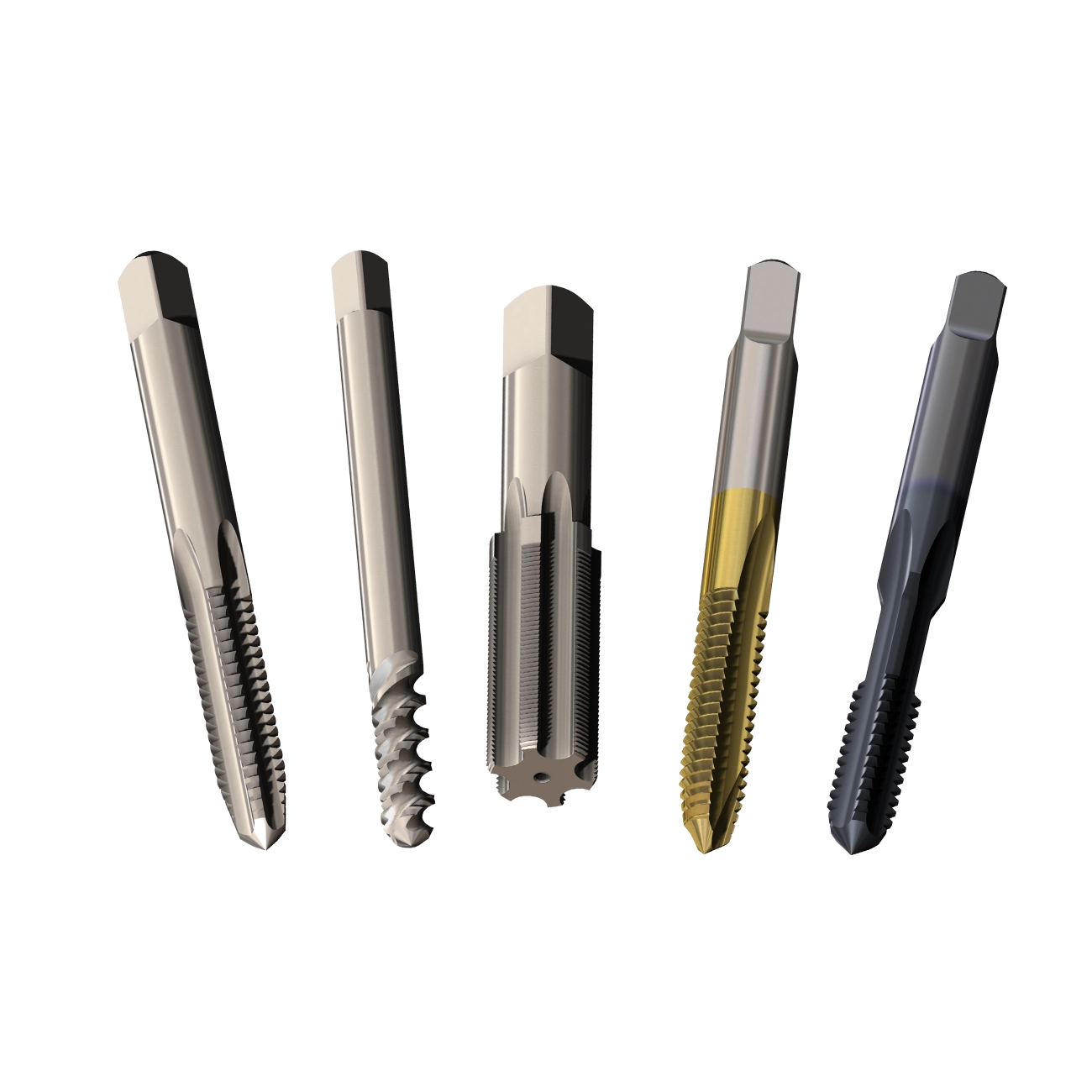
Using thread taps doesn’t have to be tricky. Follow these simple steps to get clean, precise threads every time.
1. Choose the Right Tap and Drill Bit
- Match your tap to the material and hole size using a tap drill size chart.
- Remember, the right tap type (like spiral flute for blind holes or bottoming taps for deep threads) matters.
2. Secure Your Workpiece
- Clamp your work firmly to avoid movement during tapping.
- A stable setup prevents mistakes and broken taps.
3. Drill the Hole Properly
- Drill to the recommended size for the tap.
- Keep the hole straight and clean out any chips before tapping.
4. Apply Cutting Fluid
- Use oil or cutting fluid to reduce friction and heat.
- This makes tapping smoother and extends the tap’s life.
5. Start Tapping Carefully
- Insert the tap straight into the hole.
- Turn it slowly clockwise to cut threads.
6. Clear Chips Often
- Every few turns, back the tap out slightly to break and clear chips.
- This avoids jamming and tap breakage.
7. Finish with Precision
- When you reach full depth, carefully back the tap out.
- Clean the newly cut threads to remove any debris.
Extra Tips
- Use HSS or cobalt taps for tougher materials in the US market.
- For blind holes, spiral point taps help push chips out better.
- Don’t force the tap if it feels stuck; back off, clear chips, and restart.
Following these steps will have you tapping like a pro without frustration or tool damage. Practice makes perfect, so take your time and stay patient.
FAQs Answering Your Top Questions on Types of Taps
What are the main types of thread taps?
The main types include taper taps, plug taps, and bottoming taps. Taper taps have a gradual chamfer and are great for starting threads. Plug taps have a medium chamfer and are versatile for many jobs. Bottoming taps have almost no chamfer, perfect for threading all the way to the bottom of blind holes.
What’s the difference between spiral flute taps and straight flute taps?
Spiral flute taps help lift chips out of the hole, making them ideal for blind holes or softer metals. Straight flute taps push chips down or to the side and work well for through holes and harder materials.
Can I use form taps for aluminum?
Yes, form taps are excellent for aluminum and other soft metals. Instead of cutting threads, they form them, producing smooth, strong threads without chip formation.
What materials are best for taps?
High-speed steel (HSS) taps are common and good for general use. Cobalt taps last longer and work better on harder materials or tough jobs. There are also carbide taps for heavy-duty machining but usually not for DIY projects.
How do I pick the right tap drill size?
You’ll want to check a tap drill size chart to match the tap size and thread pitch. Picking the right drill size is key to making clean, reliable threads.
What’s a bottoming tap used for?
Bottoming taps are made for threading the bottom of blind holes where you don’t have room for a tapered chamfer. They finish the thread all the way to the hole’s bottom.
Can I use plumbing taps and thread taps interchangeably?
No. Plumbing taps (faucets) are for controlling water flow, while thread taps are cutting tools for making screw threads. Don’t confuse them—even though they share the name “tap,” they serve very different purposes.
Any tips for using thread taps like a pro?
- Always start with the right tap for your hole type (through or blind).
- Use cutting fluid to reduce wear and heat.
- Turn the tap slowly and back off regularly to clear chips.
- Don’t force it—listen to the tool and feel for resistance.
- Use a tap wrench for better control.
If you keep these basics in mind, you’ll get clean threads every time with the right type of tap.
 English
  Spanish (Peru)
  German
  Korean
  Spanish (Spain)
  Italian