
Learn how to tell the difference between brass and copper with easy visual and hands-on tests for accurate metal identification at home.
Sorting through piles of metal and wondering how do you tell the difference between brass and copper? You’re not alone. Mixing these two can cost you money at the scrap yard or throw off your DIY project completely. The truth is, brass and copper look similar but have key differences that anyone can spot—with the right know-how. In this quick guide, you’ll discover simple, reliable ways to identify these metals at home—no fancy tools needed. Ready to sharpen your metal ID skills and avoid costly mistakes? Let’s get started!
Quick Visual Guide Color and Appearance Differences
Telling brass and copper apart starts with a simple look. Both metals have warm tones but differ in shade and shine.
| Feature | Brass | Copper |
|---|---|---|
| Color | Bright yellow-gold | Reddish-orange to brown |
| Shine | Often shiny and reflective | Duller, with a natural matte look |
| Patina Over Time | Turns greenish or dull brown | Develops a green or bluish patina called verdigris |
| Common Variations | Yellow brass, red brass (more copper) | Rich deep red to bright orange |
If you see a bright golden tint, you’re likely looking at brass. Copper leans more toward a rich red-orange, especially when new. Over time, copper’s surface changes more noticeably, which is a handy clue. Next, we’ll explore simple tests you can try at home to be sure—no guesswork needed!
Hands-On Tests Proven Ways to Differentiate Brass and Copper at Home
The Scratch Test for Hardness
One simple way to tell the difference between brass and copper is the scratch test. Brass is an alloy made mostly of copper and zinc, so it’s generally harder than pure copper. Here’s how to check:
| Step | What to Do | What to Expect |
|---|---|---|
| Pick a sharp object | Use a nail, coin, or knife | |
| Find a hidden spot | Test on an area not easily seen | |
| Scratch the surface | Apply firm pressure and drag the object | |
| Observe the surface | Check for color and depth of the scratch |
What you’ll notice:
- Copper scratches easier and reveals a shiny reddish color underneath.
- Brass is tougher, so the scratch will be shallower and may show a more yellowish tint.
This quick test works great for small things around your home and helps you identify red brass vs yellow brass or pure copper without any fancy tools. Just be sure to pick a spot that won’t ruin your item’s look!
Hands-On Tests Proven Ways to Differentiate Brass and Copper at Home The Sound Test Ring Method
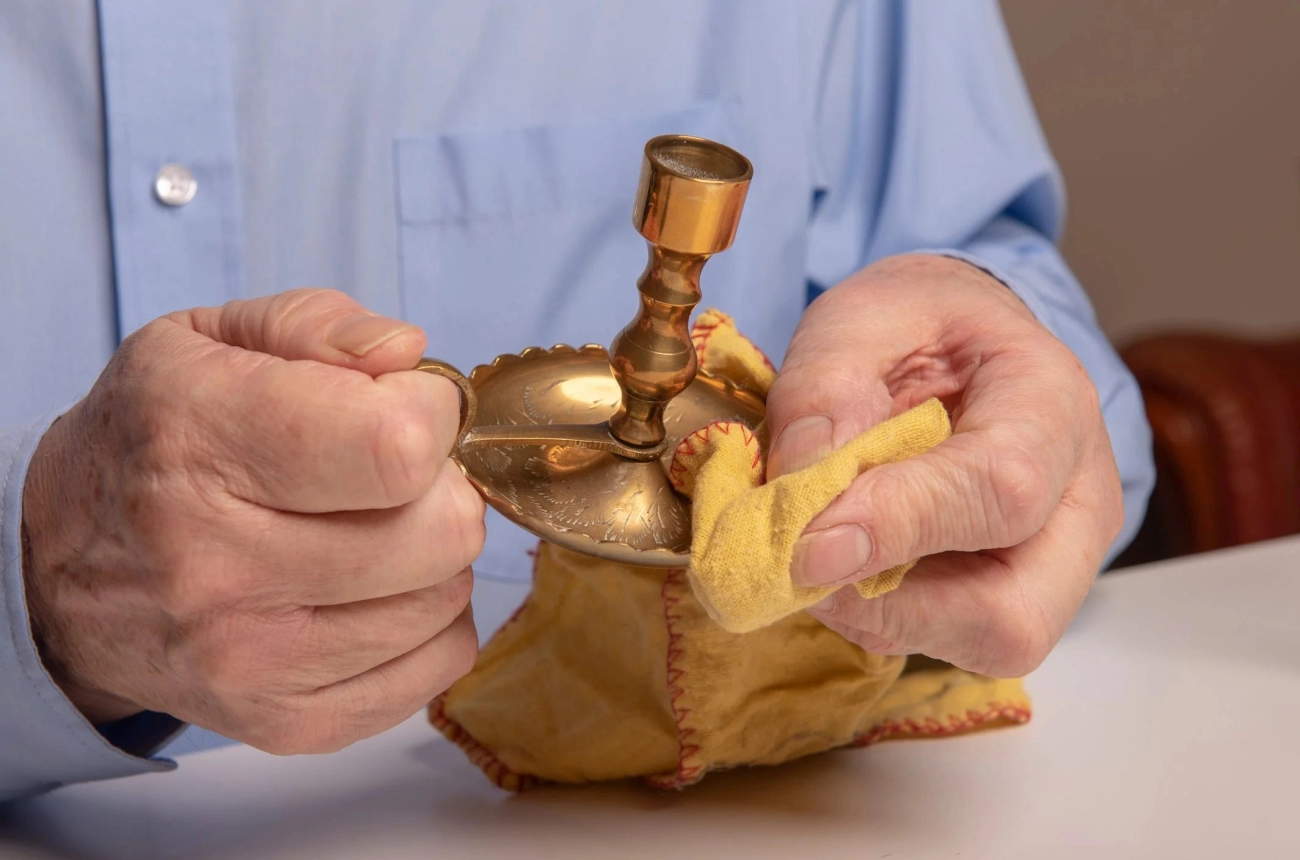
One simple way to tell brass and copper apart is by listening to the sound they make when struck. This quick sound test helps identify metal type without any tools.
| Metal | Sound Characteristic | How To Test |
|---|---|---|
| Brass | Clear, bright ringing tone | Tap with a coin or small metal object |
| Copper | Duller, softer thud | Same tapping method |
Why it works: Brass is an alloy of copper and zinc, which makes it harder and more elastic. When tapped, it produces a sharper, longer-lasting ring. Copper, being softer and purer, absorbs more sound, resulting in a muted or shorter thud.
How to try it at home:
- Place the metal piece on a hard surface.
- Tap it gently with a metal object like a coin or screwdriver handle.
- Listen carefully to the sound produced.
If it rings clearly, you likely have brass; if the sound is duller, it’s probably copper.
This test works best on clean, solid pieces without coatings or heavy corrosion. It’s a quick and handy method when you have no professional tools nearby.
Hands-On Tests Proven Ways to Differentiate Brass and Copper at Home Magnet Test for Composition
Using a magnet is a quick way to check metal type because both brass and copper are non-magnetic. Here’s how it breaks down:
| Metal | Magnetic Response | What It Means |
|---|---|---|
| Copper | No reaction | Pure copper or copper-based alloy |
| Brass | No reaction | Brass is mostly copper + zinc |
| Steel | Attracted | Not copper or brass, likely steel |
If your magnet sticks to the metal, it’s not brass or copper but probably steel or another magnetic metal. But if it doesn’t stick, you can confirm it’s one of the two non-magnetic materials.
Keep in mind, some brass alloys might have small amounts of other metals, but typically magnet tests help rule out cheap steel imitations or other metals.
This quick magnet test works well alongside other hands-on checks like the scratch or sound tests for a better overall ID.
Hands-On Tests Proven Ways to Differentiate Brass and Copper at Home Weight and Density Check
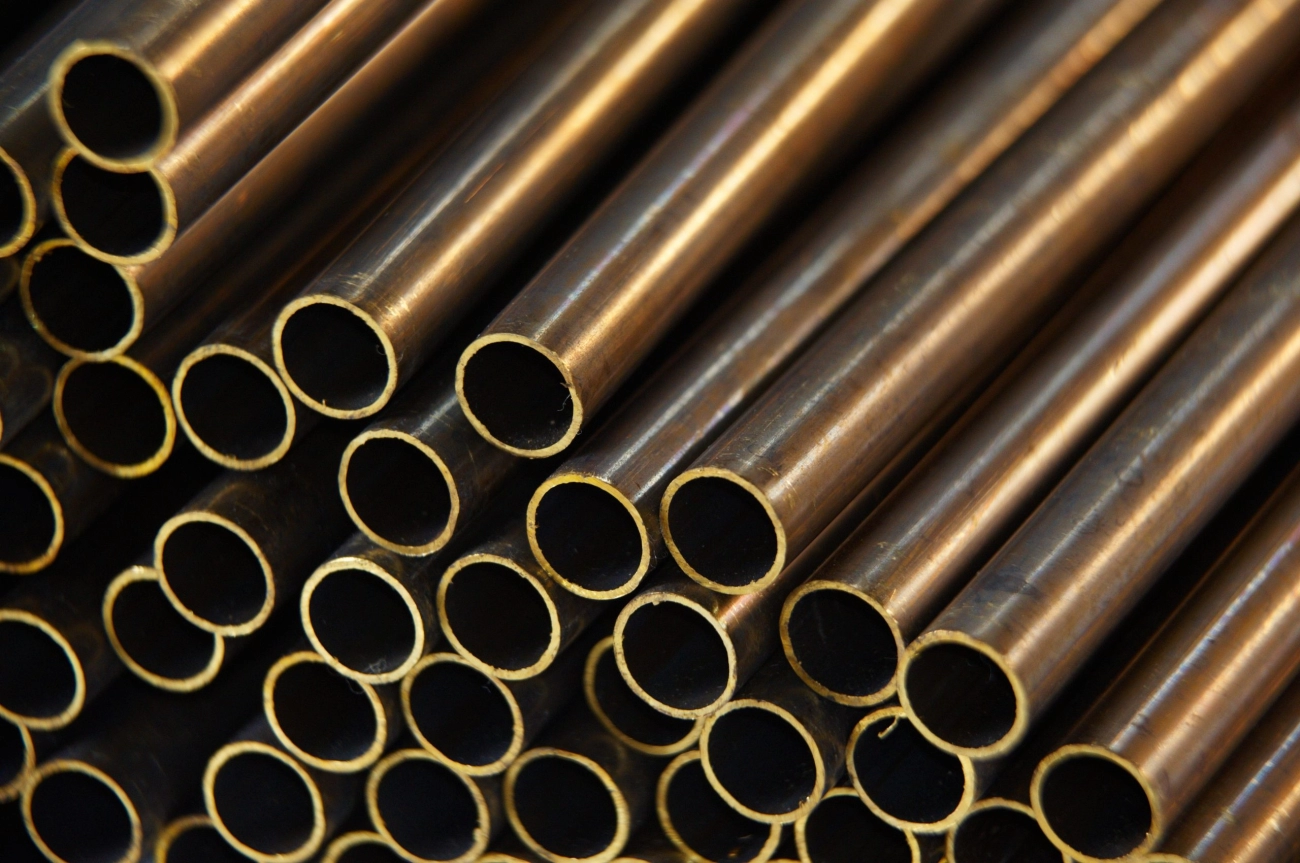
One easy way to tell brass from copper is by comparing their weight and density. Brass, which is an alloy mostly made from copper and zinc, is usually heavier and denser than pure copper. If you have a piece of metal and suspect whether it’s brass or copper, here’s what you can do at home:
- Weigh the sample: Use a kitchen scale to get its weight.
- Measure the size: Use a ruler or caliper to find the volume (length × width × height for simple shapes).
- Calculate density: Divide the weight by the volume to get density (usually in grams per cubic centimeter).
Typical Density Values
| Metal | Density (g/cm³) |
|---|---|
| Copper | 8.96 |
| Brass | 8.4 to 8.7 |
If the density is closer to 8.96, you are likely dealing with copper. If it’s a bit lighter, falling between 8.4 and 8.7, it’s probably brass. This test works well for larger pieces where precise volume measurements are possible.
Keep in mind that brass alloys can vary, so weight alone won’t always give a perfect answer. But combined with other tests like the scratch or magnet test, it gives you a solid clue when sorting scrap metal or checking metals around the house.
Advanced Identification Markings Chemical and Professional Methods
Check for Stamped Codes
One quick way to tell the difference between brass and copper is to look for stamped codes or markings on the metal. Manufacturers often stamp pieces with specific codes that indicate the type of metal or alloy. For example, brass might be marked with “CuZn” (copper and zinc) or a number indicating the alloy grade, while pure copper often has markings like “C110” or just “Copper.”
These stamps are usually found on larger or industrial pieces like pipes, fittings, or hardware. If you’re dealing with scrap metal or antiques, worn or faded codes might be tough to read, but even partial markings can help point you in the right direction.
Keep an eye out for:
- Letters indicating alloy composition (like CuZn for brass)
- Alloy numbers or standards (like ASTM numbers for copper purity)
- Manufacturer logos or other identifiers that can be cross-referenced
Using stamped codes is a low-effort test that can save time before moving on to more hands-on or chemical tests, especially if you’re sorting metals for scrap, resale, or restoration work.
Advanced Identification Markings Chemical and Professional Methods Chemical and Acid Tests
When visual checks and simple tests aren’t enough, chemical and acid tests offer a more reliable way to tell the difference between brass and copper. These tests involve applying specific acids that react differently with each metal due to their unique compositions. For example, a drop of nitric acid on copper turns it a distinct blue-green color, indicating the presence of copper. Brass, being an alloy of copper and zinc, reacts differently—often showing a pale green or yellowish tint instead.
These tests require safety precautions like gloves and good ventilation because acids can be dangerous. If you’re dealing with scrap metal or antiques and need a precise ID, chemical testing is a practical method to confirm the metal type. You can buy simple acid test kits designed for scrap metal identification at hardware stores or online, making it accessible for regular users in the U.S.
Just remember, if you’re unsure or handling valuable items, it might be better to let professionals do the chemical analysis to avoid damage or injury.
When to Call in Experts
Sometimes, telling the difference between brass and copper goes beyond simple visual checks or home tests. If you’re dealing with valuable antiques, complex alloys like red brass vs. yellow brass, or need precise information for scrap metal selling, it’s smart to call in the pros.
Here’s when you should consider expert help:
- Unclear Results at Home: If your scratch, magnet, or acid tests aren’t definitive, experts use reliable tools like X-ray fluorescence (XRF) analyzers to identify metal composition quickly and accurately.
- High-Value Items: For antiques or collectibles where authenticity and metal type affect value, professional appraisers provide trustworthy identification and valuation.
- Commercial Scrap Selling: Scrap yards may require detailed metal analysis, especially if you’re selling mixed metals or high-grade brass alloys with specific copper content.
- Safety Concerns: If metals are part of structural or electrical systems, getting experts to confirm composition ensures you meet safety and conductivity standards.
Relying on professional methods saves time and reduces guesswork, especially when accuracy matters. It’s always better to know precisely what you’re dealing with before making decisions about repair, resale, or reuse.
Why It Matters Properties Uses and Value Comparison
Key Properties Breakdown
Understanding the key properties of brass and copper helps you decide which metal suits your project or investment. Here’s a quick comparison:
| Property | Brass | Copper |
|---|---|---|
| Color | Yellow-gold, ranges from pale to deep gold | Reddish-brown, develops green patina over time |
| Hardness | Harder and more durable | Softer and more malleable |
| Corrosion Resistance | Good, resists tarnishing and rust | Prone to developing patina (oxidation) |
| Magnetic | Non-magnetic | Non-magnetic |
| Conductivity | Lower electrical conductivity | High electrical and thermal conductivity |
| Density | Heavier due to zinc alloy | Slightly lighter |
| Workability | Easier to machine, less ductile | Better for bending and shaping |
These properties influence how brass and copper are used in the U.S. market—brass often appears in plumbing fittings, musical instruments, and decorative hardware, while copper is common in electrical wiring, roofing, and cookware.
Knowing these basics helps you pick the right metal whether you’re working on a DIY project, recycling scrap, or assessing metal value.
Why It Matters Properties Uses and Value Comparison Common Applications
Knowing how to tell the difference between brass and copper is useful because both metals appear in many everyday items, but they serve different purposes. Here’s a quick look at where you’ll find each and why it matters:
| Metal | Common Uses | Why It’s Used |
|---|---|---|
| Brass | Door handles, musical instruments, plumbing fittings, decorative items | Durable, corrosion-resistant, easy to machine |
| Copper | Electrical wiring, plumbing pipes, roofing, cookware | Excellent conductivity, malleable, antimicrobial |
Brass, an alloy mainly of copper and zinc, is prized for its strength and resistance to corrosion. That’s why you often see it in hardware and musical instruments where durability and a bright finish are important.
Copper, on the other hand, is mainly valued for its electrical and thermal conductivity. That makes it the go-to choice for wiring, plumbing, and cookware. Copper often develops a greenish patina over time, which is a sign of natural aging.
Understanding the different properties and uses helps when you’re shopping for materials, selling scrap metal, or working on a DIY project. It can also affect the resale value since copper usually has a higher scrap price due to its conductivity and reuse potential.
If you’re ever unsure, keeping these common applications in mind can guide you when sorting metals on a job site or at home.
Scrap and Market Value Insights
Knowing how to tell the difference between brass and copper is important if you’re dealing with scrap metal. Here’s a quick look at how their value and market demand compare:
| Metal | Scrap Value per Pound (Approx.) | Market Demand | Notes |
|---|---|---|---|
| Copper | $3.50 – $4.50 | High | Sought after for wiring and electronics because of conductivity |
| Brass | $2.00 – $3.00 | Moderate to High | Popular for fittings, decor, and corrosion-resistant uses |
Key points to remember:
- Copper usually fetches a higher price at scrap yards due to its excellent conductivity and widespread use in electrical work.
- Brass prices vary depending on the alloy (red brass vs yellow brass) but tend to be lower than pure copper.
- Scrap yards might test metals to confirm what you have before giving you a price.
- The condition matters: copper with a nice shiny red color (no patina) often sells better.
- Brass holds value too—especially if it’s antique or decorative, which can add premium value outside typical scrap prices.
If you’re scrapping, always separate brass and copper to get the best price. Knowing the difference protects you from getting underpaid or mixing metals that reduce the overall scrap value.
Common Mistakes and Pro Tips from Vast
When figuring out how to tell the difference between brass and copper, people often jump to s based on color alone. That’s a common mistake because red brass can look pretty close to copper, and aged copper develops a greenish patina that can confuse you. Here are some common slip-ups and tips to avoid them:
- Mistake: Relying on color onlyBrass comes in different shades—yellow brass is bright and shiny, while red brass has more copper in it. Copper’s color can also change with age. So, don’t trust color alone.
- Mistake: Ignoring hardnessCopper is softer and scratches easier than brass, so a quick scratch test helps. Many skip this step and mix them up.
- Mistake: Using a magnet test improperlyBoth brass and copper are non-magnetic. If your magnet sticks, you’re likely dealing with a different metal or a mix—not brass vs. copper.
- Pro Tip: Use several tests togetherCombine color, scratch, sound, and weight tests. The more clues, the better your guess.
- Pro Tip: Keep the metal cleanDirt, oxidation, and finishes can mess up your tests. Clean the item with a soft cloth or mild cleaner before testing.
- Pro Tip: When in doubt, use a chemical test or ask a proAcid tests or professional analysis are the most reliable if you’re handling valuable or heavy scrap metals.
Following these tips will save you time and money whether you’re recycling scrap, restoring antiques, or just curious about your metals.
 English
  Spanish (Peru)
  German
  Korean
  Spanish (Spain)
  Italian