
Discover lightweight aluminum Dutch ovens with rust-proof anodized finish perfect for camping and home cooking featuring even heat and easy cleanup.
If you’ve ever lugged around a heavy cast iron pot on a camping trip or hesitated before tackling a slow-cooked stew at home, you know the struggle all too well. Enter aluminum Dutch ovens — the perfect blend of lightweight convenience and serious cooking power. These pots are shaking up kitchens and campfires alike, offering rust-proof durability and even heat without the bulk. Whether you’re a weekend backpacker or a busy home chef, understanding why aluminum Dutch ovens are rapidly becoming a go-to is the game-changer you didn’t know you needed. Ready to ditch the weight but keep the flavor? Let’s dive in!
What Exactly Is an Aluminum Dutch Oven A Quick Breakdown
If you’re new to cooking gear, the term aluminum Dutch oven might sound confusing. First off, it’s not some flimsy foil pot you toss after one use. Instead, think of a thick-walled pot with a tight-fitting lid made from either cast or hard-anodized aluminum. This material is great at spreading heat evenly, unlike traditional enameled cast iron which holds heat longer but weighs a ton.
Most aluminum Dutch ovens come in sizes from 5 to 14 quarts, perfect for anything from solo camping meals to family dinners. The aluminum is often anodized, meaning it’s treated to be non-reactive — so your food won’t taste metallic or discolor. Plus, these pots handle oven temperatures up to around 550°F, making them versatile for stovetop, oven, or campfire cooking.
A lot of folks stumble upon aluminum Dutch ovens searching for something light but wonder if they’re durable. Here’s the truth: these aren’t cheap one-use pots. They’re built tough to last for years, handling everything from rainy hikes to backyard cooking sessions without warping or rusting. So if you thought aluminum meant fragile, it’s time to rethink—these pots are dependable kitchen workhorses.
Aluminum Dutch Ovens vs Cast Iron Which Wins for Your Kitchen

Here’s a quick look at how aluminum Dutch ovens stack up against cast iron, so you can decide what fits your kitchen or campsite better:
| Feature | Aluminum Dutch Oven | Cast Iron Dutch Oven |
|---|---|---|
| Weight | Light, often under 5 lbs | Heavy, usually 10+ lbs |
| Heat Retention | Heats evenly but cools faster | Holds heat longer, great for searing |
| Maintenance | Rust-proof, no seasoning needed | Needs seasoning and careful drying |
| Cost | Generally affordable (<$100) | Can be pricier, especially enameled |
| Use Cases | Ideal for camping, backpacking | Great for slow cooking at home |
| Cleaning | Easy cleanup, some dishwasher safe | Hand wash recommended |
Pros of Aluminum Dutch Ovens
- Rust-proof: No need to worry about moisture or rain ruining your pot.
- No seasoning required: Saves time and hassle, especially on camping trips.
- Quick cleanup: Most anodized styles let you wash easily, even in your camp sink.
- Dishwasher-safe options: Brands like Vast offer models you can pop in the dishwasher.
Cons and How to Manage Them
- Lower heat retention: Aluminum cools down faster, which can be a downside in windy outdoor settings.
- Tip: Use a windscreen or position your Dutch oven in a sheltered spot to keep the heat consistent.
Trusted Data on Performance
Tests from sites like Serious Eats back up these points—aluminum Dutch ovens heat fast and cook evenly but won’t hold that intense sear like cast iron. It’s a trade-off between weight and cooking style.
Local Buying Convenience
For those in the US, aluminum Dutch ovens are easy to grab locally. Walmart, Home Depot, and other major retailers stock popular models. Perfect for last-minute camping trips or a quick kitchen upgrade without waiting for shipping.
If portability and easy care matter to you, aluminum Dutch ovens are a reliable choice, especially when you want fuss-free cooking whether at home or in the great outdoors.
Top Benefits of Choosing an Aluminum Dutch Oven
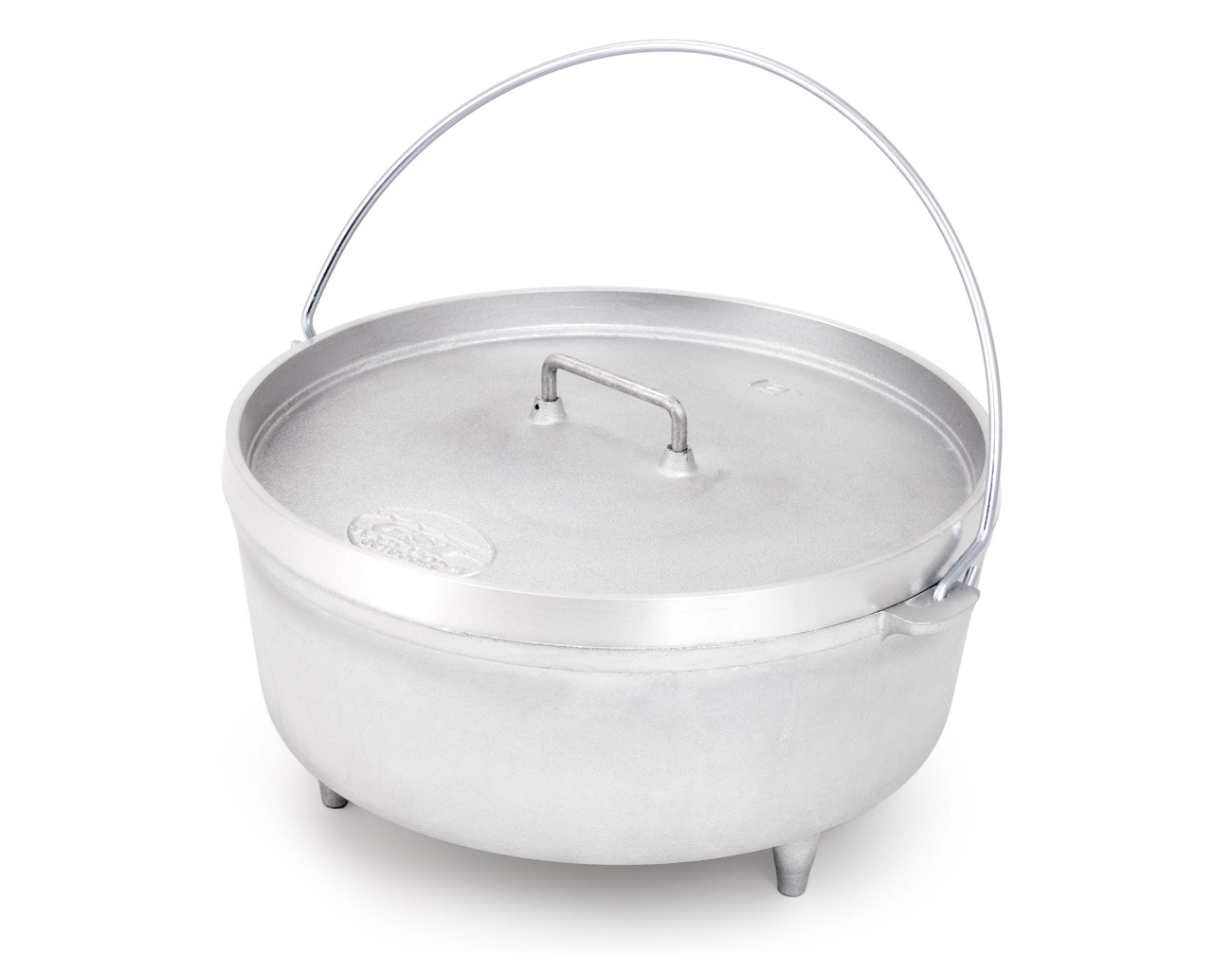
When it comes to picking a Dutch oven, aluminum models stand out for several big reasons.
Unmatched Portability
Aluminum Dutch ovens are super lightweight—perfect for hikers and backpackers who want to keep their load light. Take the GSI Outdoors 12-inch model, for example: it weighs under 5 lbs, making it easy to carry without sacrificing cooking space.
Effortless Maintenance
Unlike cast iron, aluminum won’t rust, which means no stress about camping in wet conditions or rain-soaked gear. Cleaning up is usually a breeze, and many anodized aluminum Dutch ovens can even handle dishwasher cycles.
Versatile Heating Options
These pots work great on the stovetop, in the oven, or directly over a campfire. Their thick, anodized aluminum walls deliver even heat conduction, so you get consistent cooking results whether you’re simmering stew or baking bread.
Budget-Friendly Longevity
Aluminum Dutch ovens usually come in under $100, offering solid value without skimping on durability. Many models are built to last for years, even generations, making them a smart investment for any kitchen or outdoor setup.
A personal favorite is Vast’s anodized aluminum line—it combines lightweight design with excellent heat distribution and a durability that holds up well over time. Their attention to detail really takes these benefits up a notch, making Vast a top pick for many US home cooks and campers alike.
Potential Drawbacks and How to Overcome Them
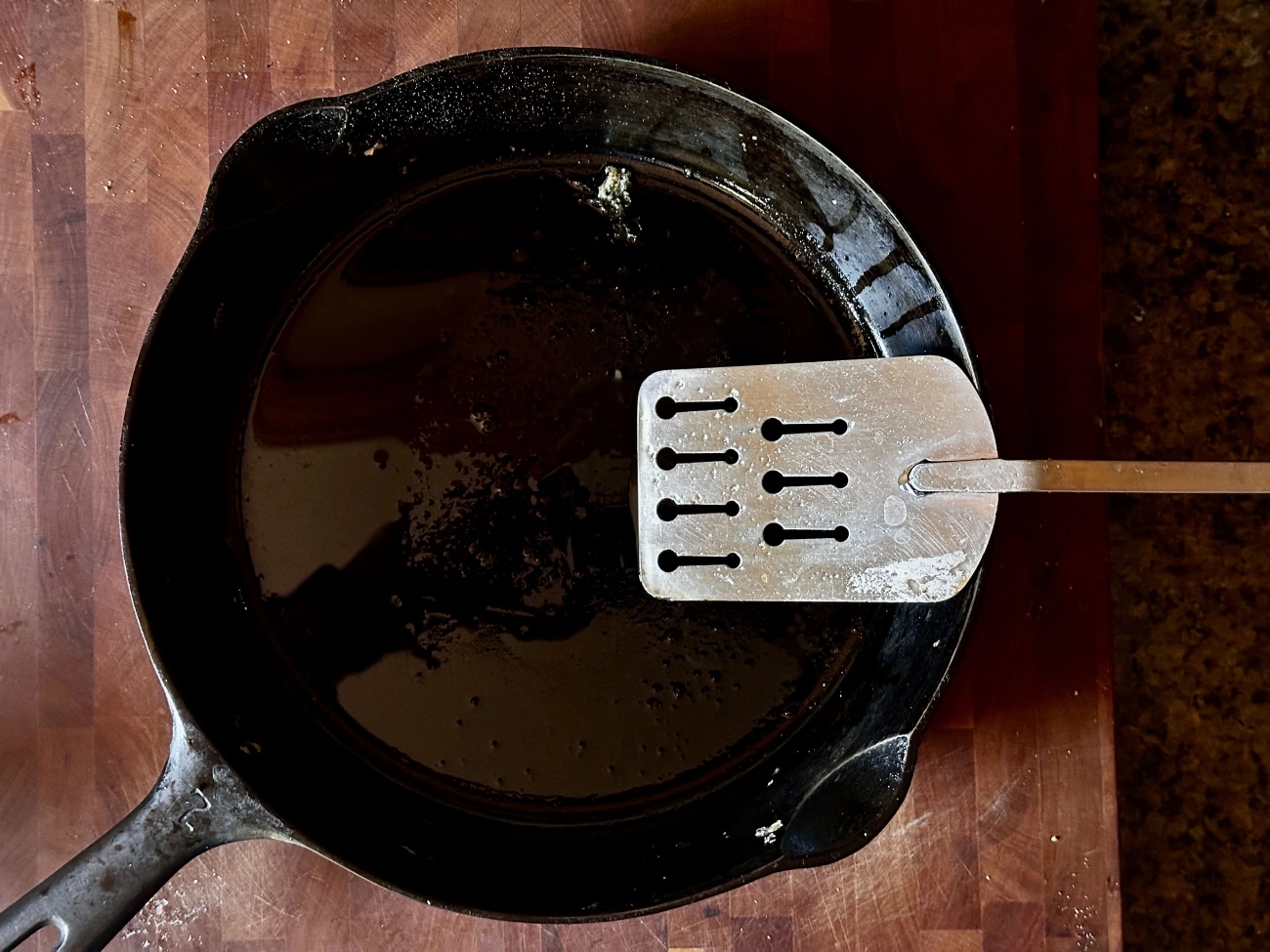
While aluminum Dutch ovens have plenty of perks, there are a few drawbacks to keep in mind — but they’re easy to handle with the right approach.
Heat Sensitivity
Aluminum heats up fast but doesn’t hold heat like cast iron. This means it can cool quickly, especially outdoors on a windy day. To manage this:
- Use steady campfire coals or place your Dutch oven inside a well-controlled heat source like an indoor oven.
- Consider wind guards or screens when cooking outside to prevent heat loss.
Nonstick Performance
Most aluminum Dutch ovens need a bit of attention to avoid sticking. If you want a fuss-free surface:
- Season your pot regularly, just like you would with cast iron, or
- Opt for models with a ceramic-coated interior, such as Vast’s anodized line, which cuts down on sticking and cleaning hassle.
Size Limitations for Large Groups
Aluminum Dutch ovens typically come in sizes from 5 to 14 quarts. For bigger groups:
- Consider cooking in multiple batches or pairing your aluminum Dutch oven with a larger cast iron one if you need massive capacity.
- Scale recipes carefully, keeping in mind the quicker heat changes with aluminum.
Reassurance from User Communities
Despite these points, many users on forums like Reddit praise aluminum Dutch ovens for their ease of use and durability, even in breezy or unpredictable outdoor conditions. So, while there are small hurdles, they’re nothing you can’t overcome with a bit of practice and the right gear.
Best Aluminum Dutch Ovens on the Market Our Curated Picks
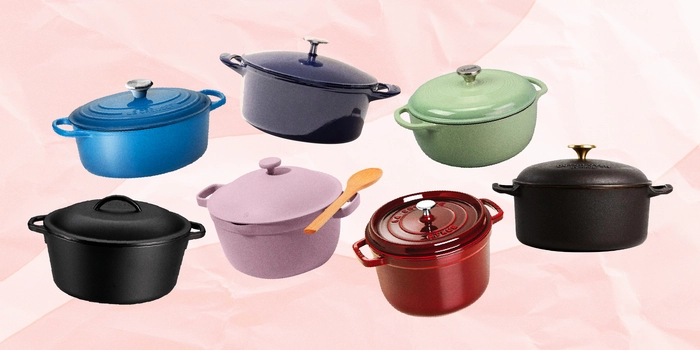
Here’s a quick look at some of the top aluminum Dutch ovens you can find in the US, perfect for everything from backyard meals to camping trips.
| Model | Size | Pros | Cons | Price | Rating |
|---|---|---|---|---|---|
| Vast Anodized Aluminum Dutch Oven | 8 qt | Lightweight, even heat, durable | Not nonstick without seasoning | $79 | 4.7/5 |
| GSI Outdoors 12 Inch Dutch Oven | 12 inch | Large capacity, camp-friendly | Heavier than Vast | $95 | 4.5/5 |
| MAGNAWARE Oval Cajun Dutch Oven | 7 qt Oval | Versatile shape, great for roasts | Limited size options | $85 | 4.3/5 |
| Lodge Aluminum Dutch Oven | 6 qt | Affordable, solid aluminum build | Less anodized finish | $60 | 4.0/5 |
Vast Anodized Aluminum Dutch Oven tops our list for its perfect balance of weight, heat conduction, and durability. It’s oven-safe up to 550°F, making it a solid choice for stovetop, oven, and campfire cooking. At around $79, it hits that sweet spot between quality and affordability.
GSI Outdoors’ 12-inch model is a favorite among weekend campers and hikers who want a bigger pot without a heavy weight penalty. It’s rust-proof, easy to clean, and built for rugged use, though it’s a bit bulkier for everyday kitchen use.
MAGNAWARE’s Oval Cajun Dutch oven is popular for those who want versatility and a unique shape for roasting or stews. It’s slightly pricier but great for specialty cooking.
When picking your aluminum Dutch oven, consider:
- Size: Solo meals vs family-size cooking.
- Finish: Anodized for easy cleaning and durability.
- Purpose: Pure camping, home kitchen, or both.
For shoppers here in the US, all these models are easy to find on Amazon, Walmart, or Home Depot, often with next-day or two-day shipping—perfect for last-minute gear needs. Whether you want a lightweight, rust-proof Dutch oven for your hiking trips or an affordable, reliable pot for home cooking, these picks cover all bases.
Delicious Recipes to Master with Your Aluminum Dutch Oven
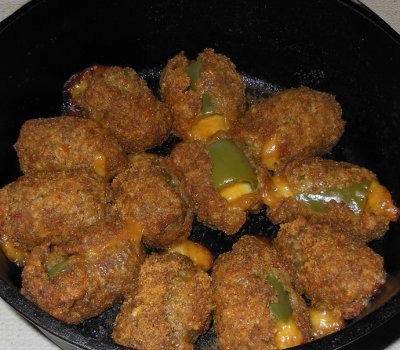
Campfire Beef Stew
A classic campfire stew that’s perfect for your aluminum Dutch oven. Serves 4 and takes about 45 minutes. Here’s a simple step-by-step:
- Brown beef cubes on medium heat directly in the pot.
- Add chopped onions, carrots, potatoes, and celery.
- Pour in beef broth and a splash of tomato paste.
- Cover with the lid and let it simmer over low coals for 35 minutes.
Aluminum tip: Because aluminum heats quickly and evenly, keep the heat moderate to avoid burning. Use indirect heat or move the pot away from direct flames when simmering.
No-Knead Artisan Bread
Want to try baking bread at home? Your aluminum Dutch oven is perfect for this, thanks to its even heat conduction. The whole process, including a 3-hour rise, results in a crusty, bakery-style loaf right from your oven.
- Mix flour, yeast, salt, and water. Let rise in a warm spot for 2-3 hours.
- Transfer dough to the preheated Dutch oven and bake at 450°F for 30 minutes covered, then another 15 uncovered for a golden crust.
Pro tip: Use a silicone cover or parchment paper to prevent sticking if your Dutch oven isn’t coated.
Cajun Jambalaya
Bring a taste of the South to your kitchen. This recipe takes about an hour and works great on stovetop-to-oven cooking.
- Sauté sausage, chicken, and onions right in your pot.
- Add rice, tomatoes, and Cajun spices, then pour in chicken broth.
- Cover and bake in the oven at 350°F for 40 minutes until the rice is cooked.
This recipe matches regional tastes and is perfect for your anodized aluminum Dutch oven’s even heat.
Cooking Tips for Aluminum Dutch Oven Recipes
- Aluminum heats fast, so reduce your heat slightly compared to cast iron recipes.
- Keep lids tight to trap moisture and maintain even cooking.
- Scale recipes down for smaller sizes since aluminum Dutch ovens tend to have quick heat-up times.
- When cooking over a campfire, use windscreens or indirect heat for steady temperatures.
These recipes are easy, reliable, and show how versatile your aluminum Dutch oven really is—whether on a camping trip or at home.
Care Maintenance and Storage Tips for Longevity
To keep your aluminum Dutch oven in top shape, it’s best to hand-wash anodized surfaces with mild soap and a soft sponge. Avoid metal utensils or harsh scrubbing on non-coated areas to prevent scratches. This simple step protects the finish and keeps your pot looking great.
For storage, if you’re a camper or hiker, nesting your Dutch oven with lids separated by silicone covers or cloth helps prevent dings and scratches during transport or when packed away. This is especially handy if you’ve got more than one piece in your gear.
If you spot minor scratches, don’t worry—light sanding with fine steel wool can smooth them out without hurting the cookware’s performance or safety. Just be gentle to maintain the anodized coating’s integrity.
Lastly, aluminum cookware is highly recyclable, making it a smart choice for eco-conscious buyers in the US who want durability without environmental guilt. When your Dutch oven finally needs replacing, recycling aluminum supports sustainability efforts locally.
 English
  Spanish (Peru)
  German
  Korean
  Spanish (Spain)
  Italian