
Discover cost-effective low volume injection molding for custom small-batch production with fast turnaround and high-quality plastic parts.
If you’re exploring ways to move from prototypes to real products without breaking the bank, low volume injection moulding might be your game changer. Whether you’re an engineer, product designer, or a small business owner, this manufacturing method offers a smart, cost-effective path for producing anywhere from 100 to 10,000 units. It bridges the gap between expensive high-volume runs and slow, less-durable prototyping methods—delivering quicker turnaround times, high-quality parts, and flexible design iterations. In this guide, you’ll discover why low volume injection moulding is revolutionizing small-batch production and how it could unlock efficiency and scalability for your next project.
The Fundamentals What is Low Volume Injection Moulding
Low volume injection moulding is a manufacturing process designed to produce small batches of plastic parts efficiently and cost-effectively. Unlike traditional high-volume injection molding, which focuses on mass production, low volume injection moulding targets orders ranging from a few dozen to several thousand parts. This approach uses aluminum injection molds or hybrid 3D printed molds, which are quicker and less expensive to create than the steel molds used in large-scale production.
By combining rapid prototyping injection techniques with short run molding services, low volume injection moulding bridges the gap between prototype development and full-scale manufacturing. It allows engineers and product developers to test designs, refine details, and launch pilot production plastics without the long lead times or high upfront costs typically associated with large production runs.
In essence, low volume injection moulding offers a smart solution for on-demand plastic parts and custom prototype molding needs, providing flexibility and speed without compromising on quality. This makes it a valuable option for innovators looking to move from concept to market faster while managing budgets more effectively.
Key Benefits Making Low Volume Injection Moulding a Game Changer for Your Projects
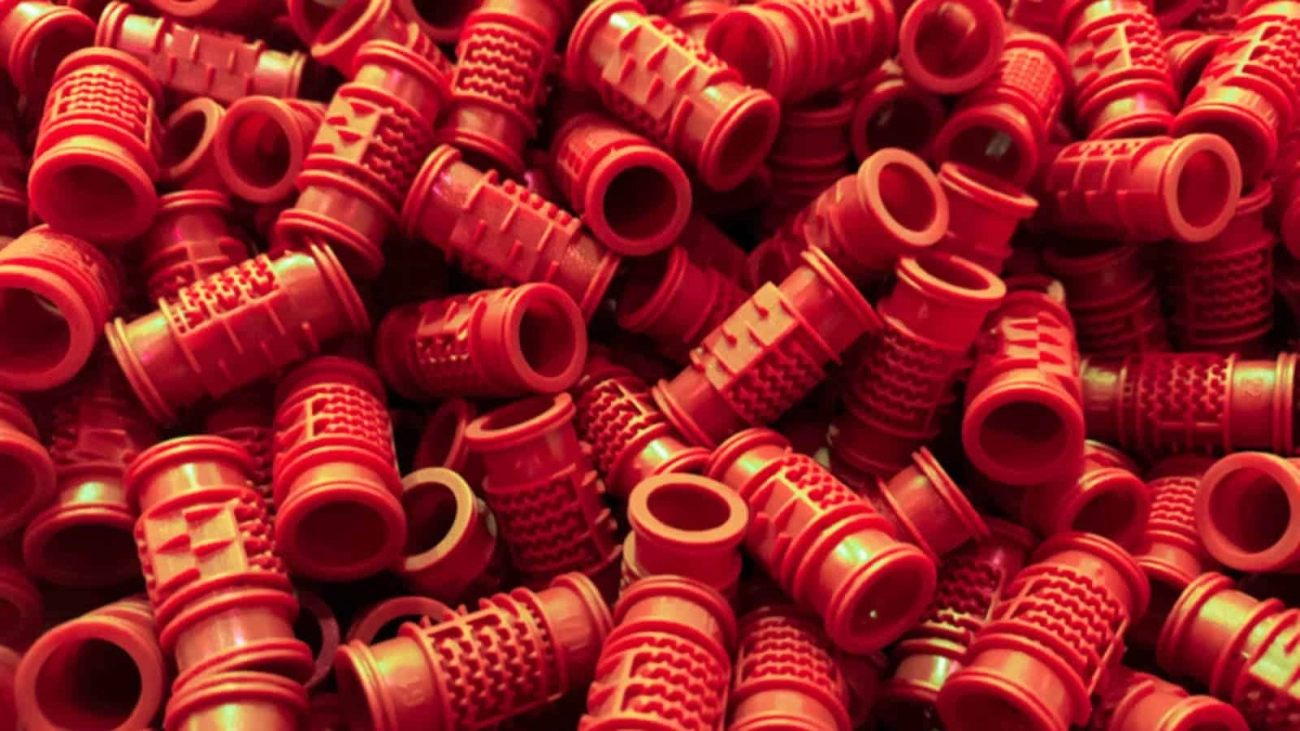
Low volume injection moulding offers serious advantages that can transform how you handle plastic parts production. Here’s why it stands out:
- Cost-Effective Small Batch Plastic MoldingYou don’t have to commit to huge orders. Low volume injection moulding lets you produce small runs without the high setup costs typical of traditional large-scale molding. This lowers your low run injection costs and keeps your budget tight.
- Faster Turnaround for Rapid Prototyping InjectionNeed parts fast? This process speeds up your pilot production plastics and custom prototype molding, so you can test designs and get your product to market quicker without waiting on big manufacturing runs.
- Flexibility with Bridge Tooling ManufacturingUsing aluminum injection molds or hybrid 3D printed molds, low volume molding offers adaptable tooling options. That means you can tweak designs or try new materials easily before going full scale.
- On-Demand Plastic Parts ProductionPerfect for businesses that require on-demand plastic parts. Instead of stocking large inventories, you produce what you need, reducing waste and storage costs.
- Quality and Consistency at Every StepDespite smaller runs, the process maintains high production quality. Your parts come out consistently reliable, matching the standards of larger production runs.
In short, low volume injection moulding gives you the power to test, produce, and launch smarter — especially if your project demands flexibility, fast turnaround, and cost control.
When to Choose Low Volume Injection Moulding Real World Applications and Use Cases
Low volume injection molding is a perfect fit when you need small batch plastic molding or on-demand plastic parts without the cost and wait of full-scale production. Here are some common scenarios where it really shines:
- Rapid prototyping injection: When you want to test designs quickly with functional, durable parts that look close to the final product.
- Custom prototype molding: Ideal for creating custom parts to validate form, fit, and function before moving to mass production.
- Pilot production plastics: When you need a limited run to introduce a product to market or test customer demand.
- Short run molding services: Perfect for parts needed in small quantities, avoiding high tooling costs typical of large volume runs.
- Bridge tooling manufacturing: Helps bridge the gap between prototyping and full-scale manufacturing using aluminum injection molds or hybrid 3D printed molds.
This method is also widely used in industries like medical devices, electronics, automotive aftermarket parts, and consumer goods because of its flexibility and faster turnaround. If your project requires durable parts, faster time to market, and lower initial investments, low volume injection molding is a smart choice.
The Low Volume Injection Moulding Process Step by Step Breakdown
Low volume injection molding is a straightforward process that gets your small batch plastic molding projects done quickly and efficiently. Here’s a simple breakdown:
1. Design and Tooling
Start with your part design, optimized for low run injection molding. Instead of expensive steel molds, aluminum injection molds or hybrid 3D printed molds are often used to speed up tooling and cut costs.
2. Mold Fabrication
The mold is created based on your design. With techniques like bridge tooling manufacturing, these molds are ready faster and at a lower cost compared to traditional methods.
3. Material Selection
Choose the right plastic resin for your on-demand plastic parts. This step ensures your final product meets strength, flexibility, or aesthetic needs.
4. Injection Molding
The plastic material is heated and injected into the mold cavity. Since this is low volume, cycle times are optimized to balance speed and quality without the need for large runs.
5. Cooling and Ejection
Once the plastic cools, the part is automatically ejected from the mold. This ensures consistent quality across small batches.
6. Finishing
Parts go through any needed secondary processes like trimming, painting, or assembly to meet your specs.
7. Quality Inspection
Before shipping, every batch undergoes quality checks to make sure your custom prototype molding or pilot production plastics match your expectations.
This process enables fast turnaround and flexibility, making low volume injection molding ideal when you need short run molding services without the high costs of traditional mass production.
Design Best Practices Optimizing Parts for Low Volume Success
When working with low volume injection molding, smart design choices make all the difference. Optimizing your parts upfront helps keep costs down and speeds up production, especially when using small batch plastic molding or custom low-volume injection molding.
Here are some design tips to get the most from low volume injection molding:
- Keep it simple: Avoid overly complex shapes. Simple designs reduce tool wear and speed up mold making, whether using aluminum injection molds or hybrid 3D printed molds.
- Uniform wall thickness: Consistent thickness prevents warping and ensures good flow of the molten plastic. This is key for getting quality parts in on-demand plastic parts projects.
- Draft angles matter: A slight taper helps parts release smoothly from molds, especially important for short run molding services. Usually, 1 to 3 degrees does the trick.
- Use ribs and gussets wisely: Add strength without extra material. This works great for pilot production plastics when you want durability without bulk.
- Avoid undercuts: They add complexity and cost through the need for side actions or inserts. Keeping designs free of undercuts helps keep low run injection costs down.
- Design for manufacturability: Communicate early with your low-volume injection molding manufacturer to tailor designs around the tooling and process. It saves time and money.
Following these best practices ensures your parts not only fit the low volume injection molding process but also deliver reliable performance. It’s about smart design that matches the speed and cost-efficiency of small batch plastic molding and rapid prototyping injection.
Cost Factors and Budgeting Transparent Insights for Smarter Investments
When it comes to low volume injection molding, understanding your costs upfront can save you money and headaches later. Unlike traditional high-volume runs, small batch plastic molding focuses on flexibility and speed, which affects pricing differently.
Here’s what impacts your budget:
- Mold Type: Aluminum injection molds or hybrid 3D printed molds are common for low volume runs. They cost less and take less time to make than steel molds but may have shorter lifespans. This keeps initial expenses down.
- Run Size: The fewer parts you need, the higher the cost per piece. But thanks to short run molding services and bridge tooling manufacturing methods, you still get cost-effective on-demand plastic parts without wasting resources.
- Material Choice: Different plastics vary in cost. Choosing materials suitable for custom prototype molding or pilot production plastics can optimize both performance and price.
- Design Complexity: Simple parts keep mold costs low and cycles fast. Complex designs might require extra mold features, which add to tooling expenses.
- Cycle Time and Setup: The faster the injection molding process, the lower your labor and machine costs per piece.
By working with a reliable low-volume injection molding manufacturer or factory like vast, you get clear pricing breakdowns and options tailored to fit your budget. This transparency allows you to plan smarter, avoid surprises, and make the most out of your investment whether you need rapid prototyping injection or small batch production.
Partnering with Experts Why Choose vast for Your Low Volume Needs
When it comes to low volume injection molding, working with the right partner makes all the difference. That’s where vast steps in. We specialize in custom low-volume injection molding tailored to meet your specific project demands, especially here in the U.S. market.
Here’s why vast stands out for your small batch plastic molding and pilot production plastics needs:
- Fast turnaround: We know timing is crucial. Our streamlined process and hybrid 3D printed molds help get your on-demand plastic parts ready quickly without sacrificing quality.
- Cost-effective solutions: Low run injection costs are a priority. We optimize tooling using options like aluminum injection molds and bridge tooling manufacturing to fit your budget without compromising performance.
- Expert design support: Our team works closely with you to optimize parts for low volume success, improving manufacturability right from the start.
- Flexible production: Whether you need rapid prototyping injection runs or short run molding services, vast scales according to your project, making scaling up or down easy.
- Quality you can trust: We follow strict quality controls, ensuring every custom prototype molding meets your standards.
Partnering with vast means getting dependable, U.S.-based manufacturing support focused on delivering the best in low volume injection molding. We’re here to help you bring your ideas to life efficiently, affordably, and with precision.
Scale Smart with Low Volume Injection Moulding and vast
Low volume injection moulding is a smart, cost-effective way to bring your plastic parts to life without the extra costs and wait times of large-scale production. Whether you need small batch plastic molding for prototypes, pilot production plastics, or on-demand plastic parts, this approach gives you flexibility and speed.
Partnering with vast means accessing expert custom low-volume injection molding services built to meet the unique demands of U.S. businesses. We specialize in low run injection costs, hybrid 3D printed molds, and aluminum injection molds that help you get quality parts fast without compromising your budget.
By choosing low volume injection moulding through vast, you’re setting yourself up to scale smart—keeping your projects agile, your costs clear, and your timelines tight. Ready to move forward with a partner who gets your needs? Contact vast today and experience the difference in short run molding services tailored for success.
FAQs Answering Top Questions on Low Volume Injection Moulding
What is low volume injection moulding?
Low volume injection moulding is a process used to produce small batches of custom plastic parts quickly and cost-effectively. It’s great for prototype molding, pilot production plastics, and on-demand plastic parts without the high costs of traditional mass production.
How is low volume different from regular injection molding?
The main difference is the number of parts produced. Low volume injection molding focuses on short run molding services, usually between a few dozen to a few thousand parts, using aluminum injection molds or hybrid 3D printed molds instead of steel molds, which lowers tooling costs.
Can I use low volume injection molding for rapid prototyping?
Yes, it’s ideal for rapid prototyping injection projects where you need functional parts fast. Plus, it helps test designs before committing to full-scale manufacturing.
What are the materials available for low volume injection molding?
You can choose from a wide range of plastics similar to those used in large-scale production, depending on your project’s requirements.
Is low volume injection molding cost-effective?
It is if you need low run injection costs for small batch plastic molding. Since tooling and setup costs are less, it fits well with tight budgets and helps avoid large upfront investments.
How fast can I get parts made with this process?
Turnaround times are much shorter compared to traditional molding, often within weeks, because the tooling process is faster and more flexible.
Who should consider low volume injection molding?
It’s perfect for startups, product developers, or businesses needing bridge tooling manufacturing or pilot production plastics before scaling up.
Can you handle custom low volume injection molding projects?
Absolutely. A reliable low-volume injection molding manufacturer or factory can collaborate closely to meet specific design and volume needs, delivering quality parts on time.
If you have more questions or want to discuss your project needs, we’re here to help you choose the best approach for your low volume injection molding.
 English
  Spanish (Peru)
  German
  Korean
  Spanish (Spain)
  Italian