
Explore expert tips on car sheet metal repair, materials, and tools including galvanised steel and aluminium for durable vehicle panel restoration.
Is your car’s body taking a hit from dents, rust, or old crash damage? You’re not alone—and knowing your way around car sheet metal can save you time, money, and frustration down the road. Whether you’re tackling repairs, restoration, or custom upgrades, understanding the types of sheet metal, how they hold up, and the right techniques can make all the difference. In this guide, you’ll get the essential insights and practical tips to confidently handle everything from minor fixes to full panel replacements—backed by expert know-how and quality solutions from vast. Let’s get your ride looking sharp and solid again!
Understanding Car Sheet Metal Basics
Car sheet metal is the backbone of your vehicle’s structure and appearance. It mainly consists of different types of metals designed to balance strength, weight, and durability. The most common materials you’ll find include:
- Mild Steel: Easy to work with and repair, often used for basic body panels.
- High-Strength Steel: Offers better protection and rigidity without adding extra weight.
- Galvanised Steel: Coated with zinc to resist rust and corrosion—essential for parts exposed to moisture.
- Aluminium: Lightweight and corrosion-resistant, increasingly popular in modern cars to improve fuel efficiency.
- Emerging Composites: Cutting-edge materials combining metal and fibres for custom builds and high-performance vehicles.
Key properties to keep in mind when working with or selecting car sheet metal include:
- Gauge and Thickness: Thicker metals provide more strength but are harder to shape.
- Corrosion Resistance: Vital for longevity, especially in humid or salty environments.
- Formability: How easily the metal bends or stretches without cracking.
Sheet metal is everywhere on your vehicle, from large body panels to smaller parts like doors, fenders, quarters, hoods, roofs, and trunks. Understanding these basics helps you make better repair, replacement, or customisation decisions that last.
Common Car Sheet Metal Problems and Diagnosis
When it comes to car sheet metal, rust and corrosion are the biggest headaches. Rust usually starts in hidden spots like wheel wells or under the car where moisture and salt collect. Early signs include bubbling paint, discolouration, or rough patches. To prevent rust, regular washing—especially during winter when road salt is heavy—is key, along with applying rust-proof sheet metal treatments or undercoatings.
Dents and creases happen from all kinds of impacts—minor dings from doors or bigger dents from accidents. Assess the damage by checking if the dent has sharp creases or is just a smooth indentation. Sharp creases usually need more advanced repairs. Your car’s body panels, like fenders and doors, often take most of the impact.
Fatigue and structural weakness can creep in when metal bends repeatedly or rust eats through important spots. This is common near joints or areas under constant stress. If you notice cracks or the metal feels soft when pressed, it might be time to replace the panel instead of repairing it.
For a simple DIY diagnosis, try these steps:
- Tap test: Lightly tap the metal with a small hammer or screwdriver handle. A solid sound means no filler under the paint; a dull thud suggests body filler hiding damage.
- Magnet check: Use a small magnet to detect filler. It won’t stick to filler or fibreglass, so if it won’t hold, you might be dealing with a patched or repaired area.
- Look for paint texture changes or inconsistencies—these can signal previous repairs or weak spots.
Knowing these common problems and how to spot them early can save you money and time when dealing with car sheet metal.
Essential Tools and Materials for Sheet Metal Work
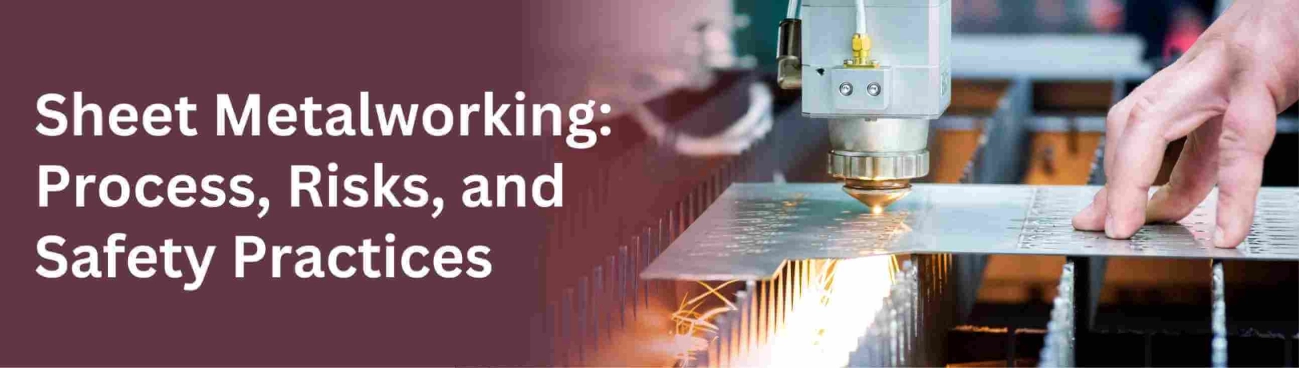
When working with car sheet metal, having the right tools and materials makes all the difference. Here are the essentials you should have on hand:
Must-Have ToolsHammers and dollies for shaping and straightening panels
Shrinkers and stretchers to adjust metal curves without cracking
Welders: MIG and TIG are popular for different types of metal and projects
Grinders for smoothing welds and cutting edges
English wheels for fine shaping and smoothing
Metal brakes and plasma cutters for precise cutting and bendingSafety Gear
Always protect yourself with:
- Thick gloves
- Respirator masks or dust masks, especially when sanding or welding
- Eye protection like safety glasses or welding helmets
Materials Sourcing
Choosing the right sheet metal is just as important:
- OEM panels offer perfect fit but can be pricey
- Aftermarket options provide variety and cost savings, but check quality
- Popular metals include galvanized steel for corrosion resistance and aluminium for lighter weight
- Premium sheet metal often lasts longer and performs better, especially in rust-prone areas
Using the right combination of tools and materials will help you achieve durable, professional results when repairing or customising your car’s sheet metal.
Step by Step Repair Techniques
Fixing car sheet metal starts with proper preparation. First, clean the damaged area thoroughly to remove dirt and grease. Then tackle rust—use sandblasting or chemical rust removers to clear corrosion and get down to bare metal. This step is key to preventing rust from returning.
For dents, choose the right method:
- Paintless Dent Repair (PDR) works great for small, shallow dents without damaging your paint.
- For larger dents, traditional hammering and dolly work help reshape the metal.
Cutting and shaping come next. Use metal brakes or plasma cutters to achieve precise edges and patterns. These tools help match new panels perfectly to your car’s body.
Joining the metal means welding it securely. Spot welds are common for panels, while butt welds are strong for larger repairs. Sometimes adhesives are used for extra hold and flexibility.
Finally, finish the job with priming, filler, and paint. This seals your work and blends repairs seamlessly with the rest of your vehicle, so everything looks smooth and factory-finished.
Using these basic steps ensures your car’s sheet metal repairs are solid, durable, and look excellent.
Advanced Customisation and Restoration

When it comes to advanced customisation and restoration of car sheet metal, fabricating custom panels is often the key. Whether you’re working on a classic car or adding unique modifications, custom-made panels help achieve the perfect fit and finish. This is especially important for rare or vintage vehicles where OEM panels might be difficult to find.
Many restorers now incorporate modern materials like aluminium sheet metal to reduce weight without sacrificing strength. Aluminium is popular for performance builds because it helps improve fuel efficiency and handling. Using galvanised steel in certain areas can also add corrosion resistance for long-term durability.
Here are some common steps in advanced restoration projects:
- Custom panel fabrication using metal brakes, pattern making, and shaping tools
- Mixing materials, combining steel and aluminium as needed for balance
- Welding and finishing to ensure seamless joins that match original contours
- Case studies show dramatic before-and-after examples where a wide range of product options—from OEM steel panels to aftermarket aluminium sheets—make a significant impact
Whether restoring a ’70s muscle car or building a lightweight racing vehicle, blending traditional sheet metal work with modern materials offers the best of both worlds. It’s all about crafting the right panel for the job while prioritising durability and appearance.
Cost Factors and Professional vs DIY
When working with car sheet metal, costs can vary greatly depending on the job. Materials alone can cost between $50 to $500 per panel, depending on whether you choose OEM or aftermarket parts, and the type of metal like galvanised steel or aluminium. Tools are another investment, often ranging from $200 to $2,000 for basics like welders, dent pullers, and grinders. Labour is usually the biggest expense if you go professional, with rates often between $75 to $150 per hour.
If you’re handy and the damage is minor—like small dents or surface rust—the DIY route can save money and give you control over the process. For bigger structural repairs or rust that affects wiring or safety, a professional is your best bet to avoid costly mistakes.
To find reliable help locally, try searching car sheet metal repair near me to locate certified workshops or trusted suppliers. Look for places with good reviews and proper certifications to ensure you’re getting quality work without surprises.
Maintenance and Prevention Tips
Keeping your car sheet metal in good condition starts with regular inspections. Check body panels, doors, fenders, and other metal parts often for early signs of rust or damage. A quick wash and wax help protect the paint and metal from moisture and dirt buildup. Don’t forget to apply undercoating to the car’s underside—this creates a barrier against salt, mud, and water, especially important in areas that use road salt during winter.
Salt and humidity are the biggest threats to auto body sheet metal in many parts of the UK. To combat corrosion:
- Rinse the underside and wheel arches frequently during winter or after driving on salty roads
- Use rust-proof sheet metal treatments or sprays made for vehicles
- Park in a garage or covered area to reduce exposure to rain and humidity
By staying ahead with these simple steps, you reduce the chance of rust and keep your car’s panels looking sharp longer.
 English
  Chinese
  Spanish (Peru)
  German
  Korean
  Spanish (Spain)
  Italian