
Explore durable automotive body fasteners including clips, rivets, and retainers for reliable vehicle repairs and maintenance guidance.
Core Components and Subtypes of Automotive Body Fasteners
When it comes to automotive body fasteners, understanding the core types can save you time and hassle during repairs or upgrades. These fasteners are the unsung heroes that hold your car’s body panels, trim pieces, bumpers, and liners firmly in place. Let’s break down the main players you’ll encounter in the garage:
Plastic Push-Type Retainers
These are the most common car body clips you’ll see. Made from durable nylon or plastic, they’re designed to “push” into holes, expanding to lock panels securely. Also known as plastic push rivets or panel retainers, they’re lightweight, corrosion-resistant, and perfect for quick fixes on fender liners and splash shields.
Metal Bolts and Nuts
Classic and reliable, metal bolts and nuts—often OEM body bolts—form a solid backbone for heavy-duty attachments. From chassis connections to bumper reinforcements, they offer unmatched strength and can be easily tightened or removed with standard tools. Expect corrosion-resistant coatings to withstand the elements.
Rivets and Grommets
Rivets create permanent joins to hold parts like door panels or trim where regular removal isn’t expected. Corrosion-resistant grommets protect wiring or hoses, but can also act as fasteners in sensitive areas. Often, riveting requires special tools, but the result is a secure, flush finish.
Specialty Clips
This category covers auto trim clips, bumper fasteners, and quick-release options like Dzus pins—common in performance or racing vehicles. Each clip is designed for specific shapes or stresses, like flexible clips that handle vibrations or quick-release fasteners for speedy repairs.
Visual Aids
- Imagine snapping a plastic push-type retainer into a fender liner—quick, clean, and rattle-free.
- Now contrast that with the solid feel of tightening a metal bolt fastening a bumper bracket.
Evolution from Metal to Plastic
Years ago, metal fasteners dominated automotive assembly. Today, plastic push-type retainers and nylon clips have surged in popularity. Why? They reduce weight, resist rust, and simplify assembly without sacrificing durability—a trend beloved by U.S. manufacturers focused on efficiency and performance.
Understanding these core types means you’re already a step ahead in handling your vehicle’s fasteners confidently. Next up, we’ll explore where exactly these fasteners are used and why it matters.
Applications of Automotive Body Fasteners
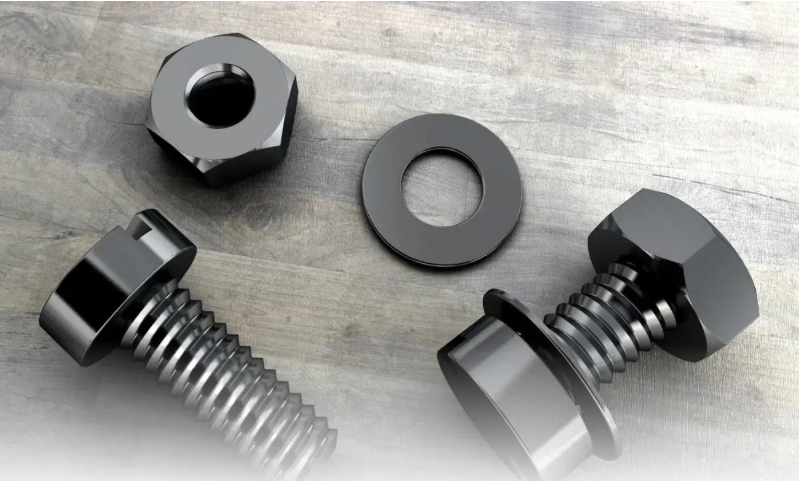
Automotive body fasteners are everywhere on your vehicle, holding together parts both outside and inside.
Exterior Uses
On the outside, you’ll find these fasteners securing bumpers, fender liners, splash shields, and exterior trim. Bumper fasteners and fender liner retainers keep everything tight and aligned, protecting your car’s body from debris and weather. Many use corrosion-resistant grommets and nylon push rivets here, especially to handle rain, snow, and road salt common in the U.S.
Interior and Underbody
Inside, panel retainers and auto trim clips hold door panels, dashboards, and other interior parts. Under the vehicle, splash shield clips and OEM body bolts fasten protective covers and guards that keep your undercarriage safe. These fasteners must tolerate heat, moisture, and vibration without loosening.
Vehicle-Specific Insights
Different vehicles require specific fasteners based on design and brand. For example, some American models use quick-release Dzus pins for easier hood access, while others rely heavily on plastic push-type retainers for lightweight trims. Knowing what fits your make and model saves you headache and ensures proper fit.
Local Habit Nod
In the U.S., DIY car maintenance is huge. Many enthusiasts prefer fasteners that are easy to install and remove, like plastic push rivets and clip types. That’s why automotive body fasteners that balance durability with ease of use are popular here. Also, with diverse weather—from sunny states to snowy areas—we see a lot of emphasis on corrosion-resistant and weatherproof fasteners nationwide.
Selection Guide for Automotive Body Fasteners
Choosing the right automotive body fasteners is key to a solid, lasting repair or upgrade. Here’s what I keep in mind when picking fasteners like car body clips, panel retainers, or bumper fasteners.
Key Factors to Consider
- Material Matters: Plastic push-type retainers and nylon push rivets resist rust, great for U.S. climates with snow and salt. Metal bolts and corrosion-resistant grommets are sturdy but can corrode if not coated well.
- Fit and Size: Always match OEM body bolts or fasteners to your specific vehicle model. Fender liner retainers and splash shield clips come in different sizes, so checking measurements saves hassle.
- Purpose and Location: Exterior parts like bumpers need weatherproof fasteners, while interior auto trim clips focus more on a clean fit and easy removal.
- Durability: Think about lifespan. Quick release Dzus pins are perfect for parts you may need to remove often, while rivets hold tight for permanent jobs.
Tools for Success
Having the right tools makes all the difference:
- Trim removal tools to avoid damaging panels
- Socket sets or screwdrivers for bolts and nuts
- Needle-nose pliers for clips and small fasteners
- Torque wrench when reinstalling OEM body bolts for the correct tightness
Common Pitfalls to Avoid
- Using the wrong size clips or bolts causing loose fits or panel damage
- Mixing metal and plastic fasteners improperly, leading to corrosion or breakage
- Forgetting to check vehicle-specific requirements — some cars need specialty clips
- Over-tightening bolts, which can crack plastic retainers or strip threads
By paying close attention to these factors and tools, you’ll pick the best automotive body fasteners that hold up well and make your vehicle look sharp.
Installation and Maintenance
Tools Needed
To work with automotive body fasteners like car body clips, panel retainers, and bumper fasteners, you’ll want a few basic tools handy:
- Trim removal tools (plastic pry bars)
- Flathead and Phillips screwdrivers
- Ratchet with appropriate sockets (for OEM body bolts and metal fasteners)
- Pliers (needle-nose or regular)
- Rubber mallet (for gently tapping in plastic push-type retainers)
- Flashlight for tight, dark spots
Having the right tools makes fastener removal and installation quicker and helps avoid damage to panels and clips.
Step-by-Step Tutorials
Removing a Plastic Push-Type Retainer
- Use a trim removal tool or flathead screwdriver.
- Gently pry under the head to lift the center pin up.
- Once popped, pull the entire fastener out.
Installing a Metal Bolt or Nut
- Align parts properly before inserting bolts.
- Use a ratchet and socket to tighten bolts snugly but avoid over-tightening to prevent stripping.
- Use new washers or corrosion-resistant grommets when available for better longevity.
Installing Panel Clips or Specialty Clips
- Position the clip in the hole or slot.
- Push or tap it in firmly until it locks in place.
- For Dzus pins or quick release clips, ensure they snap securely to avoid loose panels.
Maintenance Tips
- Check fasteners regularly, especially those exposed to weather like fender liner retainers and splash shield clips.
- Replace broken or worn clips immediately to avoid rattling or loose panels.
- Clean off dirt and debris around fasteners to prevent corrosion, particularly on metal bolts and rivets.
- Use corrosion-resistant grommets to protect metal parts and prolong their life.
Safety Note
- Always work on a cool vehicle to avoid burns.
- Wear gloves to protect your hands when dealing with metal fasteners or sharp edges.
- Use proper tools to avoid snapping clips or damaging panels, which can cause costly repairs.
- If you’re unsure about removing or installing a fastener, consult a professional to prevent damage or injury.
Troubleshooting Automotive Body Fasteners Top Problems Solutions When to Call a Pro
When it comes to automotive body fasteners like car body clips, panel retainers, and bumper fasteners, problems do pop up. Here are some common issues and easy solutions to keep your ride secure.
Top Problems
- Loose or Missing Clips: Nylon push rivets and auto trim clips can wear out or break, leading to loose panels or rattling.
- Corrosion: Metal bolts and corrosion-resistant grommets can rust over time, especially in salty or humid areas.
- Fastener Breakage: Plastic push-type retainers may snap when removed or installed incorrectly.
- Misfit Parts: Using non-OEM body bolts or wrong-size fender liner retainers can cause poor fit and damage.
Solutions
- Replace Broken Clips Promptly: Always have spares like splash shield clips or quick-release Dzus pins handy. Swapping out damaged clips restores panel security.
- Use Anti-Seize on Metal Fasteners: This helps prevent rust and makes future removal easier.
- Handle Plastic Fasteners Carefully: Use the right prying tools to avoid snapping nylon push rivets or auto trim clips.
- Double Check Fit: Stick to OEM or properly sized parts to avoid compatibility issues.
When to Call a Pro
- If panels won’t line up after replacing fasteners, or you notice ongoing rattling, it’s time for a professional look.
- For rusted bolts that won’t budge, or damaged body parts needing reattachment, a mechanic or body shop has the right tools and experience.
- When you’re unsure about the correct fastener type for your car’s make and model, leaning on experts can save you time and money.
By spotting these common problems early and knowing when to seek help, your automotive body fasteners will keep your vehicle looking sharp and staying safe on the road.
 English
  Spanish (Peru)
  German
  Korean
  Spanish (Spain)
  Italian