
Discover the ultimate guide to CNC coolant covering types, maintenance, safety, and selection tips for peak machining performance and tool life.
The Essential Functions of CNC Coolant
Why is CNC coolant so critical in machining? The core purpose breaks down into three main functions: heat dissipation, lubrication, and flushing.
- Heat dissipation: CNC machining generates intense heat, especially during high-speed cuts. Coolant absorbs and carries away this heat, preventing tool damage and part warping.
- Lubrication: A good coolant reduces friction between cutting tools and workpieces. This extends tool life and delivers smoother finishes.
- Flushing: Coolant flushes away metal chips and debris from the cutting zone, maintaining clear visibility and preventing recutting of chips, which can harm both tools and parts.
Real-world impact
Consider aluminum milling—a common scenario where tool wear spikes without proper CNC coolant use. When coolant is applied effectively, tools stay sharper longer, cutting down on downtime and saving money. Research shows that using the right coolant mix can reduce tool wear by up to 30% in aluminum milling operations.
Common pitfalls
Skipping coolant or running machines with inadequate fluid often leads to overheating symptoms like:
- Rapid tool dulling
- Workpiece discoloration
- Increased cycle times from premature tool changes
These issues not only decrease efficiency but also drive up operational costs.
Vast tie-in with pH-neutral blends
Many machinists overlook coolant pH, but maintaining a pH-neutral coolant blend offers distinct advantages:
- Lower corrosivity on machine parts
- Reduced skin irritation risk for operators
- Enhanced microbe control leading to longer sump life
Choosing a pH-neutral coolant helps balance performance and machine maintenance, making it a smart all-around choice.
Types of CNC Coolants
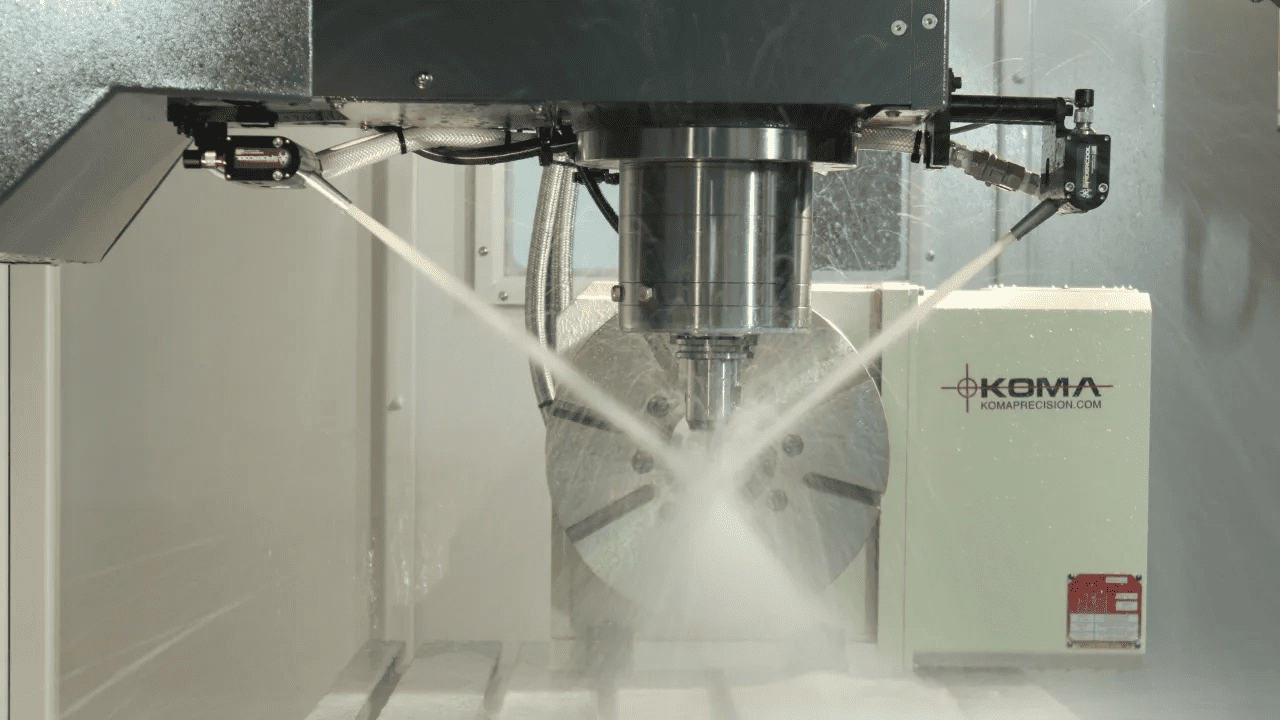
Choosing the right CNC coolant starts with understanding the main types. Here’s a quick look at the four common categories:
| Coolant Type | Description | Pros | Cons |
|---|---|---|---|
| Straight Oils | 100% oil, no water | Great lubrication, long tool life | Poor cooling, messy |
| Soluble Oils | Oil mixed with water to form an emulsion | Good cooling, affordable | Can cause rust if not maintained |
| Semi-Synthetics | Blend of synthetic fluids and oils | Balanced cooling and lubrication | Moderate maintenance needed |
| Synthetics | Fully chemical-based, no oil | Excellent cooling, clean operation | Less lubricating, costlier |
How to Choose Based on Machine and Material
To pick the best coolant, consider factors like:
- Machine type: High-speed CNC machines benefit from synthetics or semi-synthetics for better cooling.
- Material hardness: Harder materials may require stronger lubrication from straight or semi-synthetic oils.
- Cutting speed: Faster speeds tend to call for synthetics due to superior heat dissipation.
Emerging Trends in CNC Coolants
The CNC industry in the US is shifting towards cleaner, eco-friendly coolants. Vegetable-based coolants made from renewable resources are gaining traction for being:
- Biodegradable
- Low odor
- Safer for operators
Another exciting development is CO2-supercritical coolants. These use carbon dioxide under high pressure to cool and lubricate efficiently with minimal environmental impact. Though still niche, they show promise for the future of sustainable machining.
How to Choose the Right CNC Coolant
Picking the right CNC coolant means looking at a few key factors to get the best performance and value. First, compatibility is critical. Make sure the coolant works well with your machine’s materials and components to avoid corrosion or damage. Next, pay attention to concentration ratios. The right mix ensures proper lubrication, cooling, and chip evacuation without causing foam or residue.
Environmental factors also matter—think about your shop’s ventilation, local water quality, and disposal rules to pick a coolant that’s safe and easy to manage.
Material-Specific Recommendations
- For ferrous metals like steel and iron, choose coolants with strong rust prevention qualities.
- For non-ferrous metals like aluminum or brass, go with pH-neutral or milder blends to protect softer surfaces and reduce tool wear.
Cost-Benefit Analysis and Vendor Evaluation
Don’t just chase the cheapest option. Consider:
- ROI: How much longer will your tools last? Will less downtime save on labor?
- Vendor reliability: Ask suppliers about product consistency, technical support, and custom blend options.
- Questions to ask suppliers:
- Can you provide performance data on similar machining jobs?
- What’s the recommended maintenance schedule?
- Do you offer tailored coolant blends for specific materials?
Pro Tip
Always test small batches first. This helps spot issues like foaming, odor, or compatibility problems early, saving you time and money in the long run.
CNC Coolant Delivery Systems
Choosing the right delivery system for your CNC coolant can make a big difference in performance and safety. The main methods include flood cooling, mist (MQL or minimum quantity lubrication), and through-tool coolant.
Methods Overview
- Flood CoolingA high volume of coolant floods the cutting area, providing excellent heat dissipation and flushing away chips.
- Mist (MQL)Delivers a fine spray of lubricant mixed with air, reducing coolant usage and mess.
- Through-Tool CoolingThe coolant flows inside the tool, reaching the cutting edge directly for better lubrication and cooling in tight spots.
Pros and Cons Table
| Method | Advantages | Disadvantages |
|---|---|---|
| Flood Cooling | Superior cooling and chip flushing | Higher coolant consumption, mess |
| Mist (MQL) | Uses less coolant, cleaner work area | Less cooling, potential inhalation risk |
| Through-Tool | Precise cooling, better tool life | More complex setup, higher cost |
Setup Guide
- Desktop CNC: Usually uses simple flood or mist pumps. DIY kits are common for hobbyists.
- Industrial Systems: Automated pumps with filtration, coolant recycling, and precise control ensure efficiency and lower waste.
- DIY Pumps: Affordable but may lack consistency and safety features compared to industrial setups.
Safety Integration
- Proper ventilation is critical to avoid mist inhalation in enclosed shops.
- Follow OSHA guidelines on exposure limits and mist control.
- Opt for low-VOC (volatile organic compound) coolant formulas to reduce harmful emissions during machining.
Choosing the right delivery method means balancing machine type, work volume, and safety needs – all while maximizing tooling life and minimizing downtime.
Maintenance Best Practices

Keeping your CNC coolant in top shape is critical for machine performance and tool life. Here’s a simple daily and weekly checklist to stay on track:
- Daily:
- Check coolant concentration with a refractometer
- Skim tramp oils and chips off the surface
- Monitor pH levels to prevent corrosion or bacterial growth
- Weekly:
- Inspect for foam formation; use defoamers if needed
- Smell for rancid odors indicating bacterial contamination
- Refresh biocides to control microbial growth
- Test water quality and check for signs of rust or corrosion
If issues like foaming or foul smells appear, act quickly—these are signs of coolant breakdown and can harm your tools and machines. Regular biocide refreshes and tramp oil removal help extend sump life and maintain fluid clarity.
When it’s time to dispose of used coolant, always follow EPA-compliant recycling protocols. Proper disposal ensures environmental safety and meets U.S. regulations. Using coolants with long-life additives can stretch maintenance cycles, saving time and cost.
Tech tools make maintenance easier:
- Refractometers for fast concentration checks
- Sump cleaners to remove sludge and contaminants efficiently
Don’t forget local climate—if you’re in humid regions, extra vigilance on water quality and microbial growth prevents unexpected downtime.
Regular maintenance keeps your CNC coolant working efficiently, protecting your investment and ensuring consistent machining quality.
Health and Safety Considerations
When working with CNC coolant, safety comes first. There are a few hazards to watch out for:
- Mist inhalation: Fine mist from coolant sprays can irritate your lungs and cause respiratory issues.
- Skin contact: Prolonged exposure may lead to dermatitis or skin allergies.
- Ingestion risks: Although rare, accidental ingestion of coolant can be harmful.
To keep things safe on your shop floor, follow these simple steps:
- Wear proper PPE like gloves, safety glasses, and masks when handling or around coolant.
- Use enclosure guards and proper ventilation systems to limit mist exposure.
- Choose low-toxicity coolants to reduce health risks, especially in small or poorly ventilated spaces.
Stay compliant with OSHA and NIOSH guidelines, which set limits on airborne exposure to metalworking fluids and mandate protective measures.
Regular health monitoring for employees is a smart move—watch for any signs of irritation or breathing problems and address them early. Keeping your CNC coolant setup safe protects your team and ensures smooth, uninterrupted production.
Advanced Tips and Innovations in CNC Coolant
To get the most out of your CNC coolant, consider some performance hacks that can make a real difference. Hybrid systems combining synthetic and semi-synthetic fluids offer better lubrication and cooling without sacrificing tool life. These blends help reduce wear and improve chip evacuation, especially at higher speeds.
Another game changer is AI-monitored coolant concentration. Smart sensors can track fluid levels and concentration in real-time, alerting you before issues arise. This means less downtime and more consistent machining results. It also helps prevent problems like overheating or corrosion, keeping rust prevention coolant working effectively.
Looking ahead, sustainable and biodegradable coolant bases are gaining ground. They lower environmental impact while still offering strong lubrication and heat dissipation. Many U.S. shops appreciate low-odor, low-toxicity options that improve workplace safety without compromising performance.
Here’s a quick success story: a Midwest machine shop switched to vast semi-synthetic blends and saw a major boost in tool life. The improved lubrication cut tool replacement costs and boosted throughput, showing how investing in advanced CNC coolant pays off long-term.
In short, staying ahead means embracing new tech, greener formulas, and smart monitoring to keep your machines running smooth and your shop competitive.
 English
  Spanish (Peru)
  German
  Korean
  Spanish (Spain)
  Italian