
Discover what nylon is its history key properties uses and sustainable alternatives in this comprehensive guide to this versatile synthetic fiber.
The Birth of Nylon: From Lab Accident to Global Game-Changer
Nylon’s story starts in 1935, thanks to Wallace Carothers, a chemist at DuPont. While experimenting with polymers—long chains of molecules—Carothers stumbled upon something remarkable: a new kind of synthetic fiber. By 1938, nylon was officially launched, marking the first fully synthetic fabric that wasn’t made from natural materials like cotton or silk.
Then came World War II, which changed everything. With natural silk in short supply, nylon stepped up as the go-to material for parachutes, ropes, and military uniforms. Its strength and versatility made it invaluable, helping win battles off the battlefield as well.
But nylon didn’t just change the war effort; it revolutionized fashion. When nylon stockings hit the market, they were an instant hit. So popular, in fact, that “nylon riots” broke out as women lined up to buy them, making this synthetic fiber a symbol of modernity and accessibility. Nylon made sleek, affordable clothing available to everyone, not just the elite.
Did you know “nylon” isn’t an acronym or a scientific term? The exact origin of the name is a bit of a mystery. Some say it’s a playful blend of “New York” and “London,” reflecting where it was developed and marketed. Today, nylon is everywhere, from your wardrobe to high-tech gear, proving this lab-born fiber’s punch far exceeds its humble beginnings.
The Science Behind Nylon: How It’s Made and Why It Lasts
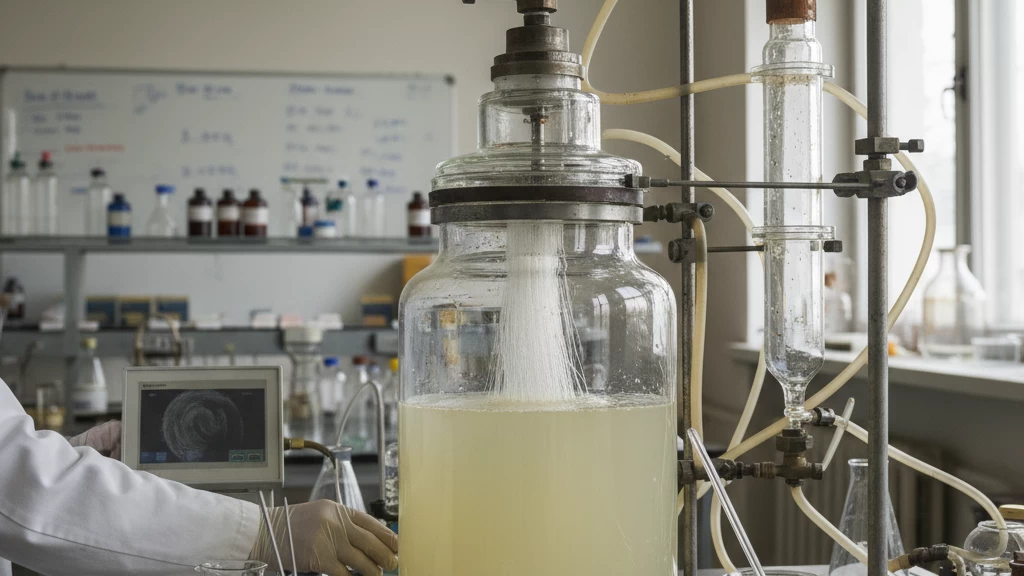
Nylon is a type of polyamide polymer, which basically means it’s made from long chains of molecules containing amide groups. The two most common types are Nylon 6 and Nylon 6,6—both strong, flexible, and widely used in everything from fabrics to industrial parts.
How Nylon Is Made
- Petroleum extraction: Nylon starts as raw materials pulled from petroleum.
- Polymerization: Through a chemical process called polymerization, these raw materials link up into long chains, creating the base nylon polymer.
- Extrusion: The melted nylon is then pushed through spinnerets (tiny holes) to form fibers or shapes.
- Solidification: Finally, these fibers cool and harden, ready to be turned into fabrics, parts, or other products.
Variations and Grades
Nylon isn’t one-size-fits-all. There are versions that resist heat, have extra durability, or incorporate bio-based ingredients to reduce reliance on fossil fuels. Additives can improve color, UV resistance, or moisture management depending on the use.
Visual Tip: A simple infographic showing polymer chains linking during polymerization helps explain how nylon fibers form.
Key Properties of Nylon: Strength, Stretch, and Surprising Versatility

Nylon stands out for its mechanical strength and flexibility, making it a top choice in many areas. Here’s a quick look at what makes nylon special:
- High tensile strength: Nylon can handle heavy loads without breaking.
- Abrasion resistance: It wears well, even with rough use.
- Elasticity: Nylon stretches and bounces back, providing comfort and durability.
Functional Traits
- Lightweight: Easy to wear and carry.
- Dyeable: Comes in many colors without losing quality.
- Moisture-wicking: Keeps you dry by pulling sweat away.
- Wide thermal range: Performs well in both heat and cold.
Limitations of Nylon
- Moisture absorption: Can soak up water, affecting strength.
- Flammability: It burns more easily than some fabrics.
- UV degradation: Sunlight slowly breaks it down over time.
Nylon vs Cotton, Polyester, Silk
| Property | Nylon | Cotton | Polyester | Silk |
|---|---|---|---|---|
| Strength | High | Medium | High | Low |
| Stretch | Good | Low | Medium | Poor |
| Moisture Wicking | Excellent | Medium | Good | Poor |
| Durability | Very durable | Moderate | Durable | Delicate |
| Heat Resistance | Moderate | Low | High | Low |
| Dye Retention | Excellent | Good | Very Good | Variable |
Pro Tips
- Ropes & Cords: Nylon ropes hold strong under tension and resist wear.
- Prosthetics: Its strength and flexibility make it ideal for medical applications.
Nylon’s mix of toughness and comfort has made it a reliable go-to for both everyday gear and specialized uses.
Where You’ll Find Nylon: Everyday Applications Across Industries
Nylon is everywhere you look, thanks to its versatility and strength. Here’s a quick look at where nylon pops up in daily life and industry:
Fashion and Textiles
- Stockings and hosiery
- Activewear and sportswear
- Outerwear like jackets and raincoats
- Swimwear
- Ripstop bags and backpacks
Industrial and Engineering
- Gears and bushings in machinery
- Automotive parts including engine components
- 3D printing filaments
- Electrical insulators
Consumer Goods
- Toothbrush bristles
- Fishing nets and lines
- Umbrella fabrics
- Parachutes
- Packaging materials
Niche Uses
- Medical devices such as surgical sutures
- Sports gear including ropes and protective gear
If you’re into outdoor activities, brands like Vast use nylon in their gear for durability and light weight, making it a trusted choice for US consumers looking for reliable, long-lasting products.
The Double-Edged Sword: Pros, Cons, and Nylon’s Environmental Footprint
Nylon is a game-changer in many ways. It’s cost-effective, highly versatile, and built to last, which means products made from nylon often have a long lifespan. This durability also helps reduce waste since items don’t need to be replaced as often.
But nylon has its downsides. It’s made from fossil fuels, so its production releases CO2 emissions and relies heavily on the petrochemical industry. Plus, nylon is non-biodegradable, meaning it sticks around in landfills for a very long time. Another concern is microplastic shedding—tiny nylon fibers can break off during washing and end up polluting oceans and waterways.
Recycling nylon isn’t as widespread as it should be, and the industry faces challenges in improving recycling technologies and rates. Despite these issues, nylon’s long lifespan can reduce overall emissions compared to materials that wear out faster.
To make smarter choices, look for recycled nylon products or those labeled with recycled content. Supporting better recycling and sustainable nylon options helps shrink nylon’s environmental footprint.
Sustainable Alternatives and the Future of Nylon: Greener Paths Forward
Nylon’s impact on the environment is real, but luckily, there are greener paths forward. One big push is recycled nylon made from things like old fishing nets and pre-consumer waste—basically scraps from manufacturing. Using recycled materials helps cut down emissions and reduces our reliance on new petroleum.
On the bio-based side, some nylons are now made from plant-derived sources, which means less oil use and a smaller carbon footprint. These bio-nylons still offer the strength and durability we expect but with a more eco-friendly twist.
Emerging trends in the nylon world include fiber blends that mix recycled or bio-based nylon with other sustainable materials. Brands and manufacturers are also focusing on circular economy goals—designing products that can be recycled again and again instead of ending up in landfills.
To do your part, look for certified recycled nylon products and always check labels for recycled content. Proper care and recycling after use help extend nylon’s life and limit waste.
Looking ahead, biodegradable nylons could be a game-changer, breaking down faster without harming the environment. Keep an eye out for these innovations as the industry moves toward sustainability.
Top tips for sustainable nylon:
- Choose recycled or bio-based nylon products
- Check for certifications on labels
- Recycle nylon gear where possible
- Support brands focused on circular economy
Using these greener options helps reduce nylon’s environmental footprint without giving up the performance and versatility we rely on every day.
 English
  Spanish (Peru)
  German
  Korean
  Spanish (Spain)
  Italian