
Explore Vast 410 SS material with superior hardness corrosion resistance and detailed specs ideal for industrial applications and heat treatment.
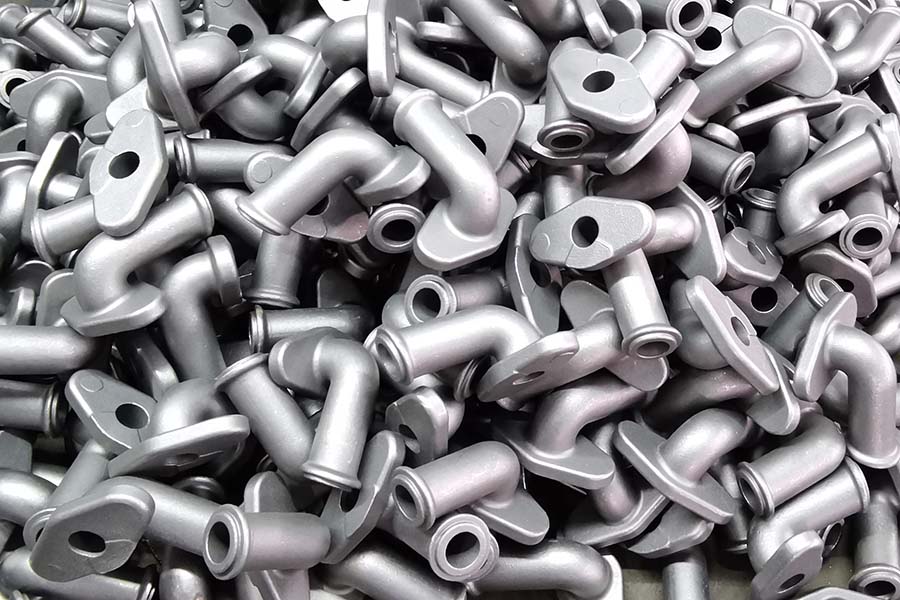
Chemical Composition of 410 SS Material
410 stainless steel is a martensitic alloy known for its balance of strength, hardness, and corrosion resistance. Its chemical composition is key to these properties, primarily consisting of iron with a controlled amount of chromium and carbon along with small quantities of other elements.
Elemental Breakdown Table
| Element | Typical Composition (%) | Purpose/Effect |
|---|---|---|
| Chromium (Cr) | 11.5 – 13.5 | Adds corrosion resistance, hardenability |
| Carbon (C) | 0.08 – 0.15 | Increases hardness and strength |
| Manganese (Mn) | ≤ 1.00 | Improves toughness and strength |
| Silicon (Si) | ≤ 1.00 | Enhances oxidation resistance |
| Phosphorus (P) | ≤ 0.04 | Limits embrittlement |
| Sulfur (S) | ≤ 0.03 | Improves machinability |
| Iron (Fe) | Balance | Base metal |
Compliance Standards
410 SS material complies with several global standards ensuring consistent quality and performance:
- AISI 410 / UNS S41000: Commonly referenced American Iron and Steel Institute and Unified Numbering System designations.
- ASTM A276 / A582: Standards for stainless steel bars and shapes.
- EN 1.4006 / X12Cr13: European and German equivalents based on material chemistry.
This composition allows 410 stainless steel to offer good corrosion resistance, primarily against mild atmospheric environments, while maintaining excellent hardness after heat treatment. Knowing the exact chemical composition ensures you get the mechanical and physical properties expected for demanding applications.
Mechanical Properties of 410 SS Material
410 SS material is known for its excellent balance of strength and hardness, especially when heat treated. Below are key mechanical properties for both annealed and hardened conditions, giving you a clear picture of its performance capabilities.
Annealed Condition (Softened for Machinability)
| Property | Typical Value |
|---|---|
| Tensile Strength | 480 – 620 MPa |
| Yield Strength | 275 – 380 MPa |
| Elongation (%) | 20 – 25 |
| Hardness (Rockwell B) | 80 – 95 |
In the annealed state, 410 stainless steel is easier to machine and form, making it suitable for initial fabrication steps.
Hardened Condition (Heat Treated for Strength)
| Property | Typical Value |
|---|---|
| Tensile Strength | 860 – 1100 MPa |
| Yield Strength | 620 – 950 MPa |
| Elongation (%) | 12 – 15 |
| cURL Too many subrequests. | cURL Too many subrequests. |
cURL Too many subrequests.
cURL Too many subrequests.
cURL Too many subrequests.
cURL Too many subrequests.
cURL Too many subrequests.
cURL Too many subrequests.
- cURL Too many subrequests. cURL Too many subrequests.
- cURL Too many subrequests. cURL Too many subrequests.
- cURL Too many subrequests. cURL Too many subrequests.
- cURL Too many subrequests. cURL Too many subrequests.
- cURL Too many subrequests. cURL Too many subrequests.
cURL Too many subrequests. cURL Too many subrequests. cURL Too many subrequests.
Corrosion Resistance of 410 SS Material
410 stainless steel offers moderate corrosion resistance, especially in mildly corrosive environments. Thanks to its martensitic structure, it performs well against oxidation and some cURL Too many subrequests., but it’s not as resistant as austenitic stainless steels like 304 or 316.
Environmental Performance
- Best suited for: Dry environments and atmospheric conditions with low humidity.
- Vulnerable to: Chloride-rich atmospheres, strong acids, and salty water exposure, where it may rust or pit.
- Rust Resistance: Enhanced when properly heat treated and maintained; however, prolonged exposure to moisture can promote surface oxidation.
- cURL Too many subrequests. Applying coatings or surface finishes can significantly improve corrosion resistance.
Compared to other martensitic grades like 420, 410 offers slightly lower corrosion resistance but better toughness and weldability.
- Performs well in mildly corrosive and indoor environments.
- Use caution in marine or highly acidic conditions.
- Regular maintenance and surface treatments extend service life.
If your project needs machining or fabrication with 410 SS, consider checking our detailed machining coolant guide to optimize your process and help maintain material quality.
Heat Treatment of 410 SS Material
Heat treating 410 SS material properly is key to unlocking its best mechanical properties. This martensitic stainless steel responds well to controlled heating and cooling, allowing you to tailor hardness and strength.
Step-by-Step Heat Treatment Guide
- Annealing
- Heat to 815–900°C (1500–1650°F)
- Hold for 1 hour per inch of thickness
- Furnace cool slowly or air cool to soften the steel and improve machinability
- Hardening (Quenching)
- Heat to 980–1030°C (1800–1885°F) until fully austenitized
- Quench rapidly in oil or air based on section size and desired hardness
- cURL Too many subrequests.
- Temper at 150–370°C (300–700°F), depending on required toughness
- Hold for 1-2 hours and then air cool to relieve stresses and improve ductility
| Temperature (°C) | Time (hours) | Purpose |
|---|---|---|
| 820–900 | 1 per inch | Annealing |
| 980–1030 | 0.5–1 | Austenitizing |
| 150–370 | cURL Too many subrequests. | cURL Too many subrequests. |
cURL Too many subrequests.
- cURL Too many subrequests. cURL Too many subrequests.
- cURL Too many subrequests. cURL Too many subrequests.
- cURL Too many subrequests. cURL Too many subrequests.
- cURL Too many subrequests. cURL Too many subrequests.
cURL Too many subrequests. engineering tolerances cURL Too many subrequests.
cURL Too many subrequests.
cURL Too many subrequests.
cURL Too many subrequests.
cURL Too many subrequests.
- cURL Too many subrequests. cURL Too many subrequests.
- cURL Too many subrequests. cURL Too many subrequests.
- Food Processing: cURL Too many subrequests.
- Aerospace: Used in parts that require strength without excessive weight, along with resistance to heat.
Case Study Teaser:
Companies leveraging 410 SS have noted its exceptional balance between performance and cost, especially in applications requiring hardened parts with moderate corrosion resistance. For example, a leading manufacturer reduced downtime on knife blades by switching to heat-treated 410 stainless steel stock.
For tailored manufacturing needs involving precision parts, exploring options like China investment casting services for tight tolerances can further elevate your component quality and performance.
Fabrication and Machining of 410 SS Material
410 SS material is known for its good machinability and versatility in fabrication, but it does require some care to get the best results. When machining SS 410 stainless steel, keep in mind it’s a martensitic alloy, so it can harden if overheated. Use sharp tools and moderate cutting speeds to avoid excessive wear. Coolants are essential to control heat and improve tool life.
For forming, 410 stainless steel can be bent and shaped in its annealed state, but it’s less ductile compared to austenitic stainless steels. It’s best to perform forming operations before heat treatment to prevent cracking. Also, avoid aggressive cold working to maintain material integrity.
Welding 410 SS needs attention since this grade is prone to brittleness in the heat-affected zone. Use low heat input with finished welds annealed afterward if possible, to restore hardness and toughness. Common welding methods include TIG, MIG, and arc welding, but preheating and post-weld heat treatment are recommended for critical applications. You can find a detailed SS 410 welding guide for best practices.
Surface finishes on 410 stainless steel benefit from polishing and passivation to improve corrosion resistance and appearance. It responds well to grinding, buffing, and polishing, making it ideal for components requiring a smooth, clean finish.
For more precision work on stainless steels, you might also explore guidance on how to handle materials in machining, such as the tips on how to ream a hole for precision machining, which can apply to 410 SS components for tight tolerance needs.
Standards and Specifications of 410 SS Material
410 SS material is recognized globally with several standards and certifications that ensure its quality and uniformity across industries. These standards help you identify the right grade and guarantee performance.
| Standard | Designation | Equivalent Grade | Overview |
|---|---|---|---|
| ASTM A240 | Type 410 | UNS S41000 | Covers stainless steel plate/sheet |
| AISI | 410 | – | Original US steel grade number |
| EN (European Norm) | X12Cr13 | 1.4006 | Widely used European stainless grade |
| JIS (Japanese) | SUS 410 | – | Japanese industrial standard |
| ISO | 683-17 | – | International standard for martensitic steels |
Certifications
- ISO 9001: Ensures consistent quality management in the production process of SS 410.
- RoHS Compliance: Limits harmful substances, confirming SS 410’s compatibility with environmental safety standards.
- REACH Compliance: Ensures material safety regarding chemicals and substances used in the EU.
These global equivalents and certifications make it easy to select the proper 410 stainless steel for your project, especially if you require compliance with international regulations.
For specifics on machining or cutting 410 SS material while maintaining standards, check out our detailed guides on cURL Too many subrequests. cURL Too many subrequests. laser cutting of metal sheets.
Sizing and Availability of 410 SS Material
cURL Too many subrequests.
cURL Too many subrequests.
| Form | cURL Too many subrequests. | cURL Too many subrequests. |
|---|---|---|
| cURL Too many subrequests. | cURL Too many subrequests. | cURL Too many subrequests. |
| cURL Too many subrequests. | cURL Too many subrequests. | cURL Too many subrequests. |
| cURL Too many subrequests. | cURL Too many subrequests. | cURL Too many subrequests. |
| cURL Too many subrequests. | cURL Too many subrequests. | cURL Too many subrequests. |
cURL Too many subrequests.
- cURL Too many subrequests.
- cURL Too many subrequests.
- cURL Too many subrequests.
Pricing Indicator:
Pricing for SS 410 depends on form, size, and treatment but generally falls into the mid-range for stainless steels. Custom options and small batch orders may incur additional cost. Bulk purchasing usually offers better value.
Looking for detailed sizing and dimension guides? Our helpful resources on engineer drawings basics help ensure your 410 stainless steel parts meet precise standards.
Quality Assurance of 410 SS Material
When it comes to 410 SS material, quality assurance is a top priority. Testing protocols for SS 410 typically include chemical analysis, mechanical testing, and microstructural inspections to ensure the material meets AISI 410 properties and global standards. This guarantees consistent performance, whether you are sourcing 410 stainless bar stock or custom components.
Key Testing Protocols:
- Chemical Composition Verification: Confirming elemental makeup to match 410 stainless steel composition standards.
- Mechanical Testing: Tensile strength, hardness, and impact resistance tests verify annealed and hardened states.
- Non-Destructive Testing (NDT): Ultrasonic and dye penetrant tests detect any surface or internal defects.
- Dimensional Accuracy Checks: Precision measurements to meet strict size and tolerance specifications.
Vast is committed to sustainable practices in sourcing and production, minimizing waste and reducing the environmental footprint. Our processes align with modern sustainability frameworks to support eco-friendly manufacturing without compromising material performance.
By choosing Vast for your 410 SS supply, you’re backed by rigorous quality controls and a sustainable commitment designed to meet the highest global standards for martensitic 410 alloy products.
For additional insights on machining and precision fabrication of SS 410, explore our detailed guide on CNC prototypes and rapid precision parts.
Frequently Asked Questions About 410 SS Material
Q1: What is 410 SS material mainly used for?
410 stainless steel is a martensitic alloy known for its good corrosion resistance and hardness. It’s commonly used in cutlery, valve components, and general-purpose parts where moderate strength and wear resistance are needed.
Q2: How does 410 SS compare to 420 SS?
Both are martensitic stainless steels, but 420 SS typically offers higher carbon content, which makes it harder and better for cutting tools. 410 is more versatile for structural parts needing moderate hardness with decent corrosion resistance.
Q3: Can 410 stainless steel be heat treated?
Yes, 410 SS responds well to heat treatment. Annealing and hardening improve its toughness and wear resistance. Proper heat treatment includes heating between 980°C to 1038°C, followed by quenching and tempering steps.
Q4: Is 410 stainless steel good for welding?
Welding SS 410 requires care due to its martensitic nature. Preheating and controlled cooling help avoid cracking. Using filler materials compatible with 410 grades ensures stronger welds. For detailed welding practices, check our SS 410 welding guide.
Q5: How resistant is 410 SS to corrosion?
410 stainless steel offers fair corrosion resistance, especially in mild environments. However, it’s less corrosion-resistant than austenitic stainless steels and isn’t suited for highly corrosive or marine environments.
Q6: What forms does 410 SS come in?
You can find 410 SS in bars, sheets, plates, and rods. It’s available in both stock sizes and custom dimensions, suitable for a range of fabrication needs.
Q7: What international standards cover 410 stainless steel?
Common standards for 410 SS include AISI 410, UNS S41000, and equivalents like X12Cr13 and SUS 410. These help ensure quality and compatibility worldwide.
Need more specifics on working with 410 stainless steel? Explore our comprehensive guides for fabrication and machining to get the best results on your projects.
Ready to Elevate Your Project with Vast 410 Stainless Steel?
If you’re looking for a reliable, versatile martensitic stainless steel, Vast’s 410 SS material is your go-to solution. Whether your project demands strong corrosion resistance, excellent hardness after heat treatment, or good machinability, our 410 stainless steel bars and sheets offer consistent quality backed by global certifications.
To get started, explore our stock options and custom sizing to fit your exact needs. Our expert team is ready to help you select the right grade and treatment for your application—whether it’s for aerospace, automotive, or heavy-duty industrial uses.
Looking to deepen your understanding of stainless steel casting and fabrication? Check out our detailed guide on preventing sand fusion in casting defects to ensure flawless production when working with SS 410 material. For precise component manufacturing, our insights into plastic mold parts design and materials cURL Too many subrequests.
cURL Too many subrequests.
 Spanish (Peru)
  English
  German
  Korean
  Spanish (Spain)
  Italian