
Discover the ultimate surface roughness Ra chart with values, standards, and manufacturing tips to achieve precise and optimized finishes.
Understanding Surface Roughness Core Concepts and Parameters
Surface roughness is a key factor in defining how a part’s surface will perform and interact with its environment. At its core, surface roughness describes the small-scale variations in height, texture, and pattern on a material’s surface. These variations affect everything from friction and wear to paint adhesion and sealing effectiveness.
One of the most common ways to quantify surface roughness is through the Ra value, or average roughness. Ra measures the average height deviations from the mean line over a specified length. Think of it as an average measure of the peaks and valleys on a surface. This makes Ra a straightforward, reliable indicator that engineers and manufacturers use daily to specify and control surface quality.
Other important surface texture parameters include:
- Rz: Average peak-to-valley height in a given sampling length, often showing more extreme roughness compared to Ra.
- Rt: Total height of the roughness profile within the sample length.
- RMS (Root Mean Square): Similar to Ra, but it emphasizes larger deviations by squaring the height differences.
Ra remains the most widely used because it’s easy to measure and communicates surface quality clearly to both production and inspection teams.
The practical impact of Ra on parts is significant. A lower Ra value usually indicates a smoother surface, which can:
- Improve sealing surfaces to prevent leaks
- Reduce friction and wear, extending component life
- Enhance appearance and tactile feel
- Improve coating and paint adhesion
Conversely, some applications require a rougher surface (higher Ra) for better mechanical grip or bonding.
Ultimately, understanding these surface roughness components and how Ra values relate to actual part performance helps manufacturers optimize processes and meet strict quality standards efficiently.
The Essential Ra Surface Roughness Chart Values Symbols and Comparisons
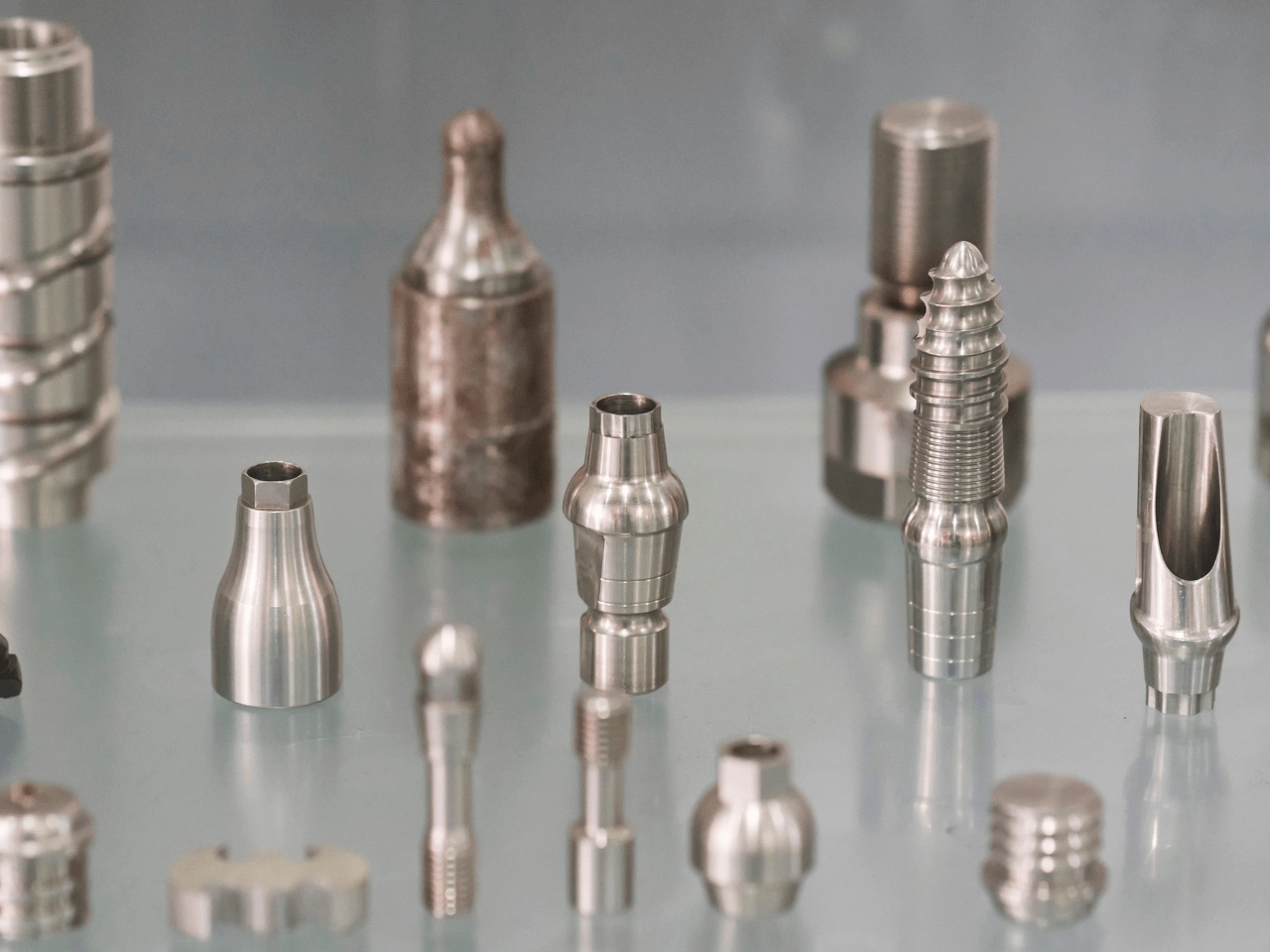
When working with surface roughness, the Ra chart is your go-to reference. Ra, or average roughness, is typically measured in micrometers (µm) or microinches (µin). The chart helps you quickly compare Ra values across different finishes and manufacturing standards.
Key Ra Chart Elements
- Ra ranges: Ra values usually range from very smooth surfaces like 0.025 µm (1 µin) to rougher surfaces above 25 µm (1000 µin).
- ISO grades: The ISO surface roughness grades (like ISO 1302) classify finishes from very smooth (N1) to rough (N12). These grades correspond to specific Ra ranges used worldwide.
- Unit conversions: In the U.S., microinches (µin) are common; in metric, micrometers (µm) dominate. 1 µm equals about 40 µin, so the chart often includes quick conversions.
- Surface finish examples: The chart matches Ra values with familiar finishes — for example, polished metal might be around 0.1 – 0.4 µm Ra, while a turned or milled surface might be 1.6 – 3.2 µm Ra.
- cURL Too many subrequests.: GD&T surface texture symbols are also part of the chart, showing how roughness requirements appear on engineering drawings.
Practical Use
Most labs and manufacturing floors rely on Ra charts to verify if parts meet design specs. Whether it’s CNC machining, grinding, or polishing, the Ra chart ties your expectations to measurable numbers. It’s a practical tool for engineers, machinists, and quality control professionals looking to standardize finishes and communicate clearly about surface textures.
Using the Ra surface roughness chart simplifies specifying, measuring, and comparing surface quality — a must-have for reliable production and inspections in the U.S. market.
How Manufacturing Processes Influence Ra Values A Process by Process Breakdown
Different manufacturing processes create varying surface roughness levels, directly impacting Ra values. Understanding these differences helps pick the right method to meet your finish requirements and budget.
Typical Ra Ranges by Process
| Process | Typical Ra Range (µin) | cURL Too many subrequests. |
|---|---|---|
| cURL Too many subrequests. | 16–63 | Depends on tool sharpness and feed |
| Grinding | 8–32 | Produces finer finishes than machining |
| Polishing | 2–16 | Reduces surface peaks significantly |
| Electropolishing | cURL Too many subrequests. | cURL Too many subrequests. |
| Sandblasting | cURL Too many subrequests. | cURL Too many subrequests. |
| Casting | cURL Too many subrequests. | cURL Too many subrequests. |
cURL Too many subrequests.
- cURL Too many subrequests.cURL Too many subrequests.
- GrindingcURL Too many subrequests.
- PolishingcURL Too many subrequests.
- ElectropolishingcURL Too many subrequests.
- cURL Too many subrequests.cURL Too many subrequests.
cURL Too many subrequests.
- cURL Too many subrequests.
- cURL Too many subrequests.
- cURL Too many subrequests.
Case Study Teaser
For example, a stainless steel implant starts with CNC machining (Ra ~32 µin), then goes through electropolishing to achieve an Ra below 8 µin—ideal for reducing bacterial buildup and improving biocompatibility.
Knowing your target Ra helps balance cost, performance, and manufacturing time effectively. This process-focused view guides smart decisions in surface finish planning.
Measuring and Specifying Surface Roughness Tools Techniques and Best Practices
When it comes to measuring surface roughness Ra, having the right tools and knowing how to use them makes all the difference. Here’s a quick rundown to help you get accurate readings and specify surface finishes confidently.
Common Tools for Measuring Ra
- Profilometers – The go-to instruments that trace the surface, delivering precise Ra values. You’ll find contact types that use a stylus and non-contact options using lasers or light.
- Optical Scanners – Great for non-contact measurement, especially on delicate parts.
- Microscopes with Surface Analysis – Useful for visual inspection combined with roughness quantification.
Step-by-Step Measurement Guide
- Prepare the Surface – Clean the part thoroughly to remove oils, debris, or coatings that can skew readings.
- Calibrate Your Tool – Always check calibration before each session against a standard reference roughness specimen.
- Select Measuring Length – Follow ISO or ANSI standards for evaluation length; improper length throws off your Ra.
- Perform Multiple Readings – Take measurements at several spots to capture surface variations and get a reliable average.
- Record and Interpret Results – Carefully compare Ra values to your surface roughness Ra chart or specification documents.
Tips for Specifying Surface Roughness
- Use the right surface texture symbols from GD&T standards in drawings.
- Clearly state the Ra value range with units in microinches or micrometers.
- Include any conversion info if your shop uses different units (like Ra vs RMS roughness).
- Specify measurement conditions, such as measurement length and direction relative to machining marks.
cURL Too many subrequests.
- Using an uncalibrated profilometer.
- Measuring on dirty or uneven surfaces.
- Ignoring proper evaluation lengths.
- Taking just one measurement point.
- Confusing Ra with other roughness parameters like RMS.
Advanced Techniques and Tools
- 3D Surface Profiling – Gives a fuller picture of surface texture beyond Ra.
- Atomic Force Microscopy (AFM) – For ultra-fine measurements down to nanometers.
- Data Software cURL Too many subrequests.
cURL Too many subrequests.
cURL Too many subrequests.
cURL Too many subrequests.
cURL Too many subrequests.
- cURL Too many subrequests. cURL Too many subrequests.
- cURL Too many subrequests. cURL Too many subrequests.
- cURL Too many subrequests. cURL Too many subrequests.
- cURL Too many subrequests. cURL Too many subrequests.
cURL Too many subrequests.
cURL Too many subrequests.
cURL Too many subrequests.
 Spanish (Spain)
  English
  Spanish (Peru)
  German
  Korean
  Italian