
Explore comprehensive aluminum coatings guides covering anodizing, powder coating, and clear protective finishes to enhance durability and corrosion resistance.
The Fundamentals How Aluminum Coatings Work and Why You Need
Aluminum coatings protect and enhance aluminum’s natural strength and lightweight benefits. These coatings form a barrier that shields aluminum from corrosion, UV damage, and wear, extending the life of your products or structures. Whether used in construction, marine settings, or industrial equipment, aluminum coatings improve durability and appearance.
Here’s why aluminum coatings are essential:
- Prevent corrosion: Aluminum naturally forms a thin oxide layer, but coatings add extra protection against moisture and pollutants.
- Boost weather resistance: Many coatings guard against sun damage and fading, keeping surfaces looking fresh longer.
- Enhance aesthetics: Coatings like anodizing or powder coating add color and texture options while maintaining aluminum’s sleek, modern look.
- Improve performance: Specialty coatings can reflect heat or resist chemicals, tailoring aluminum to your specific needs.
In short, applying the right aluminum coating means better performance, longer lifespan, and less maintenance. It’s a smart investment whether you’re working on marine aluminum protection or industrial anodizing processes. Ready to explore your options?
Top Types of Aluminum Coatings Pros Cons and Best Fit Scenarios
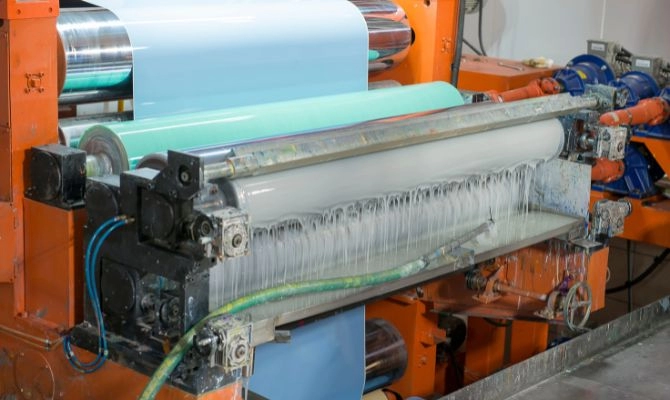
When it comes to aluminum coatings, you have several solid options depending on what you need—whether it’s corrosion resistance, aesthetics, or durability. Here’s a quick breakdown of the main types, what they do well, and when to use them.
Anodizing Electrochemical Oxide Layer
How it works: This process creates a tough, corrosion-resistant oxide layer on aluminum by using an electrochemical bath.
cURL Too many subrequests.
- Great for wear and corrosion resistance
- Long-lasting and durable finishes
- Offers a natural look or can be dyed for color
cURL Too many subrequests. - Can be pricey
- Not as thick as paint coatings, so surface protection is thinner
Best for: Industrial anodizing process needs, marine aluminum protection, and aluminum extrusion finishes.
Powder Coating Electrostatic Dry Paint Application
How it works: Powder coating sprays dry paint onto aluminum using an electrostatic charge, then cures it with heat.
cURL Too many subrequests.
- Excellent corrosion and UV resistance
- Thick, even coating that’s tough against scratches
- Wide color and texture options
cURL Too many subrequests. - Requires baking, so it’s not for heat-sensitive parts
- Can be more expensive than traditional paint
Best for: Outdoor aluminum surfaces, UV resistant aluminum paints, and high-traffic areas needing heavy-duty protection.
Chromate Conversion Coating like Alodine and Iridite
How it works: This chemical treatment creates a thin protective layer that improves corrosion resistance and paint adhesion.
cURL Too many subrequests.
- Enhances corrosion resistance, especially on bare aluminum
- Improves paint adhesion for better coating durability
- Fast and cost-effective
cURL Too many subrequests. - Layer is very thin, so it needs a topcoat for optimal protection
- Less environmentally friendly than newer options
Best for: Prepping aluminum for further coating, marine applications, and industrial settings that require cost-effective corrosion protection.
cURL Too many subrequests.
How it works: cURL Too many subrequests.
cURL Too many subrequests.
- cURL Too many subrequests.
- cURL Too many subrequests.
- cURL Too many subrequests.
cURL Too many subrequests. - cURL Too many subrequests.
- cURL Too many subrequests.
Best for: cURL Too many subrequests.
cURL Too many subrequests.
How it works: cURL Too many subrequests.
cURL Too many subrequests.
- cURL Too many subrequests.
- cURL Too many subrequests.
- cURL Too many subrequests.
cURL Too many subrequests. - cURL Too many subrequests.
- cURL Too many subrequests.
Best for: cURL Too many subrequests.
cURL Too many subrequests.
cURL Too many subrequests.
cURL Too many subrequests.
1. Identify Your Environment
- Indoor or outdoor use? Outdoor setups need UV resistant aluminum paints or protective clear coats to handle sun and weather.
- Exposure to moisture or chemicals? Marine aluminum protection calls for corrosion-resistant coatings like powder coating or chromate conversion.
2. Define Performance Needs
- Durability vs appearance: Anodized aluminum finishes offer strong protection and a sleek look. Powder coating adds tough corrosion resistance plus color options.
- Special functions: Need thermal reflective roof coatings to keep temperatures down? Specialty coatings can deliver.
3. Consider Application Method
- Ease and cost: Powder coating involves electrostatic dry paint application—great for solid coverage and cost-effective long-term.
- Surface requirements: Anodizing is an industrial anodizing process creating an electrochemical oxide layer that’s very durable but requires precise prep.
4. Check Maintenance and Longevity
- How often will you maintain? NanoTech aluminum sealants and protective clear coats extend life with minimal upkeep.
- Wear and tear: For high traffic or heavy use, go with coatings known for toughness like anodizing or powder coating.
5. Evaluate Environmental Impact
- Look for coatings that meet regulations for low VOCs and eco-friendly disposal where possible, especially important for local U.S. markets.
By working through these steps, you’ll find the right aluminum coating that balances protection, style, and cost perfectly for your project.
Application Best Practices From Prep to Long Term Maintenance

Getting the most out of aluminum coatings starts with proper application and ongoing care. Here’s how to ensure your finish stays strong and looks great over time:
Preparation Matters
- Clean the Surface Thoroughly: Remove dirt, oils, and oxidation with a degreaser or mild abrasive. This ensures better adhesion for coatings like anodized aluminum finishes or powder coating for corrosion resistance.
- Smooth Rough Spots: Sand or use mechanical means to create an even surface, especially if you’re applying clear protective coats or chromate conversion coatings.
- Dry Completely: Moisture can weaken coatings and cause peeling or bubbling.
Application Tips
- Follow Manufacturer Instructions: Each aluminum coating type has specific steps—anodizing requires an industrial anodizing process, while powder coating uses electrostatic dry paint application. Stick to the guidelines.
- Controlled Environment for Best Results: Apply coatings in a controlled setting, avoiding high humidity or dust, to maximize adhesion and finish.
- Proper Thickness Is Key: Too thin and you lose corrosion resistance; too thick can cause cracking or peeling.
Long Term Maintenance
- Regular CleaningcURL Too many subrequests.
- cURL Too many subrequests.cURL Too many subrequests.
- cURL Too many subrequests.cURL Too many subrequests.
cURL Too many subrequests.
cURL Too many subrequests.
cURL Too many subrequests.
cURL Too many subrequests.
- cURL Too many subrequests.cURL Too many subrequests.
- ConstructioncURL Too many subrequests.
- cURL Too many subrequests.cURL Too many subrequests.
- cURL Too many subrequests.cURL Too many subrequests.
- cURL Too many subrequests.cURL Too many subrequests.
cURL Too many subrequests.
 Spanish (Spain)
  English
  Spanish (Peru)
  German
  Korean
  Italian