
Discover what a slotting machine is and how its vertical reciprocating motion creates precise internal slots for manufacturing and machining tasks.
What Exactly is a Slotting Machine?
A slotting machine is a specialized tool used to cut precise slots, grooves, and internal shapes like keyways inside a workpiece. Unlike a milling machine that rotates a cutter, a slotter uses a vertical, reciprocating tool that moves up and down, shaping the metal with each stroke.
How It Compares to Shaper and Broaching Machines
- Slotting Machine vs. Shaper: Both operate with a reciprocating cutting action, but a shaper moves the tool horizontally, ideal for flat surfaces. A slotter’s vertical movement suits internal slots and deeper grooves.
- Slotting Machine vs. Broaching Machine: Broaching machines pull or push a multi-tooth cutting tool in one pass to create complex shapes quickly, but they require custom broaches. Slotting machines are more versatile for various shapes with changeable single-point tools.
Historical Background and Evolution
The slotting machine dates back to the late 19th century when precision internal machining became essential in manufacturing. Over time, it evolved from purely manual models to electrically driven machines featuring quick-return mechanisms that speed up production cycles. Today, CNC slotting machines integrate computer controls for precision and automation, keeping this classic tool relevant in modern shops.
Pro Tip: Recognizing when to use a slotter instead of a shaper or broacher can save time and money, especially for one-off or small-batch internal machining jobs.
Key Components: Inside the Heart of a Slotting Machine
A slotting machine’s performance depends heavily on its core parts. Here’s a quick look inside:
- Base and Column: These provide a solid, stable foundation to keep everything steady during operation. Stability is crucial, especially when cutting precise slots or keyways.
- Ram and Tool Head: The ram moves up and down, carrying the cutting tool. Stroke length varies depending on the model and application. Different tools can be mounted here, including keyway cutting tools or special cutters for internal grooves.
- Table Assembly: Usually features a swiveling rotary table that helps position the workpiece accurately. It also includes clamps to hold the workpiece firmly in place during cutting.
- Drive Mechanism: Most slotters have a quick-return mechanism, which speeds up the ram’s return stroke to save time. Variable speed settings allow you to match cutting conditions, whether you’re roughing out a slot or finishing keyways.
- Feed and Control Systems: These may be manual or digital. Traditional slotting machines use hand cranks and levers for feed, while advanced models offer computerized interfaces for precision and repeatability.
- Tool Selection and Vibration Reduction: Choosing the right tool matters—different cutters fit different slots and materials. Many modern slotting machines incorporate features to reduce vibration, which boosts accuracy and tool life.
Understanding these components helps you pick the right slotter and get the job done smoothly, especially if you’re handling precision work common in industries around the U.S.
How It Works: Step-by-Step Operation of a Slotting Machine
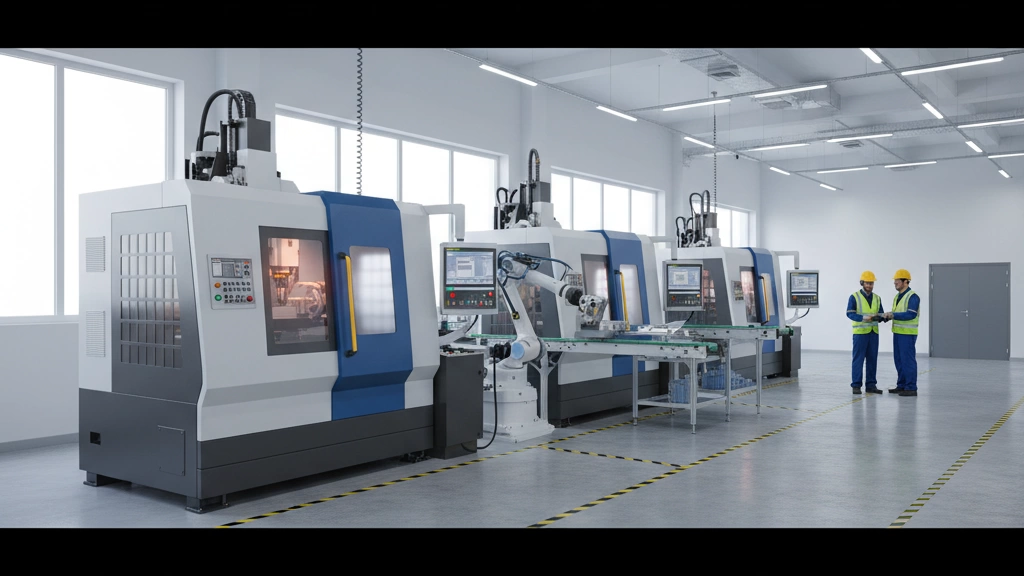
Operating a slotting machine involves a clear sequence to get precise cuts every time. Here’s a simple breakdown:
- Securing the Workpiece: First, clamp your workpiece firmly on the machine’s table or rotary table. Proper clamping prevents movement during cutting, ensuring accuracy and safety.
- Mounting & Aligning the Cutting Tool: Attach the keyway cutting tool or any required blade to the ram. Align it carefully with the intended slot or groove on the workpiece. Proper alignment is crucial for clean cuts.
- Engaging the Drive & Stroke: Start the machine to power the drive mechanism. The ram moves downward in a straight, reciprocating motion, making the cutting stroke. Thanks to the quick return mechanism, the ram returns faster upward to save time without cutting.
- Incremental Table Feeding & Multi-Pass Cutting: After each downward stroke, the table/feed moves slightly to position for the next cut. Slotting usually requires multiple passes to reach the final depth, feeding in small increments for smooth finishing.
- Coolant Flow & Chip Removal: Maintain a steady flow of coolant to reduce heat and tool wear. Clearing chips regularly keeps the work area clean and prevents damage to both tool and workpiece.
- Downward Cutting Kinematics & Safety: The cutting happens only on the downward stroke, which provides better control and less tool strain. Always follow safety protocols—wear eye protection, keep guards in place, and don’t overload the machine.
- cURL Too many subrequests.
- cURL Too many subrequests. cURL Too many subrequests.
- cURL Too many subrequests. cURL Too many subrequests.
- cURL Too many subrequests. cURL Too many subrequests.
- cURL Too many subrequests. cURL Too many subrequests.
cURL Too many subrequests.
cURL Too many subrequests.
cURL Too many subrequests.
- cURL Too many subrequests.cURL Too many subrequests.
- cURL Too many subrequests.cURL Too many subrequests.
- cURL Too many subrequests.cURL Too many subrequests.
- cURL Too many subrequests.: The high-tech option with computer controls, automation, and seamless CAD/CAM integration. Best for shops focused on repeatability, tight tolerances, and faster setups.
Quick Decision Matrix
| Slotter Type | Stroke Length | Common Use | Approximate Cost |
|---|---|---|---|
| cURL Too many subrequests. | Long (Heavy strokes) | Roughing, heavy metal parts | Moderate to High |
| cURL Too many subrequests. | Short (Fine strokes) | Precision keyways/grooves | Moderate |
| General-Purpose | Medium (Versatile) | Mixed tasks, complex angles | Moderate |
| cURL Too many subrequests. | Variable, programmable | Automated production runs | High |
Choosing the right slotting machine depends on your workload, the parts you work on most, and your budget. For many U.S. workshops, starting with a toolroom or general-purpose slotter covers most basic needs. If speed and automation are critical, investing in a CNC slotting machine makes sense and can boost productivity in the long run.
Applications and Industries: Where Slotting Machines Shine
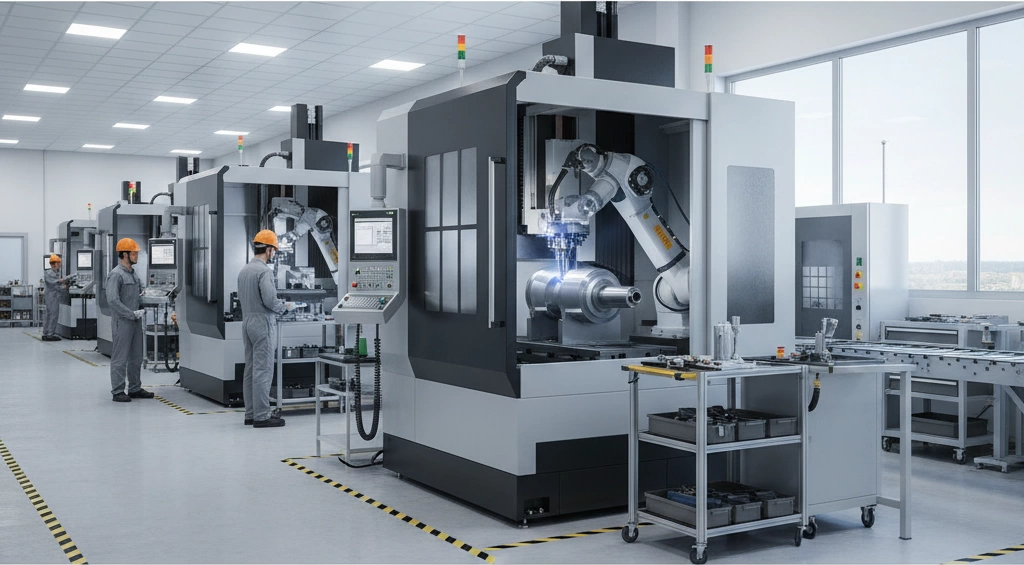
Slotting machines are versatile tools that find their strength in a range of industries. They excel at internal and external gear and spline cutting, making it easy to create precise grooves and keyways. This makes them a key player in manufacturing gears and shafts used across multiple sectors.
They’re also essential for die and punch forming, supporting the production of metal forms and shapes needed in stamping and pressing operations. When it comes to repair work, especially in heavy industries like shipbuilding and power plants, slotters help restore worn parts quickly, ensuring machinery stays up and running.
In the automotive, aerospace, and tool & die industries, slotting machines handle precision jobs where accuracy is critical. Plus, they’ve adapted well for non-metal materials, including wood and composite materials, expanding their usefulness to furniture making and lightweight manufacturing.
Overall, the slotting machine is a go-to tool for jobs requiring fine internal grooves, heavy-duty forming, or repair work across different industries right here in the U.S.
Advantages, Limitations, and Maintenance Essentials of Slotting Machines
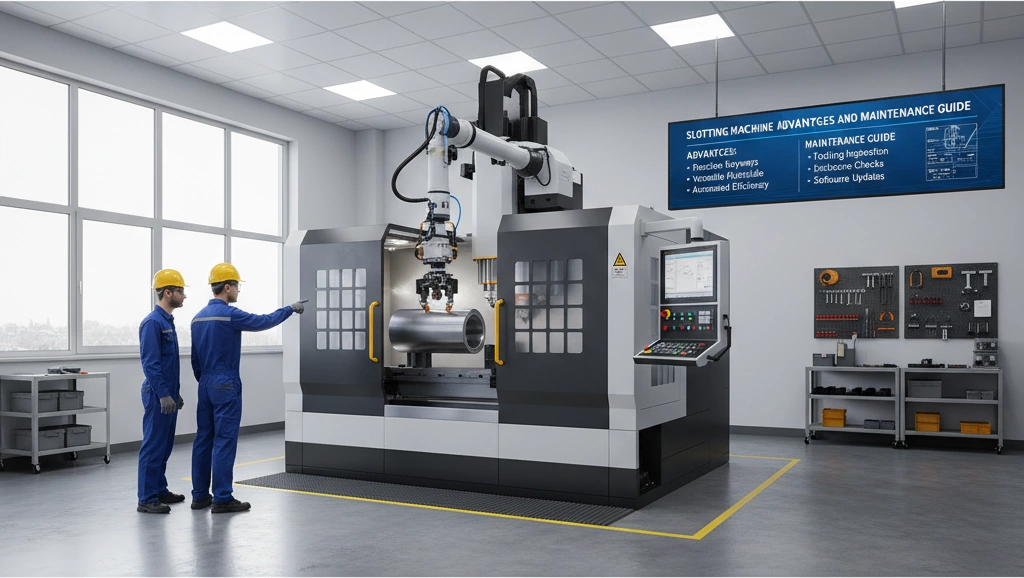
Advantages
- Great for Internal Features: Slotting machines excel at cutting internal grooves, keyways, and slots that other machines can’t reach easily.
- Cost-Effective for Small Runs: If you’re making prototypes or small batches, slotters offer affordable, precise cuts without heavy setup costs.
- Precision in Certain Tasks: Toolroom slotters give clean, accurate results for keyway cutting tools and fine features.
Limitations
- Slower Than Milling: Slotting is a slower process compared to milling machines, so it’s not ideal for large production runs requiring speed.
- Limited Slot Types: The machine is best for straight slots or keyways but struggles with complex or curved slots that milling or broaching can handle better.
Maintenance Checklist
cURL Too many subrequests.
- cURL Too many subrequests. cURL Too many subrequests.
- cURL Too many subrequests. cURL Too many subrequests.
- cURL Too many subrequests. cURL Too many subrequests.
- cURL Too many subrequests. cURL Too many subrequests.
cURL Too many subrequests.
cURL Too many subrequests.
cURL Too many subrequests.
cURL Too many subrequests.
cURL Too many subrequests.
cURL Too many subrequests.
cURL Too many subrequests.
- cURL Too many subrequests. cURL Too many subrequests.
- cURL Too many subrequests. Consider CNC slotters if you want repeatability and fewer manual steps.
- Budget vs. ROI: Think long term about how faster cycles or better precision can save money overall.
At vast, we offer tailored advice and customized quotes to help you pick the best fit for your operation. Reach out today and let’s talk about what your shop needs and how the newest slotting tech can work for you.
 Spanish (Spain)
  English
  Spanish (Peru)
  German
  Korean
  Italian