
Explore our ultimate guide to fasteners covering types bolts screws nuts corrosion resistance and sourcing tips for every project need.
Core Types of Fasteners
Fasteners are essential components in virtually every industry, connecting parts securely and reliably. Understanding the core types helps you choose the right hardware for your project.
Threaded Fasteners
Threaded fasteners are the backbone of mechanical assembly. These include:
- Bolts: Strong, threaded shafts paired with nuts to clamp parts together. Common in structural applications due to high load capacity.
- Screws: Similar to bolts but often self-tapping, screws create their own thread in materials like wood, metal, or plastic.
- Nuts: Used with bolts, nuts provide the locking mechanism to keep assemblies tight.
Threaded connectors like bolts and nuts are ideal for applications demanding strength and easy disassembly.
Non-Threaded Fasteners
When threads aren’t needed, non-threaded fasteners come into play:
- Rivets: Permanent fasteners that join materials by deforming the tail end, offering lasting integrity in aircraft and construction.
- Pins: Simple shafts inserted to hold parts in place, such as cotter or roll pins.
- Clips: Snap-in fasteners that hold components quickly without tools, perfect for automotive or electronics.
These provide durable, vibration-resistant solutions where removal is rarely required.
Specialty Fasteners
For unique requirements, specialty fasteners deliver tailored performance:
- Anchors: Firmly secure fasteners into concrete or masonry, critical in heavy-duty construction.
- Washers: Distribute load and protect surfaces, enhancing the longevity of bolted joints.
- Retaining Rings: Snap into grooves to hold assemblies or components in place, often used in machinery.
Choosing the right specialty fastener enhances durability while addressing specific installation challenges.
Knowing these core fastener types lets you match the right hardware to your application—whether you need reliable structural bolts, corrosion-resistant rivets, or precision retaining rings. Stay tuned as we dive into key selection factors next, simplifying your buying decisions.
Key Factors in Selecting Fasteners
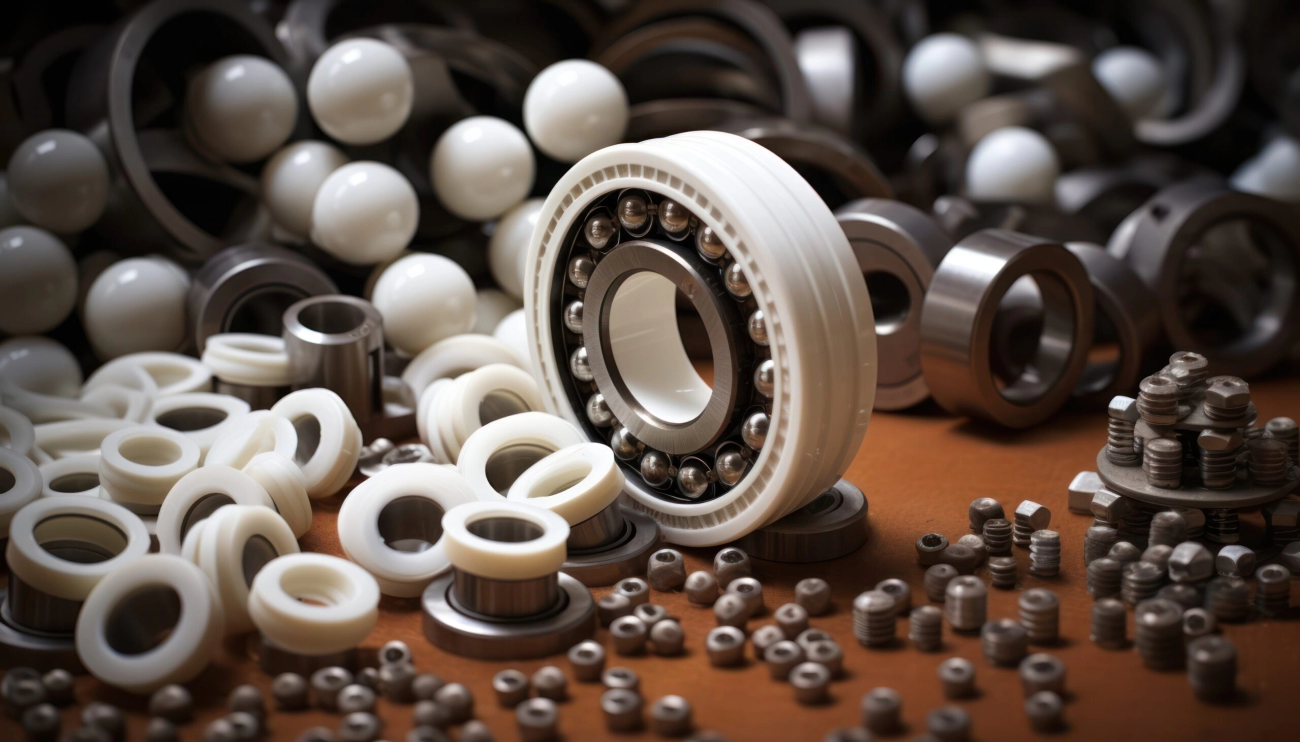
Choosing the right fasteners means thinking about several important factors to ensure your project holds up and lasts.
Load and Tension
Start by considering how much weight or force the fastener needs to handle. For heavy loads or structural bolts, you want fasteners made to withstand that tension without failing. For lighter applications, standard bolts or screws might be enough.
Material Compatibility
Match fastener materials with what you’re joining. Using corrosion-resistant fasteners like stainless steel or coated bolts prevents rust, especially outdoors or in moist environments. Avoid mixing metals that can cause galvanic corrosion.
Size and Standards
Fastener size matters. Always check for the right diameter, length, and thread type—whether you need metric fasteners or standard US sizes. Following industry standards ensures your bolts, nuts, and screws fit correctly and work safely.
Installation Best Practices
Proper installation is key. Using the right tools and torque levels avoids over-tightening or stripping threads. For example, washers distribute load evenly, and anchor bolts need proper embedment for strength.
Case Study
A local construction company switched to corrosion-resistant anchor bolts for a coastal project. The result? Less maintenance and longer-lasting joints despite saltwater exposure.
Interactive Quiz
Want to test your fastener know-how? Try matching the fastener type to the project load or environment. It’s an easy way to sharpen your choices before buying your next batch of industrial hardware or bulk screws.
Sourcing Fasteners
Finding the right fasteners at the right price can make a big difference for your projects. Here’s a quick guide to sourcing fasteners that fit your needs.
Bulk Buying for Pros
If you’re handling large projects or running a workshop, buying bolts, nuts, screws, and washers in bulk saves time and money. Bulk screws suppliers often offer better rates, and having enough stock on hand means less downtime.
Local Habits and Hacks
Many U.S. contractors prefer sourcing locally to avoid shipping delays and check product quality in person. Visiting nearby industrial hardware stores lets you pick up metric fasteners or corrosion-resistant fasteners suited for regional weather conditions. Also, local suppliers might have tips on which fasteners work best for your area’s construction or automotive industries.
Online vs In-Person
Online stores provide convenience and often a wider selection, especially for specialty fasteners like anchor bolts or retaining rings. But buying in person lets you inspect fastener quality firsthand and get advice from experienced staff. For critical uses, balance online bulk deals with local checks.
Cost-Saving Tips
- Compare suppliers regularly to catch promotions
- Consider shipping costs and minimum order quantities
- Ask about customization options to reduce waste
- Use supplier comparison tables to pick the best price for your specs
Supplier Comparison Table
| Supplier | Types Available | Bulk Discounts | Shipping Speed | Customization Options |
|---|---|---|---|---|
| Local Hardware | Bolts, nuts, washers | Moderate | Same day | Limited |
| Online Bulk Store | Screws, rivets, pins | High | 3-5 days | Extensive |
| Industrial Factory | Threaded connectors, specialty fasteners | High | 5-7 days | Full customization |
Call to Action
Ready to find the perfect fasteners for your next build? Check out trusted local suppliers, explore reliable online bulk screws suppliers, and make sure you’re getting the best deals without sacrificing quality. Start sourcing smart, whether for construction, automotive, or industrial needs.
Advanced Applications and Innovations in Fasteners
Fasteners have come a long way, especially in industries like aerospace, automotive, and construction. These sectors demand high-performance, reliable fasteners that can handle extreme conditions, heavy loads, and vibration.
Industry Spotlights
- Aerospace: Fasteners here need to be super lightweight but strong, often using materials like titanium or corrosion-resistant alloys. Custom threaded connectors and structural bolts are crucial for safety and durability.
- Automotive: Fasteners must endure heat and constant movement. Corrosion-resistant bolts, nuts, and washers are common to keep vehicles running smoothly over time.
- Construction: Anchor bolts and heavy-duty fasteners are vital to hold structures together securely. Bulk screws and rivets come in handy for everything from framing to finishing work.
Emerging Trends
- Use of smart fasteners with sensors to monitor tension and stress in real time.
- Development of eco-friendly materials that resist corrosion and last longer, reducing replacements and waste.
- Lightweight composites replacing steel in some fastener applications, particularly in aerospace and automotive.
Maintenance and Troubleshooting
- Regular inspections to spot wear or loosening.
- Use proper torque tools to avoid overtightening or damage.
- Switch to corrosion-resistant fasteners when working in coastal or humid environments to extend lifespan.
- Replace worn or damaged fasteners promptly to prevent bigger failures.
By staying on top of these trends and maintenance tips, you can make sure your projects using fasteners are safe, durable, and cost-effective. Whether you’re working on a commercial build or personal project, understanding these innovations helps you choose the right fastener every time.
 English
  Spanish (Peru)
  German
  Korean
  Spanish (Spain)
  Italian