
Discover heavy duty rivets with high strength, durable materials, and top tools for automotive, construction, and DIY projects.
Struggling to find heavy duty rivets that actually hold up when it counts? Whether you’re tackling tough industrial builds or DIY fixes, choosing the right rivet can make or break your project. In this guide, you’ll discover what makes heavy duty rivets stand out—from types and sizes to the best tools for easy, reliable installation. Ready to unlock the strength your work deserves? Let’s get into everything you need to know to rivet like a pro.
Understanding Heavy Duty Rivets
If you’ve ever struggled with flimsy fasteners that just don’t hold up, heavy duty rivets might be the solution you need. But what exactly makes a rivet “heavy duty”? Simply put, these rivets are designed to handle tougher jobs where strength and durability are non-negotiable. Unlike standard rivets, heavy duty rivets offer greater shear and tensile strength, making them ideal for structural and high-stress applications.
Core Types of Heavy Duty Rivets
There are several types of heavy duty rivets, each designed for different materials and uses:
- Structural Blind RivetsThese are popular for joining thick materials where access is only available from one side. They expand inside the hole to create a strong bond.
- Rivet Nut Heavy DutyThese threaded rivet nuts provide a durable anchor point in thin metals, perfect for machinery or automotive repairs.
- Stainless Steel RivetsResistant to corrosion and ideal for outdoor or marine use, stainless steel rivets combine strength with longevity.
Sizing and Material Breakdown
Heavy duty rivets come in various sizes, typically ranging from 1/8 to 1/4 inch in diameter. The size you choose depends on the materials you’re joining and the load requirements.
Materials include:
| Material | Strength | Typical Use |
|---|---|---|
| Aluminum | Lightweight, moderate strength | Automotive panels, light structures |
| Steel | High strength | Heavy machinery, construction |
| Stainless Steel | Corrosion resistant, strong | Outdoor applications, marine use |
When to Choose Heavy Duty Over Standard Rivets
Ask yourself:
- Is your project structural or load-bearing?
- Will the joint face high stress, vibration, or impact?
- Do you need corrosion resistance for outdoor or marine environments?
If you answer yes to any of these, heavy duty rivets are your best bet. They offer the durability that standard rivets simply can’t match, ensuring your project stays secure for the long haul.
Essential Tools for Installing Heavy Duty Rivets
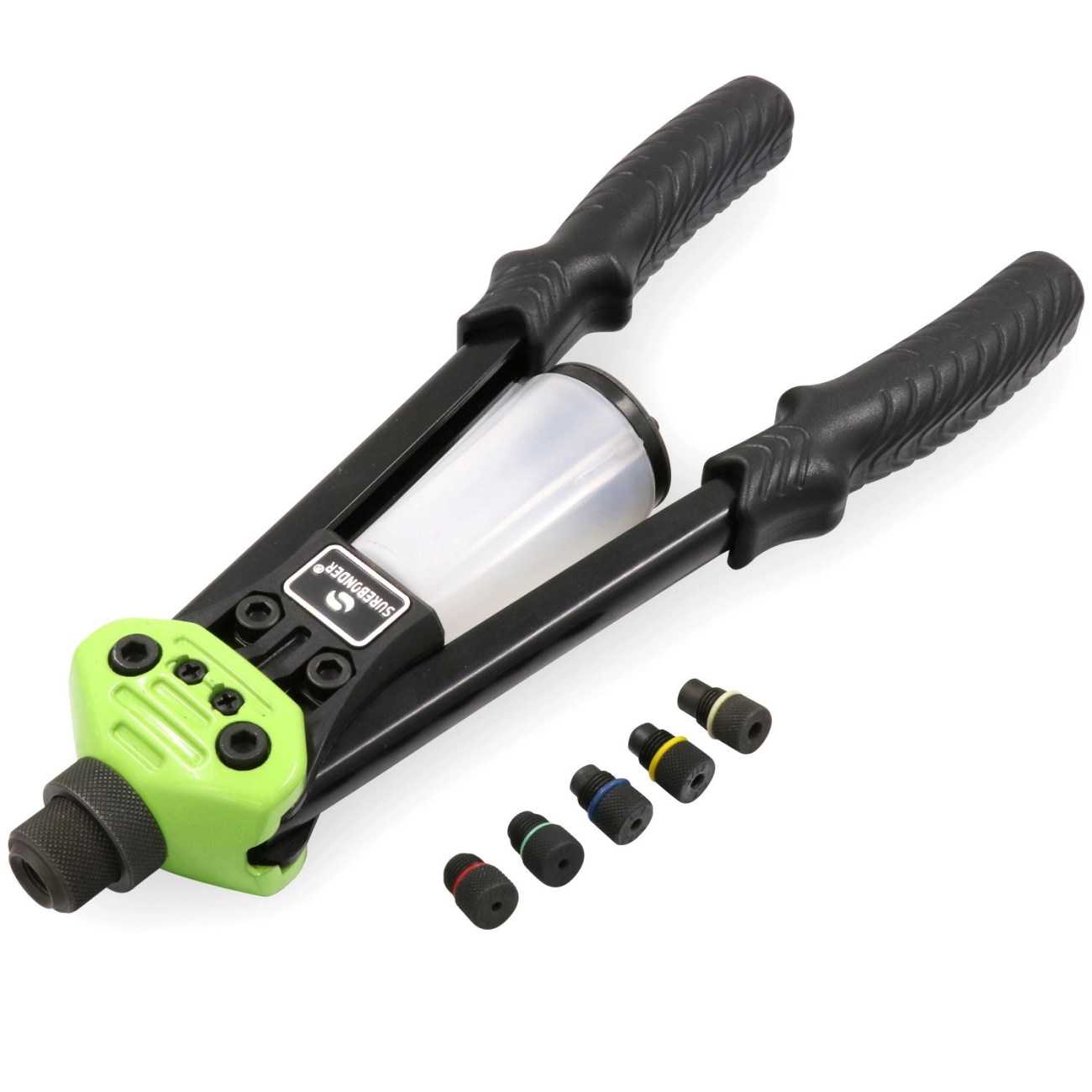
Choosing the right tools makes a big difference when working with heavy duty rivets. If you’re a DIYer or need portability, a heavy duty hand riveter is your best bet. These tools are easy to use, don’t require power, and are perfect for smaller jobs around the house or light repairs.
For professionals or bigger projects, pneumatic and hydraulic rivet guns offer pro-level power and speed. A pneumatic rivet setter or hydraulic tool can handle larger rivets and tougher materials with less effort, which is key for automotive repairs or construction work.
Don’t forget tool maintenance to keep everything running smoothly. Regularly clean your rivet tools, lubricate moving parts, and check for wear to extend their life. Well-maintained tools will save you time and frustration on every job.
If you’re curious about the right equipment for heavy duty work, exploring a quality pop rivet gun kit is a smart move—especially if you want a starter setup that covers different rivet sizes from 1/8 to 1/4 inch.
Top Applications for Heavy Duty Rivets in Everyday and Pro Projects
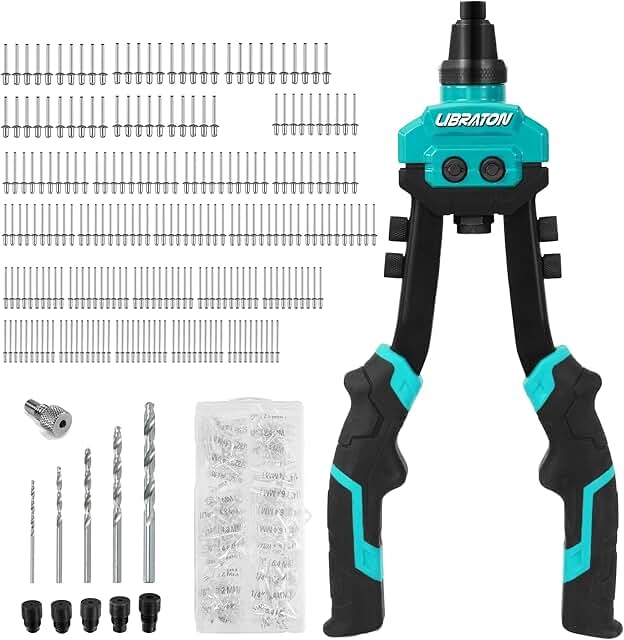
Heavy duty rivets are go-to fasteners when you need strength and reliability. They shine in both professional and DIY settings across several key areas.
Automotive and Machinery Repairs
When fixing cars, trucks, or heavy machinery, stainless steel rivets and structural blind rivets handle the stress and vibration better than standard rivets. They’re perfect for patching body panels, securing panels, or reinforcing metal parts where a strong hold is essential.
Construction and Metal Fabrication
In construction, heavy duty rivets are used to fasten metal frames, roofing, and cladding. Their high strength rivet installation makes them ideal for steel beams, aluminum sheets, or metal fences—offering long-lasting support that withstands weather and heavy loads.
DIY and Crafts From Leatherwork to Furniture
You don’t have to be a pro to use heavy duty rivets. Hobbyists and DIYers rely on heavy duty hand riveters with rivet sizes from 1/8 to 1/4 inch for projects like leather belts, bags, or even assembling furniture. These rivets add sturdy joins without the need for welding or screws, making metal fastening simpler and cleaner.
Whether you’re using a pneumatic rivet setter on the job or a pop rivet gun kit at home, heavy duty rivets are versatile enough to handle tough tasks without letting you down.
How to Choose and Buy the Right Heavy Duty Rivets and Tools
Picking the right heavy duty rivets and tools can make all the difference in your project’s strength and durability. Here’s a straightforward checklist to help you make the best decision:
Step-by-Step Buyer’s Checklist
- Identify Your MaterialChoose rivets that match the materials you’re fastening—aluminum rivets for lighter metals, stainless steel for rust resistance, and high-strength steel for heavy machinery.
- Check Rivet SizeRivet sizes usually range from 1/8 to 1/4 inch in diameter. Measure your material thickness and pick the right length to ensure a solid grip.
- Match Rivet Type to JobStructural blind rivets are great for hidden fastenings, while rivet nuts or rivet nut tools heavy duty are ideal for threaded applications or thick materials.
- Select the Correct ToolFor light jobs or DIY metal fastening, a heavy duty hand riveter offers portability and ease of use. For automotive rivet tools or larger projects, consider pneumatic rivet setters or hydraulic rivet guns for faster, more efficient installation.
- Durability and Material QualityLook for stainless steel rivets for projects exposed to weather or corrosion. High strength rivet installation calls for premium-grade materials.
Where to Source Reliable Supplies
You want vendors who offer quality, variety, and fast shipping across the US. Local hardware stores might carry basic options, but for a full range of sizes and materials—and to get professional-grade tools—online retailers are often your best bet.
Spotlight on Vast Your Go-To for Premium Heavy Duty Solutions
Vast stands out as a trusted supplier for heavy duty rivets and tools. They offer a wide selection of sizes, types, and tool kits, including pop rivet gun kits and pneumatic rivet setters. Their products are built for durability and performance—perfect for both pros and serious DIYers looking for reliable fastening solutions in the USA.
Pro Tips Common Mistakes and Troubleshooting
When working with rivet heavy duty projects, knowing what to watch out for can save time and frustration. Here are some common mistakes and how to fix them:
- Wrong rivet size: Using rivets that are too short or too long weakens the hold. Always match the rivet size to your materials—typically between 1/8 to 1/4 inch for heavy-duty jobs.
- Poor hole prep: Holes that are too large or rough can cause rivets to slip or break. Use the right drill bit for a clean, snug fit.
- Underusing tools: A heavy duty hand riveter or pneumatic rivet setter works best for tougher metals. Don’t force a rivet with a weaker tool.
- Skipping inspection: After installation, check if the rivet head is flush and the shank is tightly expanded. Loose rivets need to be redone.
Installation Best Practices
- Use structural blind rivets for strong, one-sided fastening.
- Keep your tools (like your pop rivet gun kit or automotive rivet tools) clean and well-lubricated.
- Set rivets in a well-lit, stable area to maintain accuracy.
- For stainless steel rivets, apply extra force but avoid bending.
- Wear safety glasses and gloves for protection.
Avoiding Pitfalls
- Don’t rush your work—hasty installations often lead to weak joints.
- Avoid mixing rivet materials; stainless steel and aluminum don’t always pair well.
- Be mindful of vibration or stress areas where standard rivets might fail.
When to Upgrade or Seek Alternatives
- If your rivets keep failing or the materials are too thick for standard options, it’s time to switch to heavy duty rivet nut tools or hydraulic rivet guns.
- For projects needing extra strength or corrosion resistance, upgrade to high strength rivet installation kits.
- When DIY solutions fall short, consider professional-grade pneumatic rivet setters to get the job done right the first time.
With these pro tips, you’ll avoid the usual pitfalls and ensure your heavy duty rivet projects in the US hold strong and last long.
 English
  Spanish (Peru)
  German
  Korean
  Spanish (Spain)
  Italian