
Learn how to brush stainless steel like a pro with step-by-step DIY techniques plus premium vast brushed stainless steel sheets in multiple finishes.
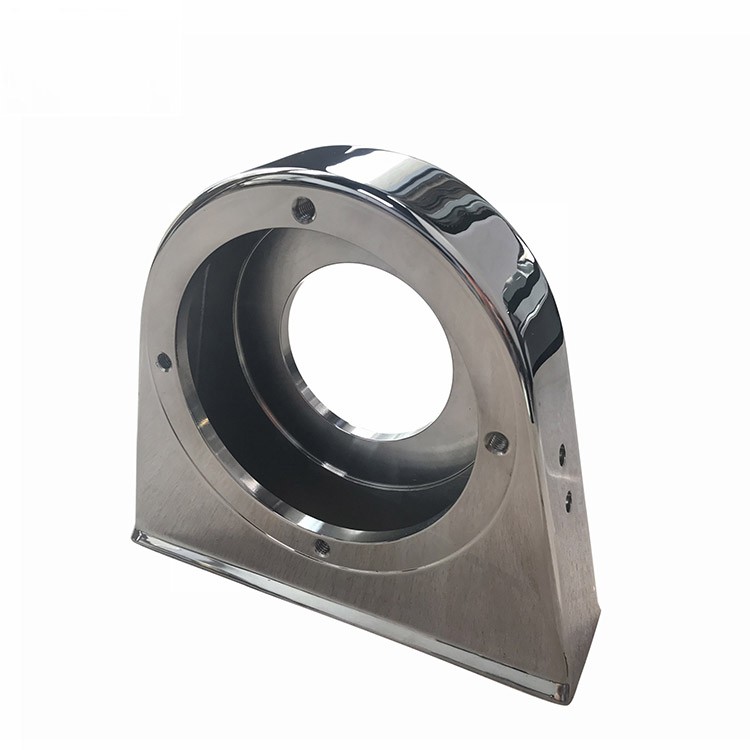
What Is Brushed Stainless Steel? (#4 Satin Finish Explained)
Brushed stainless steel is a popular finish that gives stainless steel a soft, matte look with fine lines or “brush marks” running across the surface. It’s also known as the #4 satin finish, which is a standardized term used in the industry to describe a surface smoothed with a grit range usually between 120 and 180. This finish reduces the reflective glare of polished steel while adding a subtle texture that feels natural to the touch.
The brushing process involves sanding the stainless steel in one direction with abrasive belts or pads, creating a consistent linear grain pattern. This not only enhances the metal’s aesthetic appeal but also helps mask fingerprints and minor scratches, making it ideal for high-use areas.
You’ll often see brushed stainless steel on kitchen appliances, countertops, elevator panels, and architectural features where durability meets style. The #4 satin finish provides a perfect balance of smoothness and texture, delivering a classy, professional look without the high maintenance of mirror finishes.
Why Choose Brushed Stainless Steel? Benefits & Applications
Brushed stainless steel is a popular choice in both residential and commercial settings because of its unique blend of style, durability, and functionality. Here’s why it stands out:
Benefits of Brushed Stainless Steel
- Durability: Resistant to corrosion, rust, and stains, making it perfect for kitchens, bathrooms, and outdoor use.
- Low Maintenance: The textured brushed finish hides fingerprints and minor scratches better than polished surfaces.
- Aesthetic Appeal: Offers a sleek, modern look with a soft satin sheen that complements appliances and fixtures.
- Non-Reflective Surface: Reduces glare compared to mirror finishes, improving usability in bright environments.
- Versatile: Can be used on appliances, countertops, backsplashes, and even architectural features.
- Cost-Effective: Easier and less expensive to maintain and repair than mirror-polished stainless steel.
Applications of Brushed Stainless Steel
| Application | Why It Works Well |
|---|---|
| Kitchen Appliances | Fingerprint resistance and stylish matte finish |
| Commercial Equipment | Durability under heavy use and easy cleaning |
| Architectural Panels | Modern look with a texture that hides wear |
| Furniture & Fixtures | Robust finish that endures everyday contact |
| Automotive Trim | Scratch-resistant surface that maintains appearance |
| Medical Equipment | Hygienic and easy to sterilize, with minimal glare |
Brushed stainless steel’s practical benefits and appealing finish make it an ideal choice for nearly any project requiring durability with style. For more insight into materials and processes, check out our detailed customized manufacturing definition and benefits.
Tools & Materials You’ll Need (With vast® Recommendations)
Brushing stainless steel requires the right tools and materials to get a consistent, high-quality finish. Here’s what you’ll need for a smooth process:
- Abrasive Pads & SandpaperUse Scotch-Brite non-woven abrasive pads or sandpaper ranging from 220 to 400 grit for hand brushing. For larger surfaces, finer grits (up to 600) help achieve the classic #4 satin finish stainless steel texture without harsh scratches.
- Orbital Sander or Belt SanderFor a more uniform, professional look, an orbital sander or belt sander is essential. Vast® offers durable sanders with variable speed controls to handle manual or power brushing tasks efficiently.
- Scotch-Brite Belts & WheelsNon-woven Scotch-Brite abrasive belts and wheels work great on power tools to create linear brushed stainless steel patterns. Vast® stocks them in various sizes compatible with popular sander models.
- Cleaning SuppliesStainless steel cleaner and degreaser are must-haves for surface preparation and post-brushing cleanup. A quality cleaner from vast® helps remove oils, fingerprints, and residues that can ruin the finish.
- Protective GearAlways wear gloves, safety goggles, and a dust mask to protect your hands, eyes, and lungs from dust and sharp abrasives during brushing.
- Cloth & RagsUse lint-free microfiber towels for wiping and final polishing steps. These prevent new scratches and keep your brushed stainless steel looking fresh.
Getting the right tools upfront makes a huge difference. Vast® offers a full range of sanding and cleaning products designed to help you achieve flawless DIY stainless steel brushing and professional-quality results. If you want hands-on guidance, check out their detailed ultimate guide to tapping tools for related metalworking tips that complement your stainless steel refinishing projects.
Surface Preparation – The Most Important Step
Getting your stainless steel ready before brushing is key to a smooth, consistent finish. Surface preparation removes any dirt, grease, scratches, or mill scale that could mess up the final look. Start by cleaning the metal with a mild detergent or a dedicated stainless steel cleaner. After it’s dry, inspect for rust spots or imperfections—these need extra attention before moving on.
If there are deep scratches or weld marks, use a coarser grit abrasive or a Scotch-Brite pad to even out the surface. For the best results, wipe down with isopropyl alcohol or acetone to remove any leftover oils or residue. Remember, a clean and smooth surface helps the abrasive materials work better, delivering that classic, uniform brushed stainless steel texture.
Proper surface prep not only improves appearance but also helps your brushed finish last longer and resist corrosion. If you want to understand more about metal finishing techniques that enhance durability, check out our guide on the black anodized aluminum finish to see how surface treatments boost performance in metals.
Step-by-Step: How to Hand-Brush Stainless Steel (Non-Directional & Linear)
Brushing stainless steel by hand is a simple way to refresh or create that classic satin finish, whether you want a non-directional or linear look. Here’s how to do it right:
Tools You’ll Need:
- Fine to medium grit abrasive pads or sandpaper (usually 120 to 240 grit)
- Scotch-Brite™ pads are a favorite for a consistent brushed finish
- Soft clean cloths
- Masking tape (for borders)
- Gloves and eye protection
Surface Prep:
- Always start with a clean, dry surface. Remove grease, dirt, or old coatings with a stainless steel cleaner.
- Mask edges you don’t want to brush for sharp, professional borders.
Non-Directional Brushing (Random Texture):
- Hold your abrasive pad firmly.
- Use circular or irregular rubbing motions over the steel surface.
- Apply consistent medium pressure – not too hard to avoid uneven spots.
- Rotate the piece if possible to cover the entire area evenly.
- Check the texture frequently to ensure uniformity.
- Wipe away dust with a clean cloth before finishing or moving to finer grit.
Linear Brushing (Hairline Finish):
- Pick your direction—horizontal or vertical.
- Using straight strokes, move the abrasive pad evenly along the steel’s surface.
- Keep pressure constant to avoid streaks or patchy areas.
- Overlap strokes slightly for a continuous grain pattern.
- Don’t rush—slow, smooth passes give the best results.
- For a finer finish, work progressively with higher grit pads or sandpaper.
Tips for Best Results:
- Always brush along the grain direction if going linear.
- Replace pads when worn out for consistent texture.
- Test on a sample if you’re unsure about technique or grit.
- After brushing, clean the surface well to remove particles and fingerprints.
Hand-brushing stainless steel can transform dull surfaces into appliance-grade finishes. Need a more thorough guide on prepping metal surfaces for finishing? Check out our detailed overview on precision CNC machining and surface finishing techniques for additional insight.
How to Achieve a Perfect #4 Dairy Finish with Orbital Sanders
Getting a flawless #4 dairy finish on stainless steel means creating a smooth, consistent satin texture with fine, linear grain lines. Using an orbital sander is your best bet for this job because it combines efficiency with precision, giving you a uniform surface ideal for food processing, medical equipment, and high-end appliances.
Steps for a Perfect #4 Dairy Finish:
- Choose the right grit: Start with 120- or 150-grit abrasive pads specifically designed for stainless steel. These help remove imperfections without digging too deep.
- Use a clean, random-orbit sander: Orbital sanders keep the surface scratch pattern even and reduce swirl marks compared to other sanding tools.
- Keep consistent pressure: Apply light to medium pressure while sanding to avoid uneven finishes or burn marks.
- Sand in overlapping passes: Cover the entire surface with overlapping circular orbits to maintain uniformity.
- Progress to finer grits if needed: After the initial pass, use a 220-grit non-woven abrasive pad to refine the finish closer to the satin look.
- Maintain a clean workspace: Wipe the stainless steel regularly with a microfiber cloth to check the progress and remove debris that could cause scratches.
Orbital sanding is a straightforward way to replicate the industry-standard #4 brushed stainless steel finish, commonly seen in sanitary and appliance-grade applications. It’s a solid technique especially if you want to match commercial quality textures.
For more precision parts that demand tighter tolerances and surface finishes, consider exploring industry methods such as those used in precision metal parts manufacturing.
Bonus tip: Always test your technique on a small scrap piece to dial in the grit and pressure before applying it on your main project.
Pro Technique: Belt Sander / Linear Stroking Method
For a professional brushed stainless steel finish, using a belt sander is a game changer. This method gives you consistent, sharp linear grain patterns that replicate that classic #4 satin finish stainless steel look.
Here’s how to nail it:
- Choose the right abrasive belt grit: Start with a 120-grit belt for heavy scratches or welds, then refine with 180- to 220-grit belts to get that smooth satin texture.
- Keep your strokes straight and steady: Always move the sander in one direction along the grain. Avoid swirling or going back and forth—linear motion is key to the signature brushed texture.
- Maintain light, even pressure: Let the sander do the work. Too much pressure can cause uneven spots or damage the surface.
- Overlap your passes slightly: This prevents obvious lines or streaks and ensures a uniform finish across the entire panel.
- Work in sections: Especially on large sheets or panels, break the surface into manageable zones for better control.
Using a belt sander with this linear stroking technique saves time and elevates your brushed stainless steel finish from a DIY look to professional-grade.
For surface prep tips that complement this method and ensure the best adhesion and finish, check out this comprehensive guide to preparing metal surfaces before finishing.
If you want to go even deeper on durable tools and protective gear for stainless work, you might find this guide on essential mechanic gear very helpful.
How to Brush Stainless Steel Tubes, Angles & Welds
Brushing stainless steel tubes, angles, and welded joints takes a bit more care than flat sheets. The goal is to keep the brushed stainless steel texture consistent across those tricky curves and edges without damaging the welds or creating uneven finishes.
Here’s how to tackle it:
- Choose the right abrasive: Use a Scotch-Brite pad or fine-grit sandpaper (usually between 120-220 grit) that matches your base finish—typically a #4 satin finish for a classic brushed look.
- Follow the grain: On tubes and angles, brushing should follow the natural grain or length of the metal. For round tubes, work along their length to maintain that linear brushed effect.
- Handle welds carefully: Weld seams are often rougher and need gentle attention. Use light, circular motions initially to smooth out weld beads, then blend with linear strokes matching adjacent surfaces.
- Use hand tools for tight spots: Small Scotch-Brite hand pads or abrasive wheels on a Dremel tool help reach corners and welds without over-brushing flat areas.
- Keep pressure consistent: Uneven pressure can create swirl marks or uneven textures, so go slow and steady for a uniform satin stainless steel finish.
- Clean as you go: Wipe the surface occasionally with a stainless steel cleaner or microfiber cloth to check progress and avoid contaminating the finish with leftover grit.
For professional or larger projects, using specialty abrasive belts and reviewing techniques ensures welds blend seamlessly with the brushed stainless steel finish. If you want detailed guidance on prepping surfaces for finishing, check out our complete surface preparation guide that applies to various metals.
Brushing stainless steel tubes, angles, and welds takes patience but with the right tools and technique, you can get a clean, consistent brushed texture perfect for appliances, architectural designs, or industrial parts.
Fixing Mistakes – Removing Swirls, Scratches & Orange Peel
Even with careful brushing, mistakes like swirls, scratches, or an orange peel texture can show up on your stainless steel surface. The good news? These are fixable with the right approach.
Here’s how to correct common brushed stainless steel finish issues:Swirls & Scratch Marks:
Use a finer grit abrasive, like a 400- or 600-grit non-woven Scotch-Brite pad or sandpaper. Always sand or brush in the original grain direction to blend marks into the finish. Avoid random or circular motions that create new swirls. Light pressure and consistent strokes help keep the texture uniform.
Orange Peel Texture:
This uneven, bumpy surface usually results from coarse abrasives or inconsistent sanding pressure. Start by sanding with a finer grit (like a 600 or 800 grit) using a light, even touch. Finish with a good-quality Scotch-Brite pad to restore a smooth, linear pattern.
Deeper Scratches:
For visible scratches, gently blend them out by stepping back to a coarser grit and gradually moving to finer grits. It’s better to slowly work through the grits than rush or skip steps, which can worsen the finish.
Tips for easier fixes:
- Always clean the surface well before rebrushing or sanding to avoid embedding dirt and causing further scratches.
- Test fixes on a small area first to ensure color and texture match.
- Use consistent grain direction throughout the repair process.
If you want a solid resource on stainless steel abrasives, techniques, and finishing products—including Scotch-Brite pads—we recommend checking out vast®’s guides on surface preparation and polishing accessories.
Fixing mistakes quickly keeps your brushed stainless steel looking professional and extends its lifespan.
Final Cleaning & Passivation (Keep It Fingerprint-Resistant)
Once you’ve achieved your brushed stainless steel finish, the step you don’t want to skip is the final cleaning and passivation. This process removes any leftover debris, oils, or metal particles that could cause rust or stains over time.
Final Cleaning Tips:
- Use a stainless steel cleaner or a mild detergent with warm water to wipe down the entire surface.
- Apply with a soft, non-abrasive cloth, wiping along the grain to avoid scratches.
- Rinse thoroughly with clean water and dry fully with a microfiber cloth to prevent water spots.
Why Passivation Matters:
Passivation strengthens the stainless steel’s natural oxide layer, making it more resistant to corrosion and fingerprints. After brushing, the surface can still attract oils from your hands, so passivation keeps your finish looking fresh and clean longer.
- Use a passivation solution specifically designed for stainless steel (commonly a mild acid bath) or a ready-to-use passivation spray.
- Follow the manufacturer’s instructions carefully—usually involving applying the solution, letting it sit briefly, and then rinsing off completely.
This final step boosts durability and helps maintain that sleek, fingerprint-resistant #4 satin finish you worked hard to create.
For ongoing care, using specialist protective sprays and cleaners regularly will keep your brushed steel looking pristine and reduce the need for frequent refinishing.
For advice on compatible cleaning agents and protective kits, check out related products like stainless steel cleaner & protector kits designed for the best long-term maintenance.
If you want a deeper dive into material durability and corrosion resistance, exploring high-temperature alloys could be helpful for more industrial applications.
How to Protect Your Brushed Finish Long-Term
Keeping your brushed stainless steel looking fresh and fingerprint-free takes some care, but it’s straightforward. After you’ve finished brushing and cleaning your surface, protecting that beautiful #4 satin finish stainless steel is key to making it last.
Tips to protect your brushed stainless steel finish:
- Use a quality stainless steel cleaner and protector: Products formulated specifically for brushed finishes help prevent fingerprints, smudges, and rust spots. Look for non-abrasive, residue-free cleaners designed for appliance-grade brushed stainless steel.
- Apply a light coating of mineral oil or specialized polish: A thin layer helps repel moisture and reduces static cling that attracts dust and oils.
- Avoid harsh chemicals and steel wool: These can scratch or dull the brushed texture, undoing your hard work.
- Regularly wipe with a soft microfiber cloth: Gentle cleaning after use stops buildup and preserves that clean hairline finish stainless steel look.
- Minimize direct contact and rough handling: Install finger pull handles where possible, and consider protective films temporarily during installation or transport.
For projects exposed to outdoor environments, consider additional layers of passivation or clear coats designed for stainless steel to boost corrosion resistance.
To maintain that sleek satin stainless steel sheet look over time, consistent gentle care paired with the right cleaners and protectors makes all the difference. For step-by-step brushing, cleaning, and preservation techniques, check out our detailed guide on surface treatment to get expert tips tailored for stainless steel finishes.
Following these simple steps will keep your stainless steel looking factory-fresh for years, whether it’s kitchen appliances, commercial fixtures, or custom fabrications.
Brushed vs Polished vs Mirror (#8) – Comparison Table
Here’s a quick breakdown of the most common stainless steel finishes, including brushed (#4 satin finish), polished, and mirror (#8) finish. This makes it easy to pick what fits your project best.
| Feature | Brushed Stainless Steel (#4 Satin) | Polished Stainless Steel | Mirror (#8) Stainless Steel |
|---|---|---|---|
| Texture | Fine linear or non-directional grain, matte look | Smooth, light reflective, less grain visible | Highly reflective, glass-like shine |
| Appearance | Soft, satin finish with subtle texture | Semi-gloss with soft glow | High gloss with perfect reflection |
| Scratches & Marks | Hides fingerprints and scratches well | Shows fingerprints and minor scratches | Shows fingerprints and scratches easily |
| Maintenance | Easy to clean, less smudging | Moderate cleaning needed | Requires frequent polishing |
| Common Uses | Appliances, elevators, kitchen backsplashes, architectural panels | Decorative panels, cooktops, fixtures | High-end appliances, luxury interiors, art installations |
| Durability | Highly durable, resists wear and tear | Durable but scratches easier | Durable but scratches and wear show immediately |
| Cost | Affordable and widely available | Slightly higher than brushed finish | Highest cost due to polishing effort |
Brushed stainless steel offers a practical, stylish look suited for everyday use. Polished is a middle ground between matte and mirror shine, while the mirror finish brings a bold, elegant statement — but needs more upkeep.
If you want detailed insight into surface texture and roughness for stainless steel finishes, check out our surface roughness chart guide for the right values and help picking the finish that fits your needs.
Buy Ready-Made: vast® Factory-Brushed Stainless Steel Sheets
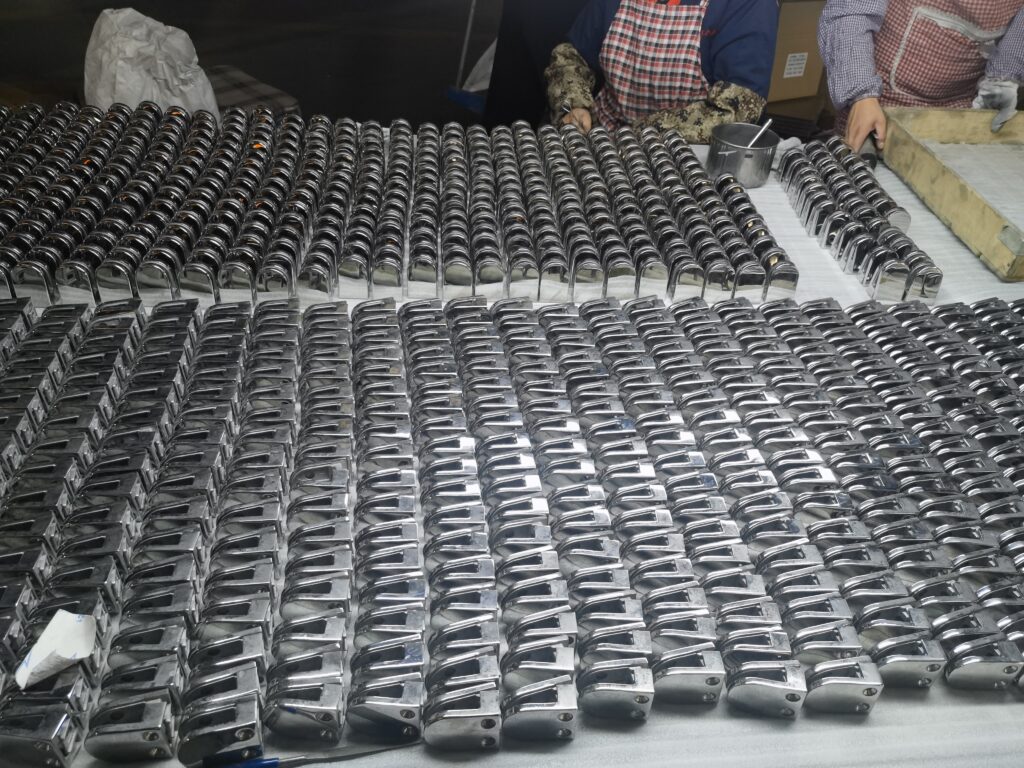
Skip the hassle of DIY and go straight for vast®’s factory-brushed stainless steel sheets, available in both 304 and 316 stainless steel grades. These sheets bring consistent quality and precision to your project, whether residential or commercial.
| Feature | Details |
|---|---|
| Grades | 304 Brushed Stainless Steel, 316 Brushed Stainless Steel |
| Available Gauges | 16, 18, 20, 22 gauge (custom thickness on request) |
| Sheet Sizes | Standard: 4’ x 8’, 5’ x 10’ (custom sizes available) |
| Tolerances | Tight manufacturing tolerances for a perfect fit |
| Grain Direction | Choose Vertical or Horizontal brushed grain |
| Surface Protection | Protective PVC film to prevent scratches during shipping |
| Cutting Service | Laser-cut to your specs, ready to install |
| Shipping | Fast, reliable shipping across the U.S. |
With these ready-made sheets, you get professional-quality brushed stainless steel with a smooth, uniform #4 satin finish that’s appliance-grade and perfect for kitchens, backsplashes, cabinetry, and architectural details. Plus, the protective PVC film ensures no scuffs or fingerprints before installation.
Ordering is simple — select your size, gauge, grain direction, and cut options, then get it shipped straight to your door, ready for your project. If you want expert advice for your application or details on stainless steel types, check out vast®’s comprehensive resources including their cast iron and steel difference explained and mechanical shaft design guide.
Make your next project shine with vast® factory-brushed stainless steel sheets — ready to use, durable, and built to last.
Customer Projects Gallery – Real DIY & Commercial Results
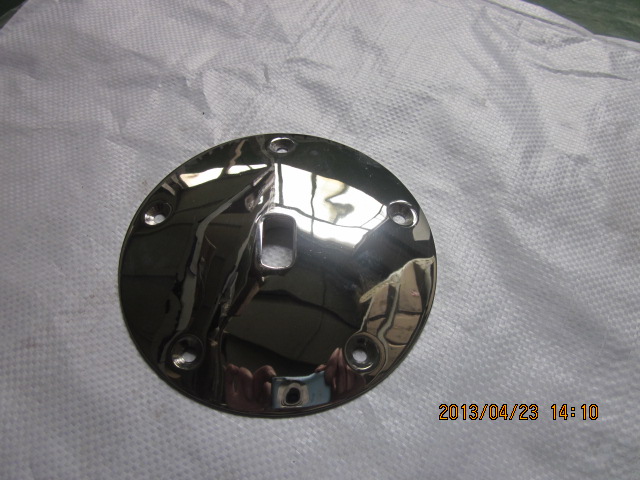
Seeing brushed stainless steel in action helps you imagine what’s possible. Our customer projects gallery showcases real-world examples—from simple DIY upgrades like appliance panels and kitchen backsplashes to large commercial installations such as restaurant counters and equipment housings. These projects highlight the versatility and beauty of the #4 satin finish stainless steel, demonstrating both linear brushed and non-directional textures.
You’ll find inspiration in how folks have restored older surfaces with our Scotch-Brite pads or achieved a flawless hairline finish using the techniques we recommend. Whether it’s a home chef’s custom butcher block casing or a fabricator’s precision stainless steel tube brushing, these examples prove that refining your stainless steel finish is within reach.
Check out the diverse applications and craftsmanship styles that reflect the practical benefits of 304 and 316 brushed stainless steel sheets—perfect for both indoor and outdoor use. Feeling inspired? Our cut-to-size service and protective PVC film ensure your materials arrive ready to work for your next project.
For more detailed fabrication and finishing tips, explore our resources like the complete guide to spotface holes and precision machining to complement your brushing work and achieve a professional-level finish.
Frequently Asked Questions About Brushed Stainless Steel
Here are quick answers to common questions about how to brush stainless steel at home and match appliance-grade finishes.
| Question | Answer |
|---|---|
| Can you brush stainless steel at home? | Yes! With the right tools and prep, you can achieve a professional-looking brushed stainless steel finish yourself. Start with proper sanding pads or Scotch-Brite® pads for best results. |
| What grit to start with for brushed stainless steel? | Begin with 120-150 grit for removing imperfections, then move up to 180-240 grit to create the smooth linear #4 satin finish texture. |
| How to match appliance finishes (Sub-Zero, Bosch, etc.)? | Appliance-grade brushed stainless steel usually has a consistent grain direction and texture. Use fine Scotch-Brite pads or 180-240 grit sandpaper and always follow the grain direction to match. |
| Difference between brushed and satin stainless steel? | Brushed stainless steel features fine linear scuffs creating a hairline texture, while satin stainless steel is softer with a smooth, even sheen—often #4 finish. The terms are sometimes used interchangeably but satin is generally smoother. |
| Can you re-brush over existing scratches? | Yes, light scratches can be blended by re-brushing along the grain with appropriate abrasive pads. Deep scratches may need initial sanding with coarser grit before brushing again. |
For more tips on proper surface prep and brushing technique, check out our detailed guides on stainless steel brushing technique and finishing.
Related vast® Products & Accessories
To get the best results when you brush stainless steel, having the right tools and supplies makes all the difference. vast® offers a range of products designed specifically for stainless steel finishing, including:
- Scotch-Brite Hand Pads & Belts – Perfect for achieving consistent #4 satin finishes and restoring brushed stainless steel surfaces without harsh scratches. These pads give you control whether you’re working by hand or with power tools.
- Non-Woven Abrasive Wheels – Ideal for smoothing welds, blending edges, and refining your stainless steel brushing technique. They provide a non-directional brushed finish and prevent swirls.
- Stainless Steel Cleaner & Protector Kits – After brushing, keeping your surface fingerprint-resistant and looking fresh is easy with these specially formulated cleaners and protectors. They help maintain the brushed stainless steel texture over time.
Using these premium accessories from vast® ensures you get a professional, appliance-grade brushed finish every time while protecting your work for the long haul. Whether you’re working on 304 brushed stainless steel sheets or heavy-duty 316 stainless steel, these tools are up to the task.
 English
  Spanish (Peru)
  German
  Korean
  Spanish (Spain)
  Italian