
Is tungsten steel steel? Discover how tungsten steel is a durable alloy with enhanced hardness heat resistance and unique industrial uses.
What Exactly Is Tungsten Steel The Core Composition of Tungsten Steel How Tungsten Steel Is Made From Ore to Alloy
Tungsten steel is a type of alloy steel that combines tungsten with iron and other elements to create a strong, durable metal. Despite the name, tungsten steel is indeed a form of steel, but what sets it apart is the addition of tungsten, which significantly enhances its properties.
Core Composition of Tungsten Steel
- Tungsten (W): Typically 10% to 20% or more by weight, tungsten is the key player here. It increases hardness, wear resistance, and heat stability.
- Carbon (C): Present in varying amounts, carbon helps form carbides with tungsten, boosting strength and toughness.
- Iron (Fe): The base metal in all steel, providing structure and ductility.
- Additional elements: Manganese, chromium, and vanadium may be added to improve corrosion resistance, toughness, and hardness.
How Tungsten Steel Is Made From Ore to Alloy
- Mining Tungsten Ore: Tungsten exists in minerals like wolframite and scheelite. The ore is mined and crushed to extract tungsten concentrate.
- Processing and Refining: The concentrate undergoes chemical processing to separate pure tungsten powder.
- Alloying: The tungsten powder is mixed with iron and other elements in precise proportions.
- Melting and Casting: The mixture is melted in an industrial furnace and cast into ingots or bars.
- Heat Treatment: Tungsten steel undergoes heat treatment to optimize hardness, toughness, and wear resistance.
- Shaping and Finishing: The final alloy is formed into products like tool bits, blades, or machine parts.
Tungsten steel’s unique composition and manufacturing process give it superior hardness and heat resistance compared to regular steel. If you want metal that holds up under extreme conditions, tungsten steel is often the go-to choice.
Curious how tungsten steel stacks up against other alloys? Keep reading to find out why it’s so special.
Yes Its Steel But Why Does Tungsten Make It Special
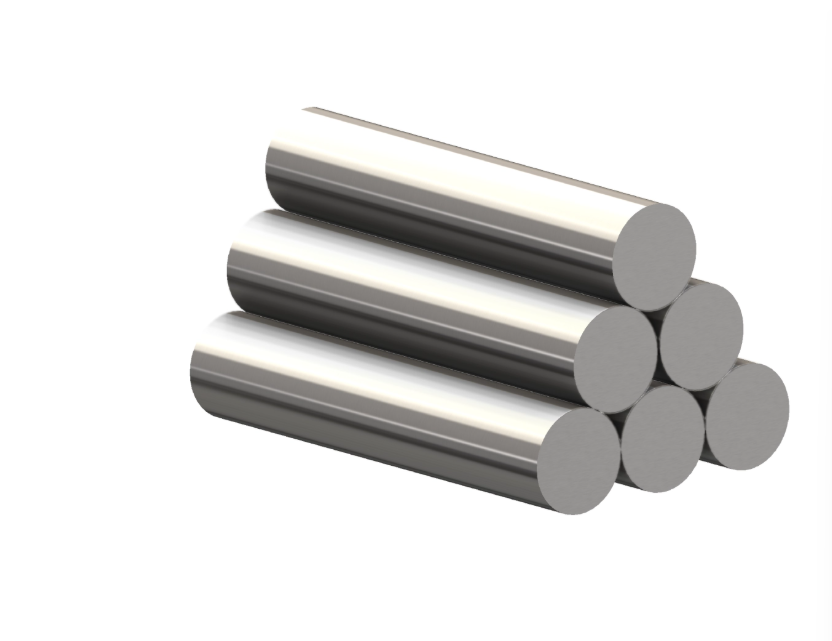
Tungsten steel is definitely a type of steel, but what makes it stand out is the addition of tungsten, a heavy metal that brings some serious benefits. Adding tungsten to steel changes the game in terms of strength, heat resistance, and wear resistance. This mix creates an alloy that performs better in tough conditions where ordinary steel might fail.
Unique Properties That Set Tungsten Steel Apart
- Extreme Hardness: Tungsten boosts steel’s hardness, making it perfect for cutting tools and equipment that face constant abrasion.
- Heat Resistance: It handles high temperatures without losing strength, ideal for high-speed tool steel used in industrial machines.
- Wear Resistance: Thanks to tungsten, these steels resist wear and tear much longer than regular steel alloys.
- Toughness: While super hard, tungsten steel isn’t brittle; it retains durability under stress.
- Corrosion Resistance: Though not stainless, it holds up better against rust compared to plain carbon steels.
Tungsten Steel vs Other Steels Head to Head Breakdown
| Feature | Tungsten Steel | Standard Carbon Steel | Stainless Steel |
|---|---|---|---|
| Hardness | Very High | Moderate | Moderate |
| Heat Resistance | Excellent | Low | Moderate |
| Wear Resistance | Superior | Average | Good |
| Toughness | High | Moderate | Moderate to High |
| Cost | Higher | Lower | Moderate to High |
For U.S. industries, tungsten steel’s combination of high hardness and heat resistance makes it a preferred choice for high-performance parts, from cutting tools to heavy machinery components. It’s especially useful when you need something that lasts longer and performs better under pressure.
Real World Applications Where You’ll Find Tungsten Steel in Action
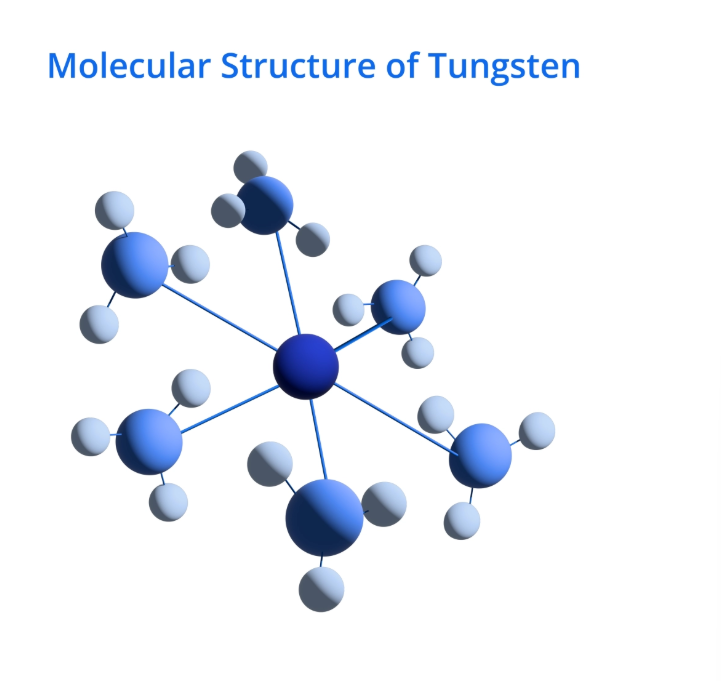
Tungsten steel is everywhere in industries that demand tough, wear-resistant metals. You’ll see it heavily used in industrial and manufacturing settings because of its high hardness and heat resistance. It’s a go-to material for high-speed tool steel (HSS cutting tools) like drills, saw blades, and milling cutters, where durability and precision matter most. The strength of tungsten steel helps tools hold their edge longer, even under intense heat from fast cutting.
In consumer and everyday applications, tungsten steel might not be as obvious but it’s still around. Think of things like durable kitchen knives, automotive parts, and even sports gear where wear resistance is key. Because it mixes the toughness of steel with the special properties of tungsten, these products last longer without needing frequent replacement.
Some common uses include:
- Industrial cutting tools
- Drill bits and machining tools
- Automotive engine parts
- Heavy-duty cookware
- High-performance sporting equipment
Tungsten steel’s unique combination of heat-resistant steel alloys and wear-resistant metals makes it a reliable choice both in factories and in your home.
Pros Cons and When to Choose Tungsten Steel
When thinking about tungsten steel, it helps to get clear on its strengths and weaknesses so you can decide if it’s the right fit for your needs.
Advantages for Durability and Performance
- Super wear-resistant: Thanks to tungsten, this steel handles wear and tear way better than regular steel. It’s perfect for tools and parts that face heavy use.
- Great heat resistance: Tungsten steel keeps its strength even at high temperatures, ideal for cutting tools and industrial machinery.
- High hardness: It’s tougher than many other steels, making it reliable for jobs requiring a sharp edge or strong surface.
- Improved longevity: Tools and parts last longer, reducing the need for frequent replacements.
Potential Drawbacks and Alternatives
- Cost: Tungsten steel can be pricier than standard steel due to the tungsten content and specialized production.
- Brittleness: While very hard, it can sometimes be less flexible, which might lead to cracking under severe impact.
- Machining challenges: Working with tungsten steel requires special equipment, making customization or repairs more complicated.
If your project can’t justify the higher cost or needs more flexible materials, consider alternatives like high-speed tool steel (HSS) or other alloy steel compositions which balance price with solid performance.
Buying Guide Selecting Quality Tungsten Steel
- Look for trusted manufacturers or custom tungsten steel service providers that guarantee alloy consistency.
- Check for proper heat treatment — this ensures the steel gets its maximum hardness and durability.
- Confirm the right tungsten percentage in the alloy for your specific use: more tungsten generally means better wear resistance but higher cost.
- Compare reviews focusing on performance in real-world applications similar to your project.
In the US market, buying from reputable local suppliers or factories specializing in tungsten steel service can save time and ensure quality. Whether for industrial tools or consumer products, your choice should match your durability needs and budget.
 English
  Spanish (Peru)
  German
  Korean
  Spanish (Spain)
  Italian