
Learn how to polish titanium at home with expert tips and step-by-step guides for a mirror finish on rings frames and metal parts.
If you’ve ever wondered how to polish titanium and get that perfect mirror finish, you’re not alone. Titanium’s unmatched strength and corrosion resistance make it a favorite—from sleek bike frames to custom rings—but its hardness and quick oxidation can turn polishing into a frustrating challenge. The good news? With the right tools and step-by-step technique, even DIYers can bring out titanium’s stunning shine without expensive gear. Ready to transform your titanium projects with a pro-level polish? Let’s dive into the best methods that actually work.
Why Polish Titanium Benefits and When to Do It
Polishing titanium isn’t just about making it look good—it enhances durability and performance, too. A smooth, polished surface reduces corrosion and wear, especially for items exposed to moisture or harsh environments. Plus, a polished titanium mirror finish catches the eye, giving jewelry, bike frames, or custom parts a sleek, professional shine that stands out.
But titanium comes with unique challenges. Unlike softer metals, it’s tougher to polish because of its hardness and oxide layer that forms quickly during polishing. This means you need the right techniques and tools to avoid scratches or dull spots.
Knowing when to polish depends on use and condition. If your titanium piece has visible scratches, looks dull, or you want to restore that factory-like shine—now’s the time. Polishing also makes sense before anodizing or finishing, offering a smooth base that improves the final look and longevity.
Ideal applications for polished titanium include:
- Jewelry like rings and bracelets that benefit from a high-shine, scratch-resistant finish
- Bike frames needing a durable, corrosion-resistant surface with a mirror finish
- Custom industrial parts where smoothness impacts performance and wear
- DIY projects where restoring or enhancing titanium adds both function and flair
Ready to bring your titanium back to life? Let’s dive into the tools and techniques that make polishing titanium at home or in your workshop achievable and rewarding.
Essential Tools and Materials for Titanium Polishing
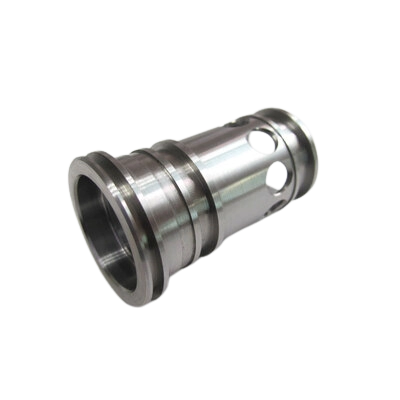
To get a great titanium mirror finish, you’ll need the right tools and materials. Using proper equipment makes a big difference whether you’re buffing titanium parts or smoothing out scratches.
Tools List
- Sanding blocks or pads – For smoothing the surface before polishing.
- Various grit sandpapers – Start coarse (around 400 grit) and move up to very fine (2000 grit or higher) for sanding titanium scratches.
- Rotary tool with polishing wheel – Helps speed up buffing titanium parts for a shiny finish.
- Microfiber cloths – Essential for cleaning and buffing without scratching the surface.
- Polishing compound applicators – Useful for spreading titanium polishing compounds evenly.
Materials for Specific Finishes
- Titanium polishing compounds – Choose based on desired shine; some work better for mirror finishes, others for satin looks.
- Cleaning solution – Mild soap or specialized cleaners for DIY titanium ring cleaning or other polished titanium items.
- Protective gloves – Keep your hands safe and avoid contaminating the surface.
Having these tools and materials ready will make polishing titanium at home easier and help you achieve professional-looking results every time.
Step-by-Step Guide How to Polish Titanium at Home
Step 1 Surface Preparation and Cleaning
Start by cleaning your titanium piece thoroughly. Use warm water and mild soap to remove dirt, oils, and any residues. Dry it completely with a soft cloth. This makes sure no grit or grime will scratch the surface during polishing.
Step 2 Progressive Sanding for Smooth Base
Sanding is key to smoothing out scratches and imperfections on the titanium surface. Begin with a coarse grit sandpaper (around 400 grit) and sand evenly. Then move progressively to finer grits: 600, 800, and up to 1500 grit or higher. Sand in one direction at first, then cross-sand with a 90-degree change in direction between grits to get an even finish. This step helps create the smooth base needed for a mirror finish.
Step 3 Buffing for Mirror Shine
After sanding, buff your titanium using a polishing wheel or a soft cloth if you’re doing it by hand. Apply a titanium polishing compound or a metal polish made for titanium. Buff slowly and steadily until you see a mirror shine developing. Keep the piece moving to avoid overheating or uneven polishing.
cURL Too many subrequests.
cURL Too many subrequests.
cURL Too many subrequests.
cURL Too many subrequests.
Mechanical Polishing
cURL Too many subrequests.
- Pros: cURL Too many subrequests.
- Cons: cURL Too many subrequests.
cURL Too many subrequests.
cURL Too many subrequests.
- Pros: cURL Too many subrequests.
- Cons: cURL Too many subrequests.
Troubleshooting Common Issues
cURL Too many subrequests.
- cURL Too many subrequests. cURL Too many subrequests.
- cURL Too many subrequests. cURL Too many subrequests.
- cURL Too many subrequests. cURL Too many subrequests.
- cURL Too many subrequests. Could mean improper chemical mix or time; follow recommended procedures precisely.
By mastering these advanced strategies, you can achieve professional-grade titanium polishing, perfect for custom orders or high-end products.
Maintenance Tips Keeping Your Polished Titanium Looking New
Once you’ve polished your titanium to that perfect mirror finish, keeping it shiny is easier than you might think. Here are simple tips to maintain your titanium’s look:
- Regular Cleaning: Wipe your titanium with a soft, damp cloth after use to remove oils, dirt, and fingerprints. For rings or smaller items, a mild soap solution works well.
- Avoid Harsh Chemicals: Stay away from bleach, chlorine, or strong acids, as they can damage the titanium surface or any anodized layers.
- Use the Right Polish: When you notice dullness or minor scratches, use a titanium polishing compound or a metal polish specifically designed for titanium. These help restore the shine without harming the metal.
- Gentle Buffing: For titanium bike frames or larger parts, occasionally buff with a soft cloth or a low-speed buffing wheel using a suitable polishing compound.
- Protect From Scratches: Store polished titanium items separately or wrapped in soft cloth to avoid scratches from other metals or hard surfaces.
- Avoid Abrasive Materials: Don’t use steel wool or rough sandpaper on the polished surface, as these can cause unwanted scratches.
- Handle Anodized Titanium Carefully: If your titanium is anodized for color, clean it with mild soap and water only. Avoid polishing compounds to prevent removing the anodized layer.
Keeping these tips in mind will help your titanium parts stay bright and polished longer, whether it’s your custom polished titanium ring, bike frame, or other gear. Regular care prevents the need for re-polishing too soon.
FAQs How to Polish Titanium
How do I get a mirror finish on titanium at home?
Start with cleaning the surface, then sand progressively from coarse to fine grit sandpaper. Follow up with buffing using a titanium polishing compound until you get that shine.
What’s the best metal polish for titanium?
Look for polishes specifically made for titanium or stainless steel. These often contain the right abrasives to smooth and bring out the shine without harming the metal.
Can I polish anodized titanium?
Yes, but be careful. Polishing anodized titanium can remove or dull the colored surface. For maintenance, use gentle cleaning and avoid aggressive buffing.
Is sanding titanium scratches necessary before buffing?
Yes. Sanding removes deep scratches and levels the surface, which allows buffing to create a smooth, shiny finish without embedding scratches.
How often should I polish my titanium bike frame?
It depends on use, but generally every few months to a year helps maintain the shine and remove grime. Use mild polishes and soft cloths to avoid damage.
Can I polish titanium rings with household items?
For light cleaning, yes—use a soft cloth and mild soap. For polishing, titanium polishing compounds and a buffing wheel give the best results, especially for mirror finish.
What’s the difference between mechanical and electrolytic polishing?
Mechanical polishing uses sanding and buffing to smooth the surface. Electrolytic polishing uses an electric current in acid to even out the metal. The latter is usually done in factories for a precise, high-gloss finish.
Why does titanium sometimes look dull after polishing?
This can happen if the polish isn’t suited for titanium or if the surface has scratches left under the buffing layer. Proper sanding and using the right compounds fix this issue.
Where can I buy polishing tools and materials for titanium in the US?
Many hardware stores and online retailers like Amazon carry titanium-specific polishing compounds, sandpapers, and buffing wheels suited for DIY projects.
These FAQs cover the basics and common issues to help you get professional results polishing titanium at home or in your workshop.
 Italian
  English
  Spanish (Peru)
  German
  Korean
  Spanish (Spain)