
Discover the key differences between welded vs riveted joints including strength cost applications and maintenance tips for your metal projects.
The Fundamentals How Welding and Riveting Work
When it comes to joining metal parts, welding and riveting are two popular methods, but they work in very different ways. Understanding these basics helps you choose the right technique depending on your project needs.
Welding Explained Types and Process
Welding is all about melting metals together to create one continuous piece. When you weld, heat is applied to the joint area until the metal melts and fuses. Once cooled, this joint is typically as strong as or stronger than the base materials.
Common welding types include:
- MIG Welding: Uses a wire electrode and shielding gas, great for quick, strong welds.
- TIG Welding: Offers precision with a tungsten electrode, ideal for thin metals like aluminum.
- Stick Welding: Uses a consumable electrode, versatile and works well outdoors.
The welding process requires clean, well-prepared surfaces and steady heat control to avoid weak spots like cracks or porosity.
Riveting Explained Types and Process
Riveting joins metal by clamping two pieces together using metal fasteners called rivets. Instead of melting, riveting deforms a rivet so it presses tightly against the metals, holding them mechanically.
Types of rivets include:
- Solid Rivets: Traditional and very strong, requiring access to both sides of the joint.
- Pop Rivets: Blind rivets that can be installed from one side, useful where backside access is limited.
- Drive Rivets: Hammered in place, often for light-duty applications.
The riveting process is simpler but depends on the rivet’s material and size, with attention needed to avoid loosening over time.
Visual Comparison of Welding and Riveting Processes
Imagine welding as a hot glue gun for metals — it melts and fuses them into one piece. Riveting, on the other hand, is like fastening with tiny metal bolts using pressure. Welding creates a seamless bond, while riveting creates a mechanical lock.
Both methods have their own look and feel:
| Feature | Welding | Riveting |
|---|---|---|
| Joint Type | Fused metal | Mechanical fastener |
| Appearance | Smooth or bead-like seam | Visible rivet heads and backs |
| cURL Too many subrequests. | Generally stronger joint | Strong but may loosen with time |
| Equipment Needed | Welding machine and safety gear | Rivet gun or hammer |
Knowing these basics sets the stage for digging deeper into how each method performs in real-world jobs like boat hull construction or metal fabrication. Next, we’ll see how they stack up on strength, cost, and more.
Head to Head Comparison Pros Cons and Key Metrics

When deciding between welded vs riveted joints, it helps to look at how they stack up on strength, cost, and overall usability.
Strength and Durability Deep Dive
- Welding cURL Too many subrequests.
- Riveting cURL Too many subrequests.
- cURL Too many subrequests.
cURL Too many subrequests.
- Riveting cURL Too many subrequests.
- Welding cURL Too many subrequests.
- cURL Too many subrequests.
Environmental and Safety Considerations
- Welding cURL Too many subrequests.
- Riveting cURL Too many subrequests.
- cURL Too many subrequests.
cURL Too many subrequests.
Real World Applications Where Each Shines
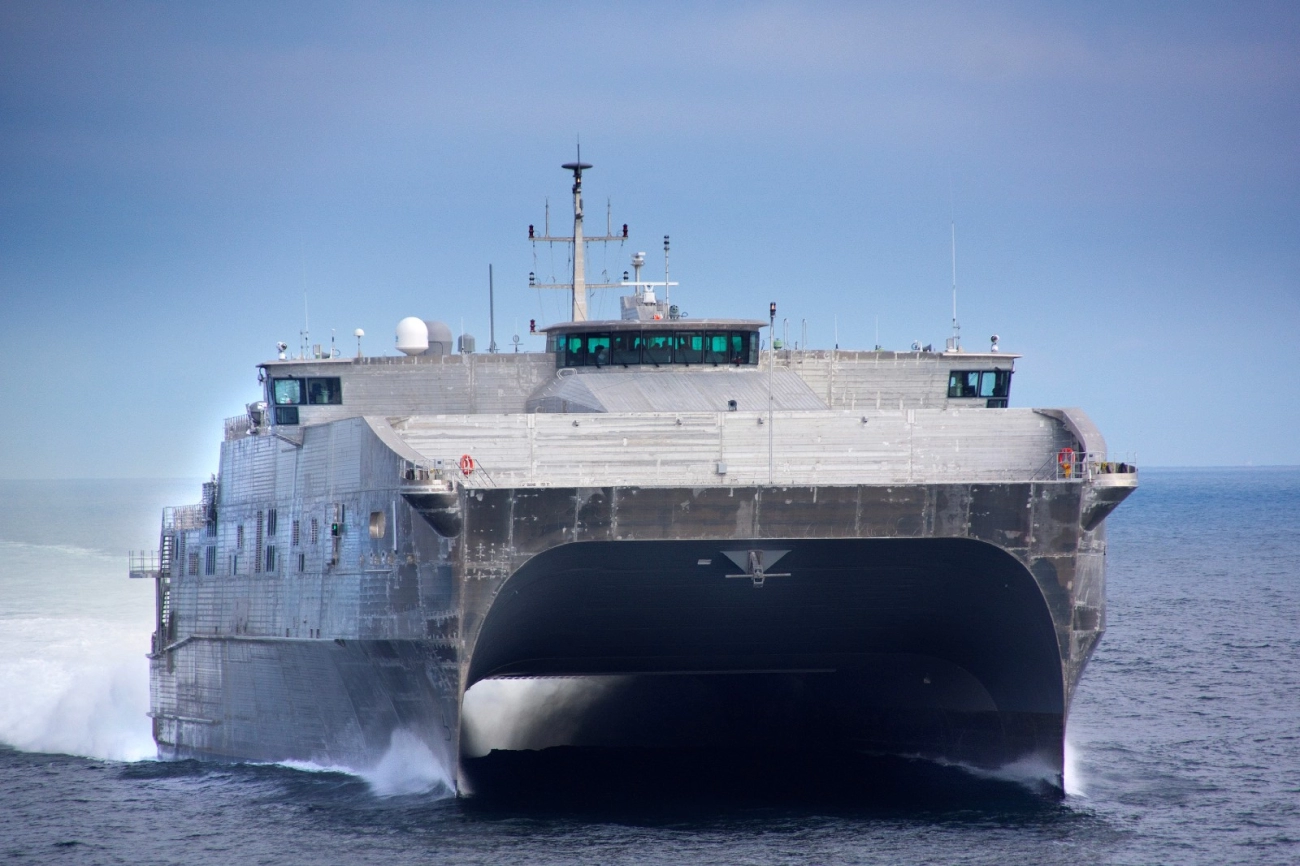
cURL Too many subrequests.
When it comes to cURL Too many subrequests., cURL Too many subrequests. strength and durability. cURL Too many subrequests.
cURL Too many subrequests.
In cURL Too many subrequests., cURL Too many subrequests.
cURL Too many subrequests.
You’ll find riveting used a lot in riveted cookware handles—the rivets hold handles securely on pots and pans without affecting heat distribution. Welding isn’t common here because it can compromise the cookware’s finish or cause warping. For household items and appliances that need a clean look plus strong joints, welding is more common, especially in metal shelving or frames.
Case Study of Boat Shop Switching to Welded Hulls
A local boat shop in the Pacific Northwest recently switched from riveted to welded hulls after dealing with repeated corrosion issues and maintenance delays. They found that welded hulls saved them time on repairs and reduced leaking complaints from customers. While welding requires more upfront skill and equipment, the long-term benefits in reliability and resistance to corrosion in saltwater environments were decisive. This switch also helped them compete better with larger boatmakers using more modern fabrication methods.
For more insights on joining methods, see our guide on metal fabrication techniques and understand what works best for your project.
When to Choose Welded vs Riveted Decision Framework
Picking between welded vs riveted comes down to a few key factors. Here’s a simple decision framework to help you decide which joining method fits your project:
Decision Tree for Method Choice
- Project Size and Complexity
- Large, heavy-duty builds? Welding usually offers stronger, lasting bonds.
- Small or delicate assemblies? Riveting can be quicker and less risky.
- Material Type
- Metals like steel and aluminum weld well, especially in boat hulls and sheet metal fabrication.
- Thin sheets or mixed metals often benefit from riveting to avoid heat damage.
- Environment
- Harsh or marine environments? Welded hulls often resist water ingress better.
- If corrosion is a concern, look at rivet materials closely—they can corrode faster than welds.
- Skill Level and Equipment Access
- Welding demands trained operators and proper gear.
- Riveting is easier to learn, especially with tools like pop rivets or hybrid riveting kits.
Factors Checklist
- Project scale and durability needs
- Environmental exposure, moisture, and corrosion risks
- Access to skilled welders or riveting equipment
- Time constraints and budget limits
Common Pitfalls
- Welding Pitfalls
- Poor weld penetration causing weak joints
- Overheating causing metal distortion
- Insufficient inspection leading to cracks or weld failure
- Riveting Pitfalls
- Loose rivets from improper installation
- Corrosion around rivet holes weakening joints
- Limited flexibility for repairs compared to welding
Brand Integration with Hybrid Riveting Kits
Some modern fabrication shops combine methods using hybrid riveting kits—these blend rivets with small welds or adhesives for extra strength and quicker assembly. This approach often suits boatbuilders switching from full riveting to more welded or hybrid hull construction, balancing durability with ease of repair.
Using this decision framework helps ensure you pick the right method for your specific needs—whether it’s a durable aluminum boat hull, sheet metal project, or everyday cookware handles—matching strength, cost, and practicality.
Maintenance Repairs and Long Term Tips
Keeping welded and riveted structures in good shape means regular maintenance and timely repairs. Here’s a quick guide to help you stay ahead of issues.
Inspecting Welds Crack Detection Methods
- Visual checkscURL Too many subrequests.
- cURL Too many subrequests.cURL Too many subrequests.
- cURL Too many subrequests.cURL Too many subrequests.
- cURL Too many subrequests.cURL Too many subrequests.
cURL Too many subrequests.
- Use a cURL Too many subrequests. cURL Too many subrequests.
- cURL Too many subrequests. cURL Too many subrequests. or solid rivets cURL Too many subrequests.
- Be mindful of cURL Too many subrequests. cURL Too many subrequests.
cURL Too many subrequests.
- cURL Too many subrequests.
- cURL Too many subrequests.
- cURL Too many subrequests.
- cURL Too many subrequests.
Regular care extends the life of your structure, whether it’s a welded aluminum boat hull or a riveted metal frame. Staying proactive helps avoid costly repairs down the line.
 Italian
  English
  Spanish (Peru)
  German
  Korean
  Spanish (Spain)