
Compare 6061 aluminum vs 7075 with expert insights on strength, machinability, corrosion resistance, cost, and best uses for your project needs.
Understanding the Basics Chemical Composition and Alloy Families What is 6061 Aluminum What is 7075 Aluminum
When we talk about 6061 aluminum vs 7075, it helps to start with the basics — understanding their chemical makeup and what makes each alloy unique. Both belong to the aluminum family but serve different purposes based on their composition and properties.
6061 aluminum is part of the 6000 series, which means it’s primarily an alloy of aluminum, magnesium, and silicon. This combination creates a versatile material known for its balance of strength, corrosion resistance, and good workability. It’s commonly used in structural applications, making it a favorite for everything from aircraft components to bicycle frames.
On the other hand, 7075 aluminum belongs to the 7000 series, which focuses on aluminum-zinc alloys. It features a much higher zinc content, often paired with small amounts of magnesium and copper. This gives 7075 aluminum a reputation as one of the strongest and toughest aluminum alloys available, frequently dubbed “aircraft grade aluminum” because of its heavy use in aerospace and military industries.
In simple terms, 6061 offers a good mix of strength and versatility with excellent corrosion resistance, while 7075 delivers superior strength and fatigue resistance but tends to be less corrosion-resistant and a bit harder to work with. Knowing these foundational differences helps us decide which alloy makes the most sense for a specific project.
Head to Head Property Comparison Strength Durability and More
When comparing 6061 aluminum vs 7075, understanding their key properties helps you pick the right alloy for your project.
Mechanical Properties Breakdown
6061 aluminum is known for good strength and excellent versatility. It typically has a tensile strength around 45,000 psi (in the T6 temper), making it strong enough for many structural uses. 7075 aluminum, often called aircraft grade aluminum, is much stronger—offering tensile strength near 83,000 psi. This makes 7075 ideal when strength is critical.
Corrosion Resistance and Environmental Factors
6061 shines in corrosion resistance, especially in outdoor or marine environments. It handles weather and moisture well without special treatment. By contrast, 7075 is more prone to corrosion and usually needs a protective finish if it’s exposed to harsh conditions.
Thermal and Electrical Conductivity
6061 also performs better with heat and electricity. It has higher thermal and electrical conductivity compared to 7075, making it a good choice for heat sinks or electrical parts. 7075’s special formula favors strength over conductivity.
Machinability Weldability and Formability
If your project requires shaping or welding, 6061 is much easier to work with. It machines smoothly, welds well, and bends without cracking. On the other hand, 7075 is tougher to machine and weld. It’s harder to form, and welding often weakens it unless done very carefully.
In short, 6061 is a balanced choice for strength, corrosion resistance, and ease of fabrication. 7075 is your go-to when max strength is the priority, but it needs more care in corrosion protection and machining.
Cost Availability and Processing Considerations
Price Comparison and Sourcing Tips
When it comes to cost, 6061 aluminum is generally more affordable and easier to find across the U.S. market. It’s a popular choice for many industries, so suppliers stock it readily. On the other hand, 7075 aluminum tends to be pricier due to its higher strength and aerospace-grade status. If your project requires high-strength material but you’re watching the budget, 6061 is usually the way to go.
Heat Treatment and Finishing Options
Both alloys respond well to heat treatment, but there are some differences:
- 6061 typically comes in the T6 temper, offering a good balance of strength and corrosion resistance. It’s easier to heat treat and finishes nicely with anodizing or painting.
- 7075 is often supplied in T6 or T73 tempers. Though it offers superior strength, it’s less corrosion-resistant and demands more careful finishing to prevent surface damage.
In short, 6061 aluminum offers more flexibility and forgiving processing, while 7075 needs a bit more attention but rewards you with top-end performance. When sourcing, consider lead times and whether your supplier offers certified material, especially for critical aerospace or structural needs.
Real-World Applications Where Each Alloy Shines
Ideal Uses for 6061 Aluminum
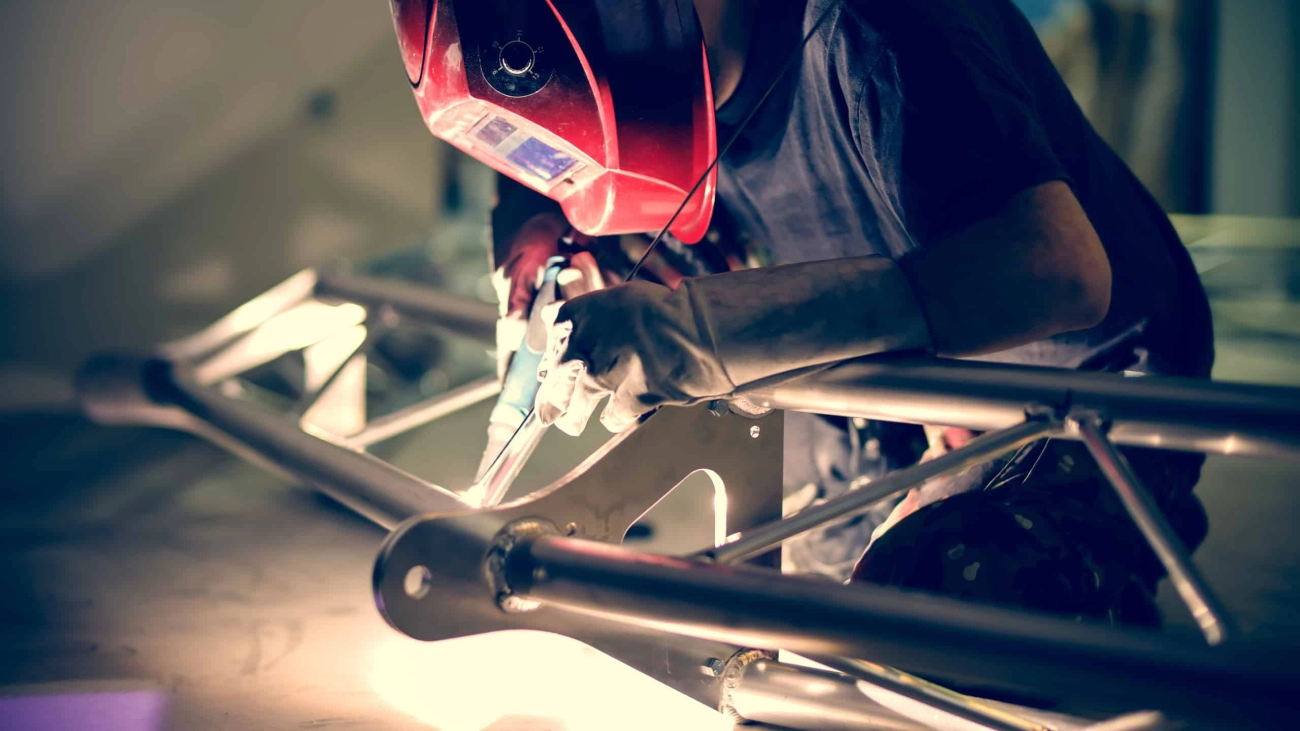
6061 aluminum is often the go-to choice when you need a good balance of strength, corrosion resistance, and weldability. It’s widely used in aluminum extrusion applications, making it perfect for structural frames, automotive parts, and even piping. This alloy works well in situations where weldability matters, like bike frames, marine fittings, and outdoor equipment. It’s also popular for DIY projects and general fabrication because it’s easy to machine and finish.
Ideal Uses for 7075 Aluminum
7075 aluminum is known as a high-strength aluminum for aerospace and military-grade parts. Thanks to its superior strength and fatigue resistance, it’s often chosen for aircraft components, high-performance automotive parts, and sporting goods like climbing gear and bike frames where weight and strength are critical. Although it’s less corrosion-resistant and harder to weld than 6061, its toughness makes it ideal for heavy-duty uses where 7075 aircraft grade aluminum really shines.
Industry Spotlights
- Aerospace and Defense: 7075 is dominant here due to its strength-to-weight ratio.
- Automotive: Both alloys are used, with 6061 favored for structural parts and 7075 for performance components.
- Marine and Outdoor Gear: cURL Too many subrequests.
- cURL Too many subrequests. cURL Too many subrequests.
cURL Too many subrequests.
cURL Too many subrequests.
cURL Too many subrequests.
cURL Too many subrequests.
| cURL Too many subrequests. | Pros | Cons | Best For |
|---|---|---|---|
| 6061 | cURL Too many subrequests. | cURL Too many subrequests. | cURL Too many subrequests. |
| cURL Too many subrequests. | cURL Too many subrequests. | cURL Too many subrequests. | |
| 7075 | cURL Too many subrequests. | cURL Too many subrequests. | cURL Too many subrequests. |
| cURL Too many subrequests. | cURL Too many subrequests. | High-strength applications |
Decision Framework 5 Key Questions
Ask yourself these before picking your aluminum:
- How strong does the material need to be?Choose 7075 for max strength; 6061 if moderate strength suffices.
- Is corrosion resistance important?6061 handles outdoor and marine environments better.
- Will you need to weld or shape it easily?6061 is much easier to weld and bend without losing strength.
- What about fatigue resistance in ongoing stress?7075 performs better under repeated loading.
- What’s your budget?6061 is more budget-friendly and easier to source.
By weighing these points, you can quickly zero in on the right alloy for your U.S.-based projects.
Expert Tips from Vast Sourcing and Custom Fabrication How to Source High Quality Alloys Common Mistakes to Avoid
When sourcing high-quality 6061 aluminum or 7075 aluminum, it pays to work with trusted suppliers who understand the local U.S. market. Look for vendors with a strong track record in custom fabrication and good reviews on consistency and delivery times. Here are some quick tips:
- Verify certifications: Always ask for material certification to confirm you’re getting authentic 6061-T6 or 7075 aircraft grade aluminum. This guarantees the alloy meets strength and quality standards.
- Check stock availability: 6061 is generally easier to find and less costly, while 7075 might require special ordering. Plan ahead if you need 7075 for high-strength uses.
- Request sample tests: If your project demands precision, get samples for testing machinability or corrosion resistance.
- Understand heat treatment options: Both alloys benefit from specific heat treatments that unlock performance. Ensure your supplier can provide or advise on T6 or other tempers.
Common mistakes to avoid:
- Buying alloy without clear labeling: Some suppliers mix up 6061 and 7075 or offer non-standard tempers. This risks your project failing under load or corrosion.
- Ignoring machinability differences: 7075 is tougher to machine than 6061. Not compensating for that can slow down production or increase tool wear.
- Overlooking corrosion resistance needs: 7075 is less corrosion resistant than 6061. Using it without proper coating in harsh environments leads to premature failure.
- Not considering weldability: 6061 welds well, but 7075 does not. Choosing the wrong alloy can complicate fabrication and increase costs.
By keeping these points in mind, you’ll source the right aluminum alloy suited for your specific project, keeping quality high and surprises low.
Picking Your Winner Based on Project Needs
Choosing between 6061 aluminum vs 7075 really comes down to what your project demands. If you need a solid balance of strength, good corrosion resistance, and easier weldability, 6061 is usually the way to go. It’s reliable for most general fabrication, structural applications, and projects where cost matters.
On the other hand, if your priority is the highest strength and fatigue resistance—like in aerospace, military gear, or high-stress components—7075 aluminum is the top choice. Keep in mind, it’s less corrosion-resistant and harder to weld, so it’s best when those factors are controlled or less critical.
Before making a final decision, consider:
- Strength vs. corrosion resistance: 7075 is stronger but less rust-proof than 6061.
- Machinability and weldability: 6061 is easier to work with.
- Budget: 6061 is more affordable and widely available.
- End use: Outdoors or marine? 6061 might perform better. High performance and cutting-edge? 7075 is likely your pick.
- cURL Too many subrequests. cURL Too many subrequests.
cURL Too many subrequests.
 Korean
  English
  Spanish (Peru)
  German
  Spanish (Spain)
  Italian