
Explore different types of mills including industrial grinding, grain, and rolling mills with features, applications, and expert selection tips.
If you’re looking to understand the types of mills and how they shape industries from mining to food production, you’re in the right place. Choosing the right mill isn’t just about grinding materials—it’s about boosting efficiency, cutting costs, and delivering consistent results. In this guide, we’ll break down the most common industrial and grain mills, explain how they work, and help you find the perfect fit for your operation. Whether you’re dealing with ores, grains, or metals, knowing your mill options is the first step to smarter processing. Ready to dive in? Let’s get started!
Search Intent Analysis and
When people search for “types of mills,” they’re usually looking for clear, straightforward information about different milling equipment and their applications. Whether it’s industrial grinding mills, grain and food mills, or specialized mills used in metalworking or high-energy processes, the intent is to understand how these mills work, their pros and cons, and which type fits specific needs.
Most users want answers like:
- What are the main types of mills used across industries?
- How do these mills differ in their mechanisms and uses?
- Which mills are best for grinding raw materials, food grains, or metals?
- How do milling processes like wet vs dry affect the choice of mill?
- What are the maintenance needs and operational tips for these mills?
This article answers these questions by breaking down types of mills into
The Fundamentals of Milling Mechanisms and Key Considerations

Milling is all about breaking down materials into smaller pieces, whether that’s grains, minerals, or metals. Different mills use different methods, but most rely on a few core mechanisms: impact, compression, shear, or attrition. Knowing these basics helps you pick the right mill for your specific needs.
- Impact mills use force to shatter materials, like in hammer mills or pin mills.
- Compression mills squeeze or crush materials,
Industrial Grinding Mills Ball Mills Rod Mills SAG and Autogenous Mills Hammer Mills Roller and Vertical Roller Mills Comparison of Grinding Mills
When it comes to industrial grinding mills, several types are commonly used across industries in the United States, each designed for specific materials and capacities.
Ball Mills
These mills use steel balls to grind material inside a rotating cylinder. Ball mills are versatile and widely used in mineral processing and cement production due to their ability to handle hard materials and produce fine powders.
Rod Mills
Rod mills use steel rods instead of balls for grinding. They are particularly good for coarse grinding and are often used when the goal is to reduce large pieces of ore or raw materials into smaller sizes before further processing.
Grain and Food Mills
When it comes to milling grains and food, several types of mills are popular across the U.S., especially in the Midwest where local farming is big. Here’s a quick look at some common options:
- Stone Burr MillsStone burr mills crush grains slowly between two grinding stones. This method preserves flavor and nutrients, making them a favorite for small-scale home use and artisanal flour production.
- Impact and Steel Burr MillsImpact mills use fast-moving hammers or pins to crush grain, which works well for fine flour but produces more heat. Steel burr mills use two steel plates to grind and are durable, often chosen for efficiency in small commercial setups.
- Pin and Disc MillsThese are designed for quick, fine grinding through high-speed collisions between grains and spinning pins or discs. Pin mills are often used for spices and fine powders, while disc mills work well for coarse-to-medium grinding.
- Cone MillsCone mills operate by shearing and crushing grains through a rotating shaft inside a cone-shaped screen. They’re common in
Specialized Mills From Metalworking to High-Energy Applications

When it comes to specialized mills, there’s a wide range designed for specific tasks beyond traditional grinding. In metalworking, rolling mills shape metal sheets into the desired thickness and finish. These mills come in various configurations to handle different metals and product types, making them essential in the steel and aluminum industries.
For high-tech applications,
How to Choose the Right Mill Type for Your Operation
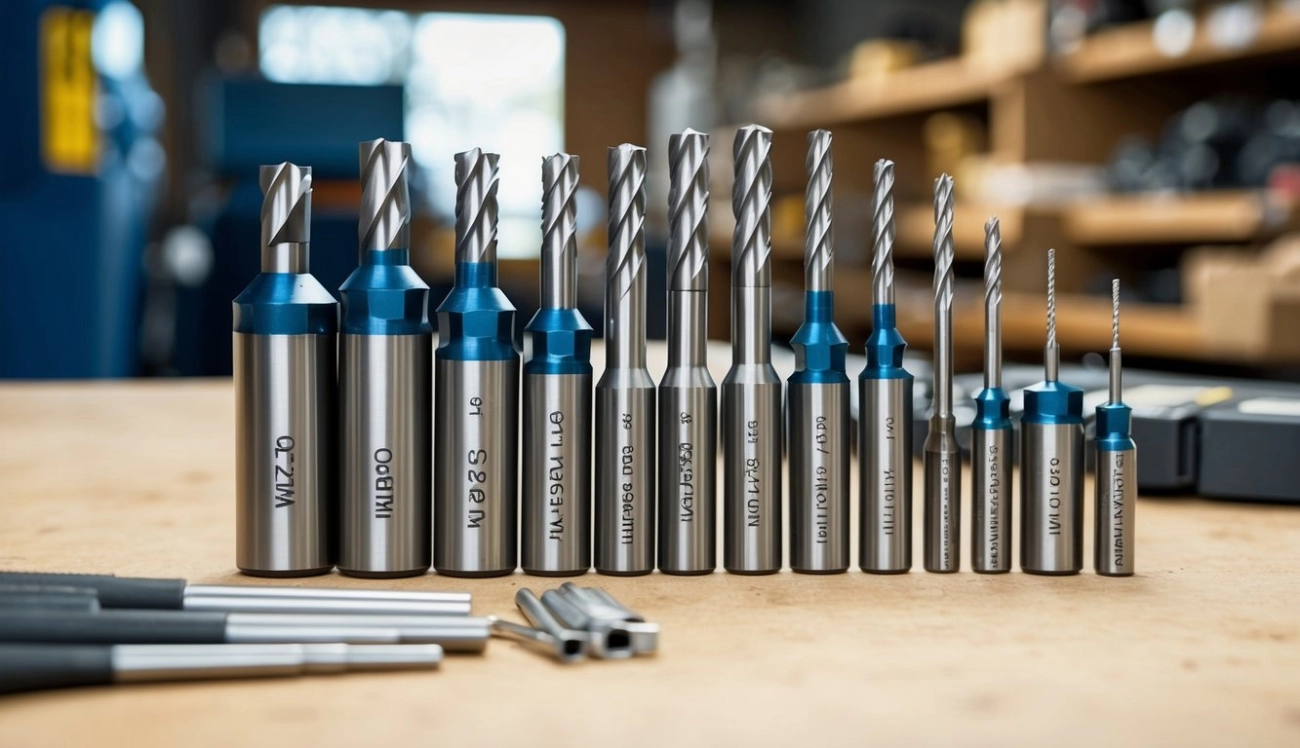
Picking the right type of mill depends a lot on what you’re milling and your specific needs. Here’s how to narrow it down:
1. Know Your Material
- cURL Too many subrequests.
- cURL Too many subrequests.
cURL Too many subrequests.
cURL Too many subrequests.

cURL Too many subrequests.
- cURL Too many subrequests.
- cURL Too many subrequests.
- cURL Too many subrequests.
cURL Too many subrequests.
cURL Too many subrequests.
cURL Too many subrequests.
cURL Too many subrequests.
 Korean
  English
  Spanish (Peru)
  German
  Spanish (Spain)
  Italian