
Discover the ultimate plasma cutter guide featuring top models, expert tips, cutting capacity, and how to choose the best plasma cutter for your projects.
How Does a Plasma Cutter Work The Science Behind the Spark
Ever wonder how a plasma cutter slices through metal so quickly and precisely? At its core, a plasma cutter uses an electric arc and compressed air to create a super-hot plasma stream that melts and blows away the metal. Here’s how it works step by step:
- Power supply sends electrical current to the cutting torch.
- Inside the plasma cutting torch, the electrical arc forms between an electrode and the metal surface.
- Compressed air flows through the torch, gets superheated by the arc, and turns into plasma — a hot, electrically conductive gas.
- This plasma arc reaches temperatures up to 30,000°F, melting the metal instantly.
- The compressed air blows away the melted metal as slag, leaving a clean, precise cut.
Some key benefits that make plasma cutting stand out:
- Precision — the narrow plasma arc allows for tight, clean cuts.
- Speed — plasma cutters work faster than many traditional methods.
- Versatility — suitable for cutting various metals like mild steel, aluminum, and stainless steel with different thicknesses.
A common myth is that you need special gases like argon or nitrogen. In reality, most plasma cutters use just standard compressed air, which keeps things simple and cost-effective. No fancy gas tanks needed!
Ready to dive deeper? Let’s explore the types of plasma cutters next and how to choose the perfect one for your needs.
Types of Plasma Cutters Finding the Right Fit for Your Projects
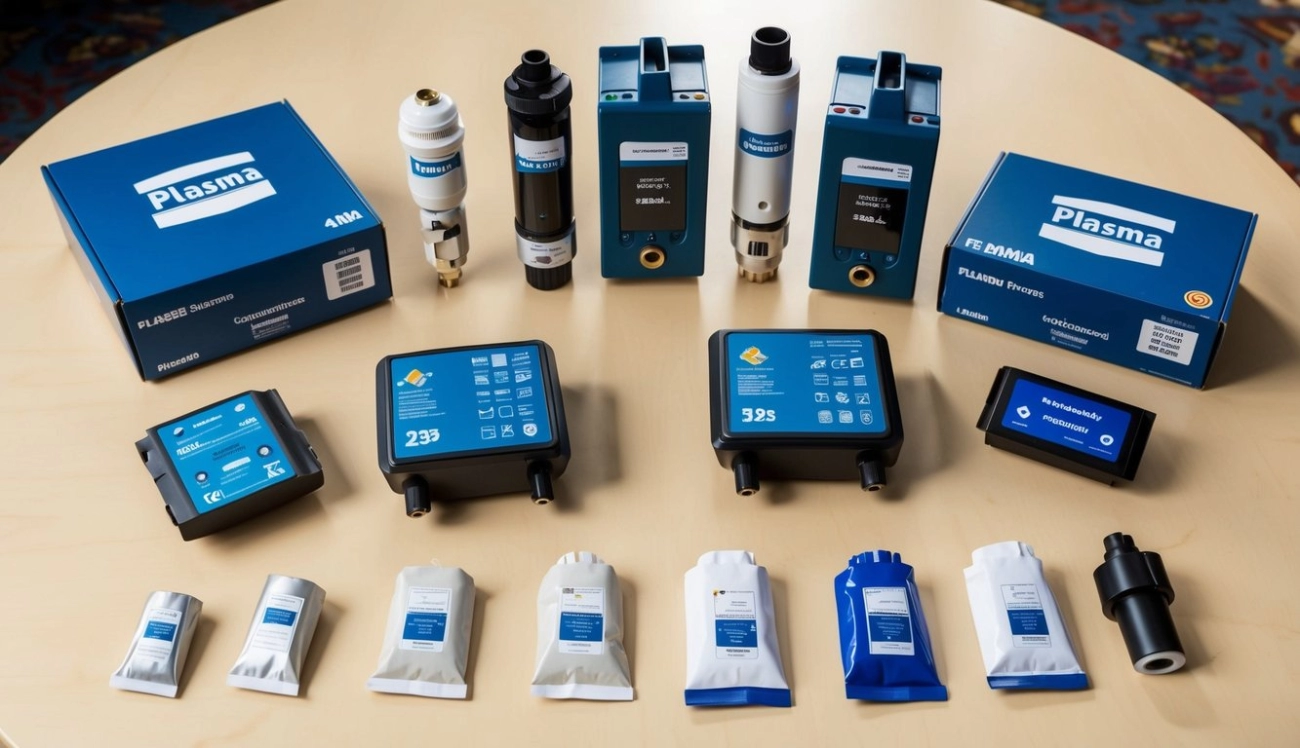
When choosing a plasma cutter, knowing the types available helps match the tool to your project needs. Here’s a simple breakdown:
Handheld vs CNC Plasma Cutters
- cURL Too many subrequests. are perfect for DIYers, mechanics, and light fab work. They’re portable and easy to use in garages or on-site.
- CNC plasma tables are automated systems ideal for precision cutting and repetitive jobs in shops or factories. They handle complex patterns and high volumes with ease.
Portable Inverter vs Automated Tables
- Inverter plasma cutters are compact, lightweight, and energy-efficient, offering great portability without sacrificing power.
- Automated plasma cutting tables are larger, designed for industrial jobs requiring consistent accuracy over long production runs.
Amperage Breakdown for Beginners, Mid-range, and Industrial Use
- Beginners: Models with 20-40 amps suit thin metals and hobby tasks.
- Mid-range: 40-60 amps give more cutting power for mild steel and moderate thickness.
- Industrial: 60+ amps handle thick metals and high production demands.
Power Input Options 110V vs 220V and 3-phase
- 110V plasma cutters run on standard household outlets, ideal for light to medium work at home or small shops.
- 220V models offer more power for thicker metal and faster cuts, common in professional workshop setups.
- 3-phase power plasma cutters cURL Too many subrequests.
cURL Too many subrequests.
cURL Too many subrequests.
cURL Too many subrequests.
cURL Too many subrequests.
cURL Too many subrequests.
cURL Too many subrequests.
- cURL Too many subrequests. cURL Too many subrequests.
- cURL Too many subrequests. cURL Too many subrequests.
- cURL Too many subrequests.
cURL Too many subrequests.
- cURL Too many subrequests. cURL Too many subrequests. cURL Too many subrequests.
- cURL Too many subrequests.
- cURL Too many subrequests.
cURL Too many subrequests.
- cURL Too many subrequests. lets you start the cut without touching the metal, helping with rust or painted surfaces.
- This tech reduces wear on consumables and gives a cleaner, faster start every time.
Consumables and Maintenance Tips
- Regularly replacing consumables like the nozzle and electrode keeps cuts sharp and consistent.
- Use quality plasma cutter consumables designed for your model to extend torch life.
- Keep the air plasma system dry and filtered to prevent clogging and damage.
Portability Weight Extras Compressor and Air Filtration
- Think about where you’ll use your cutter—a handheld plasma cutter or a lightweight inverter plasma cutter is easier if you move around a lot.
- Some units come with built-in air filtration, saving space and keeping your compressor running smoothly.
- If your workspace lacks clean compressed air, investing in an air filtration system is smart.
Budget Guide Entry Mid Pro Levels
- Entry level: Budget-friendly, ideal for hobbyists and light use. Expect lower duty cycles and cutting capacity.
- Mid-range: Better duty cycles, cutting thicker metal, suitable for serious DIYers and small shops.
- Professional: Higher amps, long duty cycles, CNC plasma table compatibility aimed at industrial or heavy fabricators.
Local Compatibility and Rental Options
- Check if your power input (110V, 220V, or 3-phase) matches your local supply.
- If you’re testing plasma cutting or need it for a short time, many local shops offer rental plasma cutters—perfect for one-off projects without the full investment.
Knowing these features helps you pick the right plasma cutter whether you’re working on home auto repairs, metal art, or professional fabrication.
Best Plasma Cutters for 2025 Expert Recommendations from Vast
Choosing the right plasma cutter can make all the difference whether you’re a DIY enthusiast, mechanic, or professional fabricator. At Vast, we’ve put together a carefully curated list of the best plasma cutters for 2025, including some exclusive models you won’t find anywhere else.
What We Look For
We base our picks on three main things:
- Cut quality – Clean, precise cuts every time
- Ease of use – How simple the controls and setup are
- Value – Great features without breaking the bank
Top Picks Overview
- Handheld Inverter Plasma Cutters – Perfect for DIYers and light shop use. Portable, affordable, with enough power to handle mild steel cutting up to 1/2 inch.
- Mid-Range CNC Plasma Tables – Ideal for serious fabricators needing accuracy and automation. These come with pilot arc technology and support heavier gauge metals.
- Industrial Plasma Systems – Built for heavy-duty use in a factory setting, offering high amperage, 3-phase power support, and long duty cycles.
Pros and Cons
Every plasma cutter has its trade-offs:
| Model Type | Pros | Cons |
|————|——-|——|
| Handheld Inverter | Lightweight, affordable, versatile | Limited cutting thickness, shorter duty cycle |
| CNC Plasma Table | High precision, automated cuts | Higher cost, requires space and setup |
cURL Too many subrequests.
cURL Too many subrequests.
- DIYerscURL Too many subrequests.
- cURL Too many subrequests.cURL Too many subrequests.
- cURL Too many subrequests.cURL Too many subrequests.
cURL Too many subrequests.
cURL Too many subrequests.
cURL Too many subrequests.
cURL Too many subrequests.
cURL Too many subrequests.
Setup Essentials
- cURL Too many subrequests. cURL Too many subrequests.
- cURL Too many subrequests. cURL Too many subrequests.
- cURL Too many subrequests. cURL Too many subrequests.
cURL Too many subrequests.
- cURL Too many subrequests. Plug your plasma cutter into the correct voltage—usually 110V for home units or 220V for heavier models. Check your machine specs for three-phase power needs.
- Set Air Pressure: Adjust your compressor to the recommended PSI for your model.
- Adjust Amps: Set the amperage based on the metal thickness you plan to cut.
- Test the Arc: Before cutting your project, test the plasma arc on scrap metal to adjust settings.
- Cutting Technique: Hold the plasma cutting torch at a consistent angle (usually around 90 degrees) and maintain a steady travel speed for clean cuts.
Safety Protocols
- PPE: Always wear welding gloves, a helmet or safety glasses with the proper shade, and flame-resistant clothing.
- Ventilation: Use fans or extractors to clear fumes, especially when cutting indoors.
- Spark Management: Keep a fire extinguisher nearby and clear your area of anything that can catch fire.
Garage Tips
- Use a metal cutting table or fireproof surface.
- Store your plasma cutter in a dry place to avoid moisture damage.
- Keep your compressor’s air filters clean to prevent clogging.
Troubleshooting Common Issues
- Weak or No Arc: Check grounding and air pressure first.
- Pilot Arc Not Starting: Inspect consumables for wear, especially the electrode and nozzle.
- Rough Cuts: Slow down your travel speed and check if the amperage matches your material thickness.
- Excessive Dross: Adjust your cutting speed or replace worn consumables.
Following these steps ensures you get clean cuts safely every time while keeping your plasma cutter in top shape.
Plasma Cutting Tips and Tricks for Cleaner Faster Results
Getting cleaner cuts and faster results with your plasma cutter is all about technique and maintenance. Here are some straightforward tips that work, whether you’re using a handheld plasma cutter or an advanced CNC plasma table.
Technique Hacks
- Travel speed: Move at a steady pace. Going too slow can cause rough edges, while going too fast might not cut all the way through.
- Torch angle: Keep the plasma cutting torch around 75 to 90 degrees to the metal. Tilting too much can lead to uneven cuts.
- Consistent distance: Maintain a small gap between the plasma arc and the metal, usually around 1/8 inch, for the best results.
Material Specific Advice
- Aluminum: Use a slightly faster travel speed and higher amperage settings if your cutter supports it. Aluminum doesn’t conduct heat as well, so be patient when cutting thicker sheets.
- Steel: Mild steel cuts easily at moderate speeds and is forgiving. For stainless steel, slower speeds help reduce dross or slag buildup.
cURL Too many subrequests.
- Consumables checks: cURL Too many subrequests.
- cURL Too many subrequests. cURL Too many subrequests.
cURL Too many subrequests.
cURL Too many subrequests.
cURL Too many subrequests.
cURL Too many subrequests.
cURL Too many subrequests.
cURL Too many subrequests.
cURL Too many subrequests.
cURL Too many subrequests.
cURL Too many subrequests.
cURL Too many subrequests.
cURL Too many subrequests.
cURL Too many subrequests.
cURL Too many subrequests.
cURL Too many subrequests.
 Korean
  English
  Spanish (Peru)
  German
  Spanish (Spain)
  Italian