Bronze Casting Solutions
High-Precision Bronze Investment Casting & Machining Services
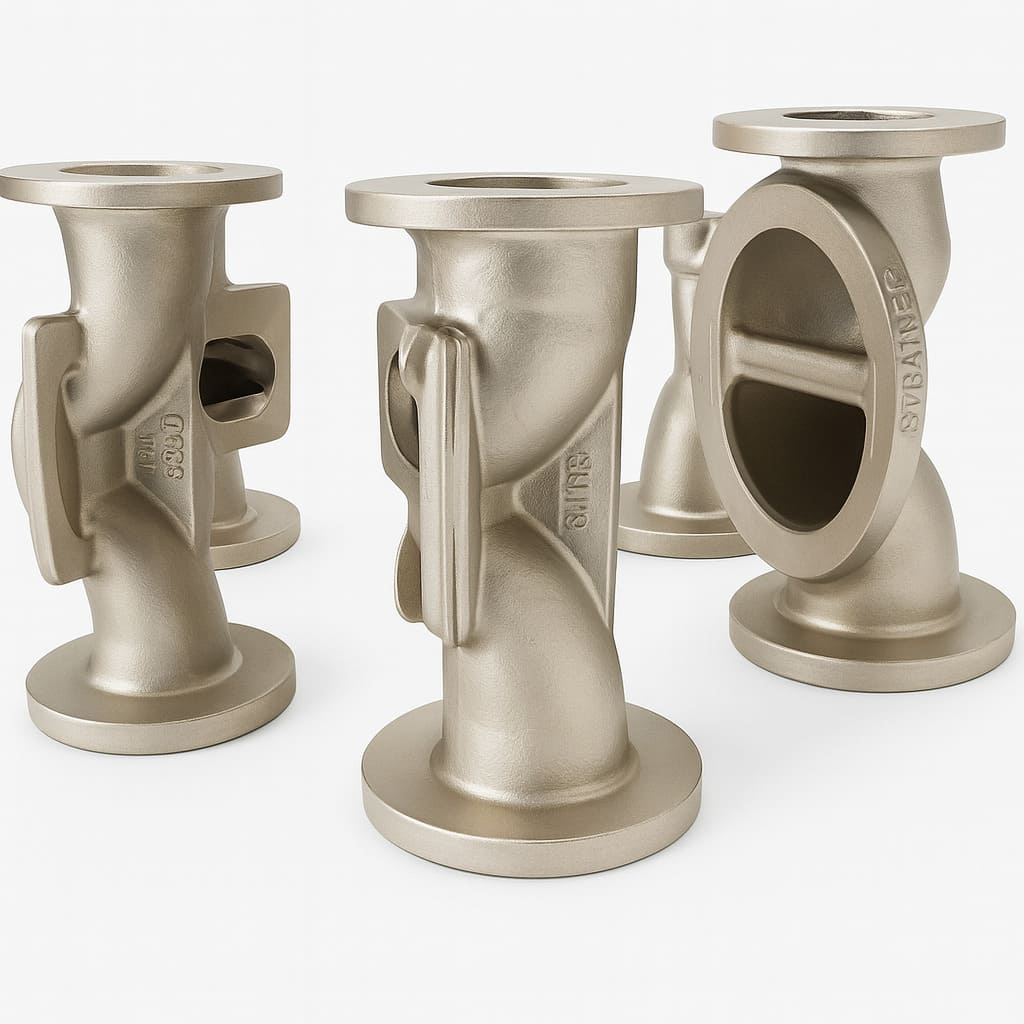
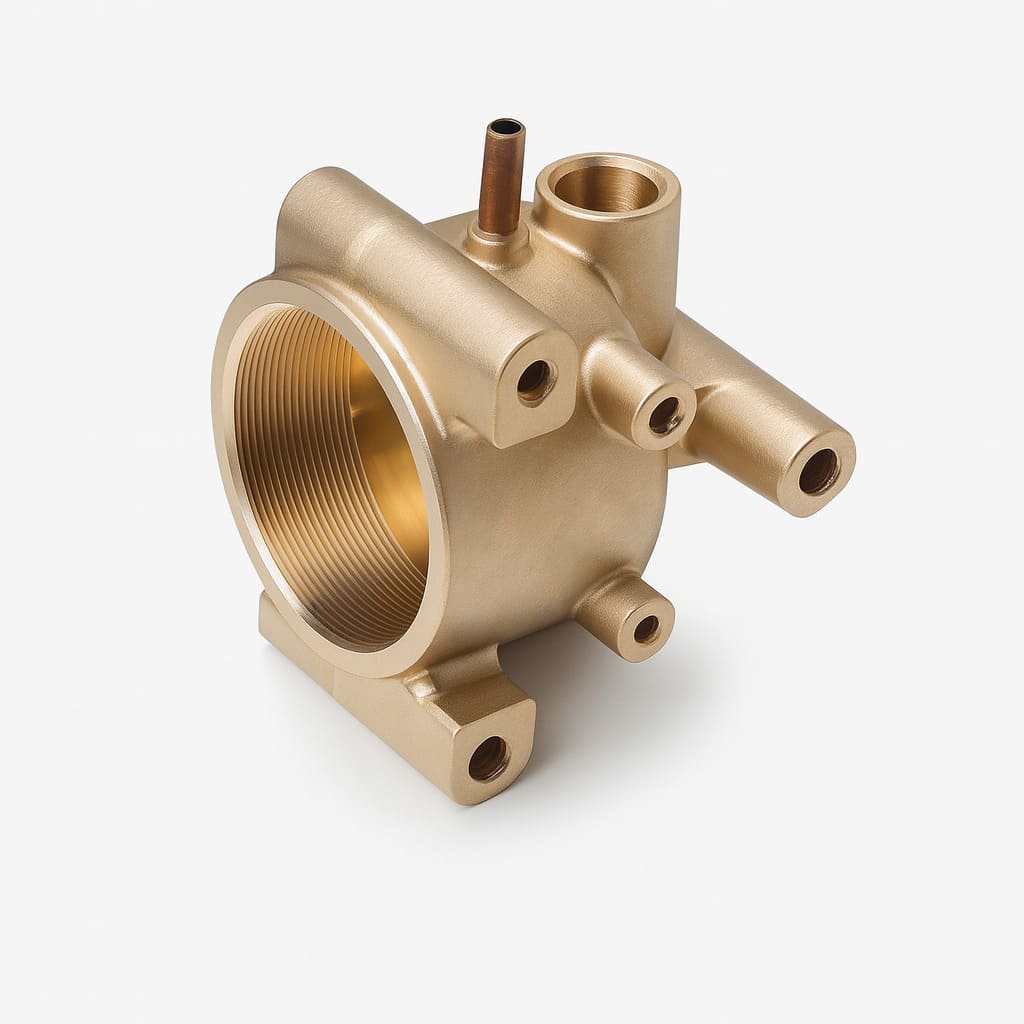
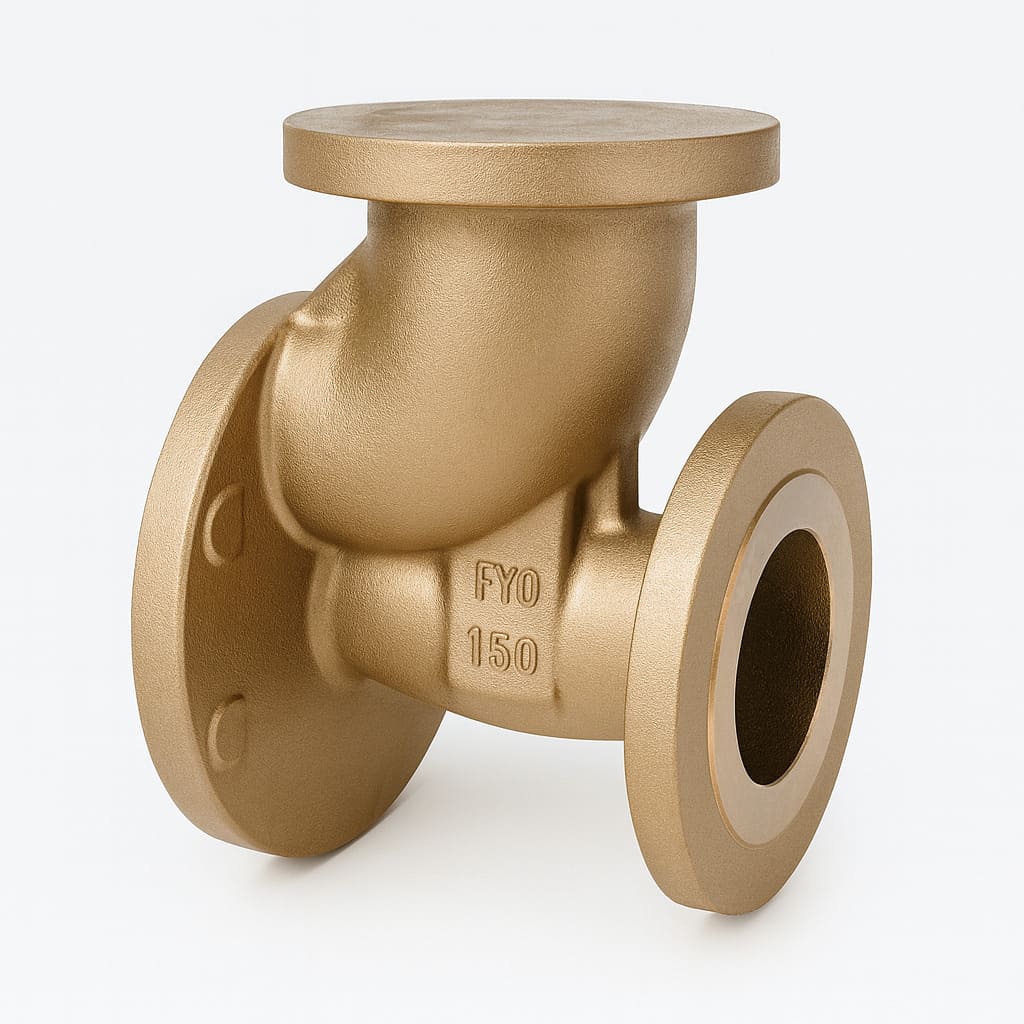
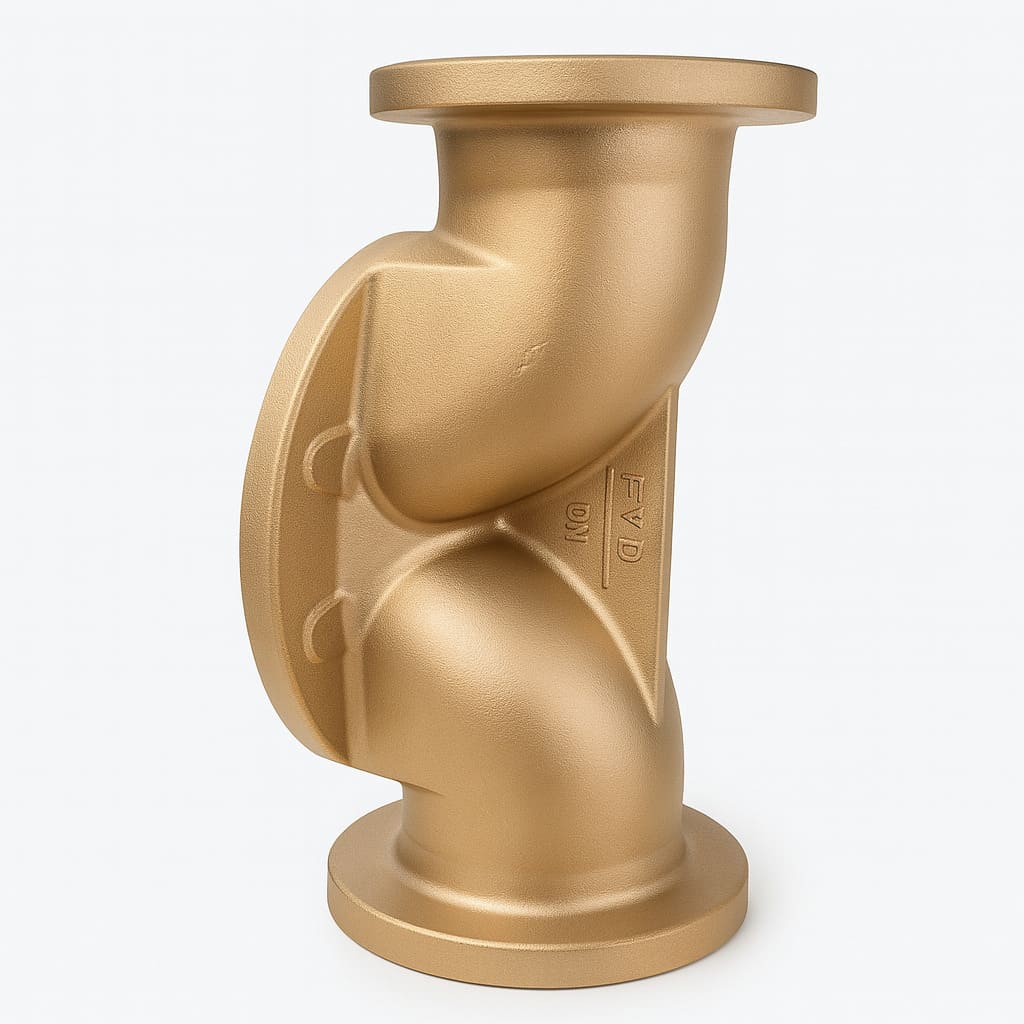
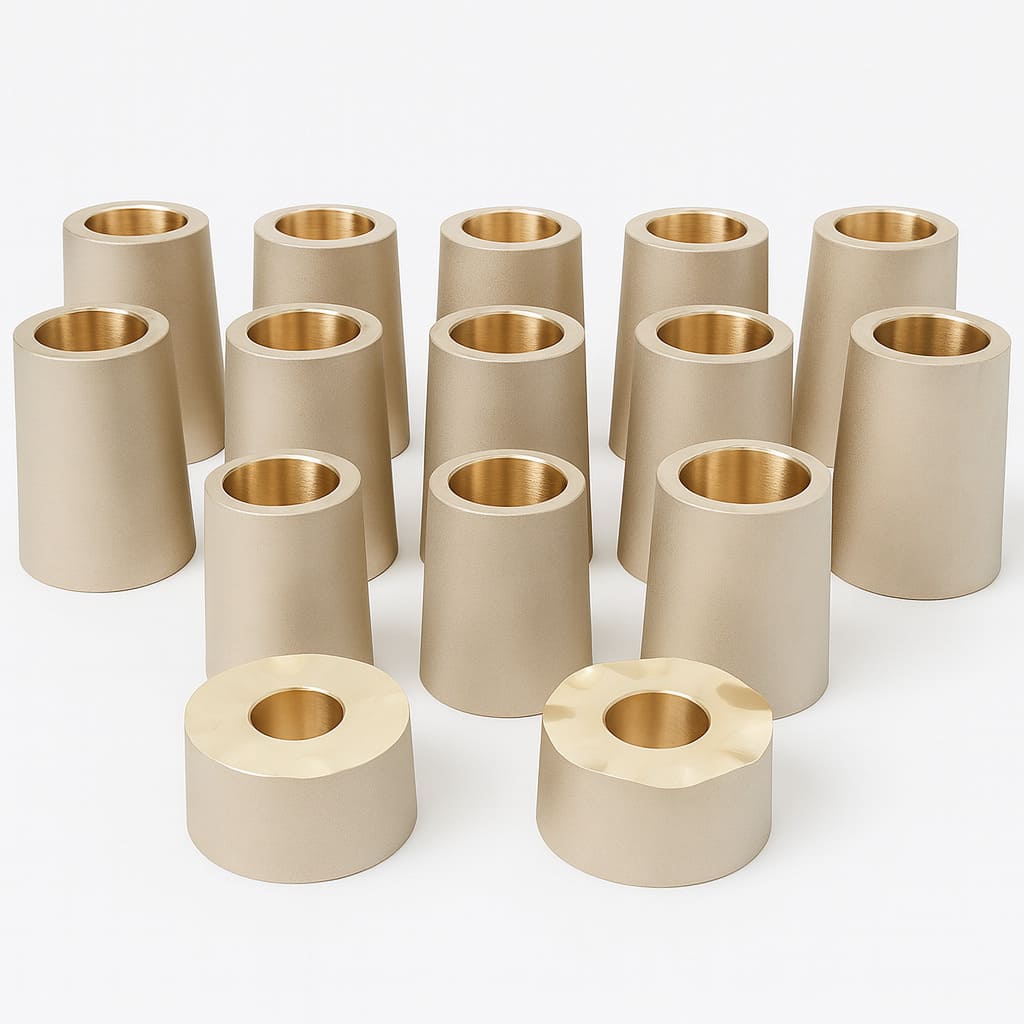
Vast is a leading manufacturer specializing in precision bronze casting, delivering high-performance components engineered for exceptional strength, wear resistance, and superior corrosion protection.
From marine hardware to industrial bushings, our bronze alloys are the trusted choice for environments where reliability and extended service life are non-negotiable.
Comprehensive Bronze Alloy Capabilities
We work with a diverse range of bronze materials, each tailored to specific engineering challenges:
cURL Too many subrequests. Known for its high strength and excellent resistance to corrosion in seawater and acidic environments.
Tin Bronze & Phosphor Bronze: Ideal for high-load applications requiring superior wear resistance and low friction.
cURL Too many subrequests. Perfect for decorative and structural components that demand high weldability and anti-corrosion properties.
Manganese Bronze: The go-to material for heavy-duty components like gears and fasteners.
Critical Applications Across Industries
Our customized bronze parts are essential for high-stress applications in several sectors:
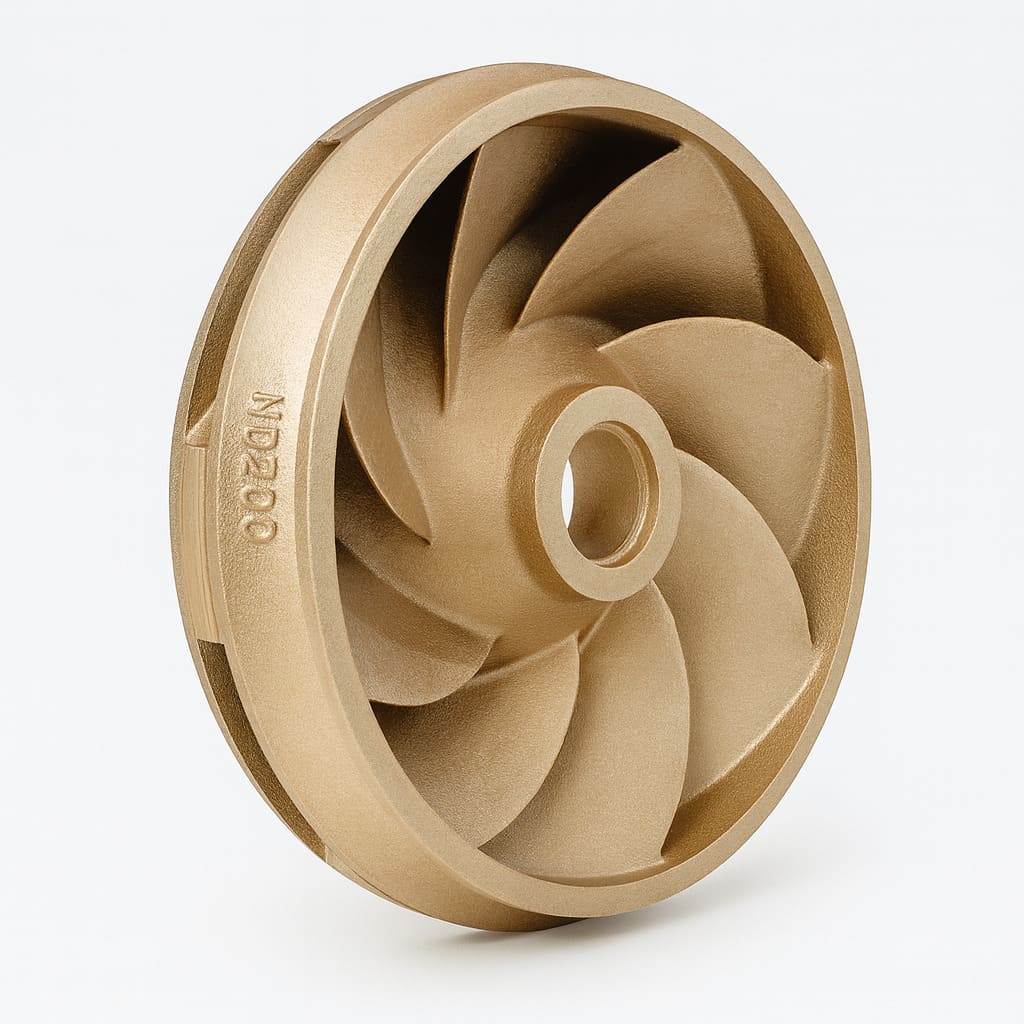
Marine & Shipbuilding: Propellers, pump impellers, valves, and salt-water resistant fittings.
Industrial Machinery: Bearings, bushings, worm gears, and wear plates.
Automotive & Heavy Equipment: Transmission components and heavy-duty structural fasteners.
Construction & Architecture: High-durability hardware and aesthetic structural elements.
Why Choose Vast for Bronze Casting?
cURL Too many subrequests. bronze casting factory in China, we combine traditional craftsmanship with modern technology:
Near-Net-Shape Precision: cURL Too many subrequests. silica sol investment casting process ensures intricate details and minimizes the need for extensive machining.
Advanced CNC Machining: Delivering “ready-to-assemble” parts with tight tolerances and superior surface finishes.
Cost-Effective Solutions: Optimized production cycles and material efficiency to provide competitive pricing without compromising quality.
Rigorous Quality Control: Every batch undergoes chemical analysis and mechanical testing to ensure full compliance with international standards.
- Precision Investment Casting
- Flexible Weight Range: from 0.02 kg up to 120 kg.
- Custom Solutions: meet the requirements of diverse industries
- Home
- »
- Bronze Casting
What is Bronze Casting?
The Art and Science of Bronze Casting: From Fine Art to Industrial Precision
Cast bronze boasts a prestigious history and remains a premier material for artistic creation due to its exceptional durability and capacity for intricate detail. Known for its “noble” aging process, bronze is the gold standard for fine art sculptures, commemorative monuments, and high-end figurative works.
While bronze is celebrated for its longevity, it is prone to oxidation. Understanding the cURL Too many subrequests. and proper surface maintenance is essential for preserving the integrity of these masterpieces.
cURL Too many subrequests.
cURL Too many subrequests. cURL Too many subrequests.
cURL Too many subrequests. cURL Too many subrequests.
cURL Too many subrequests. cURL Too many subrequests. cURL Too many subrequests., cURL Too many subrequests.
cURL Too many subrequests.
cURL Too many subrequests. “cURL Too many subrequests.” or “cURL Too many subrequests.” cURL Too many subrequests.
cURL Too many subrequests. cURL Too many subrequests.
cURL Too many subrequests. cURL Too many subrequests.
cURL Too many subrequests. The wax replica is refined by hand to remove any seams or imperfections.
Spruing & Gating: Wax rods (sprues) are attached to create channels for the molten bronze to enter and air to escape.
Ceramic Shell Investment: The wax is dipped into a ceramic slurry to create a heat-resistant shell.
De-waxing (The Burnout): The shell is heated in a kiln, melting the wax and leaving a perfect negative cavity.
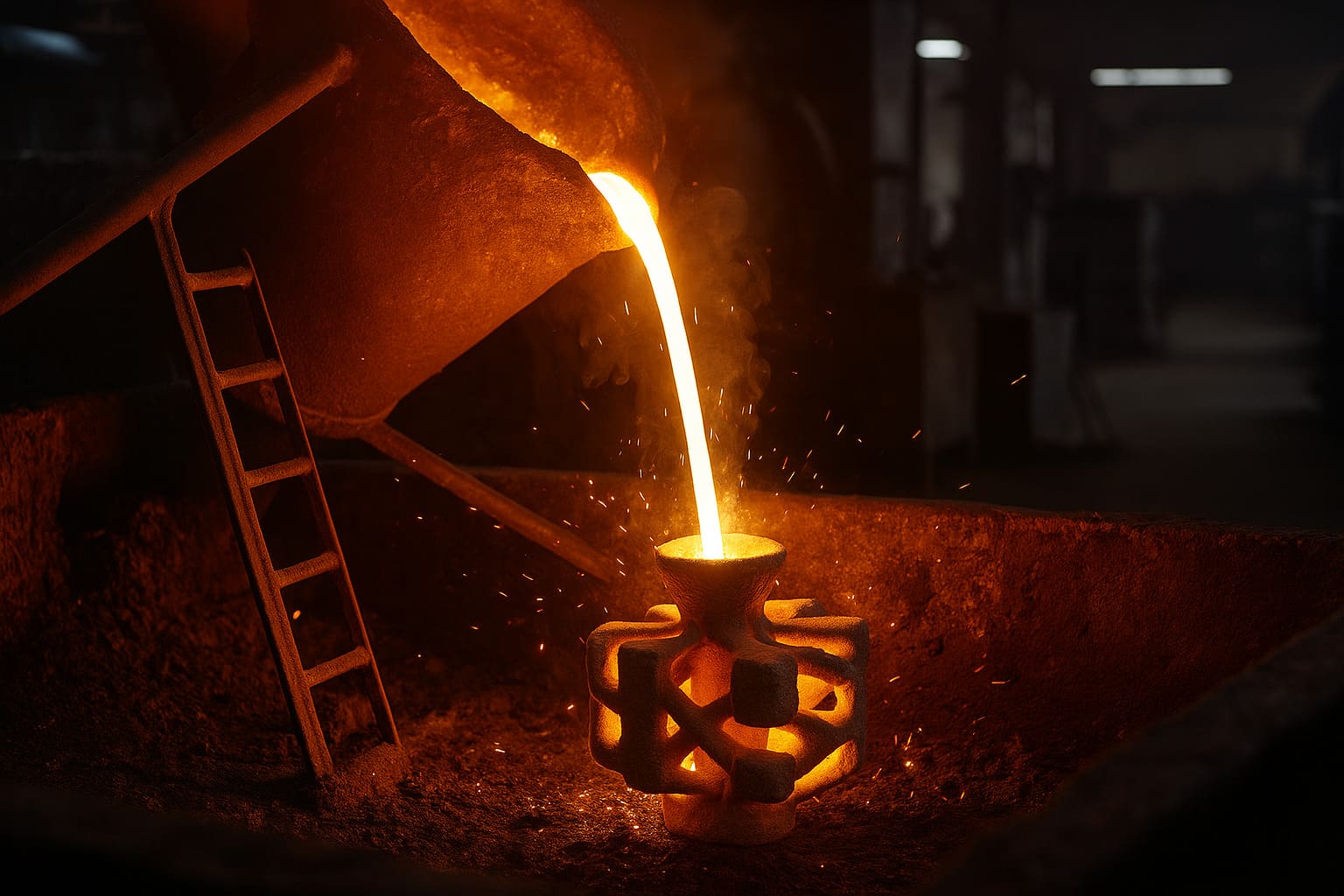
Bronze Pouring: Molten bronze (typically at temperatures around $1150^\circ\text{C}$) is poured into the pre-heated ceramic shell.
De-shelling & Finishing: The shell is broken away, and the bronze is sandblasted, welded (if cast in sections), and polished.
Maintenance & Oxidation Control
To prevent unwanted oxidation and maintain the sculpture’s finish:
Waxing: Apply a high-quality microcrystalline wax annually to create a barrier against moisture.
Cleaning: Use distilled water and non-ionic detergents; avoid abrasive chemicals that can strip the patina.
Environmental Control: For indoor works, maintain stable humidity to prevent the development of “bronze disease” (pitting corrosion).
Advantages of Bronze Casting
Corrosion Resistance
Bronze castings withstand moisture, seawater, and chemical environments, making them highly durable for outdoor and marine applications.
High Strength & Wear Resistance
Bronze alloys combine strength with excellent wear resistance, ideal for components subject to heavy loads and friction such as bearings, gears, and valves.
Good Machinability & Castability
Bronze flows well in casting molds, allowing the production of complex shapes with fine details, while also being easy to machine for precision requirements.
Wide Industrial Applications
With reliable mechanical and anti-friction properties, bronze castings are widely used in pumps, valves, ship parts, decorative items, and engineering machinery.
Processes of Bronze & Brass Casting
Clay Modeling
A clay prototype is first sculpted based on the design draft. The quality of this model directly influences the accuracy and aesthetic value of the final product.Silicone Mold Making
High-precision silicone molds are created from the clay model to capture fine details.Resin Prototype
Resin is poured into the silicone mold to produce a strong and accurate prototype.Resin Finishing
The resin prototype is polished and refined to achieve the desired texture and surface quality.Wax Pattern Production
A new silicone mold is made from the resin prototype. Heated paraffin wax is injected into this mold to form wax patterns that replicate the final product.Wax Pattern Trimming
Each wax pattern is carefully trimmed to remove seam lines and imperfections, ensuring consistency with the resin prototype.Ceramic Shell Formation
Wax patterns are repeatedly dipped into slurry and coated with fine sand, building a ceramic shell (5–7 layers, ~9mm thick). The wax is then melted out, leaving a hollow mold.Metal Casting
The ceramic mold is fired at 1000–1150°C, and molten bronze or brass is poured in. After cooling, the shell is broken to reveal the rough casting.Casting Cleaning & Repair
The cast product undergoes sandblasting, cutting, grinding, shaping, heat treatment (if applicable), and machining to achieve dimensional accuracy.Surface Treatment & Protection
Final finishing includes polishing, coloring (cold or hot patina), and protective waxing to enhance durability and appearance.
cURL Too many subrequests.
cURL Too many subrequests.
cURL Too many subrequests.
cURL Too many subrequests.
cURL Too many subrequests.
cURL Too many subrequests.
cURL Too many subrequests.
cURL Too many subrequests.
cURL Too many subrequests. cURL Too many subrequests.. cURL Too many subrequests.
cURL Too many subrequests. cURL Too many subrequests., cURL Too many subrequests.
cURL Too many subrequests. cURL Too many subrequests.. With our precision casting and machining capabilities, we deliver customized solutions according to drawings or 3D models.
We provide a variety of finishing processes such as machining, polishing, patina coloring, coating, and protective waxing to enhance performance, appearance, and durability.
 Korean
  English
  Spanish (Peru)
  German
  Spanish (Spain)
  Italian