
Explore the key differences between carbon steel and alloy steel including composition strength applications and cost to choose the right material for your project.
Choosing between carbon steel vs alloy steel can make or break your project’s success. Whether you’re tackling a structural build, engineering a machine part, or diving into metalworking as a hobby, understanding the core differences matters—and not just on paper. One wrong move in material selection could cost you durability, budget, or performance.
In this guide, you’ll get a clear, no-fluff comparison of these two essential steels—breaking down their composition, strengths, weaknesses, and best uses. Ready to cut through the confusion and pick the right steel for your needs? Let’s jump in.
What Is Carbon Steel Composition Types and Fundamental Properties
Have you ever wondered what makes carbon steel so widely used in construction and manufacturing? Carbon steel is basically iron mixed with carbon as the main alloying element. The carbon content can range from very low (around 0.05%) up to about 2%. This small change in carbon significantly affects the steel’s strength, hardness, and flexibility.
Composition of Carbon Steel
- Iron and Carbon: The primary elements. The higher the carbon, the harder and stronger the steel becomes.
- Minimal Other Elements: Typically contains trace amounts of manganese, silicon, and copper but no significant alloying beyond carbon.
Types of Carbon Steel
- Low Carbon Steel (Mild Steel): Contains up to 0.3% carbon. It’s easy to work with, weld, and shape but less strong.
- Medium Carbon Steel: Ranges from 0.3% to 0.6% carbon. Offers a good balance of strength and ductility; often heat treated.
- High Carbon Steel: Contains 0.6% to 1.0% or more carbon. It’s very hard and strong but less flexible and more brittle.
Fundamental Properties
- Durability: Carbon steel is tough and holds up well under stress.
- cURL Too many subrequests.: Increases with carbon content but at the cost of flexibility.
- Machinability: Easier to cut and shape at lower carbon levels.
- Corrosion Resistance: Generally poor compared to alloy steel; it can rust without protective coatings.
- Heat Treatment: Carbon steel responds well to processes like quenching and tempering to adjust hardness and toughness.
In short, carbon steel’s composition is straightforward but versatile. By adjusting carbon content, manufacturers can fine-tune properties to fit a wide range of uses from simple nails to heavy-duty gears. Knowing these basics helps when comparing carbon steel vs alloy steel for your project.
What Is Alloy Steel Composition Alloying Elements and Enhanced Capabilities
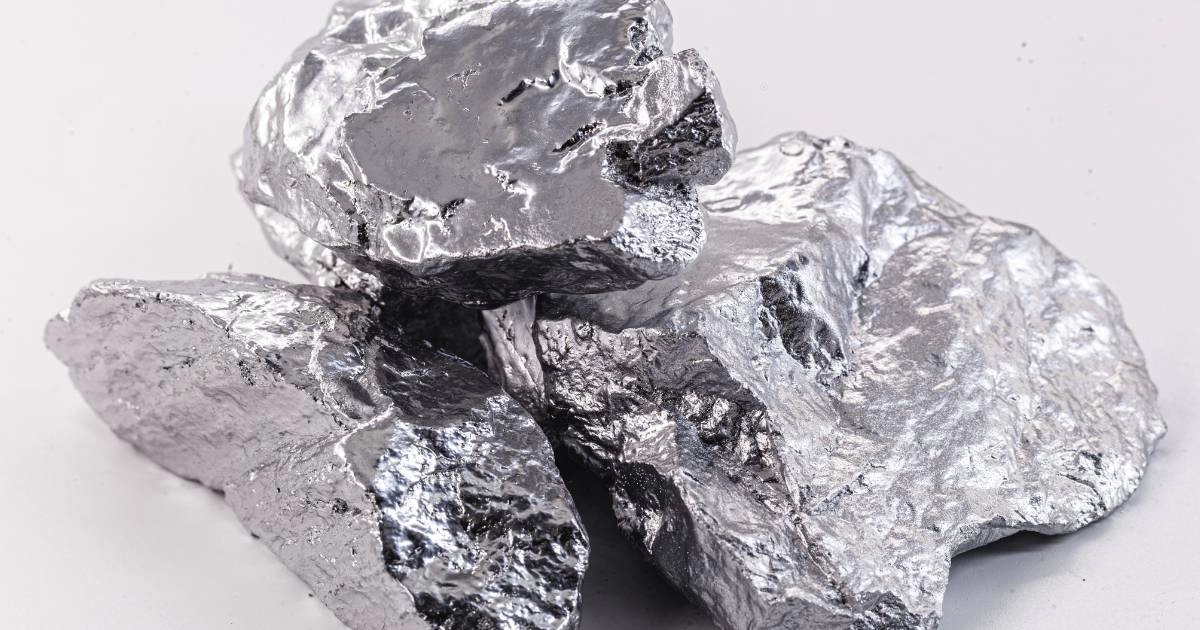
Alloy steel is basically carbon steel mixed with other elements to boost its performance. Common alloying elements include chromium, nickel, molybdenum, vanadium, and manganese. Each element adds something different—chromium improves corrosion resistance, nickel adds toughness, molybdenum increases strength and heat resistance, while vanadium helps with hardness.
Because of these extra metals, alloy steel can handle more demanding jobs than plain carbon steel. It offers better tensile strength, improved wear resistance, and often better corrosion resistance, depending on the mix. That’s why you’ll find alloy steel in heavy machinery parts, automotive components, and structures that need to last longer under tough conditions.
In short, alloy steel’s enhanced capabilities come from its tailored composition. By adjusting the type and amount of alloying elements, manufacturers can create steel that fits very specific industrial needs, all while balancing cost and performance for US markets.
Head to Head Comparison Carbon Steel vs Alloy Steel Across Critical Factors
When comparing carbon steel vs alloy steel, there are several key factors that help you decide which one fits your needs better. Here’s a straightforward look at how they stack up:
1. Composition Differences
- Carbon steel primarily contains iron and carbon (ranging from low to high levels).
- Alloy steel includes other elements like chromium, nickel, or molybdenum, which improve performance.
2. Strength and Toughness
- Alloy steel usually offers higher tensile strength and toughness, making it better for heavy-duty uses.
- High-carbon steel can be strong but tends to be less flexible and more brittle.
3. Corrosion Resistance
- Alloy steel often beats carbon steel here because of its added elements like chromium.
- Carbon steel may rust quicker without proper coatings or treatments.
4. Machinability and Fabrication
- Carbon steel is generally easier and cheaper to machine and weld.
- cURL Too many subrequests.
cURL Too many subrequests.
- cURL Too many subrequests.
- cURL Too many subrequests.
cURL Too many subrequests.
- cURL Too many subrequests.
- cURL Too many subrequests.
cURL Too many subrequests.
cURL Too many subrequests.
cURL Too many subrequests.
cURL Too many subrequests.
- cURL Too many subrequests.cURL Too many subrequests.
- Automotive PartscURL Too many subrequests.
- cURL Too many subrequests.cURL Too many subrequests.
- cURL Too many subrequests.cURL Too many subrequests.
cURL Too many subrequests.
- Aerospace and Defense: Thanks to added elements like chromium, nickel, and molybdenum, alloy steel delivers superior strength and corrosion resistance for aircraft parts and military gear.
- Heavy Equipment and Mining: Alloy steels are critical here because they can withstand intense wear, impact, and harsh environments.
- Oil and Gas Industry: The corrosion resistance of alloy steel makes it ideal for pipelines, valves, and drilling equipment exposed to harsh chemicals.
- High-Performance Automotive Parts: Alloy steel’s enhanced strength and heat resistance are perfect for gears, crankshafts, and suspension systems needing durability over long use.
In short, if you need cost-effective strength and easy handling, carbon steel works great for everyday projects. But for tough environments that demand longer life and special properties, alloy steel is your best bet. Understanding these differences helps you pick the right steel type for your specific needs in the U.S. market.
Pros Cons and Decision Making Framework How to Choose Between Them
When deciding between carbon steel vs alloy steel, understanding their strengths and weaknesses helps you pick the right fit for your project or product. Here’s a quick breakdown:
Carbon Steel ProsCost-effective for many general uses
Good tensile strength, especially higher carbon grades
Easy to machine and weld in low to medium carbon versions
Widely available and versatileCarbon Steel ConsLimited corrosion resistance — prone to rust without protection
Less flexible in terms of mechanical properties compared to alloy steel
Heat treatment range is narrower for enhanced propertiesAlloy Steel ProsSuperior strength and toughness from added alloying elements like chromium, nickel, and molybdenum
Better corrosion resistance and wear properties
More options for heat treatment, allowing custom mechanical performance
Suitable for harsh environments and heavy-duty industrial applicationsAlloy Steel ConsGenerally more expensive due to specialized composition
Some grades can be harder to machine or weld
Availability might be lower depending on specific alloy typesHow to Choose Between Carbon Steel and Alloy SteelProject Requirements
Consider the mechanical load, environment, and durability needed. If corrosion resistance or high strength is critical, alloy steel often wins.
Budget Constraints
For everyday, budget-conscious applications, carbon steel offers excellent value without compromising basic performance.
Fabrication and Machining
If ease of fabrication matters and complex machining isn’t involved, carbon steel’s machinability can save time and costs.
Maintenance Expectations
Think about upkeep—carbon steel may need coatings or rust prevention, while some alloy steels handle exposure better.
Availability and Lead Time
Check local suppliers; carbon steel is almost always easy to source, but some alloy steels might require special ordering.
In the US market, choosing the right steel aligns with balancing cost, performance, and longevity. By matching your application’s needs to these pros and cons, you can make an informed, practical choice.
For more on steel properties and heat treatment tips, check out our detailed heat treatment steel guide to optimize your material’s performance.
Maintenance Fabrication Tips and Emerging Trends in Steel Selection
When working with carbon steel or alloy steel, keeping maintenance simple saves time and money. Carbon steel tends to rust faster, so regular cleaning and protective coatings are a must, especially in humid or outdoor settings. Alloy steel usually has better corrosion resistance thanks to added elements like chromium, but it’s still smart to inspect it periodically for wear or damage.
Here are some practical maintenance and fabrication tips for both steel types:
- Use proper surface treatments: Painting, galvanizing, or powder coating helps protect carbon steel from corrosion. Alloy steel may require less frequent coatings but checking for surface cracks or rust is important.
- Apply correct heat treatment: Both carbon and alloy steels benefit from heat treatment methods like annealing or quenching to improve hardness or ductility. Choose the process based on your project’s needs.
- cURL Too many subrequests.cURL Too many subrequests.
- cURL Too many subrequests.cURL Too many subrequests.
cURL Too many subrequests.
- cURL Too many subrequests. cURL Too many subrequests.
- cURL Too many subrequests. cURL Too many subrequests.
- cURL Too many subrequests. cURL Too many subrequests.
- cURL Too many subrequests. cURL Too many subrequests.
cURL Too many subrequests.
 Korean
  English
  Spanish (Peru)
  German
  Spanish (Spain)
  Italian