
Custom aluminum alloy casting services offering die casting sand casting with high precision certified quality fast lead times and full machining options.

Casting Processes We Offer
We provide a wide range of aluminum alloy casting processes tailored to meet diverse project needs. Our expertise covers:
- cURL Too many subrequests.: Ideal for high-volume production, this process delivers precise, complex parts with excellent surface finish and tight tolerances.
- Low-Pressure Die Casting: Offers superior mechanical properties and reduced porosity by controlling metal flow, perfect for structural components.
- Gravity Die Casting / Permanent Mold Casting: Uses reusable molds to produce high-integrity castings with consistent quality and good mechanical strength.
- Sand Casting: Flexible and cost-effective for larger or complex parts, allowing custom aluminum casting with a quick turnaround.
- Investment Casting (Lost Wax): Provides exceptional dimensional accuracy and surface detail for precision aluminum castings in small to medium runs.
- Shell Mold Casting: Combines sand and resin for a smooth mold surface, producing intricate shapes with enhanced dimensional consistency.
Each casting method is carefully selected based on your project’s material, design complexity, and production volume. This ensures you get the optimum balance of quality, cost-efficiency, and performance in your cast aluminum alloy parts.
Common Aluminum Casting Alloys We Work With
We specialize in a wide range of aluminum alloy casting options to meet diverse industry needs. Our common alloys include A356, A380, A360, A383 (also known as ADC12), A413, AlSi9Cu3, AlSi10Mg, AlSi12, and EN AB-46000. These alloys are selected for their excellent balance of strength, corrosion resistance, machinability, and thermal properties.
- A356: Known for good casting properties and high corrosion resistance; ideal for automotive and aerospace parts.
- A380: A popular aluminum die casting alloy offering excellent fluidity and mechanical strength, widely used in precision aluminum casting.
- A360: Offers improved corrosion resistance, commonly used in electrical and marine applications.
- A383 (ADC12): Standard die casting alloy for general engineering, combining good mechanical strength with corrosion resistance.
- A413: High-strength alloy designed for structural components requiring wear resistance.
- AlSi9Cu3, AlSi10Mg, AlSi12: These Al-Si based alloys provide superior strength and hardness, often heat-treated for enhanced mechanical properties.
- EN AB-46000: A European standard alloy suitable for complex shapes and demanding applications.
Each alloy meets specific industry standards and comes with detailed mechanical properties to match your production needs. Whether you require cast aluminum parts with high tensile strength, controlled elongation, or specific hardness, we ensure the right alloy selection.
For additional insight into mold design and part features, consider our guide on the essential mold parts and maintenance tips. This helps ensure your chosen alloy delivers optimal casting performance.
Why Choose Vast for Aluminum Alloy Casting
Choosing Vast means partnering with a specialist who’s been perfecting aluminum alloy casting for over 20 years. Our experience translates into quality you can trust—from prototype to full-scale production.
Certifications That Matter
We meet top industry standards, including:
- IATF 16949 cURL Too many subrequests.
- cURL Too many subrequests. cURL Too many subrequests.
- cURL Too many subrequests. cURL Too many subrequests.
cURL Too many subrequests.
cURL Too many subrequests.
- cURL Too many subrequests.
- cURL Too many subrequests.
cURL Too many subrequests.
cURL Too many subrequests.
- cURL Too many subrequests.
- cURL Too many subrequests.
| cURL Too many subrequests. | cURL Too many subrequests. |
|---|---|
| Experience | cURL Too many subrequests. |
| cURL Too many subrequests. | cURL Too many subrequests. |
| cURL Too many subrequests. | cURL Too many subrequests. |
| Secondary Operations | cURL Too many subrequests. |
| Quality Inspection | X-ray, spectrometry, CMM 100% check |
| Production Scale | Prototypes to mass production |
This integrated approach helps us deliver high-quality aluminum castings with consistent performance. We also offer services for precision aluminum castings perfectly suited for demanding applications, supporting you every step of the way.
For design tips that improve precision and quality in your aluminum die casting projects, check out our detailed design guidelines for die casting.
Industries & Applications
Our aluminum alloy casting services serve a broad range of industries thanks to the material’s strength, light weight, and corrosion resistance. Here are some key sectors we work with:
- Automotive & E-mobility: Lightweight aluminum cast parts improve efficiency and range in electric vehicles and traditional cars.
- Aerospace & Defense: Precision castings meet strict quality and performance standards for aircraft and defense equipment.
- Electrical & Electronics Housings: Durable aluminum enclosures protect sensitive components in various electronics.
- Industrial Machinery: Robust cast parts withstand heavy use and harsh environments in machinery applications.
- LED Lighting: Aluminum’s excellent heat dissipation makes it ideal for LED fixtures and heat sinks.
- Telecommunications: Reliable cast components support infrastructure in telecom equipment.
- Medical Devices: High-precision castings meet the safety and cleanliness requirements of medical tools.
- Marine & Outdoor Equipment: Corrosion-resistant aluminum alloys hold up well against marine conditions and outdoor exposure.
Our casting expertise supports custom aluminum castings tailored to these industries’ specific needs, backed by quality assurance processes from prototype through to mass production. For further reading on design considerations, check out our engineering fit guide with types and tolerances.
Technical Capabilities & Tolerances
We handle a wide range of aluminum alloy casting projects with precision and flexibility. Here’s a quick look at our key technical specs to fit your needs:
| Feature | Specification |
|---|---|
| Part Weight Range | 5 g to 50 kg |
| Minimum Wall Thickness | As low as 1.5 mm |
| Dimensional Tolerances | ±0.02 to ±0.10 mm |
| cURL Too many subrequests. | 1.6 to 6.3 μm (as-cast) |
These capabilities allow us to deliver lightweight yet strong cast aluminum parts with tight tolerances, suitable for industries demanding precision and durability.
Our advanced casting methods ensure consistent quality across sizes and complexity levels, whether it’s high-pressure die casting aluminum or sand casting aluminum components. For more on our aluminum alloy foundry processes and material options, check out our detailed material metal guide.
This level of control supports making custom aluminum casting parts that meet exact engineering standards and surface requirements.
Quality Control & Certifications
We take quality seriously at every step of our aluminum alloy casting process. Our strict quality control includes material composition analysis to ensure your casting meets exact alloy requirements. We perform mechanical tests like tensile strength and hardness checks to guarantee durability and performance. To ensure airtight integrity, we conduct thorough cURL Too many subrequests..
cURL Too many subrequests. cURL Too many subrequests. and cURL Too many subrequests., cURL Too many subrequests. cURL Too many subrequests., cURL Too many subrequests., and cURL Too many subrequests.. cURL Too many subrequests.
cURL Too many subrequests.
cURL Too many subrequests.
cURL Too many subrequests.
cURL Too many subrequests.
cURL Too many subrequests.
cURL Too many subrequests.
cURL Too many subrequests.
- cURL Too many subrequests.
- cURL Too many subrequests.
- cURL Too many subrequests.
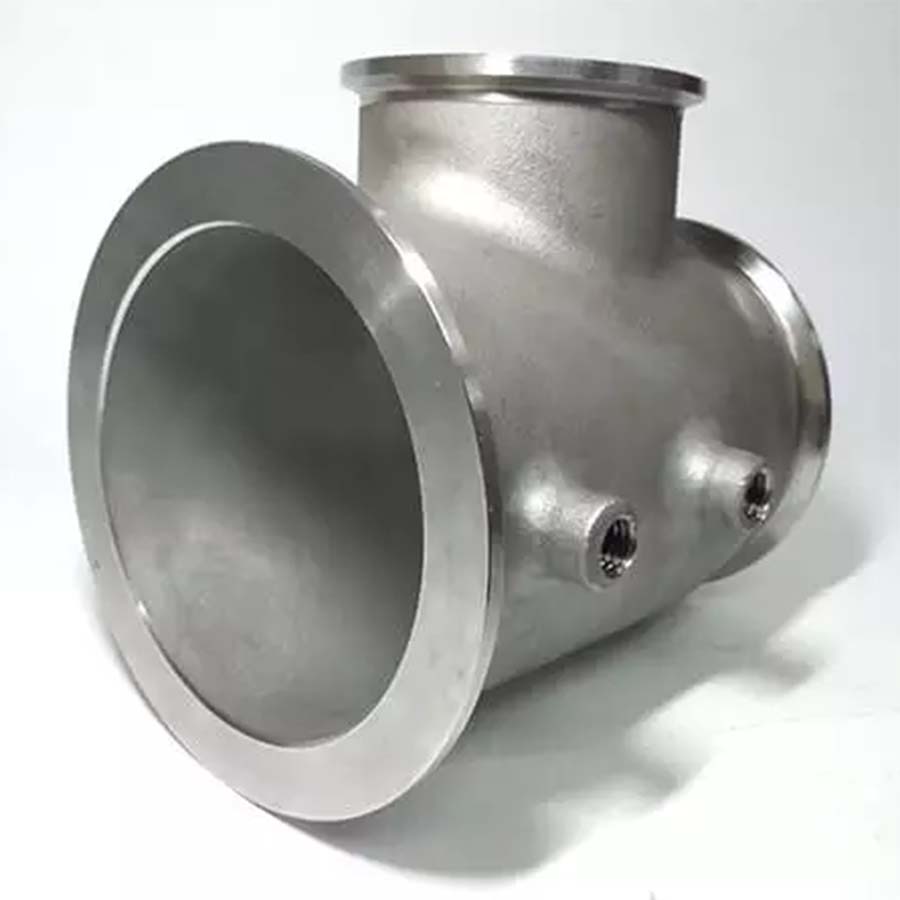
- Investment casting pieces that meet demanding aerospace specs
These real project snapshots help you visualize what we can achieve for your next project with aluminum alloy casting. If you want to see specific examples or discuss custom solutions, our team is ready to assist.
FAQ Section: Common Questions on Aluminum Alloy Casting
Here are answers to some of the most common questions about aluminum alloy casting to help you make informed decisions:
- What are the differences between aluminum casting alloys? Alloys like A356, A380, and ADC12 differ in strength, corrosion resistance, and machinability. For instance, A356 offers excellent mechanical properties for structural parts, while A380 is widely used for high-pressure die casting due to its good fluidity and surface finish.
- What is the typical minimum order quantity (MOQ)? MOQ varies depending on the casting process and tooling complexity. We offer flexible options from prototype batches to full-scale mass production.
- Do you offer heat treatment services? Yes, heat treatments like T6 tempering can be applied to improve hardness and tensile strength based on your part’s requirements.
- How long does tooling take for aluminum alloy casting? Tooling lead times depend on the casting method. For example, high-pressure die casting tooling may take 4–8 weeks, while sand casting tooling is quicker. Rapid prototyping options are available to speed up early-stage development.
- Can you handle precision aluminum casting with tight tolerances? Absolutely, we achieve dimensional tolerances as tight as ±0.02 mm using advanced inspection tools like coordinate measuring machines (CMM).
If you have other questions about custom aluminum casting or specific aluminum die casting processes, feel free to reach out. For more technical insights, check our guide on CNC machines and process overview which complements our aluminum casting expertise.
Download Center
Access essential resources for aluminum alloy casting to streamline your design and production process. Our Download Center includes:
| Document | Description |
|---|---|
| Aluminum Alloy Property Comparison PDF | Quick reference for common casting alloys, their mechanical properties, and typical uses. |
| Design Guidelines for Die Casting (NADCA Standard) | Industry best practices for optimized aluminum die casting designs, including tolerance and draft angle tips. |
These guides help you make informed decisions on selecting the right aluminum cast alloy and designing parts suited for high-pressure die casting aluminum or other casting methods. For more design optimization, check out our detailed insights on mastering cantilever snap joints, which can improve part functionality and assembly.
Contact / Quote
Getting a quote for your aluminum alloy casting project is quick and easy with us. Simply upload your 3D or 2D files along with the quantity you need through our instant quote form. We make sure to stay connected through multiple communication channels—WhatsApp, WeChat, Email, and Phone—to answer your questions and keep you updated every step of the way. Whether you’re looking for custom aluminum casting or precision aluminum castings, we’re here to help you get started without any hassle.
 Korean
  English
  Spanish (Peru)
  German
  Spanish (Spain)
  Italian