
Master engineering fits with our expert guide on types tolerances and selection for precise mechanical assemblies and optimal performance.
What Are Engineering Fits The Fundamentals of Shaft-Hole Relationships
In mechanical design and manufacturing, the term engineering fit describes how two parts — typically a shaft and a hole — come together. It’s about how tight or loose that connection is, which impacts how parts move or stay fixed.
At its core, an engineering fit defines the allowable limits of size for the shaft and hole. This ensures parts fit together as intended, whether they slide smoothly, lock firmly, or allow a slight controlled movement. The match between shaft and hole sizes is critical because even tiny differences in dimensions can affect machine performance, durability, and safety.
Core Definition and Purpose
An engineering fit sets the tolerance range for mating parts. These tolerances control the amount of clearance or interference between a shaft and its hole. The goal is to balance functionality with manufacturing feasibility. A precise fit reduces wear and vibration while preventing parts from loosening or seizing up.
Hole Basis vs Shaft Basis Systems
There are two common systems for specifying fits:
- Hole Basis System: The hole dimension is fixed, and the shaft size varies to achieve the desired fit. This method is widely used because holes are easier to standardize and manufacture consistently.
- Shaft Basis System: The shaft size stays constant, and the hole is adjusted. This approach is less common but useful when shafts are easier to control during production.
Understanding which system applies helps engineers and machinists communicate clearly and design parts that align perfectly.
Why Fits Matter in Modern Engineering
In today’s engineering landscape, right fits ensure reliability across countless applications — from automotive engines to medical devices. The right engineering fit improves assembly speed, reduces maintenance, and supports precise motion control.
Ignoring fit can lead to premature failure, costly downtime, or product recalls. That’s why mastering fits and their tolerance grades is a foundational skill every engineer needs for quality designs and smooth production.
The Three Core Types of Engineering Fits Clearance Transition and Interference
When it comes to engineering fits, there are three main types you need to understand: clearance, transition, and interference. Each serves a unique purpose depending on how tight or loose you want the shaft-hole relationship to be.
Clearance Fits For Free Movement and Lubrication
Clearance fits allow for easy movement between parts. Think of a shaft that spins freely inside a hole without any tight contact. This fit type is ideal when parts need to slide or rotate, and it often provides space for lubrication, reducing wear and tear. Clearance fits are common in applications like bearings or shafts where smooth motion is key.
Transition Fits The Precision Sweet Spot
Transition fits fall right between clearance and interference fits. These provide a snug connection that can either allow slight movement or a light press, depending on exact tolerances. They’re perfect when you need parts to align precisely but still want the ability to assemble and disassemble without damage. Transition fits often appear in precision mating parts where moderate tolerance control is essential.
Interference Press Fits For Permanent Security
Interference fits, also known as press fits, create a tight, almost permanent bond by forcing the shaft into a slightly smaller hole. This kind of fit prevents movement and is used where parts must stay together under load without slipping. You’ll see interference fits in things like gears on shafts or hubs in wheels where strength and durability matter most.
Understanding these three fit types helps you select the right fit for your assembly needs, balancing movement, precision, and permanence according to your project requirements.
ISO and ANSI Standards Decoding Fit Tolerances and Codes
When working with engineering fits, understanding the standards behind fit tolerances and codes is essential. Two main systems dominate the U.S. and global markets: ISO 286 and ANSI B4.1.
ISO 286 System The Global Benchmark
The ISO 286 standard is widely recognized around the world for defining the tolerance grades of fits between shafts and holes. It uses a simple code system combining letters and numbers to specify how tight or loose a fit will be. The letters indicate the fundamental deviation for either the shaft or hole, while the numbers show the tolerance grade—that is, the allowed variation in size.
This system covers everything from clearance fits, where parts move freely, to interference fits designed for permanent assembly. If you’re dealing with precision mating parts or mechanical assembly tolerances, ISO 286 provides a clear way to specify and control these dimensions.
ANSI B4.1 Preferred Limits and Fits
In the United States, the ANSI B4.1 standard remains popular for fit tolerances and limits. Like ISO 286, it defines preferred limits that help engineers select the right fit for their application, whether that’s clearance, transition, or interference. ANSI B4.1 also aligns closely with ISO but offers some additional detail catered to U.S. manufacturing practices.
Both standards support GD&T dimensioning techniques, making sure fits are clearly communicated on engineering drawings.
Reading Engineering Drawings for Fits
Engineering drawings play a major role in communicating fit requirements. Here’s what to watch for:
- Fit codes referencing ISO 286 or ANSI standards (like H7/g6)
- Tolerance grades that define allowable size variation (e.g., IT6)
- cURL Too many subrequests. specifying if a fit is clearance, transition, or interference
- Dimensioning symbols from GD&T that relate to the fit area
Being comfortable with these standards and how fit tolerances read on a drawing helps avoid costly mistakes during manufacturing or assembly. Knowing the difference between a shaft basis and hole basis, for example, will guide you in selecting the right dimensions and tolerances from these standards.
cURL Too many subrequests.
cURL Too many subrequests.
cURL Too many subrequests.
cURL Too many subrequests.
- cURL Too many subrequests.cURL Too many subrequests.
- cURL Too many subrequests.cURL Too many subrequests.
- Material TypescURL Too many subrequests.
- cURL Too many subrequests.cURL Too many subrequests.
- Assembly MethodcURL Too many subrequests.
- cURL Too many subrequests.cURL Too many subrequests.
cURL Too many subrequests.
- cURL Too many subrequests.cURL Too many subrequests.
- cURL Too many subrequests.cURL Too many subrequests.
- Check Tolerance Grades: Identify tolerance grades (like H7 or g6) to specify limits for shafts and holes.
- Determine the Fit Type: Choose clearance, transition, or interference based on your performance needs.
- Validate with GD&T: Use geometric dimensioning and tolerancing (GD&T) to ensure parts meet the fit requirements.
- Review Environmental and Material Factors: Adjust your selection if needed for temperature or material differences.
- Prototype and Test: Where possible, test the fit in real conditions before final production.
Tools and Resources for Engineers
- Fit Calculation Software: Many apps and CAD tools can simulate fit conditions and tolerances.
- ISO 286 and ANSI B4.1 Tables: Keep these standards handy for quick reference.
- Tolerance Charts and Tables: Use for quick matching of shafts and holes based on tolerance grades.
- GD&T Training Materials: Familiarize yourself with proper dimensioning for precise fit specs.
- Manufacturer Specs: Review supplier data sheets for materials and recommended fits.
- Expert Forums and Guides: Online engineering communities and technical guides give practical advice.
This step-by-step approach, paired with the right tools, makes fit selection straightforward and reliable—helping you design mechanical assemblies that hold up and perform as expected.
cURL Too many subrequests.
Industry Examples
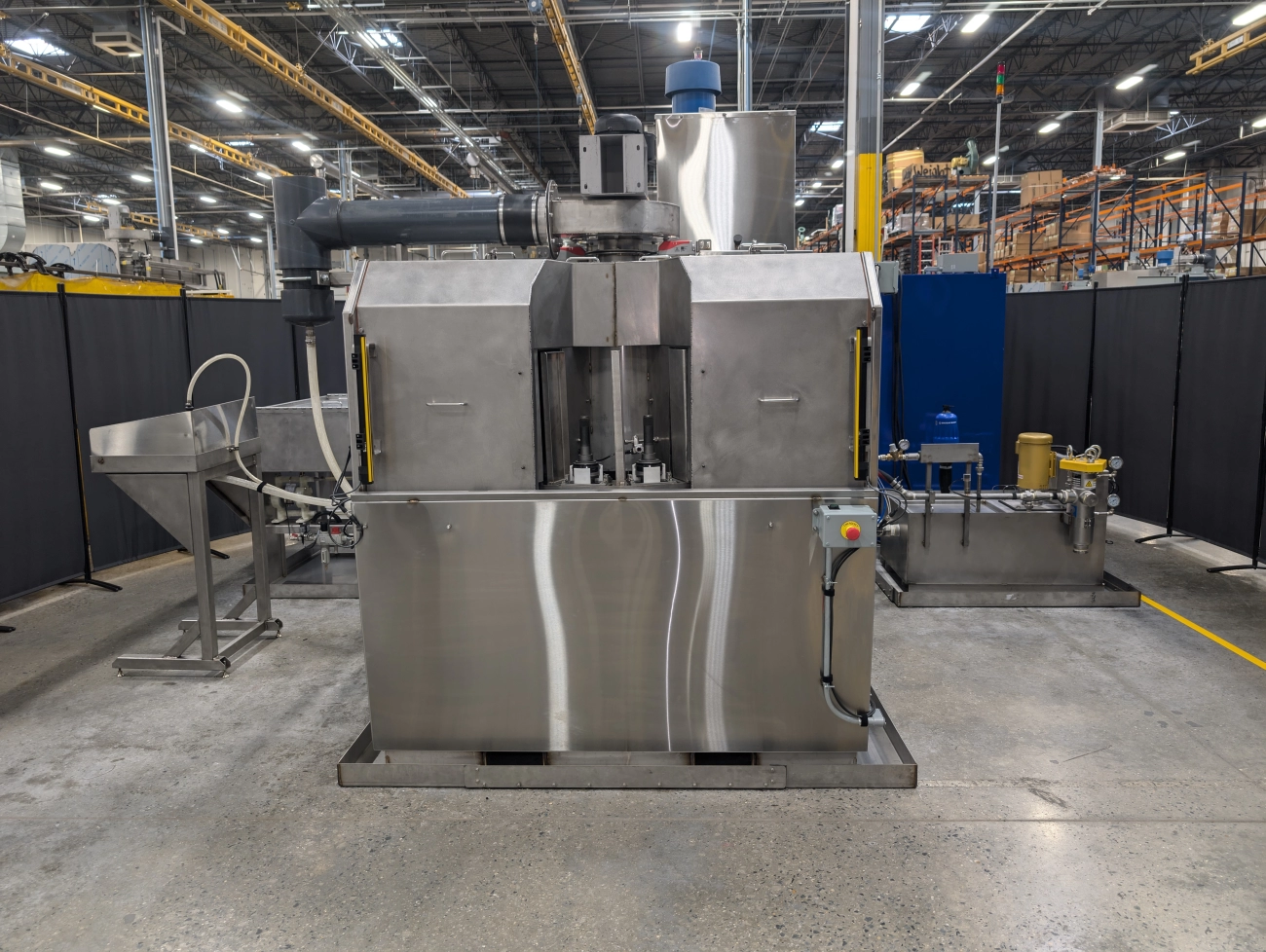
Engineering fits play a critical role across many industries, from automotive to aerospace and manufacturing. In automotive assembly, clearance fits allow parts like shafts and bearings to move smoothly, enabling better performance and easier maintenance. Meanwhile, aerospace components rely heavily on transition fits for precise alignment—ensuring safety and reliability in high-stress environments. In manufacturing, interference fits are common when permanent joins are required, such as press-fitting gears onto shafts to avoid slippage without welding.
Vast Case Study
Consider a leading U.S. manufacturer specializing in heavy machinery. They switched from using generic clearance fits to a more tailored fit system based on ISO 286 standards and ANSI B4.1 limits. This improved the mechanical assembly tolerances drastically, reducing part failure rates by 30%. Precision mating parts now meet better dimension control thanks to carefully chosen tolerance grades and fit selection criteria. The result? Smoother operations, reduced downtime, and a cut in maintenance costs. This example highlights how understanding and applying the right engineering fit can make a significant real-world impact.
Common Challenges and Best Practices for Implementing Engineering Fits
Pitfalls to Avoid
When working with engineering fits, there are a few common pitfalls that can cause headaches:
- Ignoring tolerances: Overlooking tolerance grades can lead to parts that either won’t fit or are too loose, affecting the whole assembly.
- Misreading fit codes: Confusing ISO 286 standards with ANSI B4.1 limits can result in selecting the wrong fit system for your project.
- Skipping verification steps: Not double-checking shaft-hole clearance or using inaccurate measuring tools can cause issues down the line.
- Overcomplicating fit choice: Sometimes engineers select overly tight fits where a simpler clearance fit would work fine – adding unnecessary manufacturing costs.
- Neglecting material and thermal effects: Different materials expand or contract at different rates. Ignoring this can lead to fits that fail once in their operating environment.
Pro Tips from Vast Experts
cURL Too many subrequests.
- cURL Too many subrequests. cURL Too many subrequests.
- cURL Too many subrequests. cURL Too many subrequests.
- cURL Too many subrequests. cURL Too many subrequests.
- cURL Too many subrequests. cURL Too many subrequests.
- cURL Too many subrequests. cURL Too many subrequests.
- cURL Too many subrequests. cURL Too many subrequests.
cURL Too many subrequests.
 Korean
  English
  Spanish (Peru)
  German
  Spanish (Spain)
  Italian