
Hard anodising aluminum with 50 to 125 microns thickness offers high wear resistance corrosion protection and fast UK EU lead times.
When 336 hours of salt-spray testing just doesn’t cut it, engineers turn to hard anodising aluminium. Offering a rock-solid surface hardness of 60-70 Rc and coatings up to 125 μm thick, this process is the go-to for aerospace giants, Formula 1 teams, and medical OEMs demanding unmatched wear and corrosion resistance. Whether you’re specifying parts or sourcing a trusted UK/EU supplier, this guide cuts through the noise with precise specs, real-world performance data, and lead times you can bank on. Ready to see why Type III hardcoat anodising outperforms every alternative? Let’s get right into it.
What Is Hard Anodising? Understanding Type III vs Type II vs Type I
If you’re wondering what sets hard anodising apart from regular anodising, you’re not alone. Hard anodising, also known as Type III sulfuric acid anodising, is a specialized process that creates a much thicker and harder oxide layer on aluminum compared to Type I or Type II anodising.
Here’s a quick breakdown of the three common anodising types:
| Anodising Type | Typical Thickness | Process Temperature | Current Density | Acid Concentration | Hardness (HV) | Hardness (Rc) |
|---|---|---|---|---|---|---|
| Type I (Chromic Acid Anodising) | 0.25-1.0 µm | 45-55°C | Low (1-5 A/dm²) | Chromic Acid (0.15 M) | ~200 HV | ~45 Rc |
| Type II (Sulfuric Acid Anodising) | 5-25 µm | 18-22°C | Moderate (10-20 A/dm²) | Sulfuric Acid (15-20 wt%) | 300-400 HV | 50-55 Rc |
| Type III (Hard Anodising) | 25-150+ µm | 0-8°C (near freezing) | High (60-120 A/dm²) | Sulfuric Acid (15-20 wt%) | 550-650 HV | 60-70 Rc |
cURL Too many subrequests.
- cURL Too many subrequests. cURL Too many subrequests.
- cURL Too many subrequests. cURL Too many subrequests.
- cURL Too many subrequests. cURL Too many subrequests.
cURL Too many subrequests.
cURL Too many subrequests. cURL Too many subrequests. cURL Too many subrequests.
- cURL Too many subrequests. cURL Too many subrequests.
- cURL Too many subrequests. cURL Too many subrequests.
cURL Too many subrequests.
cURL Too many subrequests.
cURL Too many subrequests. 60-70 Rc, cURL Too many subrequests. 550-650 Vickers hardness (HV). To put that in perspective:
- Hard anodising is about 2-3 times harder than untreated aluminum.
- Comparable in hardness to some hardened steels, making it ideal for parts exposed to heavy wear and abrasions.
This makes hard anodising aluminum the go-to for parts like aerospace components, hydraulic pistons, and heavy-duty mechanical parts where durability counts.
Key Performance Advantages That Actually Matter
Hard anodising aluminium stands out because it delivers real, measurable benefits you can rely on.
- Wear Resistance: Thanks to a tough, dense surface, hard anodised parts show excellent durability. Lab tests like the Taber abrasion using a CS-17 wheel with 1000 g load prove it wears much slower than standard coatings.
- Corrosion Resistance: In real-world and lab tests (1000+ hours in Neutral Salt Spray per ASTM B117), hard anodised aluminium holds up strong, resisting rust and degradation far better than untreated or lightly anodised surfaces.
- Thermal Stability: This coating handles extreme temperatures, from as low as -196 °C (-321 °F) up to +400 °C (752 °F), without cracking or losing its protective properties, making it ideal for applications exposed to harsh heat or cold.
- Dielectric Strength: With insulation ratings between 800 and 1500 volts, hard anodised layers also provide excellent electrical resistance, useful for electronics and electrical components.
- Fatigue Resistance: Unlike standard anodising, which can reduce aluminum’s fatigue strength by about 30%, hard anodising only causes an 8-12% loss, meaning parts last longer under repeated stress.
These key advantages make hardcoat anodising the go-to finish for industries where durability, corrosion protection, and performance under tough conditions are non-negotiable.
Specification Cheat-Sheet for Hard Anodising Aluminium (MIL-A-8625 Type III)
When you’re looking at hard anodising aluminium under the MIL-A-8625 Type III standard, here’s the quick lowdown you need to know:
Class 1 vs Class 2
- Class 1: Non-dyed, clear finish for maximum corrosion resistance and natural aluminum look.
- Class 2: Dyed anodizing, where color options (usually black or other dyes) are added without compromising the tough coating.
Minimum Coating Thickness by Alloy
- 1xxx series (pure aluminum): Minimum 25 μm thickness – good for decorative and light wear uses.
- 7xxx series (high-strength alloys like 7075): Minimum 50 μm thickness – needed to get the full wear and corrosion benefits.
Other common alloys like 6xxx series usually target around 50 μm as well, balancing hardness and durability.
Sealing Options to Lock in Performance
- Hot Deionized (DI) Water: The standard sealing method, closing pores to boost corrosion resistance.
- Nickel Acetate: Adds extra corrosion protection, especially in harsh environments.
- Dichromate Sealing: A classic choice, now less common due to environmental concerns but still used for extreme corrosion resistance.
- PTFE ImpregnationcURL Too many subrequests.
cURL Too many subrequests.
cURL Too many subrequests.
cURL Too many subrequests.
cURL Too many subrequests.
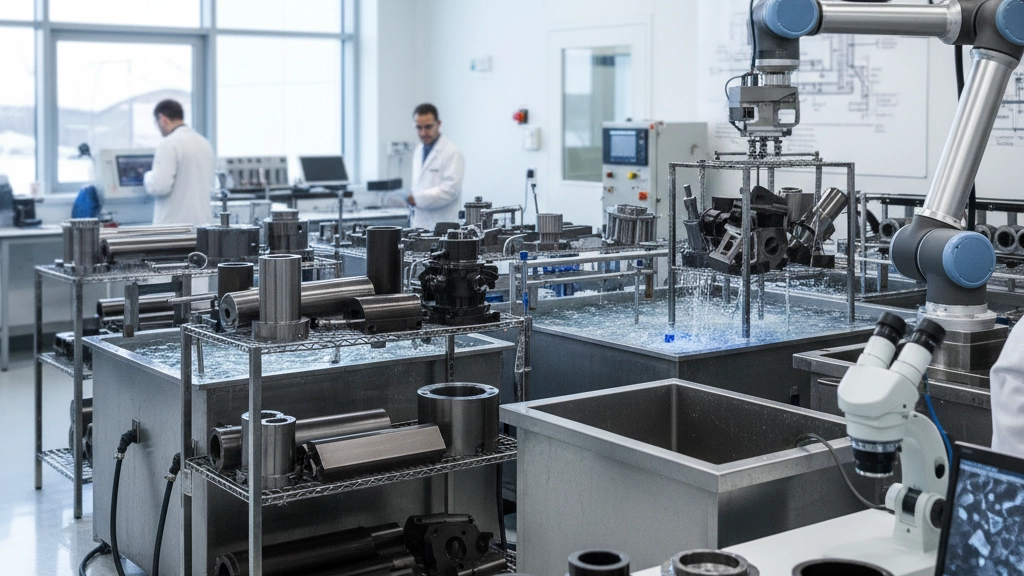
cURL Too many subrequests.
- cURL Too many subrequests. cURL Too many subrequests.
- cURL Too many subrequests. cURL Too many subrequests.
- cURL Too many subrequests. cURL Too many subrequests.
- cURL Too many subrequests. cURL Too many subrequests.
cURL Too many subrequests.
cURL Too many subrequests.
cURL Too many subrequests.
- cURL Too many subrequests.cURL Too many subrequests.
- 50 μm: The aerospace industry’s go-to standard. Offers solid wear and corrosion resistance for most applications.
- 75-100 μm: Perfect for heavy-duty parts like hydraulic pistons and gearbox housings where durability is key.
- 125 μm: For extreme abrasion situations, such as mining tools or equipment exposed to rough conditions.
Cost vs Thickness (2025 Real Pricing)
Thickness impacts cost directly. At vast, prices scale with coating thickness — expect about:
- Lower cost per dm² for thinner coatings (25 μm),
- Moderate pricing for 50 μm to 75 μm coatings,
- Higher prices on the 100 μm+ end due to longer processing and materials.
If you want to balance cost with performance, 50 μm usually hits the sweet spot, especially for US-based aerospace and industrial uses. For really tough environments, investing in 100 μm or more pays off long-term.
Ask us for a custom quote with your part specs to see exact pricing in your volume.
Colour Options in 2025
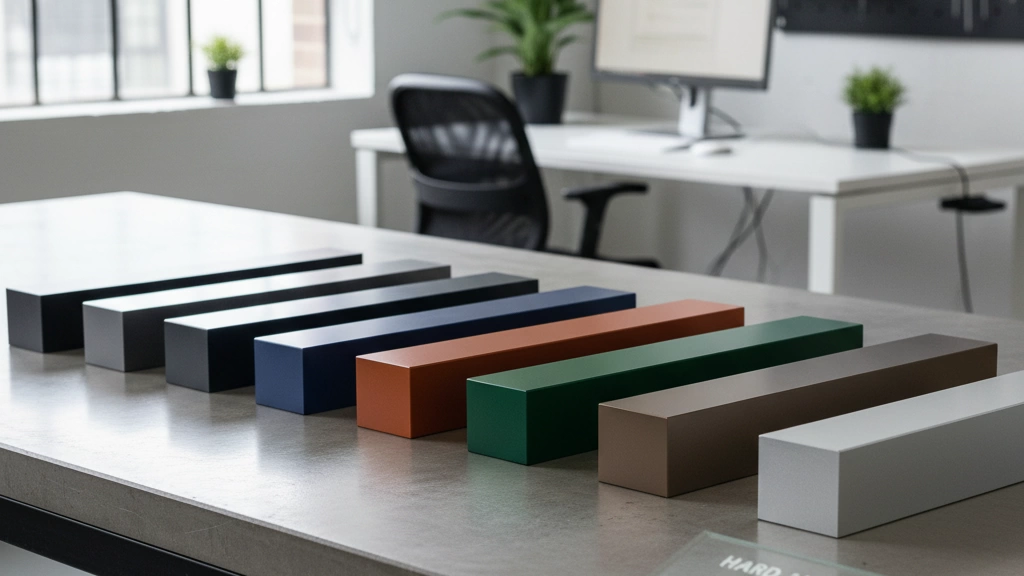
Hard anodising aluminum offers several color choices in 2025, balancing appearance with performance. Here’s what you can expect:
| Color | Notes |
|---|---|
| Natural silver-grey | Classic, no dye added |
| Jet black | Most popular choice, deep black |
| Olive drab | Defense use, muted green |
| Desert tan | Defense use, sandy beige |
| Blue | Limited availability, dye stability varies |
| Red | Limited, fading risk in some batches |
| Gold | Limited, used for special applications |
Colour consistency is tight, with a guaranteed CIELAB ΔE less than 1.0, ensuring nearly identical shades batch to batch. This means your parts will look just as great years down the line.
If you need colors beyond black or natural, expect some variation, but we prioritize stable dyes to keep the finish looking sharp and reliable for U.S. applications.
Common Failures & How Vast Eliminates Them
When it comes to hard anodising aluminum, common issues like rack marks, burning on sharp edges, and uneven thickness can really mess up your parts. At Vast, we’ve nailed down solutions to keep your components flawless.
- Rack Marks: These annoying marks happen when parts touch the rack during anodizing. Vast uses custom PTFE masking plus a 48-point contact system to spread out pressure evenly and prevent marking.
- Burning on Sharp Edges: cURL Too many subrequests. cURL Too many subrequests. cURL Too many subrequests.
- cURL Too many subrequests. cURL Too many subrequests. cURL Too many subrequests. cURL Too many subrequests.
cURL Too many subrequests.
cURL Too many subrequests.
cURL Too many subrequests.
- cURL Too many subrequests. cURL Too many subrequests.
- cURL Too many subrequests.
- cURL Too many subrequests.
- cURL Too many subrequests.
- cURL Too many subrequests. cURL Too many subrequests.
- cURL Too many subrequests. cURL Too many subrequests.
For added convenience, we offer a live calculator widget on our site. Just input your part size, quantity, and turnaround needs to get an instant, tailored quote. This tool helps you compare costs right away and plan your project budget with ease.
Lead Times That Win Projects
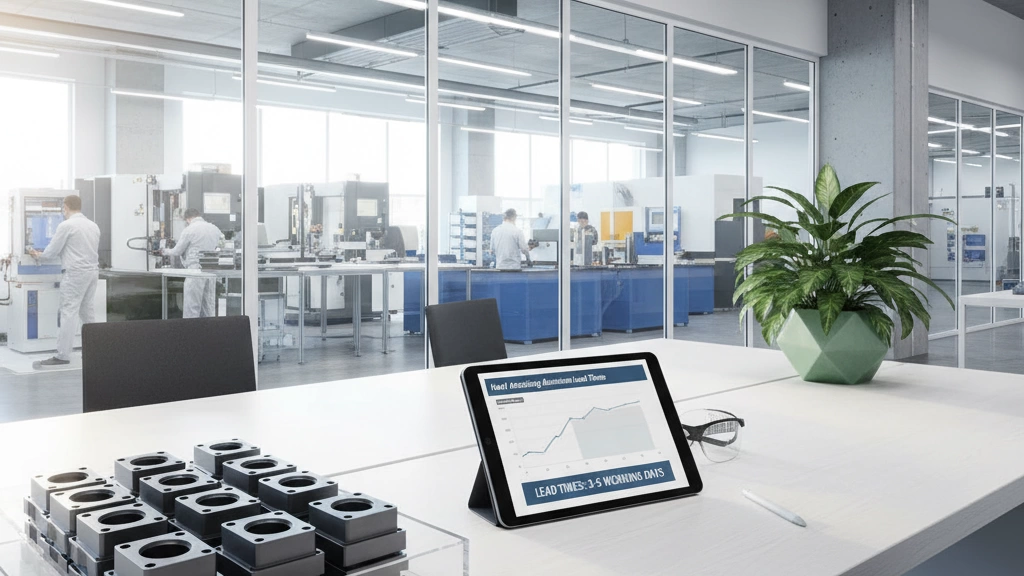
When timing matters, hard anodising aluminum shouldn’t hold you back. We offer lead times tailored to keep your projects on track:
- Standard: 3-5 working days — perfect for most runs without rush fees.
- Express: 48 hours — add 30% for that quick turnaround when deadlines tighten.
- Emergency: 24 hours — a 60% surcharge gets you priority service on urgent jobs.
For example, a recent aerospace contract needed parts anodised overnight. We delivered within 24 hours without quality compromises, helping the customer avoid costly delays. Our flexible lead times mean you can plan confidently and meet your schedules, every time.
Sustainability & REACH Compliance
We’ve made hard anodising aluminium cleaner and greener. Since 2018, our entire process has been free of hexavalent chromium, one of the nastiest toxic chemicals traditionally used in anodizing. This means safer products and a healthier environment.
On top of that, we recycle 98% of the water used in our anodising plants. That’s a huge cut in waste and a serious boost to sustainability. Our facility in Manchester even runs on solar power, reducing carbon footprint and energy costs.
So when you choose hard anodising with us, you’re not just getting top performance—you’re supporting eco-friendly practices that meet strict REACH regulations. It’s quality with a conscience.
How to Get a Quote in Under 2 Hours
Getting a hard anodising quote fast is easy when you know what to prepare. Just upload these four files:
- STEP file (3D model)
- Detailed drawing
- Quantity needed
- Your deadline
Once we get your files, our engineers dive in right away. They spend about 17 minutes reviewing specs, feasibility, and costs to ensure the quote is spot-on without delays.
After that, we guide you through the sample approval process with a clear flowchart showing each step—from initial sample, testing, to final sign-off—so you’re in control every step of the way.
This streamlined approach means you’ll have a reliable, tailored quote back within 2 hours, helping you keep your US-based projects on track without waiting around.
 Korean
  English
  Spanish (Peru)
  German
  Spanish (Spain)
  Italian