
Learn how to polish titanium to a mirror finish with expert DIY steps tools tips for rings watches bikes and industrial parts.
Understanding Titanium Hard Polishing Challenges
Polishing titanium might seem straightforward, but it presents unique challenges that can trip up even experienced DIYers. Unlike softer metals, titanium is incredibly tough and resistant to wear, making it harder to smooth out scratches and achieve a mirror polish. Its natural oxide layer protects the surface but also causes it to scratch easily and shows imperfections more visibly.
Because titanium is so light yet strong, it tends to develop fine scratches during polishing, and those marks can be stubborn to remove. The metal also heats up quickly during buffing, which risks damaging the surface or causing micro-cracks if not managed properly. Plus, titanium reacts differently to polishing compounds compared to common metals like steel or aluminum, so using the right abrasives and techniques matters a lot.
Understanding these key points helps us approach polishing with patience and the right tools, setting us up for success in restoring that beautiful, sleek titanium shine.
Types of Finishes
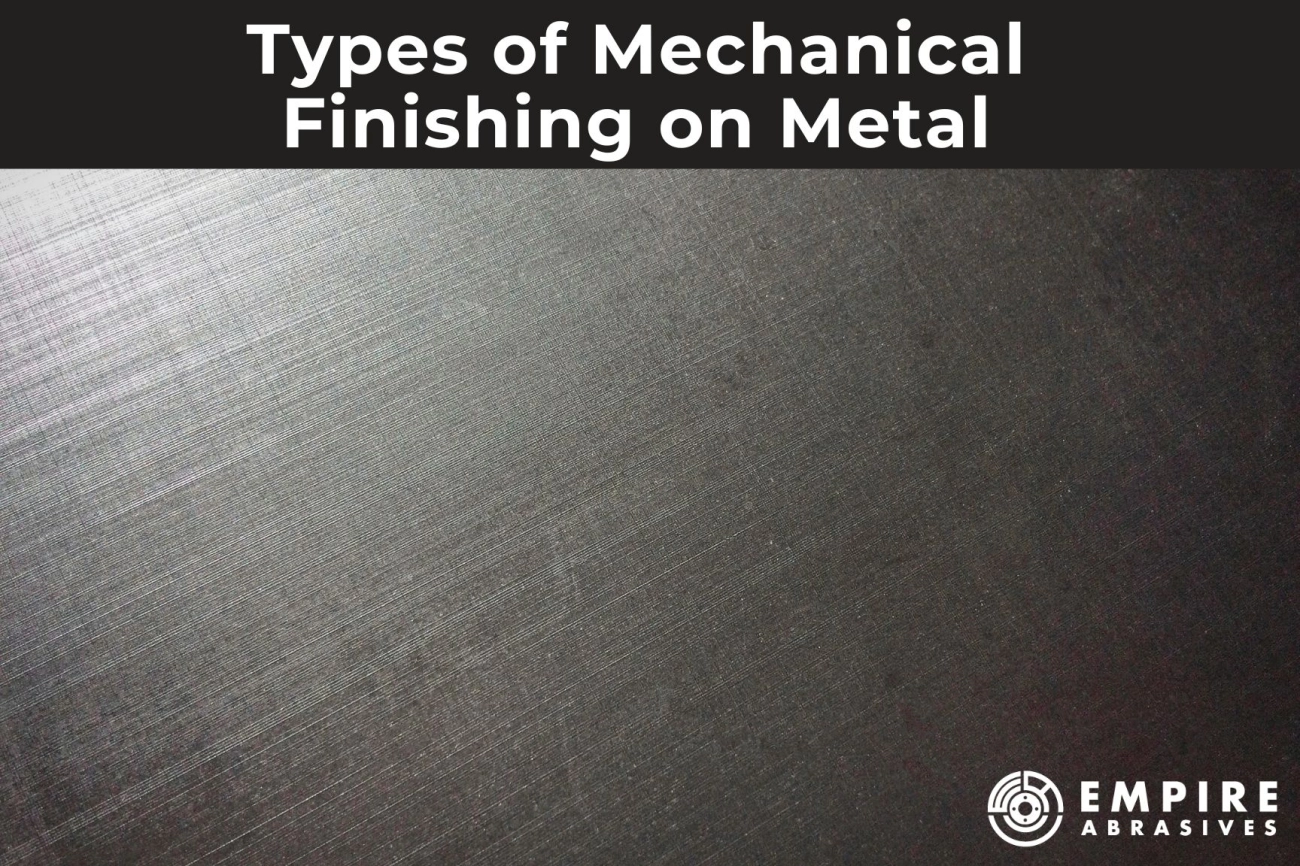
When you polish titanium, the finish you choose shapes the look and feel of the piece. Here are the common types you’ll see:
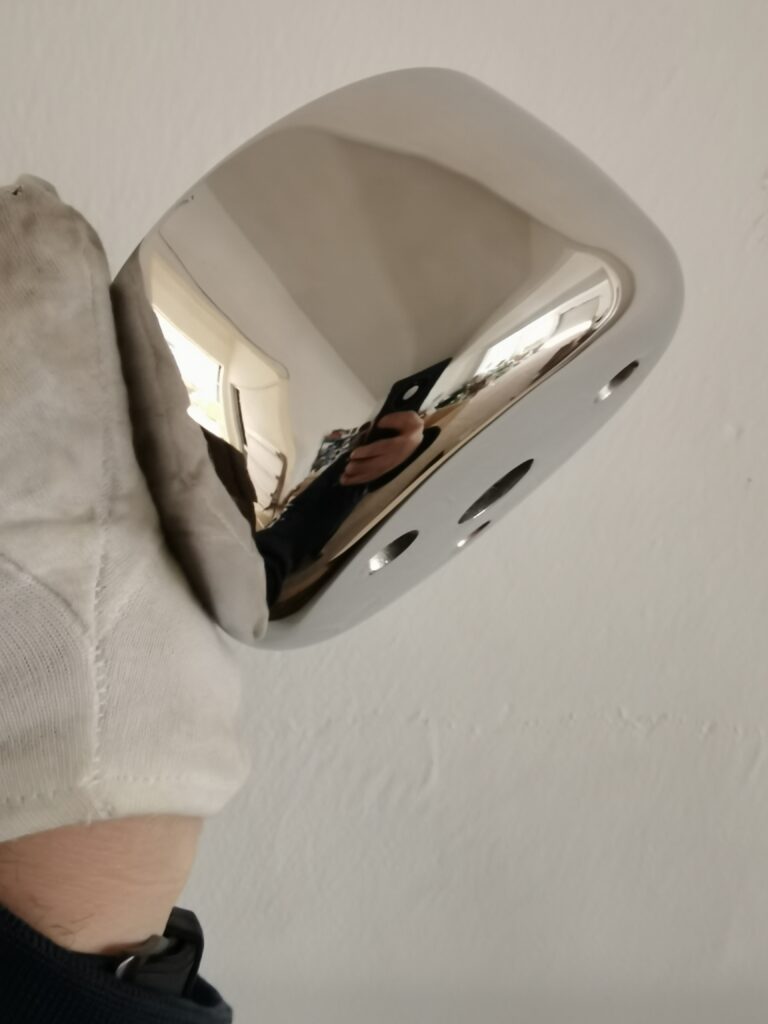
- Mirror FinishThis is the shiny, glass-like surface that reflects light brightly. Getting a mirror polish titanium look means careful sanding and buffing to remove all scratches and imperfections. It’s popular for jewelry and knives because it really stands out.
- High ShineNot quite a full mirror, but still glossy and smooth. High shine finishes are easier to maintain and can hide minor scratches better than mirror surfaces.
- Brushed FinishThis shows fine lines running in one direction, giving titanium a sleek, modern appearance. It’s common on watches and bike frames, offering a subtle texture without being too flashy.
- Satin FinishA softer version of brushed, satin finishes have a smooth, matte-like look but with some sheen. It’s elegant and works well on jewelry and industrial parts alike.
- Matte FinishCompletely dull with no shine at all. Matte titanium is less reflective and hides wear and tear well. It’s often chosen for tools and implants where a non-reflective surface is a must.
Each finish requires a different approach to polishing and maintenance, so pick the one that fits how you’ll use your titanium piece.
When to DIY Vs Professional Services
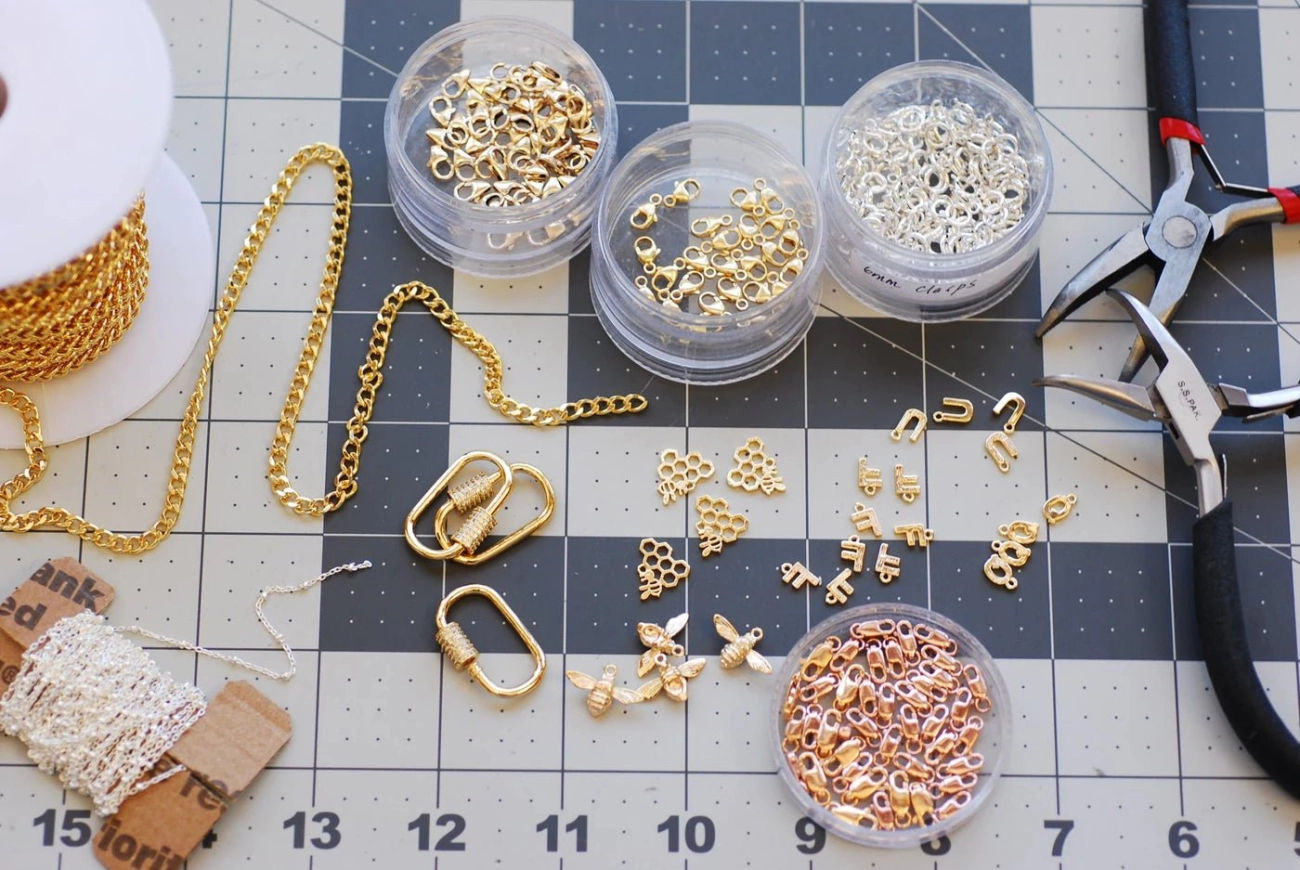
Knowing when to polish titanium yourself and when to call in the pros depends a lot on the item you’re dealing with. For smaller pieces like titanium jewelry, rings, or watch parts, DIY polishing is often practical and rewarding. You can use sandpaper grit, polishing compounds, and a buffing wheel at home to bring back that mirror finish titanium look. These small parts usually won’t need heavy equipment, and careful hand polishing can prevent scratches or uneven shine.
On the other hand, larger or more delicate items like bike frames or medical implants require professional services. These items need precise surface preparation and often use advanced techniques like electropolishing or vibratory diamond lapping to get a flawless look without damaging the material. Professionals also manage heat better during polishing, which prevents micro-cracks and titanium oxide removal issues that DIY methods might miss.
If your item has complex shapes or you want a guaranteed, long-lasting mirror finish titanium surface, it’s best to choose professional polishing. For everyday jewelry care and light scratches, DIY polish scratches titanium methods are a solid option. Just be sure to prep the surface well and use the right sanding grits and polish compounds.
Surface Preparation Essentials Removing Oils and Grit to Prevent Streaking
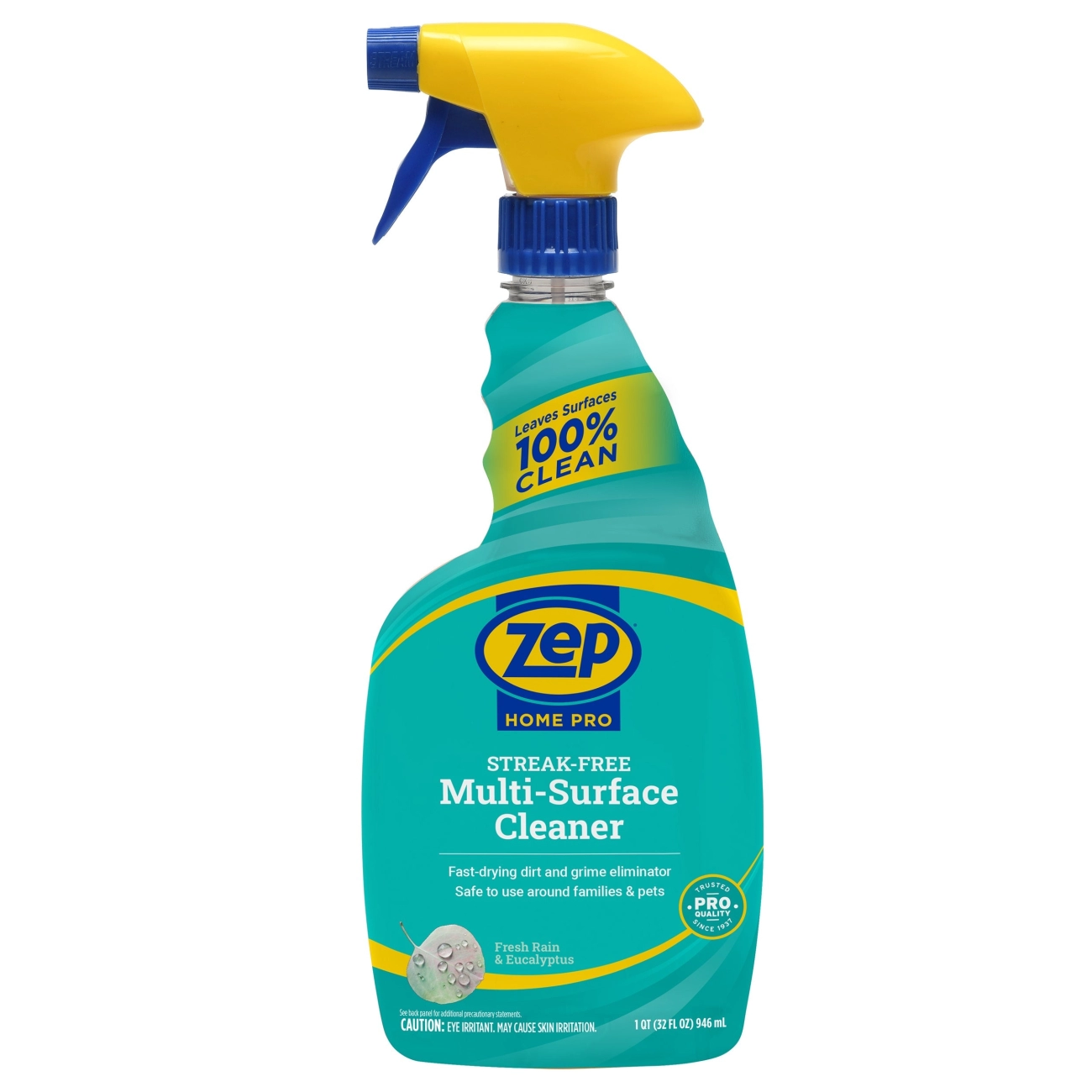
Before you start to polish titanium, getting the surface clean is a must. Oils from your skin, dust, and grit can cause streaks and imperfections during polishing. Here’s what I recommend to prepare your titanium for the best shine:
- Wash with mild soap and warm water: This removes surface dirt and oils. Make sure to rinse thoroughly.
- Use a degreaser or rubbing alcohol: Wipe down the surface with a lint-free cloth soaked in isopropyl alcohol or a gentle degreaser to eliminate any leftover oils.
- Dry completely: Let the metal air dry or use a microfiber towel to avoid introducing new particles.
- Check for embedded grit: Sometimes tiny grit can get stuck in scratches and cause more scratches during sanding or buffing. Use a soft brush or compressed air to carefully remove any debris.
- Avoid touching the clean surface with your bare hands: Oils from fingers can show up when polishing. Wear nitrile gloves if possible.
Proper surface preparation sets the foundation for polishing titanium without streaks or swirl marks. Taking these simple steps helps you get a smooth, clear mirror finish that lasts.
Essential Tools and Materials for Polish Titanium
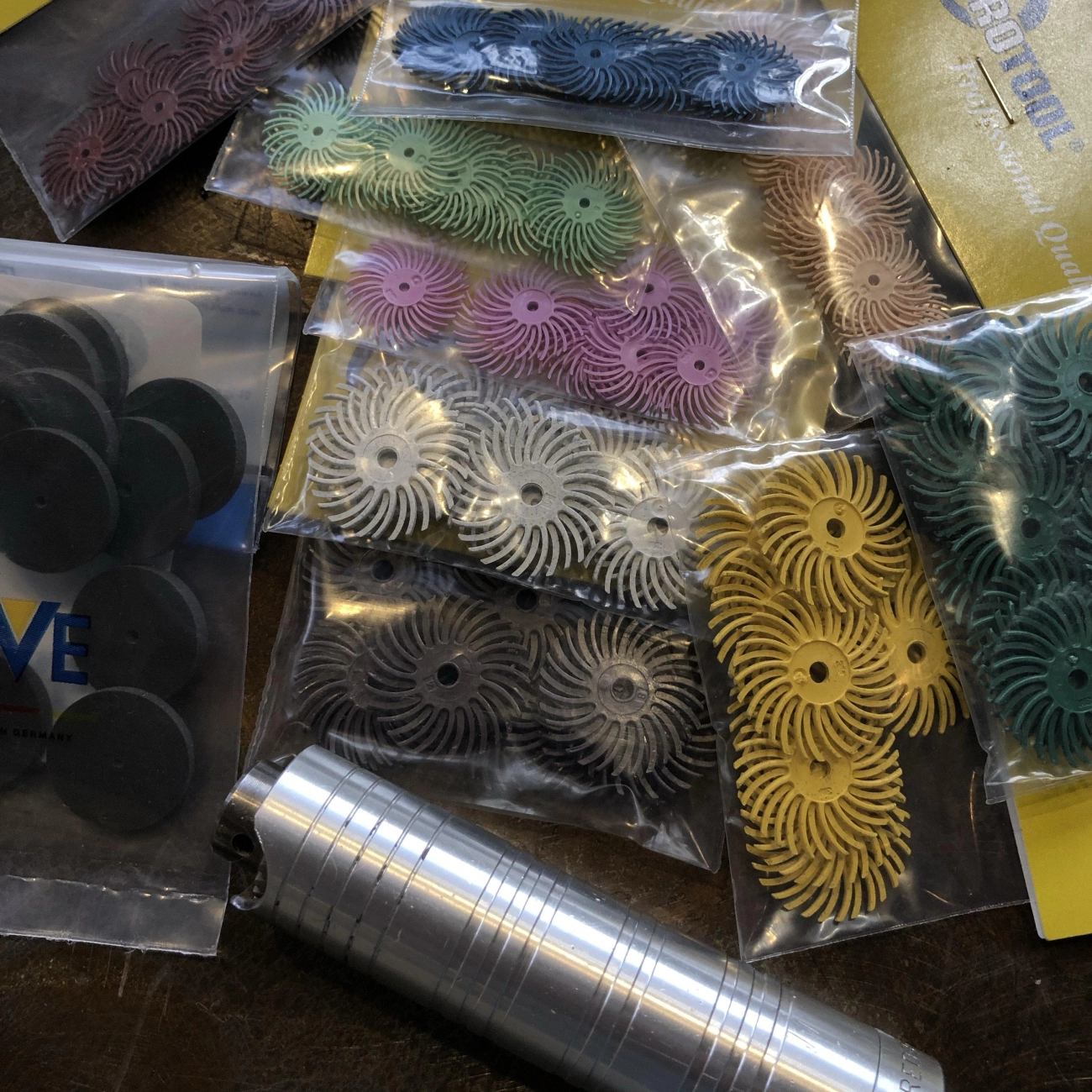
To get a great polish on titanium, having the right tools and materials is key. Here’s a simple rundown of what you’ll need:
Sandpaper Grits
- Start with coarse grits (around 400-600) to remove scratches or rough spots
- Move to medium grits (800-1200) for smoothing out the surface
- Finish with fine and ultra-fine grits (1500-2000+) to prep for that mirror finish
Polishes and Compounds
- Use titanium polishing compounds designed for metal shine
- A fine polishing paste or cream will help remove micro-scratches and boost reflectiveness
- cURL Too many subrequests.
cURL Too many subrequests.
- cURL Too many subrequests.
- cURL Too many subrequests.
- cURL Too many subrequests.
cURL Too many subrequests.
- cURL Too many subrequests.
- cURL Too many subrequests.
- cURL Too many subrequests.
- cURL Too many subrequests.
cURL Too many subrequests.
cURL Too many subrequests.
cURL Too many subrequests.
cURL Too many subrequests.
cURL Too many subrequests.
cURL Too many subrequests.
cURL Too many subrequests.
cURL Too many subrequests.
cURL Too many subrequests.
Fine Sanding
Switch to fine grit sandpaper (1000 to 1500 grit) next. This step refines the surface further, helping to prepare it for buffing. Use light pressure and plenty of water.
Buffing
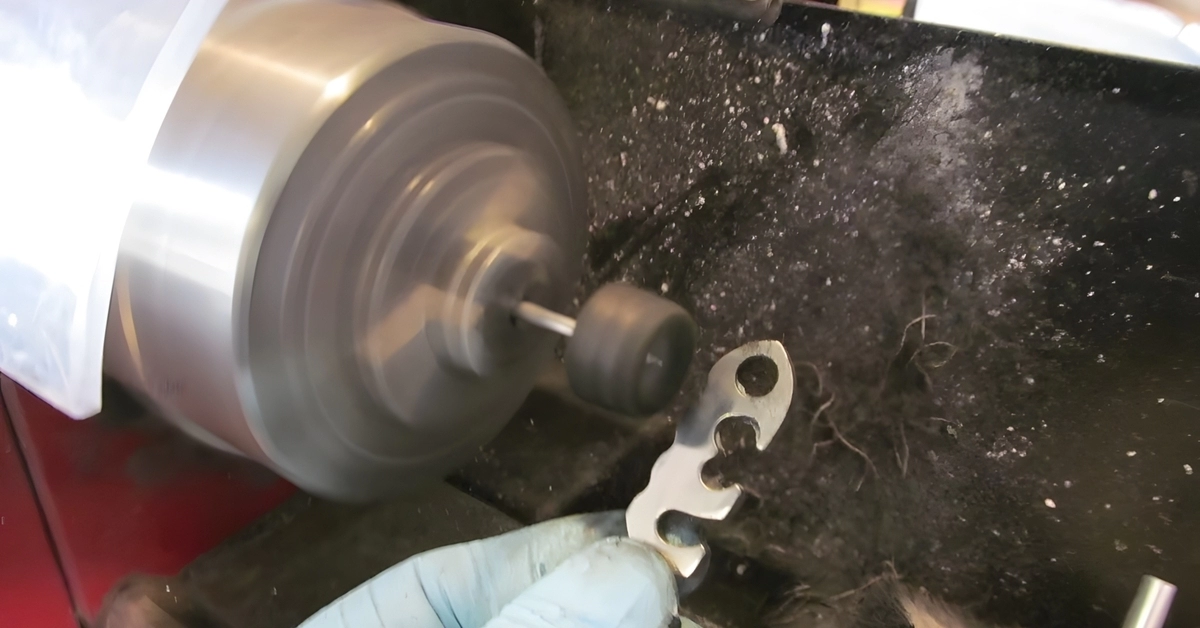
Attach a titanium buffing wheel to a rotary tool or use a handheld buffing wheel. Apply a polishing compound specifically for titanium. Buff the surface gently, keeping the tool moving to prevent overheating.
Final Shine
For a high shine mirror finish titanium look, finish with a soft cloth buffing wheel and a fine polishing compound. For a satin or matte finish, you can skip the last step or lightly buff without polishing compound.
Following these steps carefully will help you polish scratches titanium surfaces and get that durable, long-lasting shine at home without professional gear.
Application-Specific Tips for Polish Titanium
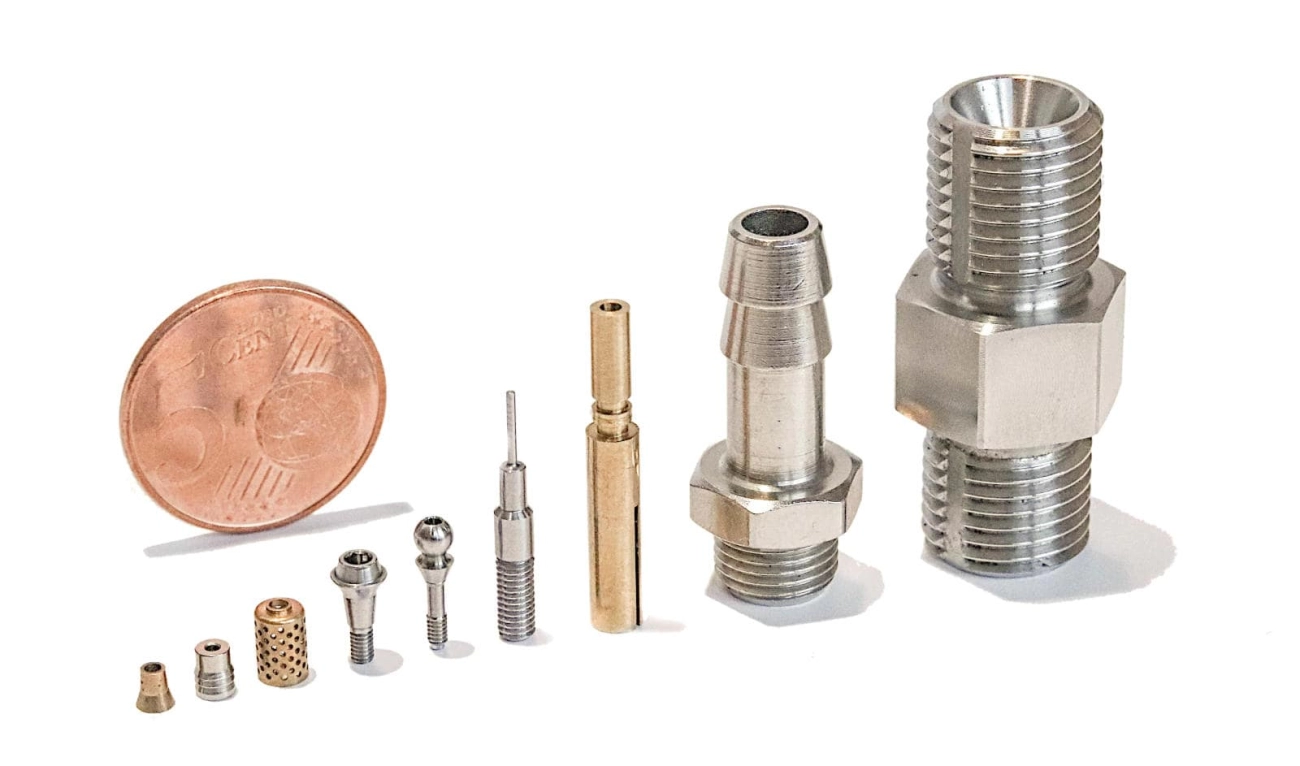
Polishing titanium varies depending on the item you’re working on. Here are some tailored tips for common titanium pieces:
Rings and Jewelry
- Use fine sandpaper grits (800 to 2000) to smooth scratches without removing too much metal.
- Buffing titanium jewelry with a soft buffing wheel and a titanium polishing compound helps get that mirror shine titanium lovers want.
- Be careful not to overheat the ring while buffing; overheating can cause micro-cracks or discoloration.
- Regular titanium jewelry care like gentle cleaning keeps the shine longer.
Watches
- For titanium watch cases, aim for a satin or brushed finish to hide minor scratches caused by daily wear.
- Use a microfiber cloth and mild cleaning before polishing to remove oils and grit.
- Buff lightly with a buffing wheel or use a specialized polishing compound designed for titanium surfaces.
Flashlights
- Flashlight bodies usually have a matte or satin finish; mirror polish titanium isn’t common here.
- Stick to mid to fine sanding grits (600 to 1500) to maintain the finish without making it slippery or too shiny.
- Add a light buff to remove any sanding marks but don’t overdo it.
Bike Frames
- Titanium bike frames often have a brushed or matte finish to resist visible scratches.
- Use wet sanding starting with 400 grit, then move up to 1000 grit to smooth the surface without damaging the frame.
- Polishing can bring out a subtle shine, but avoid high gloss mirror finish—it’s not practical on bikes.
- Keep an eye on heat management polishing to prevent any damage to the frame’s strength.
Dental and Industrial Parts
- These require precision polishing to meet functional and hygiene standards.
- Surface preparation like titanium oxide removal is critical to avoid contamination.
- Electropolishing or vibratory diamond lapping are common pro techniques for these parts.
- DIY polishing isn’t advised unless you have specialized tools and experience.
Adjusting your approach for each application will help you get the best titanium finish without risking damage or uneven shine. For DIY titanium shine projects, always start slow and test on less visible spots first.
cURL Too many subrequests.
When you polish titanium, it’s easy to run into some common issues that can hurt the finish. Here’s what to watch out for and how to fix these problems:
cURL Too many subrequests.
- Polishing too fast or using too much pressure creates heat, which can cause discoloration or even micro-cracks.
- Fix it by polishing in short bursts and letting the metal cool between passes. Use a lower speed on your buffing wheel.
Micro-Cracks
- Tiny cracks can form if the surface is stressed or overheated during sanding or buffing.
- Avoid aggressive sanding grits and apply gentle pressure during polishing. If cracks appear, start over with finer grits and work slow.
Uneven Shine
- This usually happens because of skipping sanding steps or uneven buffing. You might see dull spots or streaks.
- Fix by going back to a coarser grit and sanding evenly in one direction. Follow up with consistent buffing using a clean polishing compound.
cURL Too many subrequests.
- cURL Too many subrequests.
- cURL Too many subrequests.
cURL Too many subrequests.
- cURL Too many subrequests.
- cURL Too many subrequests.
cURL Too many subrequests.
cURL Too many subrequests.
cURL Too many subrequests.
cURL Too many subrequests.
cURL Too many subrequests.
cURL Too many subrequests.
cURL Too many subrequests.
cURL Too many subrequests.
cURL Too many subrequests.
cURL Too many subrequests.
cURL Too many subrequests.
cURL Too many subrequests.
cURL Too many subrequests.
cURL Too many subrequests.
Outsourcing to Professionals
Sometimes, especially for large or complicated titanium items, professional services are the best choice. Experts have access to precision tools and quality polishing compounds that guarantee a flawless finish. This is also the safest option to avoid heat damage or uneven polish in titanium.
Using these advanced techniques ensures your titanium has that top-tier look with long-lasting durability, perfect for high-value jewelry, medical implants, or performance gear.
When to Choose Professional Services
Polishing titanium at home works great for small items like jewelry or bike parts, but sometimes you need to call in the pros. Here’s when professional services make sense:
- Complex or large itemsIf you’re dealing with big bike frames, medical implants, or industrial parts, professionals have the right tools and workspace to handle the size and complexity without damaging the piece.
- Precision equipment neededHigh-end finishes like mirror polish titanium or advanced surface prep require specialized gear—electropolishing machines, vibratory polishers, or diamond lapping tools—that most people don’t have access to.
- Warranty and quality assuranceProfessional polishing usually comes with a warranty or satisfaction guarantee. This is key for valuable items, especially if you want consistent, long-lasting shine and protection.
- Avoiding costly mistakesExperts know how to manage heat buildup, prevent micro-cracks, and eliminate scratches properly—things DIYers often struggle with. If you want pro-level results without risking your piece, it’s worth letting a specialist handle it.
In short, if your titanium item is large, delicate, or requires a flawless finish, professional services are the safest bet for getting that perfect shine and durability.
 Korean
  English
  Spanish (Peru)
  German
  Spanish (Spain)
  Italian