
Explore advanced stem machining techniques including shaped tube electrolytic drilling and CNC fabrication for aerospace and bike components.
Understanding Shaped Tube Electrolytic Machining STEM
Are you curious about shaped tube electrolytic machining, or STEM, and how it fits into high-precision manufacturing? STEM drilling is an advanced electrochemical drilling process that removes metal through controlled dissolution rather than cutting or grinding. It uses an electrolyte and electrical current to create precise deep holes, often in challenging materials like superalloys.
What is STEM Drilling and How Does It Work
STEM drilling works by applying a voltage between a shaped tube tool and the workpiece submerged in an electrolyte solution. This triggers an electrochemical reaction that removes metal atoms from the workpiece without mechanical force. The shaped tube guides the flow of electrolyte, helping to shape complex internal geometries with tight tolerances.
This technique stands out because it can machine extremely deep and precise holes without causing thermal damage or tool wear common in traditional drilling methods. It’s especially effective for materials that are difficult to cut, making it ideal for aerospace and other high-tech industries.
Ideal Applications in Aerospace and Beyond
STEM machining is a go-to for aerospace components requiring extreme precision. Common uses include:
- Creating turbine blade cooling holes that improve engine efficiency
- Machining precision superalloy parts that withstand high temperatures
- Producing custom aerospace prototypes that demand accuracy and reliability
Its ability to drill intricate shapes without mechanical stress opens doors to innovative design and functionality.
Challenges and Best Practices
While STEM offers many advantages, it comes with challenges:
- Electrolyte management is critical to maintain consistent machining quality
- The process demands precise control of electrical parameters to avoid over-machining
- Skilled operators and advanced equipment are needed for effective tool shaping and maintenance
Best practices include regular monitoring of the electrolyte composition, using high-quality shaped tubes, and integrating real-time process controls to ensure repeatable accuracy. Embracing these strategies can unlock significant benefits in productivity and part quality.
CNC Precision Machining for Bike and Automotive Stems
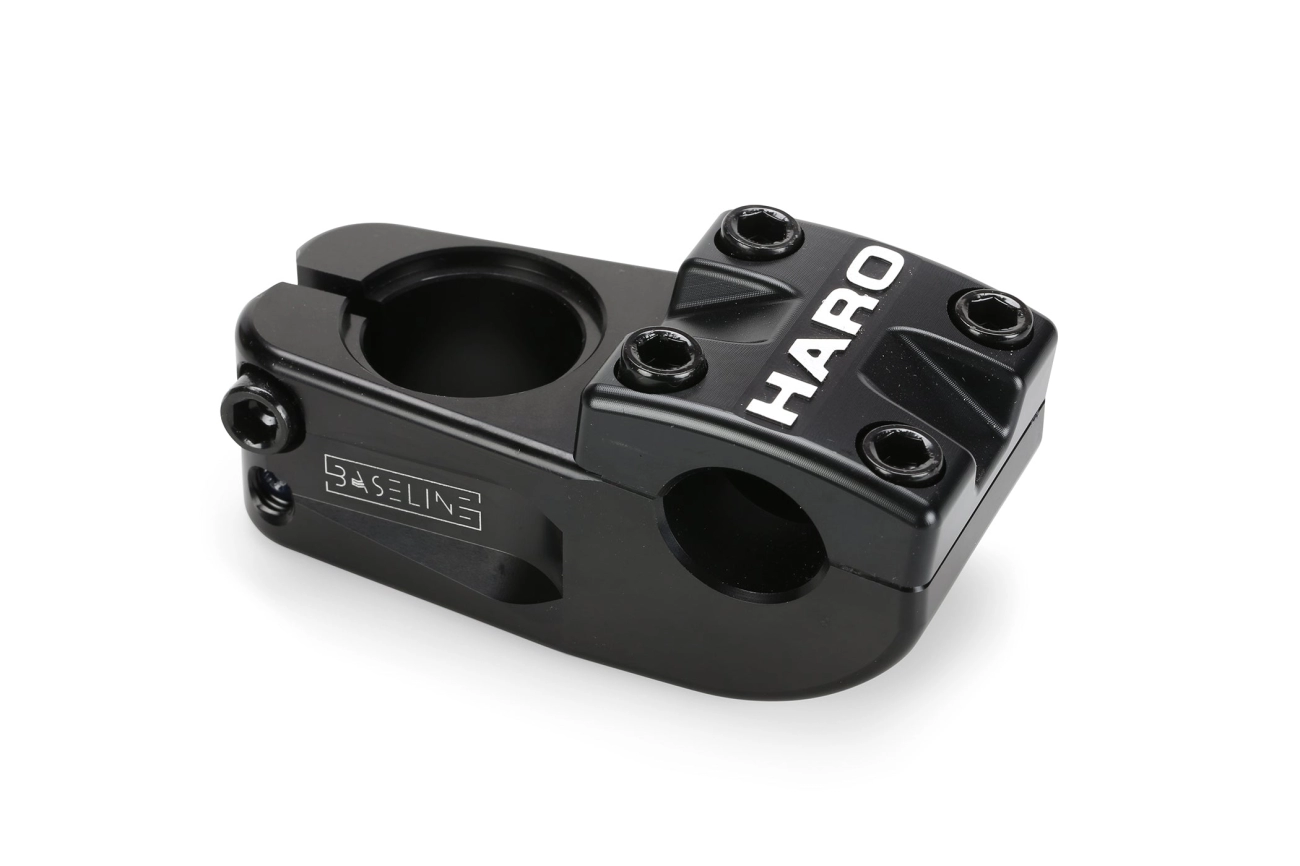
CNC machining plays a crucial role in fabricating bike and automotive stems with high accuracy and consistency. The CNC process involves using computer-controlled machines to cut and shape stem components from solid blocks of material like aluminum alloys or titanium. This method allows for precise control over dimensions, ensuring every stem fits perfectly and performs reliably.
Why do CNC stems stand out in cycling and motorsports? It comes down to tight tolerances and repeatability. CNC machining produces stems that are strong yet lightweight, critical for performance bikes and race cars. Features like complex geometry, smooth finishes, and drilled holes for bolts are all crafted seamlessly.
Material choice is another big factor in CNC stem success. Aluminum alloys are popular for their balance of strength and weight, while titanium offers superior durability. After machining, finishing processes such as anodizing or polishing improve corrosion resistance and give stems a professional look and feel.
In short, CNC precision machining delivers bike and automotive stems that meet the rigorous demands of athletes and drivers in the U.S. market, combining performance, reliability, and quality finishing.
Comparing Stem Machining Techniques STEM vs CNC for Your Project
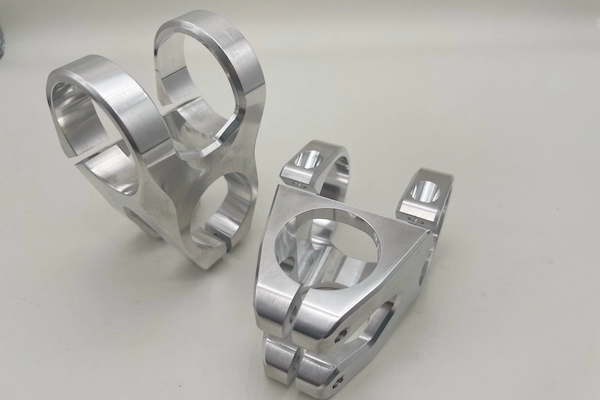
Choosing between shaped tube electrolytic machining (STEM) and CNC machining really comes down to your project needs. Both offer distinct benefits and work best in different situations.
When to Choose Each Method
| cURL Too many subrequests. | STEM Machining | CNC Machining |
|---|---|---|
| Complexity | Ideal for deep hole drilling and shapes that are hard to reach, like turbine blade cooling holes | Best for detailed cuts and multi-axis shaping, like 5-axis CNC turning |
| Material | Great with precision superalloys and hard-to-machine metals | Works well with aluminum alloy stem components and other common bike and auto materials |
| Speed | Slower process due to electrochemical drilling | cURL Too many subrequests. |
| cURL Too many subrequests. | cURL Too many subrequests. | cURL Too many subrequests. |
| Surface Finish | cURL Too many subrequests. | cURL Too many subrequests. |
cURL Too many subrequests.
- cURL Too many subrequests. cURL Too many subrequests.
- CNC machining cURL Too many subrequests.
- cURL Too many subrequests.
cURL Too many subrequests.
cURL Too many subrequests.
cURL Too many subrequests.
cURL Too many subrequests.
- cURL Too many subrequests.cURL Too many subrequests.
- cURL Too many subrequests.cURL Too many subrequests.
- cURL Too many subrequests.: There’s a growing focus on machining tough materials like superalloys and aluminum alloys with efficiency, important for aerospace and high-performance cycling stems.
- Sustainability improvements: Reducing energy use and scrap through optimized machining paths and greener processes is a big priority in U.S. manufacturing.
How Vast Is Leading the Charge
Vast is at the forefront by blending these innovations into real-world solutions. Their expertise in shaped tube electrolytic machining and custom aerospace prototyping means they’re ready to handle complex jobs with deep hole drilling techniques while maintaining top-tier quality. By pushing forward in non-traditional machining methods and precision superalloy machining, Vast ensures U.S. customers get reliable, performance-driven stems for every project.
In short, if you’re looking for future-ready stem machining that balances cost, quality, and innovation, Vast is a name to keep on your radar.
 Korean
  English
  Spanish (Peru)
  German
  Spanish (Spain)
  Italian