
Carbon steel casting:how to produce ?
In the world of steel casting, several alloying elements are used. Carbon is the main one to be used in precise carbon steel casting.
Depending on the manufacturing process, the production rate of carbon steel casting has touched 11-12 million tons per year. This gives the idea that how many factories and alloy industries are working on the yield of cast carbon steel.
Moreover, producing precise components is the demand of modern industries. Yet carbon steel casting is the one helping them out.
So, let’s pitch into the main topic of discussion.
What is Carbon Steel Casting?
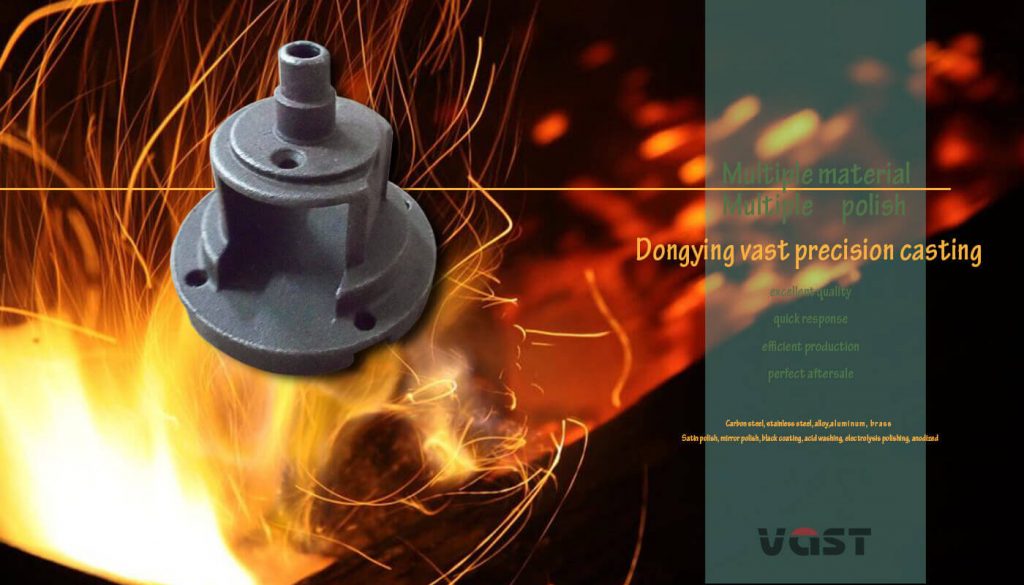
Before I draw your attention to the production process, you should have the basic know-how of carbon steel. What are different steel alloys and how carbon steel is used in casting?
Based on the research, one of the main alloys of steel is carbon. It is developed to work under required conditions- pressure, resistance, strength, and toughness.
However, what’s important here is the used percentage of carbon while making alloys. It simply depends on your needs. A high carbon percentage will alternatively make the alloy much more tough and strong. This results in the hardenability of the product.
So, based on the content, carbon steel is further divided into three different types:-
1- Low-Carbon Steel:
As the name indicates, low carbon steel casting will have a low carbon content in it- usually less than 0.20%.
As compared to other steels, low-carbon steel is softer and it’s pretty easy to shape. Thus, it has low strength and cannot provide surface hardness to alloy. To give a hard texture to the alloy, an alternative, carburizing is used.
Following are some low carbon steels that you can use in carbon steel casting and construction industries:
- 4140 carbon steel
- 8620 carbon steel
- 4130 carbon steel
- 4340 carbon steel
2- Medium Carbon Steel:
Likewise, carbon steel which contains a moderate level of carbon- 0.20 to 0.50% is medium carbon steel.
Best of all, this type is known for its good wear resistance quality. As if it’s not enough, mild carbon steel casting is harder than low carbon steel and can be hardened by heat treatment.
Due to its ductility and hardness, medium carbon steel is used in different engine works and other defense applications.
Here’s a list of some moderate carbon steels:
- 1020 carbon steel
- 52100 carbon steel
- 1010 carbon steel
- 1040 carbon steel
3- High Carbon Steel:
Till now, you have garb the concept of two different carbon steel castings. But, none of the above is perfect for high-quality and precise carbon steel casting.
No wonder, both low and medium carbons are used in casting but high carbon steel is on another level among all. With more than 0.50% carbon composition, high carbon steel provides extra strength, shape, and durability.
Furthermore, this alloy steel is the first choice of most steel manufacturers. This is because of its usage in a wide range of applications including heavy-duty as well.
Enlisted below are some high carbon steel alloys:
- 1095 high carbon steel
- 1060 high carbon steel
- 1080 high carbon steel
This doesn’t end here.
Carbon steel casting is way more than just using the above-discussed steel alloys. It involves a step-by-step mechanism through which carbon steel cast is prepared.
So, to discuss the production method, let’s jump to the other part of the story.
How to Produce Carbon Steel Casting?

cURL Too many subrequests.
cURL Too many subrequests. cURL Too many subrequests.. cURL Too many subrequests.
cURL Too many subrequests.
cURL Too many subrequests.
cURL Too many subrequests.
cURL Too many subrequests. cURL Too many subrequests..
cURL Too many subrequests.
cURL Too many subrequests.
cURL Too many subrequests.
cURL Too many subrequests.
cURL Too many subrequests.
cURL Too many subrequests.
cURL Too many subrequests.
- cURL Too many subrequests.
- Machining
- Heat treatment
- cURL Too many subrequests.
- cURL Too many subrequests.
With these features in hand, customers can easily use the water glass casting method to produce their desired steel cast products.
Still, confused about the use of carbon steel casting?
Relax, as below are some benefits of carbon steel casting enlisted for your ease:-
- To produce a variety of grades, carbon steel casting is most often used.
- The carbon casting process is not limited to any specific industry. Rather it is used by different factories for a vast range of applications.
- As compared to other alloys, carbon is safe and secure to use in steel casting processes.
Conclusion:
To wrap it up, the carbon steel industry is a huge industry of manufacturers and customers demanding their desired products.
Nevertheless, thousands of new alloys are available and can be used but they cannot replace carbon. The importance of carbon in carbon steel casting can be estimated by looking at its unique qualities.
The ductility, strength, ferromagnetic properties, and high structural integrity make the carbon alloy one of the major alloys in the world of steel castings.
 Korean
  English
  Spanish (Peru)
  German
  Spanish (Spain)
  Italian