
Explore precision machining fundamentals processes and benefits with expert CNC services for tight tolerance parts and custom manufacturing solutions.
The Fundamentals What Exactly Is Precision Machining
Have you ever wondered how tiny, complex parts for airplanes or medical devices are made with such perfect accuracy? That’s where precision machining comes in. It’s a process that shapes materials into precise parts by carefully removing material, guided by digital designs.
A brief history
Precision machining has come a long way. It started with manual lathes and mills, where skilled workers operated machines by hand. In the 1950s, the invention of CNC (computer numerical control) automation transformed the industry. Machines could follow exact instructions from computer programs, making production faster and more reliable. Today, high-speed robotics and multi-axis CNC machines push the limits, handling intricate tasks at incredible speeds.
What precision machining really means
At its core, precision machining is a subtractive manufacturing process. Imagine sculpting wood by carving away pieces to reveal a shape — but done with metals and plastics at microscopic levels. This is powered by CAD (computer-aided design) and CAM (computer-aided manufacturing) software that creates detailed 3D models, then translates them into toolpaths for the machines.
Key measures of success include:
- Surface finish with roughness average (Ra) values as low as 0.01 microns for smoothness
- Repeatability, meaning the machine can make identical parts through multiple runs
Materials that matter
Precision machining works with many materials, each chosen based on how they affect tolerances and performance:
| Material | Common Uses | Machinability |
|---|---|---|
| Aluminum | Aerospace parts, automotive | Excellent machinability, lightweight |
| Titanium | Medical implants, aerospace | Hard to machine but strong and light |
| Stainless Steel | Medical tools, food-grade | Tough and corrosion resistant |
| Specialty Plastics | Electronics, prototypes | Easy to machine, flexible tolerance options |
Choosing the right material is crucial to hit tight specifications without wasting time or resources.
Why regional industries rely on precision machining
In the U.S., especially in the Midwest, aerospace industries depend heavily on precision machining. Companies making flight-critical components like turbine blades or engine parts require exact tolerances to ensure safety and performance. This demand drives continued innovation and expertise in the fundamentals of precision machining right in local machine shops.
Understanding these basics helps you appreciate why precision machining is a cornerstone of modern manufacturing.
The Precision Machining Process Step by Step Breakdown
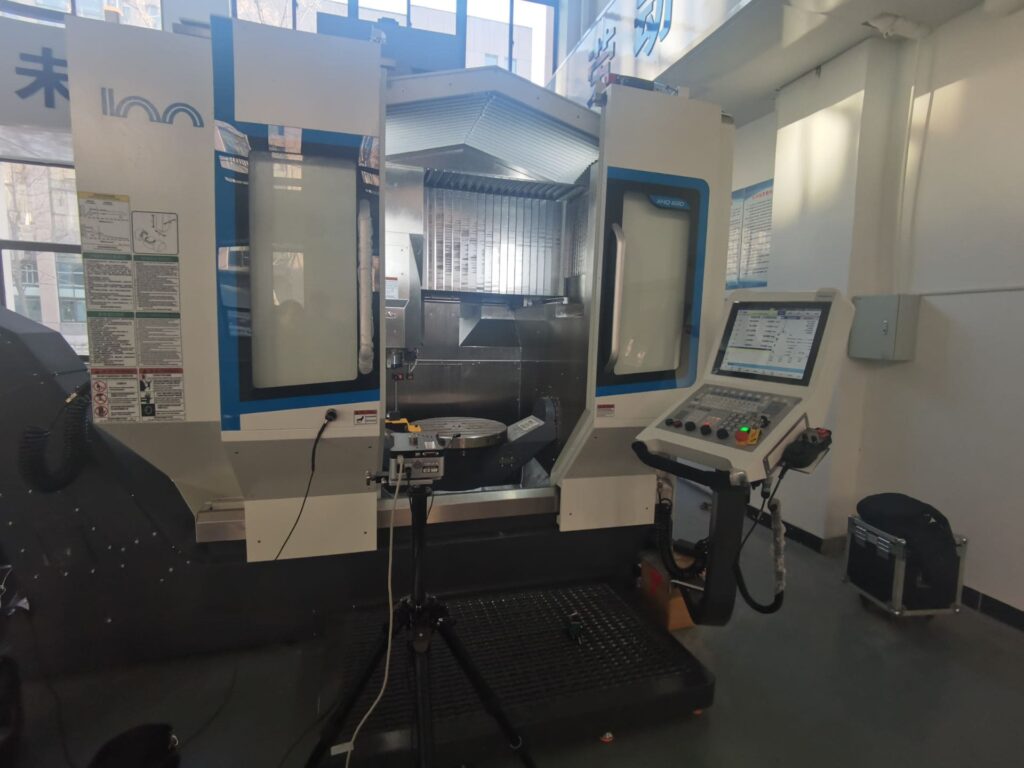
Precision machining starts with the design phase, where engineers create detailed 3D blueprints using CAD software like SolidWorks. This step sets the foundation by turning ideas into exact digital models.
Next is programming, where CAM tools generate precise toolpaths. This stage handles complex multi-axis operations — typically 3 to 5 axis milling and turning — ensuring tools follow exact movements for tight tolerance parts.
During setup and execution, cURL Too many subrequests.
cURL Too many subrequests. cURL Too many subrequests., cURL Too many subrequests.
cURL Too many subrequests.
cURL Too many subrequests.
cURL Too many subrequests.
cURL Too many subrequests.
cURL Too many subrequests.
cURL Too many subrequests.
cURL Too many subrequests.
cURL Too many subrequests.
| cURL Too many subrequests. | cURL Too many subrequests. | cURL Too many subrequests. |
|---|---|---|
| cURL Too many subrequests. | cURL Too many subrequests. | cURL Too many subrequests. |
| cURL Too many subrequests. | 20-30% less scrap through automation | Higher material scrap |
| Production Speed | Rapid prototyping to high volume | Slower, less flexible |
| Complex Shapes | Easily handles multi axis geometries | Limited by tooling |
| Sustainability | Energy efficient, less waste | More energy and material use |
| Cost | Higher upfront, better long-term ROI | Lower upfront, higher waste |
For U.S.-based businesses, especially those in the aerospace and medical sectors, these benefits make precision machining the smart choice for tight tolerance parts and custom CNC milling. It’s worth the investment for quality, reliability, and ongoing savings.
Real World Applications Industries Transformed by Precision Machining
Precision machining plays a huge role across many industries, especially when tight tolerance parts and high precision manufacturing are critical.
Aerospace and Defense
- Machining turbine blades and flight-critical components with exacting tolerances—for example, parts used in the F35 jet.
- These aerospace components machining jobs demand precision down to ±0.0002 inches.
Automotive
- Engine blocks, transmission gears, and EV battery housings all benefit from custom CNC milling processes.
- Multi axis CNC turning helps meet the complex designs and durability required for modern vehicles.
Medical Devices
- Implants, surgical tools, and other biocompatible parts rely on precision machining for cleanliness and perfect fits.
- Medical device fabrication requires a spotless environment and ISO certified machine shop standards.
Electronics and Consumer Goods
- Micro components inside smartphones and robots need precise, repeatable machining at a small scale.
- This drives innovation in subtractive manufacturing processes to create reliable, tiny parts.
Energy Sector
- Wind turbine gears, oil and gas valves, and other large-scale energy equipment require durable, precise components.
- Precision machining in this sector improves performance and longevity.
Local Focus
- In the U.S., hubs around Seattle support Boeing suppliers with precision machining services tailored to aerospace needs.
- Local manufacturers here are equipped with advanced CNC machining and ISO certifications to meet strict industry standards.
This spread around industries and regions shows how vital precision machining is to keeping American manufacturing competitive and innovative.
How Vast Elevates Precision Machining Our Expertise and Local Solutions
At Vast, we bring over 20 years of experience in CNC precision machining, serving clients across the U.S. Our facilities are AS9100 and ISO 9001 certified, ensuring top-quality standards and reliability. We’re set up to handle tight deadlines without cutting corners, making us a trusted partner for industries that demand precision and speed.
What sets us apart is our ability to work with multi-axis CNC machining, tackling complex parts with ease. We specialize in exotic materials and provide full-cycle services—from prototype machining to final assembly—so you get a smooth, end-to-end solution.
For local customers searching for “precision machining near me,” Vast offers same-week quotes, especially in key regions like the Pacific Northwest, including Seattle. We know the area’s industries well, helping aerospace and defense clients keep projects on track.
Here’s a quick example: We helped a defense sector client reduce lead time by 40% through process improvements and faster setup times. That kind of efficiency makes a big difference when speed and accuracy matter most.
cURL Too many subrequests.
cURL Too many subrequests.
cURL Too many subrequests.
cURL Too many subrequests.
 Korean
  English
  Spanish (Peru)
  German
  Spanish (Spain)
  Italian