
Learn how to make durable rubber molds for resin casting concrete and crafts with step-by-step tips using Vast silicone kits for beginners.
What Are Rubber Molds Understanding the Basics
If you’ve ever wondered how artists and makers create perfect copies of objects, rubber molds are often the secret tool. Simply put, rubber molds are flexible molds made from special rubber-like materials designed to capture every detail of an original model, or master. These molds let you reproduce shapes easily and accurately, whether you’re working on small craft projects or larger, more complex designs.
The Fundamentals of Rubber Molds
Rubber molds are usually made using silicone or liquid silicone rubber, materials prized for their flexibility, durability, and ability to withstand high temperatures and chemicals. Unlike hard molds made from plaster or metal, rubber molds stretch and bend, making it easy to remove detailed castings without damage. This flexibility also means you can make molds for items with undercuts, textures, and intricate shapes that rigid molds simply won’t handle.
Rubber Molds vs Other Mold Materials
You might ask, why choose rubber molds instead of other types like plastic, plaster, or metal molds? Here are a few reasons:
- Flexibility: Rubber molds stretch, making demolding easier and reducing the risk of breaking delicate casts.
- Durability: High-quality silicone rubber molds are tear-resistant and can be reused many times without losing detail.
- Detail Capture: Rubber molds pick up fine textures better than many rigid mold materials.
- Safety: Silicone is often food-safe and non-toxic, ideal for projects involving soap, candles, or even edible items.
- Adaptability: Rubber molds work well with a wide range of casting materials like resin, epoxy, concrete, and wax.
In short, rubber molds offer a balance of ease, precision, and versatility that’s hard to beat, especially for crafters, makers, and small manufacturers looking to replicate designs efficiently and reliably. Whether you’re starting a DIY project or exploring custom manufacturing, rubber molds are a smart choice for quality and performance.
Why Use Rubber Molds Benefits for Crafters and Makers Versatility Across Projects Cost and Efficiency Savings
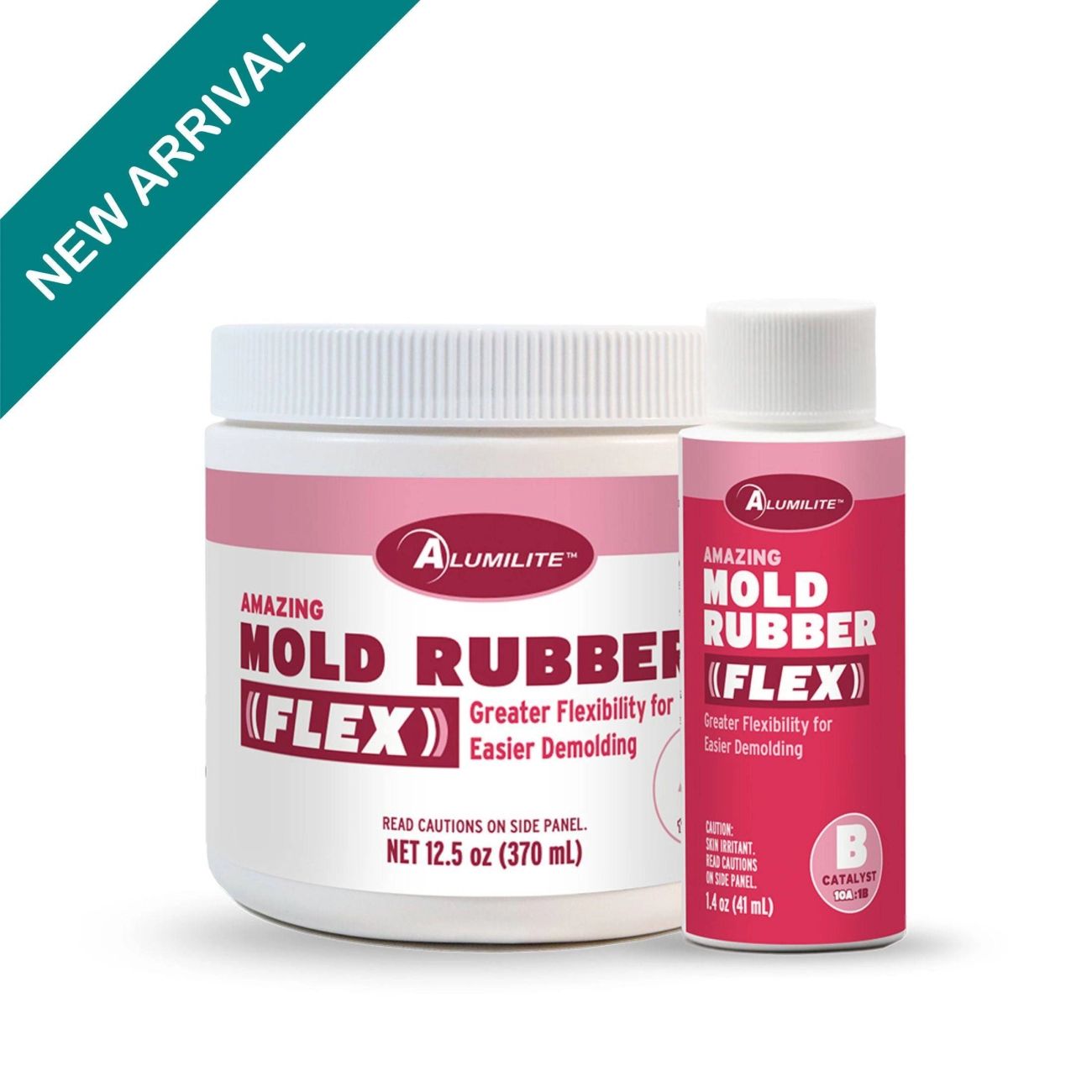
Rubber molds are a go-to for many crafters and makers because they offer serious benefits. First off, they’re incredibly versatile. Whether you’re working with resin, concrete, soap, or even food-safe materials, rubber molds handle it all. You can create simple one-piece block molds or more complex shapes with fine details, making them perfect across different projects.
Another big plus is cost and efficiency. Compared to other mold materials like metal or plastic, rubber molds are more affordable to produce and replace. They also save time—you can reuse the same mold multiple times without losing quality, which means less waste and a smoother workflow around your studio or workshop.
For anyone making custom items, rubber molds speed up the process while keeping your projects looking sharp. This combination of flexibility and savings is why rubber molds remain popular in the US crafting community.
How to Make Rubber Molds Step-by-Step Guide for Beginners

Making your own rubber molds is easier than you might think. Here’s a simple step-by-step guide to get you started.
Materials You’ll Need
- Liquid silicone rubber or platinum cure silicone (depending on your project)
- Mold making kit (includes mixing cups, stir sticks, gloves)
- Release agent for molds to prevent sticking
- Mold box (can be plastic or wood)
- Master model (the item you want to copy)
Choosing Your Project Simple vs Complex Molds
Start with simple one-piece block molds if you’re new. These are easier to make and great for small projects like resin casting molds. Complex molds may need multiple parts and are better once you’re comfortable with the basics.
Step 1 Prepare Your Master Model
Make sure your master is clean and free of dust. If needed, seal any porous surfaces with a spray or brush-on sealer to get a smooth mold finish.
Step 2 Build Your Mold Box and Apply Release
Create a mold box just big enough to fit your master model with some space around it. Secure it tightly and coat the interior with a release agent to ensure the rubber mold comes out clean.
Step 3 Mix and Pour the Rubber
Follow the instructions for your liquid silicone rubber or rubber mold kit. Mix thoroughly, avoiding bubbles, then slowly pour the rubber over the master in the mold box. Pouring from one side helps reduce air pockets.
Step 4 Demold and Cure
Let the rubber fully cure as per product instructions—this can take a few hours or overnight. Once cured, carefully remove the mold box and take out your new rubber mold.
Step 5 Test and Refine
Test your mold with resin, concrete, or whatever casting material you’re using. Check for defects or areas where the mold might tear. If needed, refine your process with better release agent or adjust your mold box design for future projects.
cURL Too many subrequests.
cURL Too many subrequests.
cURL Too many subrequests.
cURL Too many subrequests.
cURL Too many subrequests.
cURL Too many subrequests.
cURL Too many subrequests.
cURL Too many subrequests.
cURL Too many subrequests.
cURL Too many subrequests.
cURL Too many subrequests.
cURL Too many subrequests.
cURL Too many subrequests.

cURL Too many subrequests.
cURL Too many subrequests.
- cURL Too many subrequests.cURL Too many subrequests.
- cURL Too many subrequests.cURL Too many subrequests.
- Cure Properly: Let your rubber molds fully cure before using them. Rushing this step can cause tears or warping.
- Store Molds in a Cool, Dry Place: Heat and UV light can degrade silicone over time. Keep molds away from sunlight and extreme temperatures.
- Clean After Each Use: Remove any leftover resin, concrete, or other casting materials gently. This prevents buildup that can ruin your molds.
Troubleshooting Guide
- Mold Sticks to Master: Check if you missed applying a release agent or used the wrong type. Reapply and try again.
- Rubber Tears Easily: Use a higher-quality silicone rubber with better tear resistance or add reinforcement if you’re making thin molds.
- Bubbles in Mold: Mix your liquid silicone rubber slowly to reduce air bubbles. Using a vacuum chamber can also help.
- Mold Is Too Soft or Flexible: Adjust your rubber mixing ratios or choose a firmer silicone for projects needing more shape retention.
- Demolding is Difficult: Build a one-piece block mold for simpler projects or add mold vents and keys for complex shapes to ease removal.
Following these tips will help you avoid common pitfalls and get professional results with your DIY rubber molds every time.
Choosing the Best Rubber Mold Kit What to Look For
Picking the right rubber mold kit can make all the difference, whether you’re just starting or looking to upgrade your mold making setup. Here’s what to keep in mind when shopping for your next kit:
Key Features Breakdown
- Type of Rubber: Look for kits with platinum cure silicone or other liquid silicone rubber options. These are known for being tear-resistant and durable.
- Included Materials: The best kits come with a full set—rubber, a mold box or container, release agents, and mixing tools. This saves time hunting for extras.
- Mold Complexity: Consider if you’ll be making one-piece block molds or more complex multi-part molds. Kits should match the type of projects you want to tackle.
- Curing Time: Faster curing kits get you crafting sooner. Some have options that cure in just a few hours.
- Safety and Food Grade: For soap, candle, or food-safe molds, check if the kit uses non-toxic, food-grade materials.
- Instructions and Support: Clear, easy-to-follow directions and customer support are a must, especially if you’re new to DIY rubber molds.
Spotlight on Vast’s Rubber Mold Solutions
cURL Too many subrequests.
- cURL Too many subrequests. platinum cure silicone cURL Too many subrequests.
- cURL Too many subrequests. cURL Too many subrequests. cURL Too many subrequests.
- cURL Too many subrequests.
- cURL Too many subrequests. cURL Too many subrequests., cURL Too many subrequests., and even cURL Too many subrequests..
cURL Too many subrequests.
 Korean
  English
  Spanish (Peru)
  German
  Spanish (Spain)
  Italian