
Discover how glass bead blasting offers eco-friendly, precise surface finishing for metal, automotive, and industrial applications with low abrasion effects.
What is Glass Bead Blasting Core Mechanics
Have you ever wondered how certain surfaces achieve that smooth, satin finish without damaging the material? Glass bead blasting is a clever solution used across industries for surface treatment, and understanding its core mechanics will help you see why it’s so popular.
At its simplest, glass bead blasting involves propelling tiny, spherical glass beads at high speeds onto a surface. These beads act as a gentle abrasive media, softly removing contaminants, rust, or imperfections without aggressive cutting or scratching. The core process relies on compressed air or mechanical pressure to accelerate the beads, allowing them to impact and clean the material surface effectively.
Unlike harsher methods, glass bead blasting works by creating a uniform satin surface finish rather than roughening or deeply etching it. This makes it particularly useful for delicate materials like anodized aluminum or soft metals where maintaining integrity is crucial.
Key aspects of the core mechanics include:
- Abrasive Media: Smooth glass beads designed for consistent, low-impact blasting
- Blasting Pressure: Controlled air or mechanical pressure for precise application
- Impact Dynamics: Multiple beads striking the surface uniformly to clean or texture without damage
- Surface Interaction: Light peening effect that improves surface properties and appearance without heavy abrasion
Overall, glass bead blasting stands out because it balances effective cleaning and surface refinement, making it a preferred choice for applications requiring gentle yet thorough treatment. This core mechanic ensures you get a reliable process that preserves material quality while delivering the finish you need.
What is Glass Bead Blasting The Basics Explained Media Deep Dive
Glass bead blasting uses tiny, spherical glass beads as the blast media. These beads are smooth and uniform, making them perfect for gentle cleaning and surface finishing. Unlike rough, angular abrasives, glass beads create a satin surface finish without damaging the material underneath.
The size and hardness of the glass beads matter a lot. Smaller beads give a fine finish and work well for delicate surfaces like anodized aluminum texturing, while larger beads can handle tougher jobs like metal deburring or rust removal techniques. Because glass beads are softer than many other blasting media, they’re less likely to warp or peel surfaces.
Another big plus is that glass beads are eco friendly abrasives—reusable and produce less dust compared to sandblasting or steel grit. This makes them popular in industries focused on sustainability.
In short, the choice of bead blast media directly affects how smooth, clean, or textured the surface ends up. Glass bead blasting shines when you need a gentle, uniform finish without aggressive abrasion.
What is Glass Bead Blasting The Basics Explained Historical Context

Glass bead blasting has roots that trace back to the early 20th century when industries sought gentler abrasive methods than traditional sandblasting. Originally developed to clean and polish aircraft parts, it quickly gained popularity due to its ability to create a smooth, satin surface finish without damaging delicate materials. Over time, manufacturers refined the process using small, spherical glass beads as the blasting media, which proved effective for metal deburring, rust removal techniques, and anodized aluminum texturing.
As the demand for eco friendly abrasives grew, glass bead blasting became a preferred alternative to harsher methods, offering a more sustainable option with less waste and dust. Its consistent results and versatility expanded its use beyond aerospace and automotive restoration into manufacturing, medical, and food industries. Today, the method remains a trusted, low pressure blasting technique, balancing efficiency with surface care.
Glass Bead Blasting vs Sandblasting
Glass bead blasting and sandblasting are both popular surface treatment methods, but they serve different needs. Glass bead blasting uses tiny, smooth glass beads as the blast media, which creates a fine, satin surface finish without damaging the material underneath. It’s great for delicate work like anodized aluminum texturing or light rust removal techniques. Plus, it leaves a less aggressive, more uniform finish, making it ideal for metal deburring and prepping surfaces gently.
On the other hand, sandblasting uses rougher abrasive media like silica sand or other gritty materials. It’s more aggressive and often better for heavy-duty cleaning, paint stripping, or removing thick rust layers. However, sandblasting can sometimes gouge or pit the surface if not controlled properly, especially on softer metals.
If you need an eco friendly abrasive option or want a method that doubles as an abrasive peening and shot peening alternative, glass bead blasting offers a smoother, low-pressure blasting choice. Sandblasting is better when you want faster, more aggressive material removal but be mindful of the surface damage risk.
Choosing between the two depends on your project’s surface sensitivity, finish quality, and speed requirements.
Glass Bead Blasting vs Crushed Glass and Steel Grit
When comparing glass bead blasting to crushed glass and steel grit, each abrasive has its unique strengths and fits different needs. Glass bead blasting uses smooth, round beads that deliver a gentle, satin surface finish. This makes it excellent for delicate tasks like anodized aluminum texturing, metal deburring, or rust removal techniques without damaging the base material.
Crushed glass is more angular and aggressive. It’s great for heavy-duty cleaning, especially where faster material removal is needed. However, it can be rougher on sensitive surfaces and create more dust. Steel grit stands out for industrial-strength blasting, particularly for applications like abrasive peening or preparing very tough metal surfaces. It’s durable but can be too harsh for fine finishes.
The key to picking the right media is understanding your project needs:
- Glass Beads: Best for low pressure blasting, providing a smooth, clean finish with minimal surface damage.
- Crushed Glass: Suited for medium to heavy rust removal and faster cleaning but less gentle.
- Steel Grit: Ideal for aggressive blasting and shot peening alternatives on robust materials.
For eco friendly abrasives, glass bead blasting ranks high due to its reusable media and less hazardous dust compared to crushed glass. If surface texture and appearance matter most, glass beads often outperform in delivering a consistent satin finish.
Glass Bead Blasting vs Other Methods Making the Right Choice Decision Framework
Choosing the right blasting method depends on your specific project needs, materials, and desired finish. Here’s a simple framework to help decide if glass bead blasting is the best fit compared to other options like sandblasting or steel grit.
Consider the Material
- Delicate or soft metals: Glass bead blasting is gentle enough for aluminum, brass, or thin materials without causing surface damage.
- Harder metals or heavy rust: Steel grit or crushed glass might be better for tough jobs needing aggressive cleaning or metal deburring.
Desired Surface Finish
- If you want a smooth satin surface finish or to prepare anodized aluminum for texturing, glass bead blasting excels.
- For rougher or more aggressive finishes, other abrasives like crushed glass or steel grit are preferred.
Environmental and Safety Concerns
- Glass beads are eco friendly abrasives, producing less dust and posing a lower health risk.
- Sandblasting often creates more dust and requires stricter safety measures.
Equipment and Cost
- Low pressure blasting setups work well with glass beads, saving on energy and wear.
- Some abrasive media demand more robust equipment and may increase operational costs.
Application Industry
- Glass bead blasting fits well in sectors like aerospace, automotive, and medical where surface quality matters.
- Heavy industries focusing on rust removal techniques may lean toward more aggressive blasting methods.
of Decision Points
| Factor | Glass Bead Blasting | Sandblasting | Crushed Glass/Steel Grit |
|---|---|---|---|
| Surface Finish | Smooth satin finish | Rougher/cleaning | Aggressive cleaning |
| Material Compatibility | Soft or delicate metals | Variety, including hard metals | Hard metals, rust, heavy duty |
| Environmental Impact | Eco friendly abrasives | Dusty, more hazardous | Moderate |
| Equipment Cost | Low pressure blasting | Requires more protection | Heavy-duty setups needed |
| Safety Considerations | Lower risk dust | High dust, respiratory hazards | Moderate dust and hazards |
By evaluating your project needs against these factors, you can make an informed choice on whether glass bead blasting is right for you or if another blasting method fits better.
Key Benefits and Potential Drawbacks of Glass Bead Blasting Top Advantages
Glass bead blasting offers several standout advantages that make it popular across industries in the US:
- Smooth Satin Surface FinishGlass bead blasting creates a consistent, satin-like texture that improves the look and feel of metals and plastics. This finish is great for anodized aluminum texturing and decorative parts.
- Gentle Yet Effective CleaningIt efficiently removes rust, paint, and contaminants without aggressive abrasion, preserving the base material’s integrity.
- Metal Deburring and PreparationThe process smooths edges and removes burrs on metal parts, providing better paint adhesion and reducing stress points.
- Eco-Friendly Abrasive MediaGlass beads are non-toxic and recyclable, making this an environmentally friendlier choice compared to some harsher abrasives.
- Versatile Media Size OptionsYou can choose different glass bead sizes depending on the job, from fine polishing to heavier surface preparation.
- Less Dust and Less CleanupCompared to sandblasting, glass beads generate less dust, making the work area cleaner and the process safer.
- Shot Peening AlternativeIt offers a mild abrasive peening effect that can enhance surface hardness without damaging the metal.
| Advantage | Benefit Description |
|---|---|
| Satin Surface Finish | Polished, smooth appearance |
| Gentle Cleaning | Removes contaminants without heavy abrasion |
| Metal Deburring | Sharp edges leveled for safety and finishing |
| Eco-Friendly Media | Non-toxic and reusable abrasive beads |
| Media Size Flexibility | Adjustable for varied applications |
| Reduced Dust | Cleaner workspace and safer conditions |
| Abrasive Peening Alternative | Surface strengthening with less damage |
These advantages make glass bead blasting a go-to method for both professional manufacturers and DIYers aiming for quality and sustainability.
Key Benefits and Potential Drawbacks of Glass Bead Blasting Limitations and Mitigations
Glass bead blasting offers great results, but it’s not without some limits. Knowing these helps you get the most from your bead blast media and avoid problems.
| Limitation | Why It Happens | How to Mitigate |
|---|---|---|
| Not for Heavy Rust Removal | Glass beads are gentle, so tough rust stays | Pre-treat with chemical rust removers or use harsher media first |
| Can Fade Sharp Edges | The process smooths surfaces, may soften fine details | Control blasting time and pressure; test on scrap material |
| Not Effective on Very Hard Materials | Glass beads can wear quickly on metals like hardened steel | Use steel grit or aluminum oxide for hard surfaces |
| Media Breakdown Over Time | Beads break down and lose effectiveness | Regularly replace media and clean blast cabinet |
| Requires Proper Equipment | Needs a blast cabinet setup and compressor | Invest in reliable equipment; follow setup guides for best results |
| Dust and Residue Generation | Can create silica dust and media dust | Use proper ventilation, respirators, and dust collectors |
Glass bead blasting requires balancing its smooth satin surface finish benefits against these potential drawbacks. With care in setup and using this Table as your guide, you can cut down on issues and keep your projects clean and precise.
Key Benefits and Potential Drawbacks of Glass Bead Blasting Sustainability Angle
Glass bead blasting is known for being a more eco-friendly abrasive blasting option compared to many traditional methods. Here’s why it stands out and some sustainability considerations to keep in mind:
Eco Friendly Abrasives
- Recyclable media: Glass beads can be reused multiple times before disposal, reducing waste.
- Non-toxic: Unlike some sand or metal grit, glass beads don’t contain harmful silica dust or heavy metals.
- Minimal dust generation: Produces less airborne dust, improving air quality during blasting.
Energy and Waste Impact
| Aspect | Benefit | Consideration |
|---|---|---|
| Energy Use | Often requires lower pressure blasting, saving energy | Efficient setup needed for max reuse |
| Waste Management | Less leftover media due to recyclability | Spent beads still require proper disposal |
| Surface Finish | Creates satin surface finish without harsh chemicals | May not remove very heavy rust or coatings efficiently |
Limitations With Sustainability
- Glass bead blasting still uses energy and produces spent media that needs responsible disposal.
- Bulk shipment and use of glass beads do carry a carbon footprint typical of industrial materials.
- Choosing suppliers who follow green manufacturing processes helps reduce overall environmental impact.
Overall, glass bead blasting aligns well with greener manufacturing and cleaning processes due to its reusable, non-toxic media and relatively low environmental footprint. This makes it a preferred choice for companies in the U.S. looking to balance performance with sustainability.
Real-World Applications Where Glass Bead Blasting Shines Manufacturing and 3D Printing
Glass bead blasting is a go-to process in manufacturing for giving parts a high-quality satin surface finish without damaging the material. It’s especially popular for metal deburring—removing sharp edges and surface imperfections on fabricated components to ensure they fit and function perfectly. The gentle abrasive peening from glass beads also strengthens metal surfaces by relieving stress, which increases durability.
In 3D printing, glass bead blasting helps smooth out rough or uneven surfaces on printed parts, especially those made from metals or tough plastics. This improves both the look and feel of the final product, making it easier to paint or coat later. It’s an eco-friendly abrasive option, too, which appeals to manufacturers focused on sustainability.
Overall, glass bead blasting is a versatile, reliable choice for finishing delicate or complex shapes in manufacturing and 3D printing, catering well to industries across the U.S. that demand precision and visual appeal.
Real-World Applications Where Glass Bead Blasting Shines Automotive and Restoration
Glass bead blasting is a go-to choice in the automotive industry, especially when it comes to restoration projects. This process gently cleans car parts, removing rust, old paint, and grime without damaging the metal underneath. It’s perfect for prepping surfaces before repainting or applying protective coatings.
Auto restorers appreciate how glass bead blasting produces a satin surface finish, giving parts a smooth, even look that’s ideal for both classic and modern vehicles. It’s also excellent for metal deburring and removing oxidation from engine components, wheels, and frames.
In addition to cleaning, bead blast media helps preserve the integrity of delicate parts like aluminum or chrome. Unlike harsh methods such as sandblasting, glass bead blasting keeps these surfaces intact while still delivering thorough cleaning and texturing.
From vintage car bodies to modern custom builds, this blasting method speeds up restoration work while ensuring a quality finish that meets U.S. automotive standards. It’s a trusted technique for professionals and DIY enthusiasts looking to bring vehicles back to their best condition.
Real-World Applications Where Glass Bead Blasting Shines Aerospace Medical and Food Industries
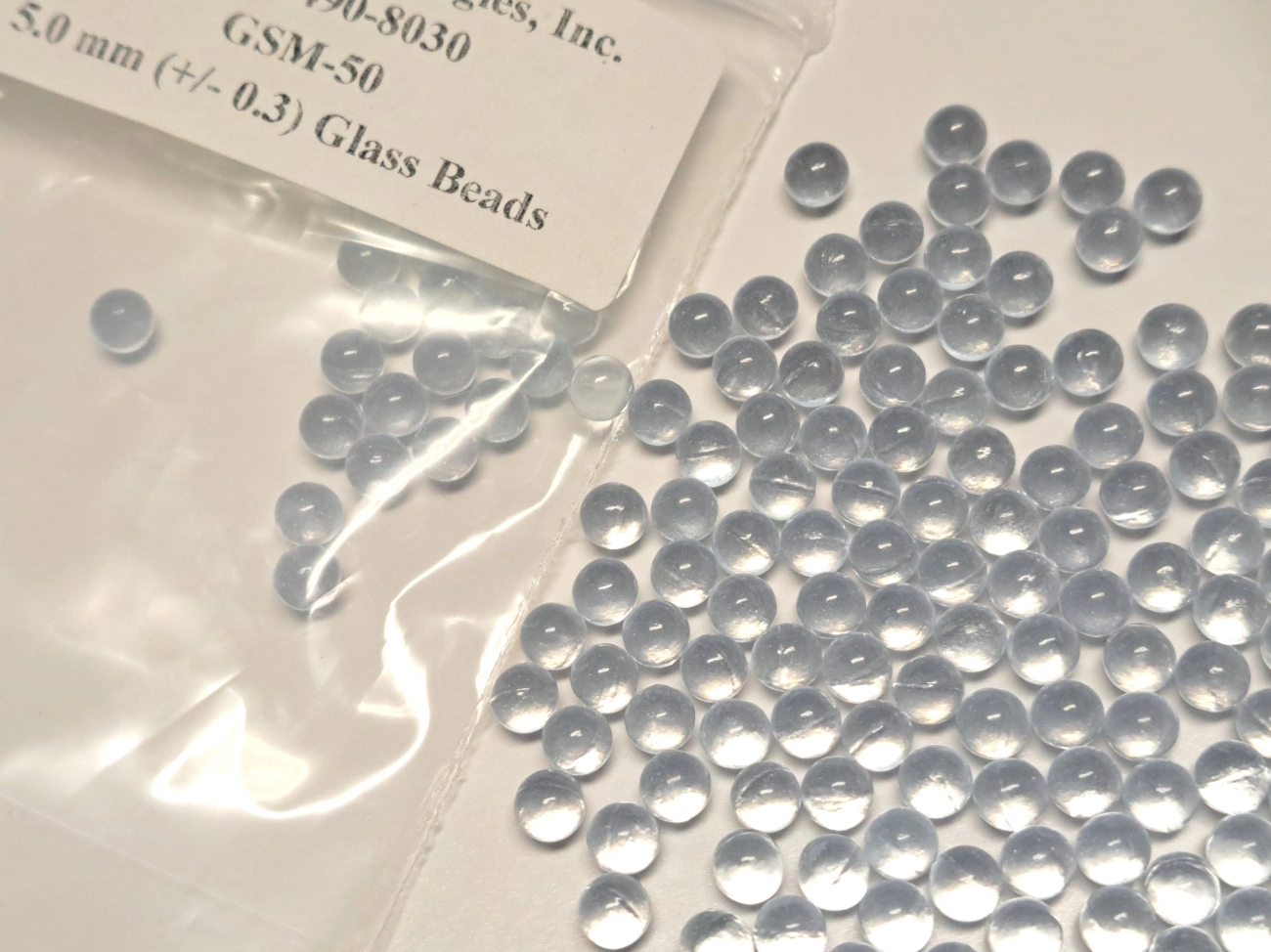
Glass bead blasting is trusted heavily in aerospace, medical, and food industries because it offers a gentle yet effective way to clean and prepare surfaces without damaging the materials. In aerospace, it’s used for metal deburring, removing rust, and creating consistent satin surface finishes on sensitive parts, which helps extend the lifespan of components and improve performance.
In the medical field, glass bead blasting is favored for its ability to clean surgical tools and devices without scratching or weakening them. It removes contaminants and prepares surfaces for coatings or sterilization while maintaining strict hygiene standards.
For the food industry, this method supports hygiene by offering eco friendly abrasives that help clean processing equipment without introducing harmful residues. It effectively removes buildup and rust using low pressure blasting, ensuring equipment meets food safety requirements without compromising materials.
In all these industries, glass bead blasting stands out because it provides controlled cleaning with minimal surface impact, making it a reliable choice for precision applications.
Real-World Applications Where Glass Bead Blasting Shines DIY Home Use
Glass bead blasting is a favorite for DIY home projects because it’s safe, effective, and easy to control. Whether you’re restoring old tools, cleaning rusty bike parts, or prepping surfaces for painting, this method gives a clean, satin surface finish without damaging the base material.
Here’s why glass bead blasting works well at home:
- Gentle on Materials: Unlike sandblasting, it won’t chew up softer metals or delicate items.
- Rust Removal: It easily removes rust and old paint without harsh chemicals.
- Surface Prep: Ideal for smoothing and texturing anodized aluminum or metal before repainting or sealing.
- Eco Friendly: The beads are reusable and generate less dust, making cleanup simple.
- Versatile Uses: Great for restoring vintage car parts, cleaning garden tools, or even refinishing furniture hardware.
For setup, a small blast cabinet and a supply of glass bead media are enough to get started. Plus, it works with low pressure blasting systems, keeping noise and dust to a minimum—perfect for home garages or workshops.
Equipment and Setup Getting Started with Glass Bead Blasting Essential Tools
To get started with glass bead blasting, you need the right tools to ensure effective and safe results. Here are the essential pieces of equipment:
- Blast CabinetA blast cabinet helps contain the glass bead media and dust. It’s ideal for small to medium parts and keeps the workspace clean. Look for one with good visibility and proper ventilation.
- Air CompressorYou’ll need a reliable air compressor that delivers consistent pressure. Glass bead blasting typically works well with low to moderate pressure, so a compressor with adjustable settings is best.
- Blast Gun or NozzleThis controls the media flow and direction. Select a blast gun designed for glass bead media to maintain even blasting without damaging surfaces.
- Glass Bead MediaChoose high-quality glass beads sized for your application, whether for satin surface finish or metal deburring. The right media ensures uniform results without over-aggressiveness.
- Protective GearSafety first. Use gloves, goggles, and a dust mask or respirator. Blast media can be hazardous if inhaled or if it contacts skin and eyes.
- Dust Collector or Vacuum SystemTo keep the work area free of airborne particles, pair your blast cabinet with a dust collector or vacuum system.
- Workholding FixturesFixtures help secure parts during blasting, allowing for consistent treatment and reducing wear on media and tools.
These essential tools form the foundation for effective glass bead blasting whether you’re in a shop or working on DIY projects. Choosing quality equipment ensures better control, precision, and long-lasting performance.
Equipment and Setup Getting Started with Glass Bead Blasting Step by Step Setup Guide
Setting up for glass bead blasting doesn’t have to be complicated. Here’s a straightforward guide to get you started with the right equipment and proper arrangement:
- Choose the Right Blast CabinetStart with a blast cabinet designed for glass bead blasting. A cabinet with a good seal and viewing window helps you work safely and efficiently, keeping the beads contained during the process.
- Install the Media Delivery SystemAttach a media hopper that feeds the glass bead blast media evenly. This ensures consistent flow and prevents clogging, which is key for a smooth, satin surface finish.
- Connect the Air SupplyUse a compressor that can reliably provide steady air pressure, typically between 40-90 PSI. Low pressure blasting is preferred to avoid damaging softer metals or delicate surfaces.
- Wear Proper Safety GearBefore blasting, gear up with gloves, goggles, and a respirator to protect against airborne particles and debris.
- Load the Glass Bead MediaFill the hopper or blast pot with your chosen glass bead media. Clean, round beads work best for a uniform finish without roughening the surface excessively.
- Set the Pressure and AngleAdjust the air pressure to suit your material, and hold the nozzle at about a 45-degree angle. This allows for even coverage and effective metal deburring or rust removal.
- Test on a Scrap PieceBefore working on the actual piece, test the setup on scrap material to dial in pressure, distance, and blast duration for your desired finish.
- Maintain the Equipment RegularlyKeep the blast cabinet clean and check seals and hoses often to avoid leaks or wear, which can affect blasting quality.
Following these steps ensures you achieve consistent results and make the most of your glass bead blasting setup. This setup guide helps you get the foundation right, whether you’re working on anodized aluminum texturing, rust removal, or prepping surfaces for further finishing.
Equipment and Setup Getting Started with Glass Bead Blasting Cost Breakdown
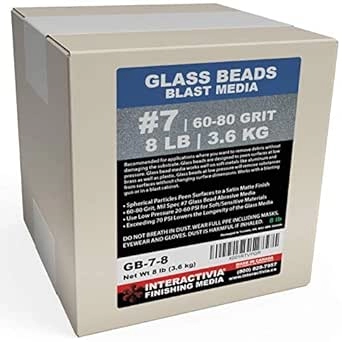
When you’re setting up for glass bead blasting, understanding the costs upfront helps you budget smart. Here’s a quick breakdown of the main expenses you’ll face:
1. Blast Cabinet
- Prices range from $500 for small hobby models to $3,000+ for professional-grade cabinets.
- A good blast cabinet with dust collection is key for clean, efficient blasting.
2. Glass Bead Blast Media
- Bulk media costs about $30 to $100 per 50-pound bag depending on quality and type.
- You’ll go through media regularly, especially in heavy-duty use, so factor ongoing replacement costs.
3. Air Compressor
- A compressor capable of supporting low-pressure blasting typically costs between $300 and $1,200.
- Make sure it provides steady airflow without overdoing pressure, which can damage your work.
4. Safety Gear
- Basic requirements include respirator masks ($50–$150), goggles, and gloves.
- Prioritize proper protection for a safe setup.
5. Accessories and Maintenance
- Items like hoses, nozzles, and replacement parts add $100–$300 depending on use.
- Regular maintenance keeps your equipment running smoothly and extends its life.
Table
| Equipment | Estimated Cost Range |
|---|---|
| Blast Cabinet | $500 – $3,000+ |
| Glass Bead Media | $30 – $100 per 50 lbs |
| Air Compressor | $300 – $1,200 |
| Safety Gear | $50 – $150 |
| Accessories & Maintenance | $100 – $300 |
Getting started with glass bead blasting doesn’t require a huge upfront investment, but choosing the right equipment to match your project scope is essential to avoid extra costs later.
Safety Best Practices and Maintenance for Optimal Results Safety Protocols

When working with glass bead blasting, safety is key to avoid injuries and keep your workspace clean. Here’s what I recommend:
- Wear Proper Personal Protective Equipment (PPE): Always use safety goggles or a full-face shield to protect your eyes and face. Gloves, long sleeves, and respiratory protection help guard your skin and lungs from fine glass bead dust.
- Use a Blast Cabinet or Enclosed Setup: Containing the blast media in a cabinet helps limit airborne particles and keeps dust from spreading in your workspace.
- Ensure Proper Ventilation: Even if you use a blast cabinet, good airflow is essential to control dust and maintain air quality.
- Check Equipment Regularly: Inspect hoses, nozzles, and the blast cabinet for wear or damage. Faulty gear can cause media leaks or sudden pressure drops, which are safety hazards.
- Follow Media Handling Guidelines: Glass bead blasting media is reusable but can break down over time. Dispose of old or contaminated media safely to avoid buildup of harmful particles.
- Avoid Direct Skin Contact: Although glass beads are less abrasive than other media, repeated exposure can irritate the skin. Rinse immediately if contact occurs.
- Follow Manufacturer Instructions: Whether you buy from a local glass bead blasting manufacturer or a custom factory, always stick to their safety and usage guidelines.
Safety Best Practices and Maintenance for Optimal Results Pro Tips
To get the best from glass bead blasting while staying safe, keep these pro tips in mind:
- Wear the right gear: Always use a quality respirator, safety goggles, and gloves. Glass beads can create fine dust that irritates your lungs and eyes.
- Keep your blast cabinet clean: Regularly remove spent media and debris. This helps maintain consistent blasting performance and extends equipment life.
- Use the correct air pressure: Stick to the recommended low pressure blasting settings for glass beads to avoid damaging delicate surfaces or your gear.
- Check your media often: Glass bead blast media wears out over time. Replace it when the beads become too small or irregular, or you’ll lose blasting efficiency and surface finish quality.
- Maintain equipment seals and hoses: Tighten or replace worn seals, gaskets, and hoses to prevent leaks that can reduce blast power and create hazards.
- Ventilate your workspace: Proper ventilation is key to preventing dust buildup and maintaining a safe breathing environment.
- Test on a sample surface first: Before blasting your main project, always test on a scrap piece to dial in pressure and timing. This avoids unwanted surface damage.
- Store media in a dry place: Moisture can clump glass beads and ruin consistency. Keep your abrasive peening media dry at all times.
These simple tips help maintain a safe workspace, keep your glass bead blasting running smoothly, and deliver that signature satin surface finish every time.
Safety Best Practices and Maintenance for Optimal Results Common Mistakes to Avoid
When working with glass bead blasting, avoiding common mistakes can save time, prevent damage, and keep you safe. Here are the key pitfalls to watch out for:
- Skipping Proper PPE: Not wearing gloves, goggles, or a respirator puts you at risk for injury and inhaling dust. Always gear up before blasting.
- Using the Wrong Media Size: Choosing bead blast media that’s too coarse or too fine can lead to poor surface finish or equipment clogging. Match your media size to the job.
- Overblasting Surfaces: Blasting for too long or at too high pressure can damage delicate materials or create uneven finishes. Stick to recommended time and pressure settings.
- Neglecting Equipment Cleaning: Failing to clean your blast cabinet or hose regularly causes blockages and reduces blasting efficiency. Clean after each use.
- Ignoring Media Quality: Using contaminated or worn-out glass beads leads to inconsistent results and increased media breakdown.
- Not Checking Workpiece Material: Some metals or coatings react poorly to glass bead blasting. Confirm compatibility before starting.
- Poor Ventilation: Working in closed spaces without proper ventilation increases health risks from dust and airborne particles.
- Incorrect Blast Cabinet Setup: Improperly setting up the blast cabinet can cause leaks, media loss, or safety hazards.
Avoiding these mistakes helps maintain a smooth, safe, and effective glass bead blasting process in your shop or workshop.
Why Choose Vast for Your Glass Bead Blasting Needs Our Expertise
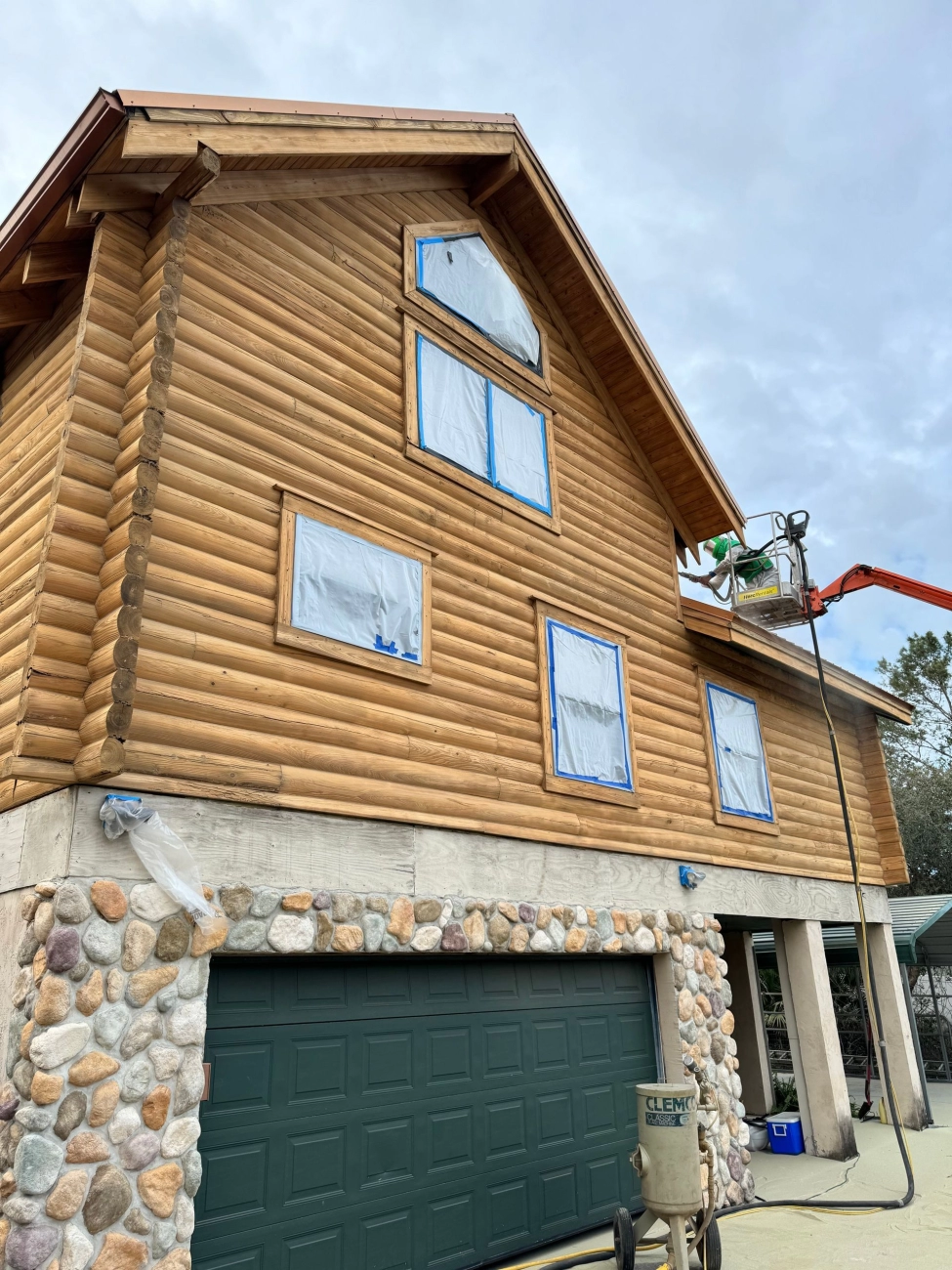
At Vast, we bring years of hands-on experience with glass bead blasting, serving a broad range of industries across the U.S. Our deep knowledge means we understand exactly how to deliver the right finish—whether you need satin surface finish, metal deburring, or rust removal techniques tailored for your project.
What Sets Vast Apart
| Expertise Area | What We Offer |
|---|---|
| Customized Media Selection | We match bead blast media to your specific needs |
| Precision Control | Low pressure blasting options for delicate parts |
| Industry Know-How | Skilled in anodized aluminum texturing and shot peening alternatives |
| Equipment Proficiency | Advanced blast cabinet setup ensuring consistent quality |
| Eco-Friendly Solutions | Use of sustainable, eco friendly abrasives |
We’re committed to getting your job done right the first time. From automotive restoration to aerospace components, our team knows how to optimize glass bead blasting techniques that save time and extend part life.
With Vast, you get more than just a service—you gain a partner who values quality, safety, and the best value for your investment.
Why Choose Vast for Your Glass Bead Blasting Needs Case Studies
At Vast, we’ve worked with a wide range of clients across industries in the United States, delivering top-notch glass bead blasting results every time. Here are a few real-world examples that show how we’ve helped businesses achieve their goals:
| Client Industry | Challenge | Solution | Outcome |
|---|---|---|---|
| Automotive Restoration | Remove rust without damaging surfaces | Low pressure glass bead blasting | Smooth satin finish, rust-free parts |
| Aerospace Manufacturing | Precise deburring on delicate metal | Custom bead blast media mix | Cleaner edges, improved product reliability |
| Food Processing Equipment | Sanitize and refine stainless steel surfaces | Eco friendly abrasive peening | Compliant surfaces free of contaminants |
| 3D Printing Service | Surface texturing for better paint adhesion | Satin finish glass bead blasting | Improved coating durability |
These case studies highlight how Vast adapts glass bead blasting techniques to fit specific needs—from rust removal to anodized aluminum texturing. Our expert setup and media customization make sure every job meets strict quality standards, helping customers save time and reduce costly rework.
If you need a reliable glass bead blasting partner with proven success in your field, Vast has the experience and equipment to get it done right.
Why Choose Vast for Your Glass Bead Blasting Needs Getting Started with Vast
Getting started with Vast is simple and hassle-free. We offer tailored solutions to fit your specific glass bead blasting needs, whether you’re a small business or large manufacturer. Here’s how to begin:
| Step | What to Expect |
|---|---|
| Contact Us | Reach out via phone or online form |
| Needs Assessment | We evaluate your project requirements and suggest the best bead blast media and equipment |
| Custom Quote | Receive a clear, competitive price estimate |
| Order & Delivery | Fast processing and reliable shipping across the U.S. |
| Support | Ongoing advice and troubleshooting whenever needed |
We focus on clear communication and quick turnaround times. Our team values your time and budget, making sure you get top-quality results without delays.
Choosing Vast means access to expert knowledge on satin surface finish, metal deburring, rust removal techniques, and low-pressure blasting. Plus, we provide eco-friendly abrasives and customized bead blasting setups to fit your workflow.
Getting started is easy—just contact our customer service team to discuss your project or visit our website to explore options. With Vast, you’re not just buying glass bead blasting supplies; you’re partnering with a reliable, experienced source that understands what Midwest and U.S. manufacturers need today.
 English
  Spanish (Peru)
  German
  Korean
  Spanish (Spain)
  Italian