
Find durable stainless steel meat mincer parts including blades plates augers and locking rings for home and commercial grinders with fast shipping.
If you’re dealing with a meat mincer that’s starting to drag or jam, chances are it’s time to check those crucial meat mincer parts. Whether you’re a home cook aiming for that perfect burger grind or a pro butcher running high-volume batches, knowing which parts wear out—and how to replace them—can save you time, money, and frustration. In this guide, we dive straight into the essential components—from blades and plates to augers and locking rings—arming you with the insights to keep your grinder running smooth and efficient. Ready to upgrade or repair your meat mincer with durable, reliable parts? Let’s get started.
Understanding Your Meat Mincer Types and Common Breakdowns
When it comes to meat mincers, knowing your machine inside and out can save time and frustration. There are two main types you’ll encounter: manual and electric. Manual mincers are great for home use—they’re simple, reliable, and perfect for small batches. Electric mincers, meanwhile, are built for speed and power, ideal for commercial kitchens or heavy-duty home use.
Anatomy Breakdown Core Components
Every meat mincer shares a few key parts that work together to make grinding easy:
- Auger: This spiral piece pushes meat toward the blades.
- Cylinder: Houses the auger and where the grinding happens.
- Grinding Plates and Knives: These blades cut the meat and determine the texture.
- Locking Ring Nut: Holds the plates and knives tightly in place.
Understanding these parts helps spot problems early and keeps your mincer running smoothly.
Pain Points and Signs of Wear
Sometimes, your grinder might not work like it used to. Watch for signs like:
- Dull grinding that feels harder and slower.
- Unusual noises like grinding or rattling.
- Uneven texture with chunks instead of smooth grind.
These are clues your parts need attention or replacement.
Home vs Commercial Mincer Vulnerabilities
| Feature | Home Mincer | Commercial Mincer |
|---|---|---|
| Usage Frequency | Occasional | Frequent, heavy-duty |
| Common Issues | Wear on blades, manual strain | Motor burnout, gear wear |
| Durability | Moderate | High, designed for constant use |
| Maintenance Needs | Simple cleaning, occasional blade sharpening | Regular servicing and part replacement |
Ready to keep your machine at peak performance? Browse Vast’s universal kits designed for your model to get all essential parts in one place.
Essential Meat Mincer Parts A Buyers Breakdown
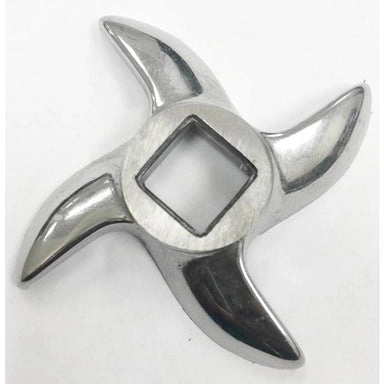
When it comes to meat mincer parts, knowing what each does helps you pick the right replacement and keep your grinder running smooth. Here’s a quick guide to the essential components every buyer should know:
- Grinding Plates and KnivesThese are the heart of your mincer. Plates come with different hole sizes—fine, medium, or coarse—to control grind texture. Stainless steel plates resist rust and last longer, while carbon steel edges are sharper but need more upkeep. Choose what fits your needs: stainless for durability, carbon for sharpness.
- Augers and ScrewsThe auger moves meat through the grinder. Some popular models have reverse-thread designs, which keep parts tight and reduce jams. Look for durable materials and proper fit for your model.
- Locking Rings, Bushings, and NutsThese small parts hold everything in place. They need to be tough and easy to install or remove when cleaning. Universal locking ring nuts are great for quick swaps without special tools.
- Accessories for EfficiencyTools like stompers push meat safely into the grinder, while funnels and sausage tubes expand your tool’s use. These add-ons boost safety and versatility.
Quick Specs Overview
| Part | Material | Price Range | Compatibility | Notes |
|---|---|---|---|---|
| Grinding Plates | Stainless or Carbon | $10–$40 | Model-specific | Match hole size to recipe |
| Augers and Screws | Steel or Alloy | $15–$50 | Model-specific | Reverse-thread popular in #22 |
| Locking Rings & Nuts | Steel/Universal | $5–$20 | Universal & model-based | Easy-install options available |
| Accessories | Plastic/Steel | $8–$30 | Model-specific | Includes sausage tubes, stompers |
Pro Tip
Matching meat mincer parts to your brand matters. Using the right parts prevents damage and keeps your grinder working like new. Check out Vast’s catalog images and compatibility charts to find parts that fit your model perfectly.
With reliable parts and the right accessories, you’ll enjoy smoother grinds and longer tool life—whether you’re a home cook or a pro butcher.
How to Replace Meat Mincer Parts Step-by-Step
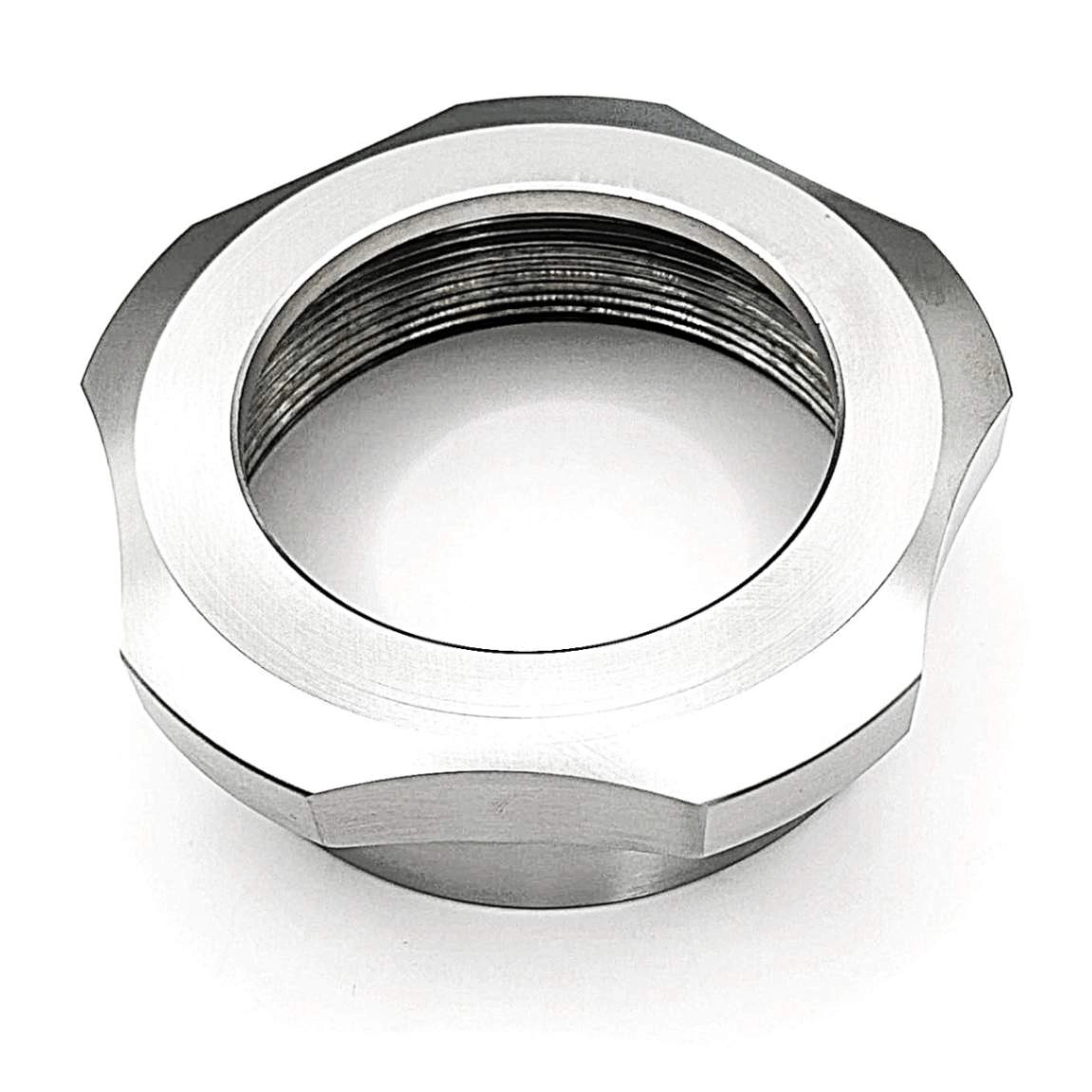
Replacing meat mincer parts doesn’t have to be a headache. Follow this simple guide to keep your machine running smoothly and safely.
Safety First
- Always unplug your electric mincer before you start.
- Wear gloves to protect your hands from sharp blades and plates.
- Work on a clean, flat surface.
Tools You’ll Need
- Screwdrivers (usually flathead and Phillips)
- Wrench or pliers (for locking nuts and rings)
- Cleaning brush or cloth
- Sharpening stone or knife sharpener for blades
Step-by-Step Replacement Tutorial
- Diagnose the Problem
Check for dull grinding plates, bent augers, or noisy operation. This helps pinpoint the worn part. - Remove Old Parts
Unscrew the locking ring nut and slide out the cylinder and auger. Take out the grinding plate and knife carefully. - Clean and Sharpen
Thoroughly clean all parts and sharpen blades if needed. This prevents uneven grinding and keeps texture consistent. - Install Vast Replacement Parts
Insert the new or sharpened knife, then the correct grinding plate. Slide the auger back into place inside the cylinder. - Secure with Locking Ring
Tighten the locking ring nut snugly but avoid overtightening, which can damage threads. - Test Run
Plug in and run a small batch of meat to check for smooth operation and consistent grind.
Local Tips for Fast Fixes
- Keep a spare set of plates and knives at hand for quick swapping.
- For manual mincers, lightly oil moving joints for smooth turning.
- Use Vast’s universal kits—they’re easy to install and fit popular U.S. home and commercial models.
Troubleshooting Table
| Issue | Likely Part | Vast Fix |
|---|---|---|
| Dull grind, coarse texture | Grinding plates or knives | Replace with stainless steel plates and sharpen knives |
| Noisy or tough to turn | Auger or locking ring nut | Swap worn auger, tighten or replace locking ring |
| Meat jams or stalls | Cylinder or auger | Clean parts, check alignment, replace if worn |
Order your Vast meat mincer parts today with same-day dispatch and get back to grinding without delay.
Choosing the Right Meat Mincer Parts for Your Needs
Whether you’re a casual home cook or a professional butcher, choosing the right meat mincer parts makes a big difference in performance and durability.
Home User vs Commercial Buyer
- Home Users usually need parts that are easy to install and clean, suitable for occasional use. You want good quality without breaking the bank.
- Professional Butchers rely on heavy-duty parts that can handle high volume and constant use. Longevity and resistance to wear are top priorities here.
Key Factors to Consider
- Grind Fineness – Different grinding plates come with various hole sizes to achieve your preferred texture, from coarse to fine.
- Material and Longevity – Stainless steel parts are ideal for durability and rust resistance, while carbon steel edges can stay sharper longer but need more care.
- Sustainability – Eco-friendly stainless steel options are popular for being long-lasting and recyclable, helping reduce waste.
Comparison Chart Vast vs Generics
| Feature | Vast Parts | Generic Parts |
|---|---|---|
| Material Quality | Premium stainless steel | Mixed metals, less durable |
| Fit and Compatibility | Designed for specific models | Often one-size-fits-all, less precise |
| Longevity | High, backed by warranty | Varies, shorter lifespan |
| Price Range | Moderate, better value over time | Lower upfront cost |
Ready to get the perfect fit? Take our quiz to customize your Vast meat mincer parts bundle designed just for your model and grind style.
Maximizing Longevity Pro Tips and Upgrades
Keeping your meat mincer in top shape means less downtime and better results every time. Here’s how to maximize the lifespan of your meat grinder parts with simple routines and smart upgrades.
Maintenance Routine
- Weekly oiling: Apply food-safe mineral oil to the auger and other moving parts after each use to prevent rust and keep the mechanism smooth.
- Seasonal deep cleans: Take apart the mincer quarterly for a thorough clean. Remove grinding plates, knives, and bushings, then soak and scrub to remove buildup.
- Knife sharpening: Keep your blades sharp for efficient grinding and less wear on your motor and auger.
Upgrade Options
- Reverse-auger kits: These handy kits help clear jams quickly, saving you time and reducing stress on parts.
- Durable replacement parts: Investing in stainless steel plates and knives means longer life and better hygiene compared to cheaper carbon steel options.
- Accessories like sausage stuffer tubes and stomper tools: They make your grinder more versatile and improve efficiency without adding much cost.
Cost-Saving Calculations
Replacing worn parts early with quality components from Vast can save you money in the long run by avoiding costly repairs and downtime. Our parts are designed to fit perfectly and last longer than generic alternatives.
Community Spotlight
Local restaurateur Mike from Austin swears by Vast’s replacement kits. “Switching to Vast parts not only improved my prep times but saved me hundreds on repairs last year.” Stories like Mike’s show how quality parts and regular upkeep make a huge difference in busy kitchens.
Ready to extend the life of your meat mincer? Browse Vast’s universal kits tailored to your model and keep your grinder running like new year-round.
 English
  Spanish (Peru)
  German
  Korean
  Spanish (Spain)
  Italian