
Discover expert mechanical polishing techniques for precision surface finishing with abrasive methods, tools, and industry applications explained.
If you’re aiming for flawless surfaces and unmatched precision, mechanical polishing is a game-changer you can’t overlook. Whether you’re in manufacturing, aerospace, or optics, mastering this technique means turning rough, uneven parts into smooth, high-performance components that stand out. This process isn’t just about shine—it’s about accuracy, durability, and unlocking material potential without relying on chemicals. Ready to dive into the essentials and see how mechanical polishing can elevate your workflow? Let’s get started.
Understanding the Fundamentals: What Is Mechanical Polishing?
Have you ever wondered how rough metal or glass surfaces become smooth and shiny? That’s the essence of mechanical polishing—a process that physically removes material from a surface using abrasives. Unlike chemical methods like Chemical Mechanical Planarization (CMP), which combines chemical and mechanical action, mechanical polishing relies purely on physical abrasion to achieve a refined surface.
At its core, mechanical polishing involves rubbing an abrasive material against the workpiece to gradually reduce surface roughness. Key factors influence how effective this process is, including:
- Material removal rate: How fast material is worn away depends on abrasive type, pressure, and speed.
- Surface roughness: The goal is to minimize surface irregularities for a smooth finish.
- Workpiece hardness: Harder materials require different abrasives and more time.
- Operator skill and equipment settings: Consistency is key for quality results.
Mechanical polishing has come a long way from the early days of hand polishing. Originally, craftsmen used simple abrasives like sand or fine powders manually. Today, the process is mostly automated, involving precision machines that deliver high speed and repeatability for industrial scale work.
One common misconception is confusing mechanical polishing with CMP, especially in semiconductor manufacturing. While CMP uses chemicals to aid material removal and achieve ultra-flat surfaces, mechanical polishing strictly involves abrasion without chemical action. This distinction is important, especially when working with heat-sensitive materials that can be damaged by chemical processes, making mechanical polishing a safer choice.
In , mechanical polishing is a straightforward yet versatile surface finishing method based on physical abrasion. Understanding its core mechanics and limitations is key to selecting the right approach for your project.
Types of Mechanical Polishing: Choosing the Right Approach for Your Needs
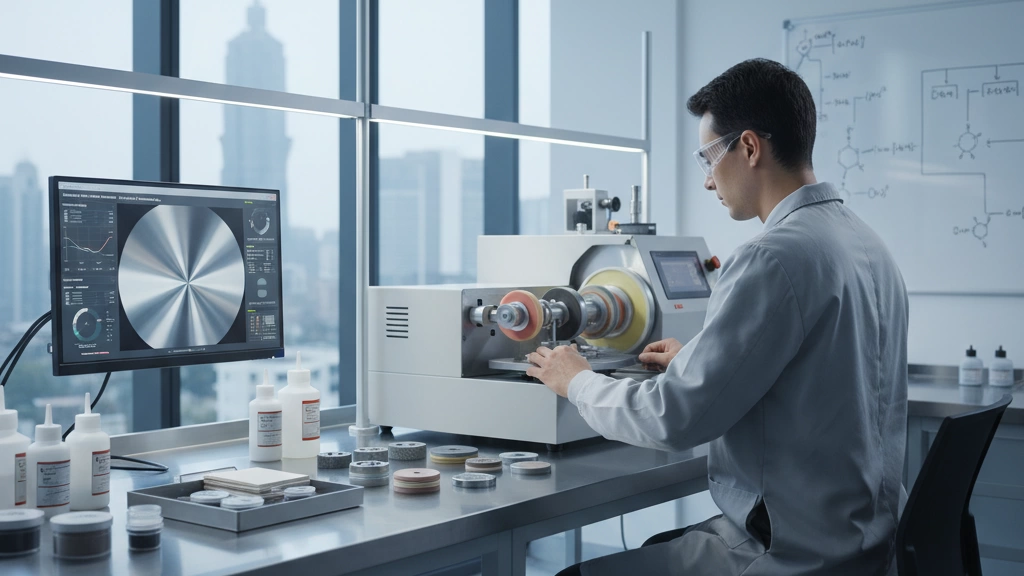
Mechanical polishing comes in several types, each suited for different materials and finishes. Here’s a quick breakdown to help you pick the best fit:
Coarse Grinding and Lapping
- Uses diamond or silicon carbide abrasives
- Ideal for tough metals and ceramics
- Removes material fast and shapes rough surfaces
Fine Polishing and Buffing
- Uses felt wheels, soft pads, and fine compounds
- Perfect for ultra-smooth finishes on optics, jewelry, and delicate metals
- Gives a glossy, defect-free surface
Specialized Variants
- Vibratory polishing: Batch processing of smaller parts, great for consistent finish on multiple items
- Superfinishing: Polishes cylindrical parts like shafts and bearings to reduce friction
Comparison Table: Types vs. Material Compatibility, Speed, Cost, Finish Quality
| Polishing Type | Materials | Speed | Cost | Finish Quality |
|---|---|---|---|---|
| Coarse Grinding | Metals, ceramics | Fast | Moderate | Rough to smooth |
| Lapping | Hard metals, glass | Moderate | Moderate | Very smooth |
| Fine Polishing | Jewelry, optics, metals | Slower | Higher | Ultra-smooth, shiny |
| Buffing | Soft metals, plastics | Fast | Low | Glossy, reflective |
| Vibratory Polishing | Small parts, batches | Moderate | Medium | Consistent finish |
| Superfinishing | Cylindrical metal parts | Slow | High | Ultra-precise |
Choosing the right method boils down to your material type, desired surface finish, budget, and production scale. For example, if you work with delicate lenses, fine polishing and buffing is your best bet. For bulk metal parts, vibratory or coarse grinding works well.
The Mechanical Polishing Process: A Step-by-Step Guide
Mechanical polishing starts with preparation. First, assess the surface for any deep scratches or contaminants. Clean it thoroughly to remove oils, dirt, or debris. If needed, use masking tape or protective coatings to shield delicate areas from unwanted abrasion.
Next comes abrasive selection and setup. Choose the right abrasive grit starting from coarse to fine—this helps control the material removal rate and surface roughness. For tougher metals, diamond or silicon carbide abrasives work well, while softer materials benefit from finer, gentler abrasives. Set up your polishing tools—whether it’s felt wheels, buffing pads, or vibratory polishers—and don’t forget lubricants like water or oils to reduce heat and prevent clogging.
The execution steps break down into three stages:
- Initial roughing: Remove major surface flaws with coarse abrasives.
- Intermediate smoothing: Use medium grit to blend scratches and refine the surface.
- Final buffing: Apply fine polishing compounds to deliver that mirror-like finish.
Once done, move on to post-process inspection. Use microscopy, profilometry, or interferometry tools to check for surface defects and measure roughness, ensuring your finish meets quality standards.
Pro Tip: For consistent results and larger-scale work, invest in precision polishing kits. These kits combine abrasive sets, tools, and guides designed to streamline the entire process, perfect for shops across the US looking for reliability and repeatability.
Essential Equipment and Materials for Effective Mechanical Polishing
To get top-notch results with mechanical polishing, having the right gear is key. Here’s what you’ll need:
Core Tools
- Polishing wheels: Felt, cloth, or foam wheels are standard depending on the finish you want.
- Polishing compounds: These come in various grits and types—diamond, aluminum oxide, or rouge—to match your material and finish goals.
- Machines: Bench grinders and CNC polishers are common choices. CNC units offer precision and consistency, great for larger or complex jobs.
Material-Specific Abrasives
Choosing abrasives depends on what you’re polishing:
- Stainless steel: Use silicon carbide or diamond abrasives for durability and smoothness.
- Glass and ceramics: Fine diamond abrasives work best to avoid micro-cracks.
- Composites: Softer abrasives like aluminum oxide prevent damage while polishing delicate layers.
Safety and Efficiency Add-Ons
- Dust extraction systems: Crucial for keeping your workspace clean and protecting your lungs from fine particles.
- Ergonomic holders: Help reduce hand fatigue during longer polishing jobs, improving control.
- Automation: Automated polishers speed up repetitive jobs and offer consistent quality.
Buyer’s Guide: What to Look For
When picking polishing equipment, especially for industrial use, keep these in mind:
- Durability: Machines should stand up to heavy, continuous use.
- Versatility: Look for tools that handle a range of materials and finishes.
- Ease of maintenance: Quick-change wheels and simple cleaning keep downtime low.
- Safety features: Include guards and emergency stops for accident prevention.
Having the right setup tailored to your materials and volume helps make mechanical polishing faster, safer, and more precise—an essential for any workshop or production line in the US market.
Applications Across Industries: Where Mechanical Polishing Makes a Difference
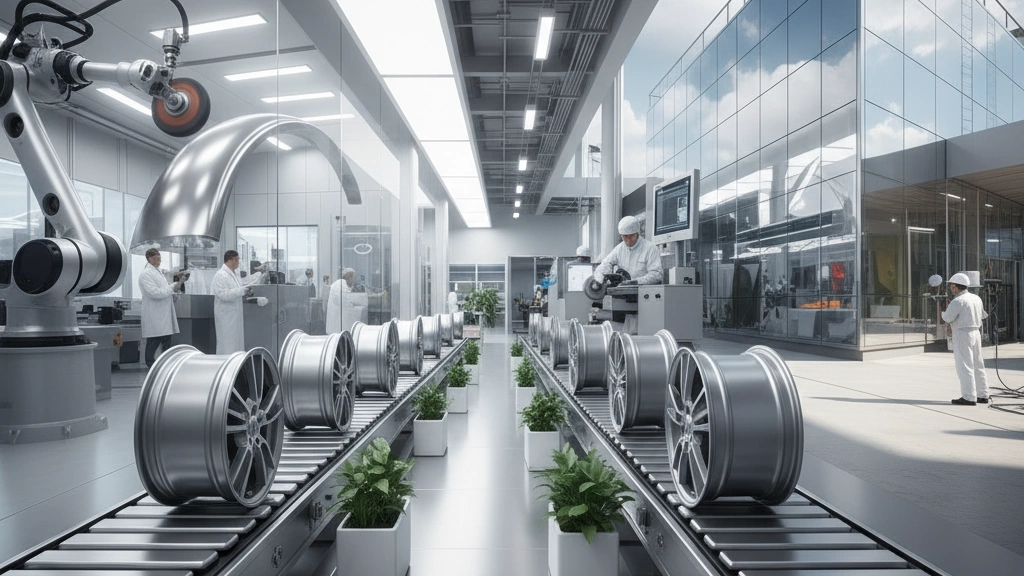
Mechanical polishing is used widely across many fields in the U.S., thanks to its ability to deliver smooth, defect-free surfaces and improve part performance. Here’s a quick look at key industries and how they benefit:
| Industry | Applications | Benefits |
|---|---|---|
| Manufacturing & Fabrication | Automotive metal parts, gear components | Reduces friction, extends part life |
| Electronics & Semiconductors | Wafer prep, CMP hybrid polishing | Ensures flat surfaces, better conductivity |
| Optics & Medical Devices | Lenses, implants | Creates defect-free, precise finishes |
| Aerospace & Jewelry | Turbine blades, custom rings | Enhances durability and aesthetics |
| Emerging Fields | Additive manufacturing post-processing, renewable energy parts | Finishes complex shapes, improves efficiency |
Key Industry Highlights
- Manufacturing & Fabrication: Polishing supports automotive parts by smoothing gears and engine components which cuts down wear and tear.
- Electronics & Semiconductors: Mechanical polishing works hand-in-hand with chemical methods (CMP) to prep semiconductor wafers, making sure surfaces are ultra-flat and clean for chip production.
- Optics & Medical Devices: Precision in polishing means lenses and implants have no defects, improving clarity and biocompatibility.
- Aerospace & Jewelry: Strong, polished turbine blades resist stress better, and jewelry benefits from flawless finishes that hold up over time.
- Emerging Uses: As 3D printing grows, mechanical polishing smooths out printed parts, reducing flaws. Renewable energy tech, like solar panels and wind turbines, also sees improved performance with polished components.
In today’s U.S. market, mechanical polishing is essential for quality control and product reliability, making it a go-to finishing technique for a variety of industries.
Advantages and Limitations of Mechanical Polishing
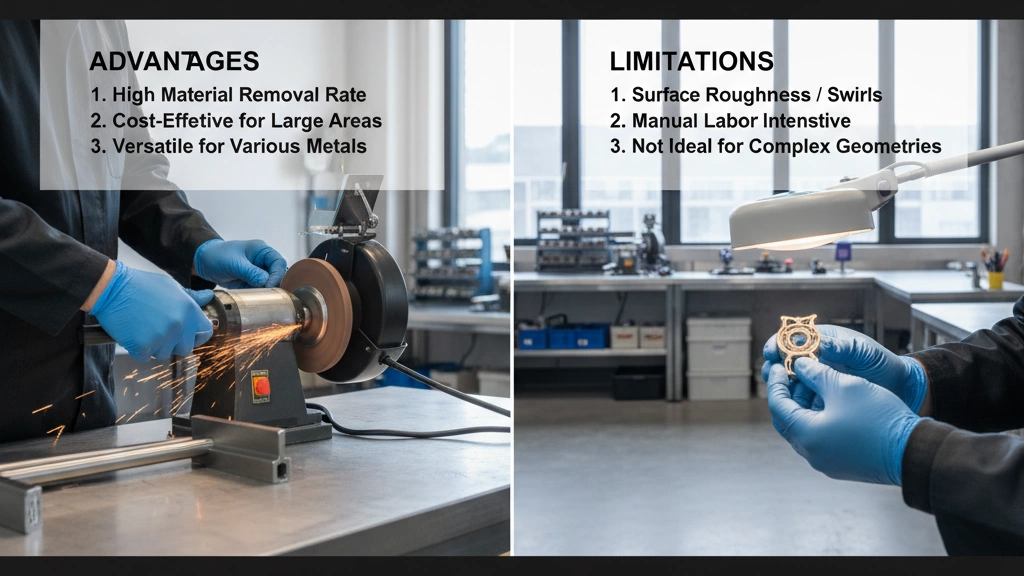
Mechanical polishing offers several clear benefits, especially for businesses in the U.S. market looking for efficient surface finishing techniques. Here’s what you gain and what to watch out for:
Key Benefits
- Cost-effective: Mechanical polishing tools and abrasives are generally affordable, making it a budget-friendly choice for many industries.
- Precise finish control: You can easily adjust pressure, abrasive grit, and polishing time to achieve the exact surface roughness needed.
- Versatility: Suitable for a wide range of materials—from metals and ceramics to glass and composites.
- Faster processing: Compared to purely chemical alternatives, mechanical polishing speeds up material removal and surface preparation significantly.
Potential Drawbacks
- Subsurface damage: Aggressive polishing may cause micro-cracks or heat-affected zones below the surface, affecting durability.
- Heat buildup: Friction can generate heat, risking warping or distortion, especially on heat-sensitive materials.
- Labor intensity: Manual polishing requires skill and can be time-consuming without automation.
Mitigation Strategies
- Hybrid approaches: Combining mechanical and chemical polishing (like CMP in semiconductors) helps minimize surface damage and improves finishing quality.
- Quality controls: Regular calibration, proper abrasive selection, and process monitoring reduce inconsistency and defects.
Overall, mechanical polishing strikes a solid balance of efficiency and quality when you tailor it correctly. With the right setup and care, it’s a dependable choice for precision metal polishing and surface roughness reduction in many U.S.-based industries.
Troubleshooting Common Issues: Solutions for Flawless Results
Mechanical polishing can deliver great results, but sometimes issues pop up. Here’s how to troubleshoot common problems to keep your surfaces smooth and defect-free.
Surface Defects: Causes and Fixes
- Pits and scratches: Often caused by debris trapped between the abrasive and workpiece or using a grit that’s too coarse.
Fix: Clean the surface and tools thoroughly between grit changes, and use finer abrasives for finishing steps. - Haze or cloudy finishes: Usually from overheating or improper lubricant use during polishing.
Fix: Lower polishing speed, increase lubricant flow, and allow cooling breaks.
Process Inconsistencies
- Uneven material removal: Can result from uneven pressure, worn polishing pads, or misaligned machines.
Fix: Regularly calibrate your equipment, apply consistent pressure, and replace pads as needed. - Calibration tips: Use test samples to check removal rates before starting production, and keep detailed logs to spot drift over time.
Material Challenges
- Hard alloys: Require diamond abrasives or specialized polishing wheels to avoid surface damage.
Tip: Start with coarser grits and progress carefully to avoid micro-cracking or overheating. - Soft metals: Easily distorted under pressure or heat, leading to surface warping.
Tip: Use lighter pressure, softer pads, and plenty of lubricant.
FAQ Section
- How long does mechanical polishing take?
It depends on material and finish desired—anywhere from minutes for small jobs to hours for ultra-fine finishes. - What materials can be polished mechanically?
Metals, ceramics, glass, and composites are common. Some heat-sensitive materials benefit from gentler polish methods.
By spotting these issues early and applying these fixes, you’ll get consistent, high-quality surface finishing every time.
Best Practices and Innovations: Elevating Your Mechanical Polishing Game
To get the most out of mechanical polishing, it helps to follow some best practices and keep an eye on new tech.
Optimization Tips
- Variable speeds: Adjust polishing speeds based on material and grit size for better surface finish and longer tool life.
- Environmental controls: Maintain clean, dust-free workspaces with proper ventilation to reduce defects caused by contaminants.
- Waste minimization: Use the right amount of abrasives and lubricants to cut down on waste and lower costs.
Sustainability Focus
- Switch to eco-friendly abrasives, like biodegradable compounds or recycled materials.
- Implement recycling programs for used polishing pads and slurry to reduce environmental impact and comply with local regulations.
Future Trends
- AI-driven monitoring: Smart polishing machines can adjust settings in real-time based on surface feedback, improving consistency without guesswork.
- Nanotechnology abrasives: These super-fine abrasives are leading the way to ultra-smooth finishes for high-tech industries like semiconductors and optics.
Ready to boost your polishing results? Consider expert consultation services to customize your setup for your specific needs and materials—getting professional help often saves time and money in the long run.
 English
  Spanish (Peru)
  German
  Korean
  Spanish (Spain)
  Italian