
Precision casting stainless steel parts with superior corrosion resistance complex geometries and custom alloy options for demanding industries.

Casting Stainless Steel: Product Overview
Looking for durable, corrosion-resistant parts with precise shapes? Stainless steel casting offers an efficient solution for producing complex components that meet high-performance demands across industries. Whether you need small, intricate stainless steel prototypes or large, robust castings, our expertise covers it all.
We specialize in casting stainless steel using advanced methods like investment casting (lost wax) and sand casting to deliver parts with excellent surface finishes, tight tolerances, and superior mechanical properties. Our wide selection of stainless steel alloys—including austenitic, martensitic, duplex, and heat-resistant grades—ensures the perfect fit for your application.
From automotive to medical, offshore to food processing industries, our casting stainless steel services provide reliable, high-quality solutions designed to reduce machining costs and speed up your production. Explore our stainless steel casting options to get strong, corrosion-resistant parts made to your exact specifications.
Key Benefits of Stainless Steel Casting
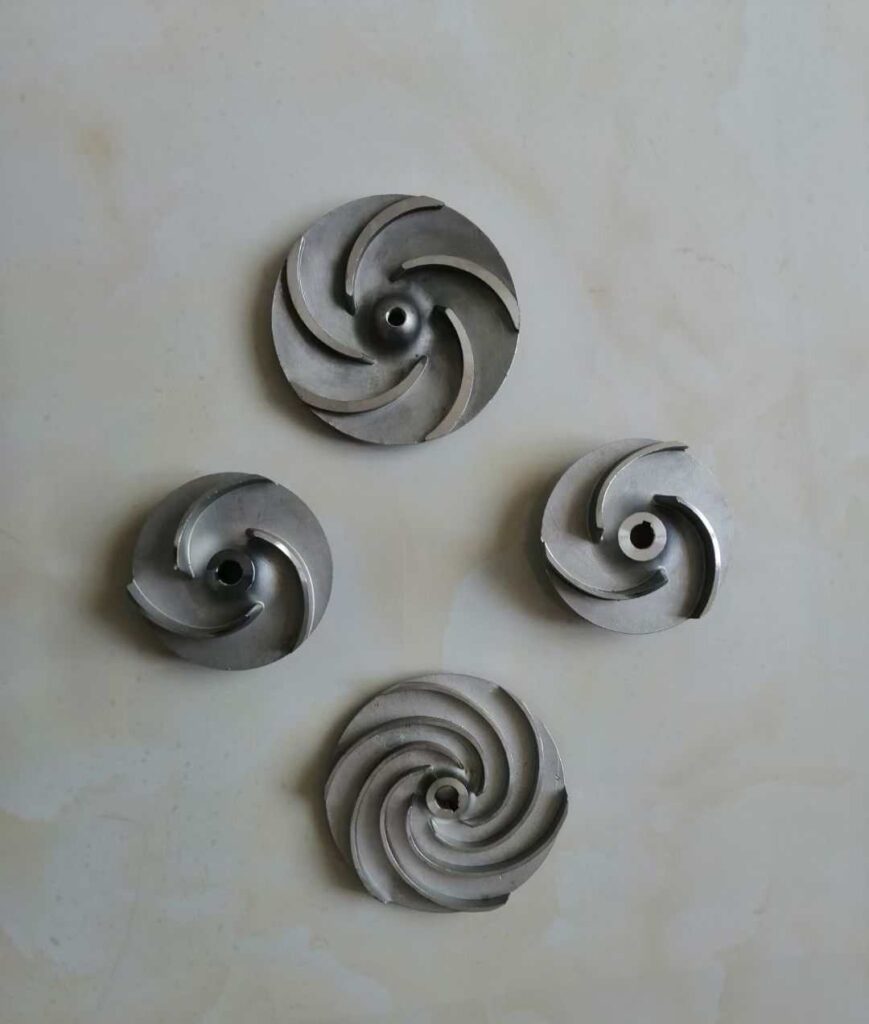
Stainless steel casting offers clear advantages for a wide range of applications. Here’s why it stands out:
- Superior corrosion and heat resistance Stainless casting withstands harsh environments, making it ideal for marine, chemical, and high-temperature uses.
- High strength-to-weight ratio and durability Cast stainless steel parts deliver strong performance with long service life while keeping weight manageable.
- Complex geometries with tight tolerances (CT4-CT6) Precision stainless casting produces intricate shapes and close dimensional control, reducing the need for extra machining.
- Reduced machining and assembly costs Near-net-shape casting means less finishing work, cutting down on labor and time.
- Excellent surface finish (as-cast or polished) Whether left as-cast or polished, stainless steel castings achieve smooth, attractive surfaces suited for both function and appearance.
| Benefit | Why It Matters |
|---|---|
| Corrosion & Heat Resistance | Lasts longer in tough conditions |
| High Strength-to-Weight Ratio | Durable yet lightweight parts |
| Complex Geometries (CT4-CT6) | Precision fit, less rework |
| Lower Machining & Assembly Costs | Saves time and money |
| Superior Surface Finish | Ready for multiple end-uses |
These key benefits make stainless steel casting a go-to choice for quality, strength, and cost-effective parts.
Casting Processes Offered
We specialize in two main stainless steel casting processes to fit different project needs:
- Investment casting (lost-wax/silica sol): Ideal for precision stainless casting. This method delivers high accuracy, excellent surface finish, and complex geometries, perfect for intricate parts where tight tolerances matter.
- Sand casting: Best suited for larger cast stainless steel parts and components. It’s cost-effective for big or heavy items, offering flexibility in size and design but with looser tolerances compared to investment casting.
Casting Methods Comparison
| Feature | Investment Casting | Sand Casting | Other Methods |
|---|---|---|---|
| Precision | High (CT4-CT6) | Moderate | Varies |
| Surface Finish | Excellent (as-cast or polished) | Rougher, may require machining | Depends on method |
| Size Range | Small to medium (typically ≤1000 mm) | Medium to large (>1000 mm) | Varies |
| Complexity | Complex shapes, thin walls | Simple to moderately complex | Varies |
| Cost | Higher per part | Lower for large volumes or sizes | Varies |
| Typical Applications | Precision parts, aerospace, medical | Heavy-duty components, marine | Varies |
Investment casting stainless steel is often the go-to for precision stainless casting needs, while sand casting stainless steel works well for bigger, less detailed components.
For custom stainless components, the choice depends on your project’s size, complexity, and budget. If you want accuracy and tight tolerances, investment casting is best. For larger pieces with volume needs, sand casting is usually more practical.
Learn how design details like rounded edges affect cast parts in our fillet corner design guide, which can help you choose the right casting method for your project.
Material Grades and Alloy Selection Guide
Choosing the right stainless steel casting alloy is crucial to match your application’s needs. Here’s a quick overview of common grades and what they offer:
- Austenitic (304/304L, 316/316L, 317L): The most popular stainless casting options, known for excellent corrosion resistance, good weldability, and toughness. 316 and 317L offer extra resistance to chlorides, making them ideal for marine and chemical environments.
- Martensitic (410, 420): Stronger and harder, these alloys are great for applications requiring wear resistance and moderate corrosion protection, like valves or pump components.
- Precipitation Hardening (17-4PH, 15-5PH): These offer a good balance of strength and corrosion resistance thanks to heat treatment. Perfect when precision and toughness are needed together.
- Duplex/Super Duplex (2205, 2507): Combining the best of austenitic and ferritic steels, duplex grades offer superior strength and outstanding resistance to stress corrosion cracking, often used in offshore, petrochemical, and harsh environments.
- Heat-Resistant Alloys (309, 310): Designed to withstand extreme temperatures without losing strength or corrosion resistance, useful in high-heat industrial settings.
- Custom Alloy Development: When standard grades don’t cut it, custom alloys can be formulated to meet specific mechanical or environmental requirements.
Here’s a handy material comparison chart summarizing mechanical properties, corrosion resistance, and typical applications to help you decide the best stainless casting alloy for your project. For complex precision parts, pairing the right alloy with advanced casting processes ensures optimal results.
We also offer design assistance to help optimize your choice before casting. For support post-casting, check out our detailed guides on mastering CNC machine operations to achieve the best finish and dimensional accuracy.
Capabilities and Specifications of Stainless Steel Casting
Our casting stainless steel services cover a wide range of needs, from tiny prototypes to large, heavy parts.
| Specification | Details |
|---|---|
| Weight range | From 0.05 kg up to 500+ kg |
| Maximum size | Up to 1000 mm (1 meter) |
| Tolerances | ±0.05 mm, meeting ISO 8062 CT4-CT6 standards |
| Surface finish | From Ra 3.2 μm (as-cast) up to polished finishes |
| Production volumes | One-off prototypes to high-volume runs |
In-House Services
- Design assistance to optimize parts for casting
- CNC machining for precision finishing and tight tolerance control
- Heat treatment to enhance mechanical properties
- Surface finishing including polishing, shot blasting, and coating
Our all-in-one capabilities let you go from concept to finished stainless casting efficiently, saving you time and reducing costs. For precision post-casting work, check out our detailed CNC milling precision guide to understand how we achieve ultra-accurate tolerances.
Industries and Applications
Stainless steel casting plays a vital role across many industries thanks to its strength, corrosion resistance, and versatility. Key sectors include:
- Automotive and aerospace: Durable, heat-resistant cast stainless steel parts withstand demanding conditions in engines, exhaust systems, and structural components.
- Marine and offshore: Duplex and super duplex stainless castings handle harsh saltwater environments, ideal for pumps, valves, and structural parts.
- Petrochemical: Corrosion-resistant castings meet the strict demands of chemical processing plants, ensuring safety and longevity.
- Medical and food processing: Stainless steel’s hygienic properties make it perfect for pharmaceutical equipment, dairy processing, and food-grade pumps and valves.
- Pharmaceutical and dairy equipment: Precision stainless steel casting ensures contamination-free, corrosion-resistant parts for critical applications.
These industries rely on stainless steel casting for reliable components that deliver long service life in tough, corrosive environments. Our expertise also covers custom stainless components tailored to specific application needs.
Explore our design for casting guidelines to optimize your parts for these demanding industries.
Quality Assurance and Certifications
When it comes to casting stainless steel, quality is non-negotiable. We strictly follow ISO 9001 standards and ASTM guidelines to ensure every stainless steel casting meets or exceeds industry expectations. Our chemical and mechanical testing protocols guarantee that the material properties align perfectly with your project requirements.
We also use advanced non-destructive testing methods—such as radiography, ultrasonic, and magnetic particle inspection—to detect any internal or surface imperfections without damaging the parts. This helps maintain the integrity of each cast stainless steel component.
Additionally, full material traceability is maintained from raw material to finished product, ensuring transparency and accountability throughout the process. We also comply with environmental regulations like RoHS and REACH, so you can trust our stainless castings are both high quality and eco-friendly.
Why Choose Vast for Stainless Steel Casting
When it comes to casting stainless steel, Vast stands out with:
- Decades of experience in stainless steel casting, ensuring expert handling of your precision parts.
- Competitive pricing paired with fast lead times—typically 4 to 6 weeks from order to delivery.
- A reliable global supply chain that guarantees quick shipping no matter where you are.
- Real-world proof through customer testimonials and case studies showcasing our consistent quality and service.
| Feature | Vast Benefits |
|---|---|
| Expertise | 20+ years in stainless casting |
| Lead Time | 4-6 weeks |
| Pricing | Competitive and transparent |
| Shipping | Global, fast, and reliable |
| Customer Feedback | Verified testimonials and case studies |
Choosing Vast means you get precision stainless casting backed by a team that understands your needs and delivers on time without compromising quality. For precision parts, explore our affordable precision CNC machining services to complement your castings.
Technical Resources and Support
We provide practical technical resources to help you make the most of casting stainless steel:
- Downloadable Alloy Selection Guides: Clear charts to choose the right stainless steel grade for your needs, whether it’s 304 stainless casting for general use or duplex stainless casting for harsh environments.
- Design for Casting Guidelines: Tips and best practices to optimize your designs for precision stainless casting and reduce production costs. Proper design ensures better tolerance control and reduces machining, so your parts come out right the first time.
- Post-Processing Capabilities and Advice: Guidance on finishing options like polishing or brushing to improve surface finish and performance. Check out our brushed finishing guide for metals for helpful insights.
| Resource Type | Key Benefits | Notes |
|---|---|---|
| Alloy Selection Guides | Informed metal choice | Covers austenitic, martensitic, duplex |
| Design Guidelines | Reduce errors & costs | Includes casting tolerances & fits (ISO 8062 CT4-CT6) |
| Post-Processing Advice | Enhances surface quality | Options range from as-cast to mirror polish |
These tools help streamline your process from prototype to production, ensuring your stainless steel casting projects run smoothly with quality results.
FAQ: Common Questions About Stainless Steel Casting
How corrosion resistant are stainless steel castings?
Stainless steel castings are known for excellent corrosion resistance, especially grades like 316 and duplex stainless steel. They perform well in harsh environments such as marine, chemical, and food processing industries, resisting rust and pitting better than other metals.
How does casting stainless compare to forging and machining in cost?
Casting stainless steel parts often costs less than forging or machining, especially for complex shapes and medium to large production runs. Casting reduces material waste and machining time, lowering overall expenses while offering precision and strength.
What are the minimum order quantities and prototyping options?
We accommodate both small prototype runs and high-volume production, with no strict minimum order requirements for many projects. This flexibility helps you test designs with precision stainless casting before scaling up.
What lead times and customization options do you offer?
Typical lead times range from 4 to 6 weeks, depending on complexity and volume. We provide full custom alloy selection, design assistance, and post-casting services to meet unique project needs and ensure fast delivery.
If you need detailed technical advice on stainless steel casting, check out our design and post-processing guides or contact us directly.
Contact and Next Steps
Ready to start your stainless steel casting project? Use our easy request a quote form to upload your CAD files and get a fast, accurate estimate tailored to your exact needs. Whether you’re after precision stainless casting or larger cast stainless steel parts, we’re here to help.
Have questions or need immediate support? Reach out via our contact details or jump into live chat. Our experts are available to guide you through material choices, casting methods, lead times, and custom options for your stainless casting requirements.
Connect with us today to turn your design into high-quality stainless steel castings that meet your specs, budget, and timeline.
 English
  Spanish (Peru)
  German
  Korean
  Spanish (Spain)
  Italian