
Explore precision turning parts manufacturing with high-volume CNC machining, tight tolerances, and custom metal solutions for automotive aerospace and more.
The Fundamentals of Turning Parts Manufacturing
Turning parts manufacturing is a precision-driven process vital for producing cylindrical components used across various industries. At its core, turning involves rotating a metal workpiece while a cutting tool shapes it to the desired dimensions, ensuring tight tolerances and smooth finishes.
Overview of the Core Process
Turning starts by securely mounting the raw material—often metal rods or bars—into a lathe machine. As the material spins, a cutting tool moves linearly to remove excess material, gradually forming the final shape. This process can be manual, but most modern operations rely on CNC turned components for greater accuracy, repeatability, and speed.
Step-by-Step Breakdown
- Setup: Select the correct raw material and fix it in the lathe chuck.
- Tool Selection: Choose precise cutting tools based on the material and desired finish.
- Program Input: For CNC turning, input the part specifications into the machine’s control panel.
- Machining: The cutting tool moves in controlled patterns, removing material.
- Inspection: Measure the part for accuracy, checking tolerances.
- Finishing: Apply any additional processes such as polishing or threading.
Tools and Technology
Advances in turning technology have elevated capabilities significantly:
- Precision lathe machining uses high-speed CNC machines for exacting results.
- Swiss screw machining allows for ultra-small, intricate parts.
- Multi-axis lathes improve efficiency for complex geometries.
- Cutting tools often feature carbide or ceramic inserts for durability and sharper finishes.
Together, these tools and methods create a foundation that supports custom metal turning services tailored to diverse production needs. Whether producing a single prototype or handling high-volume CNC turning, mastering the fundamentals of turning manufacturing leads to quality, cost-effective outcomes.
Materials in Focus
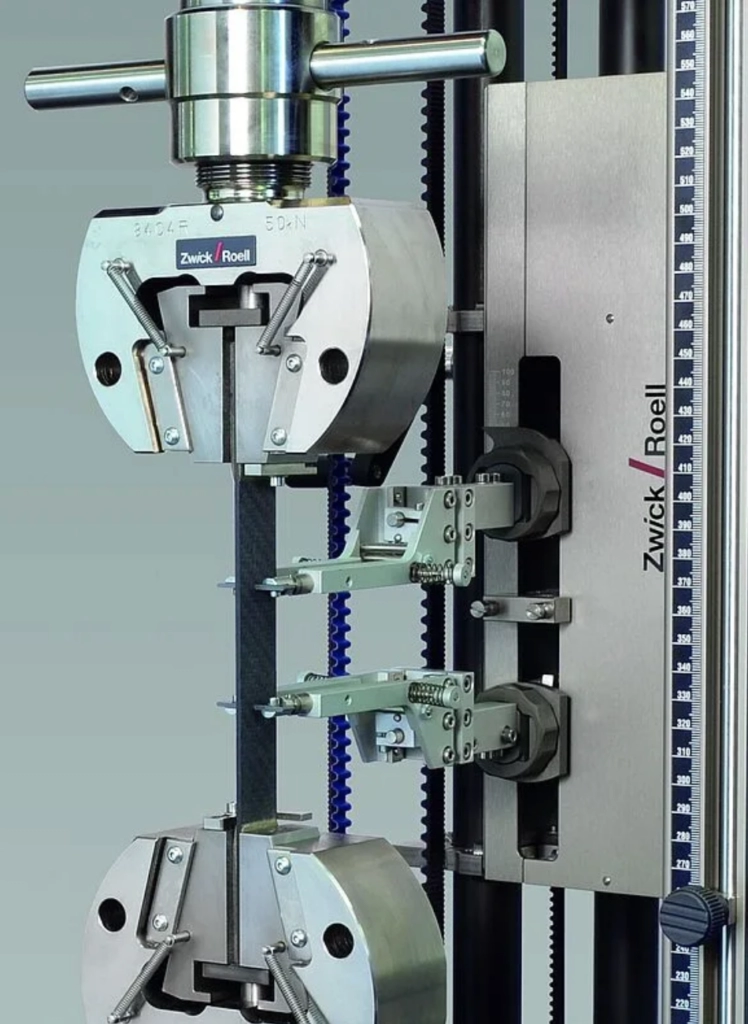
Choosing the right material is key in turning parts manufacturing. The core properties that drive material selection include strength, machinability, corrosion resistance, and thermal stability. These factors impact both the precision lathe machining process and the final product’s performance.
Breakdown by Material Type
- Metals: Steel and stainless steel are popular for durability and strength. Brass turned parts are great for decorative or electrical applications due to their conductivity and finish.
- Aluminum: Lightweight and easy to machine, aluminum suits prototype turning production and automotive turned fittings that require precision but less weight.
- Plastics: Sometimes used for custom metal turning services alternatives where corrosion resistance and low weight are priorities.
Application Matching
For industries like aerospace precision parts or automotive turned fittings, materials must meet strict tolerances in turned manufacturing. Steel alloys often dominate here. For high-volume CNC turning in local U.S. factories, aluminum and brass are preferred for fast turnaround and cost-efficiency.
Local Angle
Working with local turning parts manufacturing facilities in the U.S. means you get faster communication, quicker prototyping, and easier customization. Many factories here can also handle Swiss screw machining for complex, small parts, a big plus if you’re sourcing domestic precision components. This local accessibility helps meet tight project deadlines and reduces shipping delays compared to overseas manufacturing hubs.
Applications Across Industries
Turning parts manufacturing plays a huge role across many industries in the United States. From automotive to aerospace, the demand for CNC turned components and precision lathe machining is strong. Automotive turned fittings, for example, require high-volume CNC turning with tight tolerances to ensure durability and safety in vehicles. In aerospace, precision parts need to meet even stricter standards, often made through Swiss screw machining for complex, small components.
Other key sectors include electronics, medical devices, and industrial equipment, where prototype turning production helps companies test designs quickly before full-scale runs. Brass turned parts suppliers are popular in plumbing and electrical parts due to brass’s durability and corrosion resistance.
Emerging trends focus on customization and faster turnaround times, with more factories in China offering affordable yet high-quality custom metal turning services. Local manufacturers in the U.S. are also adopting more automation and smart machining technologies to stay competitive.
By integrating these various approaches, manufacturers can tailor turning parts to meet exact needs, whether it’s one-off prototypes or thousands of parts for steady production lines. This flexibility makes turning parts manufacturing a critical element of modern industrial supply chains.
Key Benefits and Challenges of Turning Parts Manufacturing
Turning parts manufacturing comes with clear benefits but also some hurdles. Knowing both helps you make better choices for your projects.
Benefits Unpacked
- Precision and Consistency: CNC turned components and precision lathe machining provide tight tolerances, ensuring every part meets specs.
- Customization: Custom metal turning services allow for tailored solutions, perfect for prototypes or small runs.
- High-Volume Efficiency: Facilities offering high-volume CNC turning can handle large orders without sacrificing quality.
- Material Versatility: From brass turned parts suppliers to specialty alloys, there’s a wide material selection for varied applications.
- Speed and Cost: Automated processes reduce lead times and often lower manufacturing costs, especially compared to manual methods.
Common Challenges and Solutions
| Challenge | Description | Practical Solution |
|---|---|---|
| Tight Tolerances | Maintaining precision on small parts can be tough | Use Swiss screw machining for enhanced accuracy |
| Material Wear | Tool wear varies by material type | Choose cutting tools optimized for specific metals |
| Setup Time | Complex parts need detailed setup | Invest in advanced CNC programming to cut prep time |
| Quality Control | Ensuring defect-free parts | Implement robust inspection and testing protocols |
| Communication with Factory | Misalignment on specs or timelines | Use clear, detailed drawings and constant updates |
By understanding these benefits and challenges, local U.S. manufacturers can better navigate their needs when choosing a turning parts manufacturing partner—whether it’s for automotive turned fittings or aerospace precision parts. Keeping an eye on both sides helps achieve cost-effective and reliable production.
The Future of Turning Parts Manufacturing
Turning parts manufacturing is evolving fast, especially with advances in CNC turned components and automation. Looking ahead, we expect tighter tolerances and faster turnaround times, driven by smarter machines and software. For U.S. businesses, this means more opportunities to get custom metal turning services with precision and efficiency—right when you need them.
Locally, factories that embrace innovation and customization will lead the way. Vendors in the U.S. are increasingly adopting high-volume CNC turning alongside Swiss screw machining techniques to meet growing demand across aerospace, automotive, and electronics sectors. This combination offers better quality and flexibility than ever before.
Vast’s edge comes from blending modern tech with local expertise. By focusing on quick prototype turning production and scalable runs, we help customers stay ahead without compromising on accuracy or cost. If you’re looking for reliable brass turned parts suppliers or need automotive turned fittings delivered on time, tapping into local factories that leverage these future-ready tools will make all the difference.
 English
  Spanish (Peru)
  German
  Korean
  Spanish (Spain)
  Italian