
Explore the honing process guide for precision finishing techniques, abrasive selection, machine setup, and local honing services near you.
What Is Honing and Core Principles
Honing is a precision finishing process used to improve the geometric form and surface texture of metal workpieces. It typically follows rough machining to correct bore geometry, reduce surface roughness, and achieve tight dimensional tolerances. Unlike cutting, honing uses abrasive stones applied under controlled pressure and motion to remove small amounts of material, resulting in superior surface finishes ideal for sealing and bearing applications.
Core Principles of Honing
- Geometry Correction: Refines roundness, cylindricity, and taper of bores or external surfaces.
- Surface Texture Improvement: Creates a controlled cross-hatch pattern that enhances lubrication retention.
- Material Removal: Removes minimal stock but can correct bore out-of-roundness and taper.
- Controlled Abrasion: Uses precise abrasive stones and pressure to avoid heat damage or deformation.
| Process Aspect | Description |
|---|---|
| Tool | Abrasive stones on a mandrel |
| Motion | Rotational and reciprocating stroke |
| Typical Materials | Cast iron, steel, aluminum, ceramics |
| Surface Finish Ra | Typically ranges 0.1 to 0.4 microns |
Difference Between Honing, Grinding, Lapping, and Boring
| Process | Purpose | Material Removal | Surface Finish | Typical Use |
|---|---|---|---|---|
| Honing | Fine geometry correction | Low | Very smooth, cross-hatch | Cylinder bores, gears |
| Grinding | Rapid stock removal, rough shaping | High | Smooth but not cross-hatch | General machining |
| Lapping | Ultra-fine surface finishing | Very low | Mirror finish | Optics, seals |
| Boring | Enlarging existing holes | Medium to high | Rough to medium | Initial hole sizing |
Key Goals of Honing
- Geometry Correction: Eliminate bore ovality and taper for precise fits.
- Surface Texture: Develop a plateau-honed surface with controlled roughness (surface finish Ra) to improve seal and wear characteristics.
- Material Removal: Remove minimal material safely, avoiding structural changes to the part.
Types of Honing
- Internal Cylinder Honing: Most common; used on engine cylinders and bearing bores.
- External Honing: Applied to external cylindrical or spherical surfaces, such as gear teeth or shafts.
- Spherical Honing: For precision spherical surfaces used in specialized bearings or joint components.
Understanding these foundational elements ensures effective honing that meets stringent industry demands, especially in sectors requiring precise bore geometry and surface texture control.
How the Honing Process Works Step-by-Step
Workpiece Preparation
Before honing starts, the workpiece needs a proper check. This includes assessing the material—whether it’s cast iron, steel, aluminum, or ceramics—because each material responds differently to honing. Pre-honing inspection is crucial to measure bore diameter, check for ovality (how round the bore is), and detect any taper (narrowing or widening along the length). This sets the baseline for what the honing process must correct.
Tool Selection
Choosing the right abrasive stones is key. Common options include diamond, CBN (cubic boron nitride), and aluminum oxide, each suited for specific materials and finishes. The grit size also matters—starting with coarser stones for roughing, then moving to finer grits for finishing. Mandrels, the tools that hold the stones, come in types like expandable and fixed, chosen based on bore size and shape.
Machine Setup
Honing machines usually come in two setups: horizontal and vertical. The choice depends on the workpiece size and geometry. Key machine settings include stroke length (how far the tool moves back and forth), rotation speed, and pressure control to ensure consistent material removal. Coolant and lubricant choice is important too—the right fluid reduces heat, flushes debris, and prolongs tool life. Filtration keeps the coolant clean during the process.
Honing Execution
The first phase is initial stock removal to get close to the desired dimensions. Next comes creating the critical cross-hatch pattern inside the bore. This pattern, usually at about a 45-degree angle, helps with oil retention and sealing—especially important in engine cylinders. Real-time monitoring of force, acoustics, and bore geometry helps catch issues early and keeps the finish precise.
Final Finishing Inspection
At the end, plateau honing smooths the surface to hold oil efficiently, improving part longevity. Surface roughness parameters like Ra, Rz, and Rpk are measured to ensure quality finish. Geometric checks verify roundness and cylindricity, confirming the bore meets exact specifications before it moves to use or assembly.
Types of Honing Processes
Honing comes in several types, each suited to specific needs and materials.
- Manual HoningThis method uses simple tools like Flex-Hone or three-stone hone tools. It’s great for small jobs, touch-ups, or DIY projects where precision is not super critical.
- Single-Pass HoningAlso known as diamond reaming, this process is designed for high-volume production. It uses diamond abrasives to remove material quickly in one pass, often in industrial settings needing consistent bore geometry and surface finish.
- Multi-Stone HoningThe traditional choice for engine cylinders and other heavy-duty parts. It involves multiple honing stones gradually refining the bore, improving surface texture and geometry with each pass.
- Electrochemical Honing (ECH)This hybrid method combines electrochemical machining with conventional honing. It’s particularly effective on hard or difficult-to-machine materials, offering high precision and smooth finishes.
- Laser HoningAn emerging process using laser micro-texturing to enhance surface finish and functional properties. It’s still developing but promising for specialized applications needing fine surface control.
Each of these honing types targets different goals—whether it’s speed, precision, cost, or material compatibility—so choosing the right process depends on your specific workpiece and finish requirements.
Critical Parameters and Best Practices
Abrasive Selection
Choosing the right abrasive is crucial to getting the best results in the honing process. The selection depends on the workpiece material, grit size, and bond type:
| Workpiece Material | Abrasive Type | Grit Size | Bond Type |
|---|---|---|---|
| Cast Iron | Aluminum Oxide | 100-220 | Resin or vitrified |
| Steel | Silicon Carbide | 120-240 | Resin or vitrified |
| Aluminum | Aluminum Oxide | 240-400 | Resin |
| Ceramics | Diamond or CBN | 400-1200+ | Metal or resin |
Tip: Use rougher grits for stock removal and finer grits for finishing.
Cross-Hatch Angle Optimization
The cross-hatch pattern inside the bore is essential for proper sealing and oil retention, especially in engine cylinders:
- Ideal angle: 35 to 45 degrees
- Benefits:
- Helps with engine break-in
- Enhances oil film retention
- Improves sealing performance
Keep this angle consistent throughout honing to maximize surface performance.
Coolant Chemistry
Maintaining the right coolant parameters keeps your honing process smooth and extends tool life:
- pH Level: Aim for neutral to slightly alkaline (7-9)
- Concentration: Follow manufacturer guidelines to balance lubrication and cooling
- Bacteria Control: Add biocides or use filtered coolant systems to prevent bacterial growth, which can cause corrosion and poor finishes
- Regular coolant filtration is a must to remove particles and abrasives.
Common Defects and Fixes
Here are defects you might encounter and how to fix them:
| Defect | Cause | Fix |
|---|---|---|
| Bell-Mouth | Improper tool alignment | Adjust mandrel and stones |
| Barreling | Excessive pressure or too long stroke | Reduce pressure, shorten stroke |
| Washout | Over-honing or wrong abrasive | Switch to softer abrasive, limit stock removal |
Monitoring honing parameters and equipment condition regularly will help prevent these issues.
By mastering these key factors, you ensure the honing process delivers precise bore geometry and surface finish Ra within specs.
Applications Across Industries
The honing process plays a vital role in many industries across the U.S., delivering precision and quality where it counts.
- AutomotiveHoning is essential for engine cylinders, crankshafts, and connecting rods. It improves bore geometry and surface finish Ra to boost engine efficiency and durability.
- AerospacePrecision finishing of hydraulic actuators and landing gear components relies on honing for tight tolerances and reliable performance.
- HydraulicsPump barrels and valve spools require smooth surfaces and exact dimensions to prevent leaks and maintain fluid control, making honing a go-to process.
- FirearmsBarrel rifling enhancement depends on honing to achieve exact grooves and improve bullet accuracy.
- MedicalSurface texturing via honing improves implant integration and durability, especially for orthopedic and dental devices.
These applications highlight honing’s flexibility and precision, making it a crucial finishing method for U.S. manufacturers focused on quality and performance.
Honing vs Alternative Finishing Methods
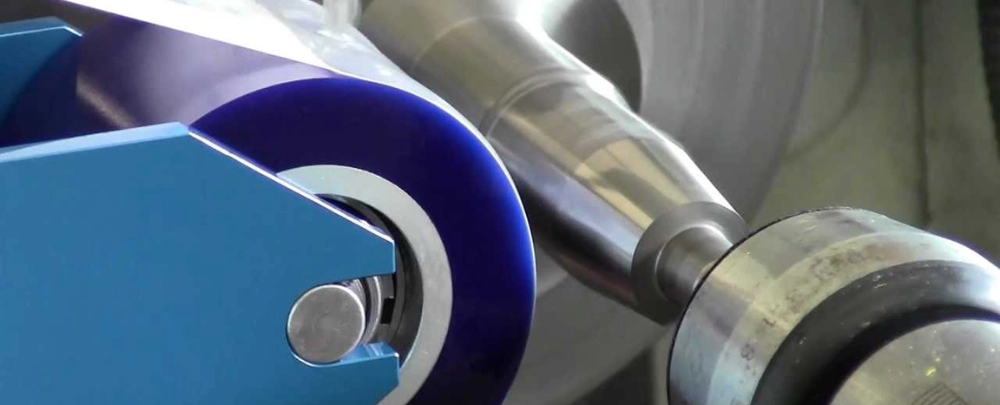
Honing stands out from other finishing methods when you need precise geometry correction and an excellent surface finish inside bores or on cylindrical parts. Unlike grinding, which quickly removes material but can leave a rough surface and heat damage, honing gently shapes the surface and creates the much-needed cross-hatch pattern for lubrication.
Here’s how honing compares with some common alternatives:
- Grinding: Great for bulk material removal but less precise at fine finishing. Grinding can create heat and surface stresses that honing avoids.
- Lapping: Focuses more on extremely smooth surface finishes without changing geometry much. Honing gives you both shape correction and surface texture control.
- Boring: Mainly removes material to enlarge holes without significantly improving surface finish or texture. Honing improves roundness plus surface finish.
- Reaming: Like boring, reaming cleans up holes but doesn’t provide the same surface texture or precision geometry correction honing does.
For U.S. manufacturers and repair shops focusing on engine cylinders, hydraulic components, or firearms, honing gives that perfect balance between accuracy and surface quality — key for parts that need tight tolerances and long-lasting performance.
If you need a reliable way to boost sealing, reduce wear, and improve oil retention, honing remains the go-to process over alternatives.
Local Honing Services Find Precision Near You
When searching for local honing services, it’s important to find shops that deliver consistent, high-quality results. Start by looking for providers with ISO 9001 certification, which shows they follow strict quality management standards. Check if they showcase equipment capabilities and have real case studies or references available—this proves experience and reliability.
Watch out for red flags like no proper coolant filtration systems or relying solely on manual gauging—these can lead to inconsistent finishes and geometry issues. A trustworthy shop will use advanced monitoring and filtration to maintain precision and tool life.
You can tap into a vast nationwide network of certified honing partners to find one near you, ensuring quick turnaround and local support.
For a smooth start, grab our free honing assessment checklist PDF. It makes vetting providers easy by outlining what questions to ask and what quality standards to expect.
DIY Honing When and How
If you’re thinking about trying honing at home, there are affordable tools available for under $200. Popular options include Flex-Hone kits and drill-powered honing tools. These are great for small jobs like refreshing engine cylinders, smoothing out surfaces, or removing light imperfections.
Keep safety in mind:
- Always wear eye protection to guard against flying debris.
- Use coolant or lubricant to reduce heat and prevent stone breakage.
- Be cautious of stone fracturing—never force the tool or run it dry.
DIY honing works well for simple refinishing but has limitations. It’s not the best choice for parts that require tight tolerances or critical geometry, such as precision engine bores or aerospace components. For those, professional precision finishing services with advanced honing machines are the safer bet.
Future of Honing Industry 4.0
The honing process is evolving fast with Industry 4.0 technologies making a big impact. Smart in-process sensors now monitor every stroke in real time, feeding data to AI systems that optimize stroke length and pressure for the best results. This helps reduce cycle times and improves bore geometry precision.
Adaptive control systems (ACS) are another game changer. These systems adjust honing parameters on the fly based on live feedback, ensuring consistent surface finish Ra and roundness, even as the tool or workpiece changes during the process.
Sustainability is also shaping the future. We’re seeing more focus on sustainable abrasives that last longer and produce less waste. Coolant recycling and improved coolant filtration systems are becoming standard to reduce water use and keep operations eco-friendly.
For U.S. shops looking to stay competitive, investing in these advanced honing technologies means higher precision, better repeatability, and a smaller environmental footprint. This is the path to smarter, greener, and more efficient honing in the coming years.
 English
  Spanish (Peru)
  German
  Korean
  Spanish (Spain)
  Italian