
Discover expert DIY titanium polish techniques to restore shine and remove scratches from jewelry watches and bike frames with safe effective tools.
Why Titanium Polishing Is Trickier Than Steel or Aluminum
Titanium stands out for its strength, light weight, and corrosion resistance. But when it comes to polishing, it’s a different ball game compared to steel or aluminum. Why? Titanium’s surface behaves uniquely, making polishing more challenging and requiring special care.
Understanding Titanium’s Unique Properties
Titanium naturally forms a thin, tough oxide layer that protects it from corrosion. This titanium oxide layer is great for durability but complicates polishing since it resists conventional abrasives that work well on other metals. Unlike steel or aluminum, which polish quickly, titanium needs a precise balance of methods to remove scratches without damaging this protective barrier.
Its hardness also means regular metal polishes or buffing pads can be less effective, prompting the need for specialized titanium polishing techniques to get that sought-after mirror finish.
When to Polish Signs Your Titanium Needs Attention
Wondering if your titanium needs polishing? Look for these signs:
- Surface scratches or scuffs that dull the finish
- Loss of shine making the surface look matte or faded
- Stubborn stains or discoloration that won’t wipe off
- Rough texture or oxidation spots
If your titanium jewelry, watch, or bike frame shows these, it’s time to give it some TLC with the right polish and technique. Spotting problems early ensures the metal stays strong and beautiful longer.
Polishing titanium can feel tricky, but understanding its unique nature makes the process clear and manageable. Ready to learn how to bring back that mirror finish? Let’s dive into the essential tools and step-by-step methods next.
Essential Tools and Materials for Titanium Polishing
To get a great mirror finish on your titanium, having the right tools and materials is key. Here’s what you’ll need to polish titanium properly without damaging it.
Must-Have Basics from Vast
- Fine Grit Sandpaper (starting around 400 up to 2000 grit) – For smoothing out scratches and prepping the surface.
- Polishing Compounds – Look for ones specifically made for titanium or safe for metals, like jeweler’s rouge or a titanium-specific polish.
- Buffing Pads and Wheels – Soft cloth pads for hand polishing or a variable-speed rotary tool with appropriate attachments.
- Clean Microfiber Cloths – To wipe down the surface between steps and for the final buff.
- Mild Cleaner or Degreaser – Removes dirt and oils before polishing, helping the polish work better.
Safety Gear and Prep Essentials
- Protective Gloves – Keeps your hands safe and clean during sanding and polishing.
- Safety Glasses – Protect your eyes from dust and polish particles.
- Dust Mask – Prevents inhaling fine metal dust or polish residue.
- Work Area Prep – Make sure your workspace is clean and well-lit. Lay down a cloth or mat to catch debris.
Having these on hand before you start polishing titanium jewelry, watch cases, or even bike frames will make the whole process smoother and safer. Having the right polish and safety gear is often overlooked but essential for the best results and protecting yourself.
Step-by-Step Guide How to Polish Titanium to a Mirror Finish
Preparation Cleaning and Sanding Basics
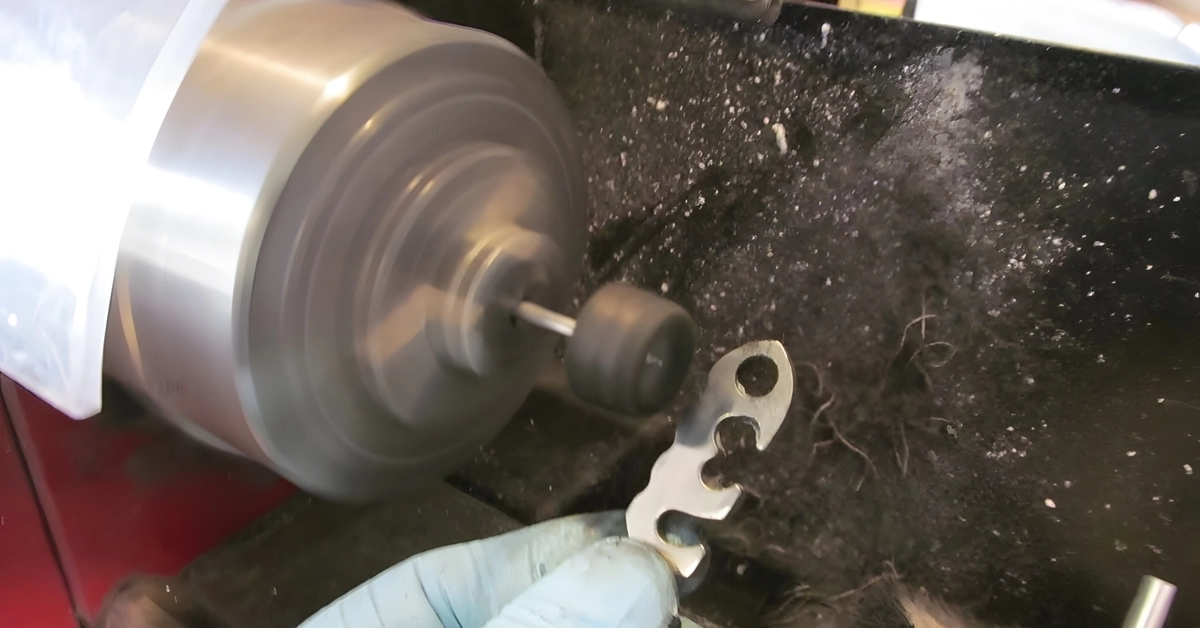
Start by cleaning your titanium piece thoroughly. Use warm water and mild soap to remove dirt or oils. Dry it completely. Next, inspect for any deep scratches or dents—these will need sanding. Use fine-grit sandpaper (start around 400 grit) and gently sand along the grain of the metal. Move to finer grits gradually, up to 2000 grit for a smooth surface. This step is crucial to avoid uneven polishing and achieve that mirror finish.
Core Polishing Techniques
Once sanded, it’s time for polishing. Use a safe titanium metal polish or a polishing compound designed specifically for titanium. Apply a small amount to a soft buffing wheel or microfiber cloth. Polish in slow, circular motions, focusing on one small section at a time. Keep the pressure light to avoid overheating or damaging the metal. For scratch removal or buffing titanium jewelry, use a light touch and be patient. Multiple passes may be necessary to get the surface to shine.
Finishing Touches and Inspection
After polishing, clean off any leftover compound with a clean microfiber cloth. Inspect your work under good lighting to catch any missed spots or uneven shine. If needed, go over those areas again with the polish. To seal the mirror finish and protect the titanium oxide layer removal, you can apply a very light coat of titanium-specific wax or oil. This keeps the shine longer and helps resist future scratches.
Following these steps carefully ensures you get a bright, mirror finish on your titanium items without risking damage.
Specialized Tips for Polishing Titanium Jewelry Watches and Bike Frames
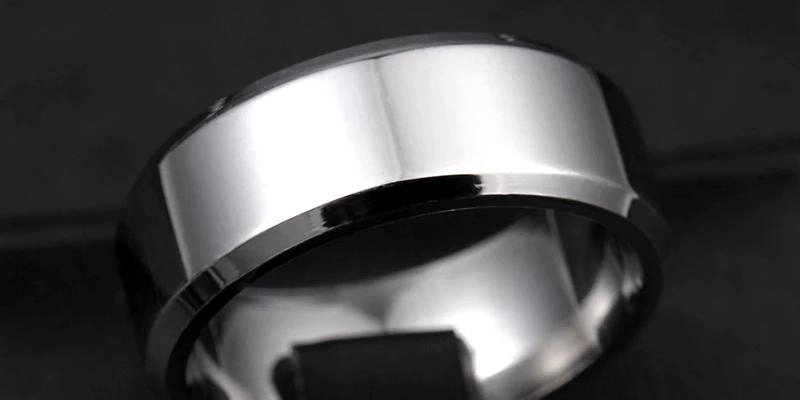
Polishing titanium items varies depending on their size and use. Here’s how to keep your jewelry, watches, and bike frames looking their best without causing damage.
Jewelry and Rings Gentle Everyday Maintenance
- Use a soft microfiber cloth to wipe your titanium rings daily.
- For light scratches, gently buff with a mild, safe titanium metal polish.
- Avoid abrasive tools or harsh chemicals that can damage the titanium oxide layer.
- Store rings separately to prevent contact scratches with other jewelry.
Watches and Small Parts Precision Without Damage
- Use small polishing pads or swabs for tight areas around bezels and links.
- Apply polishes formulated for titanium and avoid anything too abrasive.
- Work slowly, using a low-speed buffer or polishing wheel if available, to prevent overheating.
- Be cautious around delicate components like crystals or seals—keep polishing focused on the metal only.
Bike Frames and Larger Items Scale-Up Strategies
- For bike frames, start with a thorough cleaning to remove dirt and grime.
- Use power tools like variable-speed polishers with soft pads for larger surfaces.
- Begin with medium grit sanding if necessary, then move to finer polish to achieve a mirror finish titanium look.
- Work in sections to maintain even polish and avoid heat buildup which can discolor the frame.
- After polishing, apply a protective sealant designed for metals to keep your frame shiny longer.
By tailoring your polishing approach to the item’s size and use, you’ll keep your titanium pieces looking sharp without risking damage.
Maintenance and Longevity Keeping Your Polished Titanium Looking New
Keeping your polished titanium looking sharp doesn’t have to be hard. With a little daily and weekly care, you can maintain that mirror finish and prevent scratches or dull spots.
Daily Routine Tips
- Wipe down your titanium with a soft, clean microfiber cloth to remove fingerprints and oils.
- Avoid harsh chemicals or abrasive cleaners that can damage the surface or the titanium oxide layer.
- Store your titanium jewelry, watches, or bike parts in a soft pouch or case to prevent scratches.
Weekly Routine Tips
- Use a safe titanium metal polish or a mild polishing compound designed for titanium surfaces.
- Buff lightly with a microfiber or buffing pad to restore shine.
- Check for any new scratches or dull areas so you can address them early.
When to Seek Pro Help
- Deep scratches or dents that DIY titanium polish techniques can’t fix.
- Oxide layer damage exposing raw metal that needs expert surface finishing.
- If you have durable, high-value pieces like titanium watches or bike frames that require precision polishing.
- When maintaining water resistance or coatings on watches, professionals can preserve function and looks.
Routine care goes a long way, but knowing when to call a pro ensures your titanium stays flawless longer without risking damage trying to do too much at home.
FAQs Answering Your Top Titanium Polishing Questions
Is titanium polish safe for all finishes?
Yes, but you need to choose the right polish made specifically for titanium. Avoid harsh abrasives that can damage the titanium oxide layer, which protects the metal.
Can I remove deep scratches from titanium at home?
Minor scratches can usually be fixed with DIY titanium scratch removal techniques like sanding and buffing. Deep scratches might need professional help to avoid damage.
What’s the best polish for titanium rings?
Look for a polish that’s gentle yet effective, designed for jewelry. Products labeled safe for titanium jewelry or metal polish that won’t harm the protective layer work best.
How often should I polish my titanium watch case?
Light polishing every few months is enough for most watches to keep that mirror finish. Avoid over-polishing which can wear down the surface over time.
Do I need special tools to polish my titanium bike frame?
Yes, using the right sanding materials and polishes designed for large surfaces helps. Buffing pads and power tools make restoration easier, but take care to avoid overheating.
Is it safe to polish titanium oxide layer off?
Titanium naturally forms this oxide layer which protects it from corrosion. Gentle polishing removes surface scratches without stripping this layer, but heavy abrasion may remove it and expose raw metal.
When should I call a pro for titanium polishing?
If your titanium has deep scratches, cracks, or you’re unsure about using power tools, it’s best to hire a professional. They have the right gear and expertise to restore your titanium safely.
Feel free to reach out if you have more questions about titanium polishing or need product recommendations!
 English
  Spanish (Peru)
  German
  Korean
  Spanish (Spain)
  Italian