
High precision wire electrical discharge machining solutions for complex parts with submicron accuracy and superior surface finish.
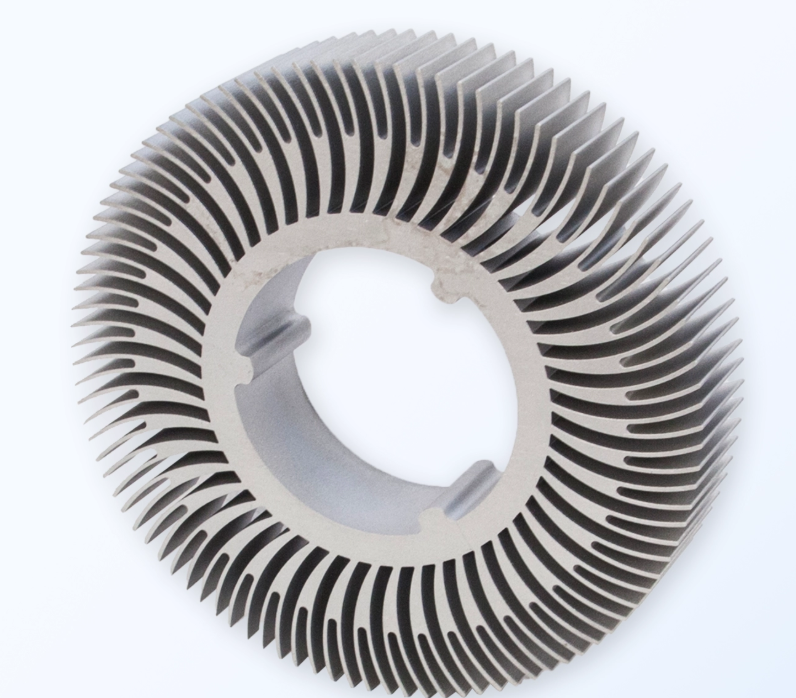
What Is Wire Electrical Discharge Machining?
Wire Electrical Discharge Machining (wire EDM) is a non-contact precision cutting process that uses a thin, continuously fed metal wire and controlled electrical discharges (spark erosion) to cut electrically conductive materials with very high accuracy.
Instead of using mechanical force like milling or turning, wire EDM removes material by microscopic melting and vaporization in a
How Wire Electrical Discharge Machining Works Step by Step
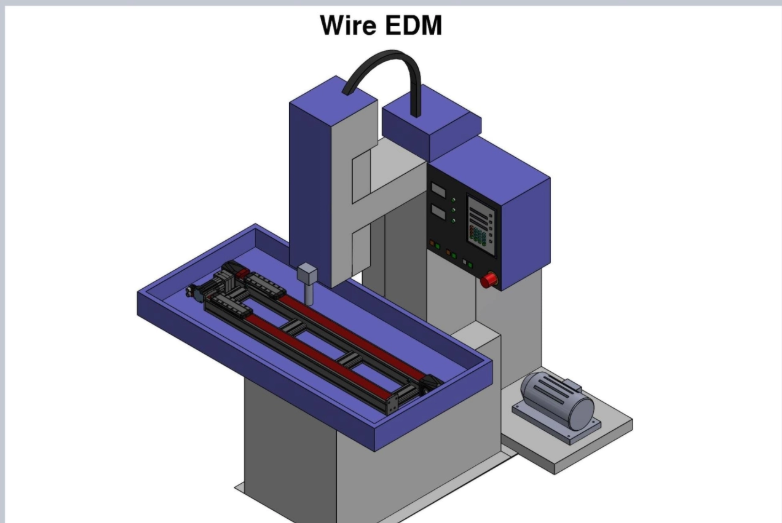
1. Workpiece Setup and Fixturing
On a wire electrical discharge machining (wire EDM) machine, I first clamp the workpiece on the worktable or a precision fixture. The goal is simple:
- Keep the part rigid and stable during cutting
- Align datums so the CNC coordinates match the actual geometry
- Ensure enough clearance around the cut for flushing and wire travel
Good workholding in wire EDM is less about resisting force (there’s almost no cutting force) and more about positioning accuracy, repeatability, and flushing access.
2. Wire Electrode and Continuous Feed
Wire EDM uses a thin brass or coated EDM wire as the cutting electrode. The wire:
- Is fed continuously from a supply spool, through guides, to a take-up spool
- Never touches the part; it’s separated by a tiny gap filled with dielectric fluid
- Is typically 0.10–0.25 mm in diameter for general work, with fine wire EDM going much smaller
Coated and special alloy wires improve cutting speed, accuracy, or surface finish depending on the job.
3. Dielectric Fluid: Deionized Water or Oil
The cutting zone is flooded with deionized water (most common) or oil dielectric:
- Flushes away eroded particles from the spark gap
- Cools the wire and workpiece
- Controls the electrical discharge by maintaining proper resistance
Oil dielectric wire EDM is often chosen when I need top-tier surface finish and low heat-affected zone in tool steels or carbide.
4. Spark Erosion and Material Removal
Wire EDM is a spark erosion machining process:
- The CNC keeps a tiny gap between wire and workpiece
- A high-frequency power supply creates controlled electrical discharges (sparks)
- Each spark melts and vaporizes a microscopic amount of metal
- The dielectric fluid washes the debris out of the gap
Because there’s no mechanical contact, there are virtually zero cutting forces and minimal distortion, a big advantage over traditional CNC milling.
5. CNC Path Control: Contours, Tapers, 3D Shapes
The wire EDM machine is driven by a CNC control that moves X/Y (and U/V for upper head offset):
- 2-axis cutting for simple profiles
- 4-axis wire EDM for taper cutting and variable-angle walls
- Complex shapes and partial 3D forms by independently moving upper and lower heads
This gives me tight control over contours, sharp corners, and intricate internal features other processes struggle with.
6. Wire Threading and Auto Wire Threading (AWT)
Before cutting, the machine threads the wire through the guides and starter hole. Modern AWT auto wire threading systems:
- Re-thread automatically after a wire break, even submerged
- Clean the hole and gap with fluid/air before re-threading
- Let the machine recover and continue the program unattended
Reliable AWT is key for lights-out EDM machining and long, complex jobs.
7. Closed-Loop Control and Anti-Electrolysis
Wire EDM cutting is heavily monitored in real time:
- Closed-loop control adjusts feed, spark energy, and wire tension based on feedback
- Precision glass scales or linear encoders maintain sub-micron positioning accuracy
- Anti-electrolysis EDM generators reduce corrosion and pitting on the workpiece surface, especially in fine-finish passes
This is how modern CNC wire EDM systems hold tight tolerances over long unattended runs.
8. Cutting Parameters and Their Impact
Every job comes down to tuning parameters:
- Power / pulse energy → higher for speed, lower for fine finish
- Pulse on/off time and frequency → control material removal rate and stability
- Wire speed and tension → affect straightness, kerf width, and accuracy
- Flushing pressure → impacts surface finish and wire break risk
For many high-precision parts, I’ll use multi-pass cutting:
- 1 roughing pass for speed
- 1–3 skim passes to hit final tolerance and improve EDM surface finish Ra
Done right, wire electrical discharge machining delivers burr-free edges, minimal heat-affected zone, and high-tolerance EDM cutting on hardened steel, carbide, titanium, Inconel, and more.
Key Advantages of Wire Electrical Discharge Machining (Wire EDM)
Wire electrical discharge machining gives us a huge edge when parts are small, complex, or made from tough materials. Here’s what really matters in day‑to‑day production.
Non‑Contact, No Cutting Forces
Wire EDM is a non-contact precision machining process. The wire never physically pushes on the part – it cuts by spark erosion. That means:
- No tool pressure, no bending of thin walls or tiny features
- No chatter marks or tool deflection like you see in milling or turning
Cuts Hardened Steels and Exotic Alloys
Because we cut with electrical discharges, we can machine:
- Fully hardened tool steels, carbide, titanium, Inconel, and other superalloys
- Heat‑treated parts after hardening, so there’s no distortion from later processes
It fits perfectly alongside our other precision machining services when parts move from roughing to ultra‑precise finishing.
Ultra‑High Accuracy and Tight Tolerances
Modern CNC wire EDM systems routinely hold:
- Micron‑level tolerances on critical features
- Stable dimensions over long, unattended runs
For global customers in aerospace, medical, and connector tooling, this is often the only practical way to keep parts within spec.
Clean Edges, Minimal Heat, No Burrs
Wire EDM generates a very small heat‑affected zone (HAZ) and leaves:
- Burr‑free edges that often need no deburring
- Excellent EDM surface finish (Ra) with multi‑pass cutting
This directly cuts polishing time and protects surface integrity on sealing faces, molds, and medical components.
Complex Geometries and Fine Details
With a thin brass or coated EDM wire, we can produce:
- Sharp internal corners and tight radii
- Narrow slots, thin ribs, and intricate profiles
- Taper wire cutting and 3D forms that are difficult or impossible with conventional tools
Single‑Setup Machining
Wire EDM lets us finish a part in one setup:
- Contours, pockets, punches, and die profiles in the same clamping
- Fewer fixtures, fewer hand operations, less stack‑up error
That’s a big deal when you’re chasing repeatable quality across global production batches.
High Repeatability From Prototype to Volume
Once the program and parameters are dialed in, wire EDM offers:
- Very high repeatability for prototype, small‑batch, and high‑volume runs
- Easy changeover between part numbers with minimal risk to accuracy
Time and Cost Benefits for Intricate Parts
On simple blocks, milling is usually cheaper. But for complex, high‑tolerance parts, wire EDM can win on:
- Lower total cost per part (no special tools, less rework, less polishing)
- Shorter lead times when geometry is complex or materials are hard
When your parts push the limits of geometry, hardness, or accuracy, wire EDM is often the most reliable and cost‑effective option on the floor.
Wire EDM Machine Types and Configurations
Main Wire EDM Machine Categories
When I talk to customers about wire electrical discharge machining, I usually group wire-cut EDM machines into four practical categories:
- Standard wire EDM machines – balanced on price, accuracy, and ease of use; ideal for general toolroom and job shop work.
- High‑speed wire EDM machines – tuned for maximum cutting speed and throughput, perfect when cost per part and delivery time matter most.
- Micro wire EDM machines – built for ultra‑fine wires (down to Ø0.02 mm) and tiny features on micro‑precision components.
- Oil dielectric wire EDM systems – focused on mirror‑like surface finishes and top‑tier surface integrity, especially on tool steels and carbide.
High-Speed Wire EDM for Productivity
High‑speed wire EDM machining is what I recommend when you’re chasing lower cycle time and higher output:
- Optimized anti‑electrolysis generators for aggressive roughing cuts.
- Stable cutting on thick hardened steels, carbide, and superalloys with high removal rates.
- Ideal for powertrain parts, molds, dies, and EV components where productivity and consistent high‑tolerance EDM cutting matter.
Sub-Micron Accuracy Wire EDM Models
For ultra‑precision parts, you step up to sub‑micron accuracy EDM platforms:
- Ultra‑rigid bases, temperature control, and linear scales for true sub‑micron positioning.
- Designed for parts with tight fits and precision clearances; you’ll often pair them with a slip fit tolerance guide like this slip fit tolerance table for precise engineering fits.
- Go‑to choice for aerospace, medical, connector, and precision tooling work.
Micro Wire EDM Machines (Fine Wire EDM)
Micro wire EDM machines are all about fine wire EDM technology:
- Wires down to Ø0.02 mm for micro slots, ultra‑thin ribs, and tiny holes.
- Critical for watch parts, micro‑connectors, micro‑molds, and delicate medical components.
- Tight control of spark energy to avoid overburn on very small geometries.
Oil Dielectric Wire EDM Systems
Oil dielectric wire EDM is my preferred route when surface integrity is the top priority:
- Produces burr‑free EDM cutting with extremely low EDM surface finish Ra values, often close to a mirror finish.
- Excellent for hardened steel EDM cutting, carbide wire EDM, and high‑value tooling where polishing time must be minimal.
- Reduced corrosion risk on fine details and sharp corners.
Linear Motor vs Ball-Screw Wire EDM
Drive technology matters more than most people think:
- Linear motor wire EDM
- No mechanical backlash, fast acceleration, and smooth motion.
- Best for high‑speed cutting, tight contours, and long unattended runs.
- Ball‑screw drive wire EDM
- Proven, robust, and usually lower initial cost.
- Good fit for shops with moderate accuracy and speed demands.
Small Footprint vs Large Capacity Machines
I size machines based on the
Core Technical Specifications for Wire Electrical Discharge Machining
When I compare wire electrical discharge machining (wire EDM) machines, I always start with hard specs. These numbers decide what parts you can run, how accurate you can be, and what your real cost per part looks like.
Key Wire EDM Specs at a Glance
| Spec | What It Means | What To Look For (Global Job/Tool Shops) |
|---|---|---|
| Max workpiece size & weight | Largest part the work tank and table can handle | Enough room for your biggest plate + fixtures |
| Usable cutting height | Max vertical thickness you can cut | 150–400 mm is common for general tooling |
| X/Y/Z travels | Linear motion ranges | Make sure travel > part footprint + clearance |
| U/V travels | Upper head offset for tapers/3D cuts | Larger U/V = more taper and complex profiles |
| Wire diameter range | Typical: 0.02–0.33 mm | 0.25 mm for speed, 0.1–0.15 mm for fine work |
| Accuracy / repeatability | Positioning & long‑term stability | ±2–5 μm class for precision tooling and molds |
| Max cutting speed | Top mm²/min in straight roughing | Higher is better, but consider real “cut per hour” |
| Surface finish (Ra) | Roughing to mirror finish capability | Multi‑pass: down to <0.2 μm Ra on oil systems |
| Taper angle / min radius | Max angle and tightest internal corners | >20° taper and <0.1 mm radius for fine details |
| Dielectric system | Tank size, filtration, eco features | Good filters, resin life, and low water usage |
| Power / generator | kVA, peak current, duty cycle | Enough power for thick carbide & Inconel cutting |
Work Envelope and Travels
For high-mix global shops, I recommend:
- Max workpiece size: big enough for common mold plates, die sets, or multi-part setups. If you also do precision castings, match the tank to your typical plate and fixture sizes just like you’d size stock or plates for high-performance cast aluminum parts.
- Travels (X/Y/Z): avoid machines where you’re always at the limit; reserve 10–20% extra stroke.
- U/V axes: critical for taper wire cutting capability and 3D forms on dies and turbine parts.
Wire Range and Compatible Wire Types
A good wire EDM machining setup should support:
- Standard brass wire EDM: 0.20–0.25 mm for most work.
- Fine wire EDM technology: 0.05–0.10 mm for micro-precision components.
- Coated EDM wire: for faster cutting in hardened steel, carbide, and Inconel.
Make sure the guides, power feeds, and auto wire threading (AWT) are rated for the full wire range you plan to use.
Accuracy, Speed, and Surface Finish
These three specs define your real performance:
- Positioning accuracy & repeatability
- Standard CNC wire EDM systems: ~±5–10 μm.
- High‑end, linear motor wire EDM: ±2–3 μm with sub-micron interpolation.
- Maximum cutting speed
- Check both the peak speed (marketing number) and the typical productive rate on 80–100 mm hardened steel.
- High‑speed wire EDM models save hours on thick tool steel and die plates.
- EDM surface finish (Ra)
- Roughing: ~1.5–3.2 μm Ra.
- Multi‑pass EDM wire erosion process:
- Water dielectric: ~0.3–0.5 μm Ra.
- Oil dielectric wire EDM: down to mirror-level finishes on molds and carbide.
Taper, Corners, and Geometry Limits
For high-tolerance EDM cutting and mold/die work, focus on:
- Taper cutting angle:
- 15–25° common; premium 4‑axis machines push higher angles at full height.
- Minimum corner radius / kerf:
- Driven by wire size and power control. Fine wire → sharper corners and thinner slots.
This matters a lot if you’re working with tight slip fits or precision holes in dies and mold inserts, similar to how you’d design different types of holes in engineering.
Dielectric and Power Supply
- Dielectric tank
- Enough capacity for your largest parts + fixtures, with stable temperature.
- Filtration performance: long filter life, stable resistivity, and low sludge.
- Eco options: reduced water consumption, energy‑saving modes, and cleaner disposal.
- Generator and power
- Modern anti‑electrolysis EDM generators: protect surface integrity on carbide, titanium, and medical-grade materials.
- Look for stable duty cycle at high loads for long, lights‑out jobs.
If you get these core specs right, your wire-cut EDM machine will handle everything from tool steels and carbide to titanium and nickel alloys with predictable speed, accuracy, and cost.
Critical Wire Electrical Discharge Machining Features Engineers Really Care About
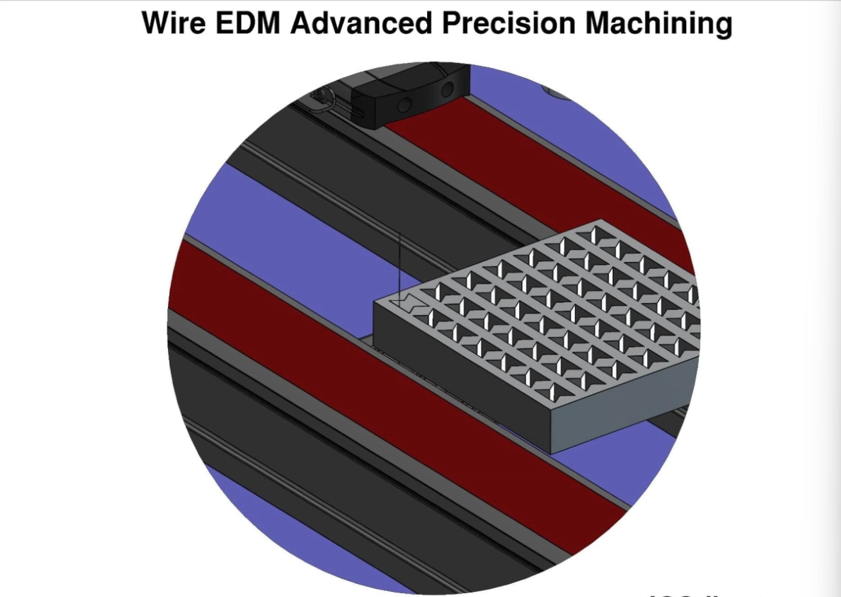
When I spec a new wire electrical discharge machining (wire EDM) system, I don’t start with brochure speeds. I start with the features that keep tolerance, uptime, and cost per part under control.
Auto Wire Threading (AWT) Matters More Than You Think
A good AWT is the difference between real lights‑out machining and babysitting.
- Key points to check:
- Threading reliability through tall parts and small starter holes
- Re‑thread time after a wire break (seconds, not minutes)
- Ability to thread under water (submerged wire EDM machining)
- Why it matters: Every failed thread is lost spindle time and scrap risk on high‑value aerospace or medical parts.
Submerged vs Flush Cutting
Submerged cutting (full tank) is my default for high‑tolerance work.
- Submerged cutting:
- Better temperature stability → tighter size control
- Less wire vibration → better surface finish and corner accuracy
- Safer splash‑free environment for operators
- Flush cutting:
- Faster setup for simple jobs
- Useful for oversized plates where full submersion isn’t possible
If you’re coming from milling, think of it like proper coolant management vs dry cutting—accuracy follows temperature control. Good flushing also pairs well with other precision operations like precision reaming of metal holes.
Corner Control and Shape Accuracy Algorithms
Modern CNC wire EDM systems live or die on software.
- Look for:
- Adaptive corner control for small radii at high speed
- Shape‑accuracy modes for punches, dies, and mold inserts
- Dedicated tech tables for carbide, Inconel, titanium, and hardened steels
- Result: Less “overburn” in corners, better fit between punches and dies, less hand‑fitting.
Real‑Time Thermal Compensation
Heat drift is a silent tolerance killer on long cuts.
- Essential capabilities:
- Temperature sensors in the work tank and machine structure
- Automatic pitch, scale, and straightness compensation
- Stable accuracy during long unattended runs
For high‑tolerance jobs in tool steels (similar to how we compare properties in guides like our 4140 vs 4130 steel breakdown), I treat thermal compensation as non‑negotiable.
Remote Monitoring and Industry 4.0 Connectivity
If you’re serious about productivity, you want live data from every wire‑cut EDM machine.
- What I expect:
- Remote status on phone/PC (run, alarm, wire break, job done)
- Data logging for cutting time, idle time, wire use, OEE
- Standard protocols (OPC UA/MTConnect) to plug into MES/ERP
- Benefit: Easy cost‑per‑part tracking and real utilization numbers, not guesses.
Collision Protection and Wire Break Handling
Crashes and wire breaks burn money.
- Safety and protection features:
- Torque‑limiting or collision detection on axes
- Smart wire break detection with instant cut stop
- Automatic re‑thread at break point and resume program
- Impact: Fewer scrapped mold inserts, punches, and high‑value medical or aerospace parts.
User Interface and Programming Ease
I’m always looking for a control that new operators can actually learn.
- Must‑have UI features:
- Simple, conversational programming for straight cuts, 2D shapes, taper wire cutting
- Full 3D simulation with collision check
- Clear tech libraries for common materials and wire types
- Payoff: Faster onboarding, fewer programming mistakes, shorter setup times.
CAD/CAM and Direct CAD Import
Most precision wire EDM shops live inside CAD/CAM.
- Key integration points:
- Direct import of DXF, STEP, IGES, and solid models
- Clean post‑processors for popular EDM CAM software
- Automatic feature recognition (pockets, punches, contours)
- Why it matters: Less manual data entry, fewer geometry errors, faster programming loop.
Automation‑Ready Design
Even small shops benefit from basic automation once volumes climb.
- What I look for:
- Standard interfaces for pallets, robot loaders, and part changers
- Space and access for third‑party automation
- Reliable auto wire threading (again—automation lives or dies on this)
- Use case: Lights‑out wire EDM machining for punches, mold inserts, EV parts, and connector tooling.
Safety, Guarding, and Ergonomics
If operators hate the machine, it won’t run to its potential.
- Important details:
- Good enclosure and interlocks, especially with oil dielectric systems
- Easy access to work tank and fixtures
- Simple filter, resin, and wire change access
- Clear, bright work area and logical control layout
- Result: Less fatigue, fewer errors, and safer day‑to‑day operation.
When I evaluate wire EDM machining equipment, these features decide whether a machine is a profit center or a headache. Specs are important, but how the machine behaves in real production—threading, stability, monitoring, and recovery—matters even more.
Materials Compatible with Wire Electrical Discharge Machining
Wire electrical discharge machining works on almost any electrically conductive material, from soft copper to ultra-hard carbide. That’s the key rule: if it conducts electricity, we can usually cut it.
Common Materials for Wire EDM Machining
- Tool steels & high-speed steels (HSS)
Ideal for punches, dies, and precision tooling. We cut them fully hardened, so there’s no distortion from heat treatment and no need to chase tolerances afterward. Tight runout and tolerance control is very achievable, especially when you combine EDM with solid GD&T practice like in this practical tolerance and runout guide. - Tungsten carbide, PCD-tipped tools & hardmetal inserts
Wire EDM is the go‑to method here. Conventional machining struggles; spark erosion machining handles the hardness and brittleness without chipping edges. - Titanium alloys
Used heavily in aerospace and medical. EDM avoids tool wear and cutting forces, and helps maintain critical surfaces and thin sections without bending or chatter. - Nickel-based superalloys (Inconel, Hastelloy, etc.)
These weld to cutting tools and are tough to mill. Wire EDM cuts them cleanly with burr-free edges and predictable tolerances, ideal for hot-section turbine and energy parts. - Hardened mold steels
Perfect for injection molds and die-casting tools. We can cut precise cavities, parting lines, and ejector features after hardening, reducing polishing and hand fitting. - Copper, brass & other non‑ferrous alloys
Great for precision connectors, electrodes, and small components. The process delivers sharp edges and consistent small slots where mechanical tools might deform the material. - Molybdenum, tungsten & other refractory metals
High melting point, very tough on conventional tools. Wire EDM cuts them reliably with controlled heat‑affected zones and stable geometry. - Conductive ceramics & specialty materials
If the ceramic or composite is made conductive, fine wire EDM can shape extremely delicate, high‑value parts that would be impossible with standard machining.
Guidelines: Thickness, Conductivity & Clamping
To get stable, repeatable results with wire-cut EDM:
- Thickness & flushing
- Thin parts: use good support and low pressure flushing to avoid vibration.
- Thick parts: make sure flushing paths are clear; expect more passes for high finish and tight tolerance.
- Electrical conductivity
- Higher conductivity usually cuts faster.
- Marginally conductive materials are still possible but need slower parameters and more care with stability.
- Clamping & workholding
- Clamp rigidly but avoid distorting thin walls.
- Use precision fixtures, parallels, and modular tooling so tolerances and allowance/tolerance planning stay under control, similar to how you’d handle critical machining features as outlined in an allowance and tolerance planning guide (https://vast-cast.com/allowance-tolerance-explained-guide-for-precision-engineering-and-manufacturing/).
Surface Integrity by Material Type
- Steels & superalloys:
Multi-pass cutting (rough + skim cuts) minimizes the recast layer and micro-cracks. With the right settings, you get a very small heat‑affected zone and stable fatigue performance. - Carbide & hardmetals:
Use fine wire and finishing passes to protect edges and avoid micro-chipping. Ideal for dies, punches, and wear parts. - Titanium & medical alloys:
Use clean dielectric and finishing cuts to keep surfaces consistent and easy to finish or passivate for biocompatibility. - Copper, brass & soft non‑ferrous:
Optimize parameters to avoid corner overburn and maintain sharp edges on small features and slots.
If you’re working with a new alloy or non‑standard material, I always recommend a quick sample cut first to lock in the best wire EDM machining parameters for speed, surface finish, and tolerance.
Wire EDM Capabilities and Performance
When you choose wire electrical discharge machining, you’re doing it for accuracy and consistency. Here’s what you can realistically expect from a modern CNC wire EDM system.
Dimensional Accuracy and Repeatability
- Standard cutting: ±5–10 μm (±0.0002″–0.0004″) is routine with good setup.
- High‑precision cutting: ±2–3 μm (±0.00008″–0.00012″) is achievable on sub‑micron accuracy EDM machines with climate control.
- With proper tolerance stack analysis on your fixture and process, similar to what you’d do in a tolerance stackup study, you can hold demanding fits across multiple features and parts.
Fine Detail, Kerf, and Minimum Webs
Wire EDM is built for ultra‑fine detail machining:
- Kerf width: Approx. wire diameter + 0.01–0.03 mm gap.
- Ø0.25 mm wire → ~0.28–0.30 mm kerf
- Micro wire (Ø0.05–0.07 mm) → ~0.06–0.09 mm kerf
- Minimum web thickness:
- Standard wire: ~0.1–0.2 mm, depending on height and flushing
- Micro wire: down to ~0.02–0.05 mm in stable setups
- Ideal for small slots, thin ribs, slits, and tight inside corners that milling or laser struggle to hold burr‑free.
Micro Wire EDM for Tiny Parts
For micro‑scale and luxury or electronics work, micro wire EDM is my go‑to:
- Wire diameters down to Ø0.02 mm for watch components, microconnectors, micro springs, and microfluidic parts.
- Stable, burr‑free edges on tiny features where any cutting forces would bend or snap the part.
- Perfect for high‑value materials where every millimeter of scrap matters.
Starter Holes and Small‑Hole Drilling
Every wire EDM cut needs a way in:
- Starter hole size: Usually wire diameter + ~0.05–0.1 mm.
- Common ranges: 0.2–2.0 mm, drilled by:
- EDM small‑hole drill (preferred for hardened steel, carbide, Inconel, titanium)
- Precision CNC drilling for softer, pre‑hardened alloys
- Through‑holes, blind pockets, and hidden features can all be accessed with smart starter‑hole planning.
Multi‑Pass Cutting Strategies
You rarely get the best finish and tolerance in one pass:
- Rough cut: Maximum speed, leaving ~0.02–0.1 mm stock.
- Trim passes (2–5 or more):
- 1–2 cuts → tight tolerance, good general finish
Industry Applications for Wire Electrical Discharge Machining
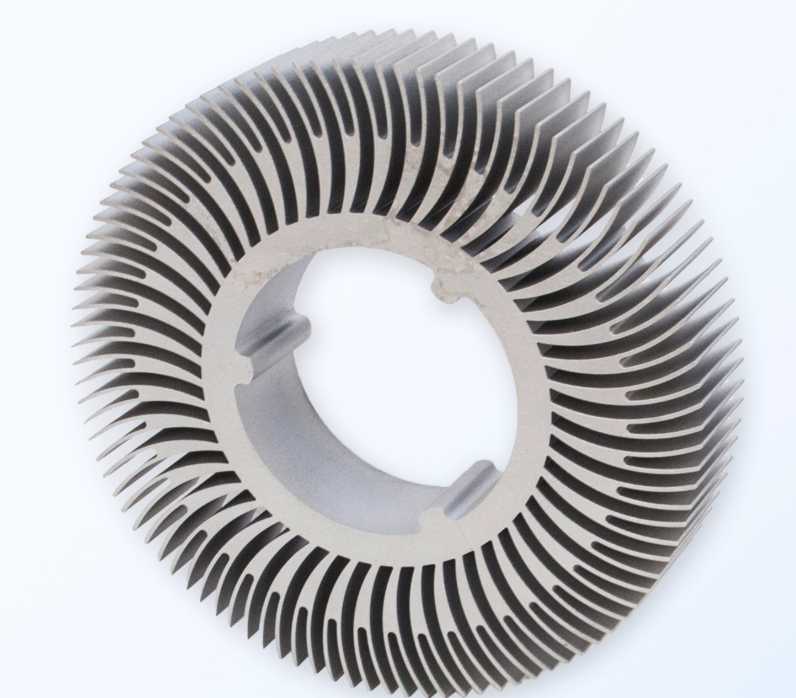
Wire electrical discharge machining (wire EDM) is a go‑to process when customers need tight tolerances, hard materials, and complex shapes that are difficult or impossible to mill, turn, or laser cut. Here’s where it delivers real value.
Aerospace and Defense Components
In aerospace and defense, wire EDM machining is used anywhere high-strength alloys and extreme accuracy meet:
- Turbine blades, cooling slots, nozzle guide vanes – precise cooling slots and root forms in nickel alloys and Inconel, with minimal heat‑affected zone.
- Fuel system parts and brackets – injectors, metering components, and lightweight precision brackets that need repeatable sub‑0.01 mm accuracy.
- High-strength alloy details – tough materials (Ti, Inconel, heat-treated steels) cut without distortion or residual stresses.
- Qualification and certification – stable, repeatable spark erosion machining helps meet aerospace process approval, documentation, and traceability demands.
Medical Devices and Surgical Instruments
For medical customers, clean edges and traceability matter as much as tolerances:
- Orthopedic implants and trauma hardware – hip/knee components, plates, and screws in Ti and CoCr with accurate mating features.
- Surgical instruments – forceps, cutters, and custom tools with fine teeth, thin slots, and sharp transitions.
- Material and traceability needs – works well with medical-grade titanium and stainless steels while supporting serialisation and batch control.
- Biocompatible surfaces – burr‑free, low‑damage EDM surfaces reduce extra polishing and help maintain biocompatible surface integrity.
Mold, Die, and Tooling Applications
Toolrooms rely on CNC wire EDM systems to cut hardened steels and eliminate hand work:
- Injection mold inserts and cavities – precision cores, inserts, and parting lines with sharp corners and fine details.
- Progressive and extrusion dies – punch profiles, die plates, and complex die contours cut after heat treatment.
- Punches, stripper plates, die buttons – high‑accuracy features with predictable fit and long tool life.
- Less polishing and fitting – burr‑free edges and accurate taper wire cutting drastically reduce manual finishing time.
Automotive and EV Components
Automotive and EV customers use wire EDM when conventional machining or stamping can’t hold the spec:
- Powertrain parts, gears, transmission details – splines, slots, and profiles in hardened steels with high repeatability.
- Motor laminations, battery and busbar parts, EV brackets – tight-tolerance profiles in thin sections and conductive alloys.
- Chassis and structural details – small production runs in high-strength steels with minimal fixture cost.
- Prototyping and low‑volume runs – ideal for development parts where design is still changing and hard tooling is not justified.
For broader context on how wire EDM complements other cutting methods in a shop, see our practical guide to machining coolant and process stability, which ties directly into edge quality and tool life across CNC and EDM operations.
Electronics, Semiconductors, and Micro Components
When feature size shrinks and accuracy needs go up, fine wire EDM technology steps in:
- Connector molds, lead frames, micro‑connectors – ultra‑fine slots and webs that hold size over long runs.
- Heat sinks, RF and microwave housings – sharp internal corners and stable cavity dimensions in copper and aluminum alloys.
- Micro parts for wearables and consumer electronics – thin ribs, tiny holes, and micro‑scale profiles with consistent kerf width.
- Mass production repeatability – stable, high‑tolerance EDM cutting supports global volume programs with strict Cp/Cpk targets.
Watchmaking, Jewelry, and Precision Instruments
High-value, small components are a perfect match for burr‑free EDM wire erosion:
- Fine components, springs, intricate shapes – micro gears, escapement parts, and flexures cut with very fine wire.
- Jewelry and luxury goods – complex decorative patterns in precious metals with clean edges and minimal post‑polish.
- Precision instrumentation – gauges, metrology parts, and optical fixtures where sub‑micron accuracy and cosmetic finish are critical.
In all these sectors, our precision wire cutting services focus on stable accuracy, repeatable performance, and low total cost per part, not just headline cutting speed.
Wire EDM Machine Lineup and Product Selection
When you’re choosing wire electrical discharge machining equipment, don’t start with the catalog – start with your parts. Below is how I structure a lineup and how I usually guide customers to the right wire-cut EDM machine.
Entry-Level Wire EDM for Small Shops
For job shops, toolrooms, and small manufacturers getting into wire EDM:
- Low investment, easy to learn, compact footprint
- Ideal for short runs, tooling, and prototype work
- Standard brass wire, water dielectric, basic 4-axis capability (X/Y/U/V)
Best if you: cut moderate sizes, need good accuracy, but don’t chase extreme cycle times.
High-Speed Production Wire EDM
For throughput-critical lines and contract manufacturers:
- Higher generator power and aggressive cutting tech
- Optimized for speed on tool steels, carbide, and aerospace alloys
- Stable for long, unattended runs with robust auto wire threading (AWT)
Best if you: care more about cost per part and cycle time than chasing the last micron.
Ultra-Precision Wire EDM (Sub‑Micron)
For top-tier precision and mold/die work:
- Sub-micron positioning, linear motors, advanced anti-electrolysis generators
- Multi-pass cutting strategies for ultra-fine Ra surface finish
- Ideal for components where hand fitting and polishing must be minimal
Best if you: build precision tooling, high-end molds, or metrology-grade parts.
Micro Wire EDM Machines
For ultra-small and micro-precision components:
- Fine wire (down to ~0.02 mm) and tiny kerf width
- Perfect for watch parts, connectors, micro-molds, and medical micro-features
- High-magnification monitoring and extremely sensitive axis control
Best if you: work with micro-geometry where standard wire sizes are too big.
Oil Dielectric Wire EDM Series
For best surface integrity and tool steels:
- Oil dielectric for smoother surfaces and reduced oxidation
- Excellent for high-end mold inserts, carbide tooling, and cosmetic parts
- Often chosen where polishing is costly or geometry is hard to reach
If you also deal with casting or molding, pairing oil EDM with good mold design (see this practical casting molds guide and techniques) helps keep tooling life and part quality high.
How to Choose the Right Wire EDM Model
Use these three filters first: part size, tolerance, and budget.
| Question | What to Look For |
|---|---|
| Max part size / weight? | Work tank size, travels, table load capacity |
| Tolerance and surface finish targets? | Ultra-precision vs standard series, oil vs water |
| Material type (steel, carbide, Ti…)? | Generator tech, wire options, dielectric type |
| Volume: prototype or mass production? | Entry-level vs high-speed production models |
| Automation plans? | Automation-ready interface, pallet/robot options |
Upgrade Paths and Automation Options
I always recommend you buy with 2–5 years ahead in mind:
- Automation-ready machines: pallets, robots, or loaders can be added later
- Software upgrades: CAM, advanced tech tables, and Industry 4.0 modules
- Connectivity: remote monitoring, data logging, and integration with production analytics
Plan your machine around your future process chain – especially if you already track OEE, use MES/ERP, or are moving toward smart factory workflows.
Detailed Wire Electrical Discharge Machining Model Comparison
When you’re choosing a wire electrical discharge machining system, you win or lose your ROI in the spec sheet. I always compare models head‑to‑head on the basics first, then on the details that actually move throughput and accuracy.
Side‑by‑Side Wire EDM Model Overview
Below is a simplified comparison format I use for wire‑cut EDM machines. You can map this to any brand or lineup you’re considering.
| Parameter | Model A – Entry / Job Shop | Model B – High Speed Production | Model C – Ultra Precision / Toolroom |
|---|---|---|---|
| Max workpiece size (W×D×H) | 600 × 400 × 250 mm | 800 × 600 × 300 mm | 500 × 400 × 250 mm |
| Max workpiece weight | 500 kg | 1,000 kg | 400 kg |
| X / Y / Z travel | 350 / 250 / 220 mm | 500 / 350 / 300 mm | 320 / 280 / 220 mm |
| U / V travel | ±60 mm | ±80 mm | ±45 mm |
| Work tank inside (W×D×H) | 900 × 700 × 300 mm | 1,200 × 900 × 350 mm | 850 × 650 × 280 mm |
Wire Sizes & Best Use Cases
| Spec | Model A | Model B | Model C |
|---|---|---|---|
| Wire diameter range | Ø0.20–0.30 mm | Ø0.20–0.33 mm | Ø0.05–0.25 mm |
| Fine wire capability (≤0.10 mm) | Optional | Optional | Standard (micro wire EDM ready) |
| Recommended use | General job shop parts | Production punches & dies | High‑tolerance molds, carbide tools |
Accuracy, Repeatability & Tolerances
For tight tolerance work, I always cross‑check these numbers against required finish and Ra class. You can tie this to your target roughness using a good machining surface finish chart.
| Spec | Model A | Model B | Model C |
|---|---|---|---|
| Positioning accuracy | ±3 μm | ±2 μm | ±1 μm |
| Repeatability | ±1.5 μm | ±1 μm | ±0.5 μm |
| Typical achievable tolerance | ±5 μm | ±3 μm | ±2 μm (sub‑micron capable with tuning) |
Cutting Speed, Removal Rate & Surface Finish
| Spec | Model A | Model B | Model C |
|---|---|---|---|
| Max cutting speed (steel, 100 mm) | 200 mm²/min | 350 mm²/min | 180 mm²/min |
| Typical production rate | 120–150 mm²/min | 220–280 mm²/min | 90–130 mm²/min |
| Surface finish (Ra, multi‑cut) | 0.8–0.3 μm | 0.6–0.25 μm | 0.4–0.1 μm (near mirror) |
| Multi‑cut strategies | 1 rough + 1–2 skim | 1 rough + 2–3 skim | 1 rough + 3–5 skim (tool steel, carbide) |
Taper, Corner Radius & 3D Contouring
| Spec | Model A | Model B | Model C |
|---|---|---|---|
| Max taper angle (at 100 mm height) | ±15° | ±25° | ±30° |
| Min corner radius (with std wire) | ~0.13 mm (0.25 mm wire) | ~0.10 mm | ~0.05 mm (fine wire) |
| 3D contouring / 4‑axis | Standard | Standard + advanced corner control | High‑end 4‑axis, 3D taper control |
Power, Energy & Efficiency
| Spec | Model A | Model B | Model C |
|---|---|---|---|
| Generator type | Digital, anti‑electrolysis basic | High‑power, anti‑electrolysis | High‑frequency, ultra‑stable |
| Max generator output | ~5–8 kVA | ~10–15 kVA | ~6–10 kVA |
| Typical power consumption | 3–6 kW | 5–10 kW | 4–7 kW |
| Eco modes / energy saving | Basic | Advanced (idle and sleep modes) | Advanced + optimized flushing |
Footprint, Weight & Install Needs
| Spec | Model A | Model B | Model C |
|---|---|---|---|
| Machine footprint (L×W) | ~2.0 × 2.0 m | ~2.6 × 2.4 m | ~2.1 × 2.1 m |
| Machine weight | 3,000–3,500 kg | 4,500–5,500 kg | 3,500–4,000 kg |
| Power supply requirement | 3‑phase, ~10–15 kVA | 3‑phase, ~20–25 kVA | 3‑phase, ~15–20 kVA |
| Installation notes | Standard floor, single tank | Heavier foundation preferred | Vibration‑controlled recommended |
Optional Accessories & Add‑Ons
When I spec a machine, I treat these options as levers for throughput and lights‑out capability, not “nice to haves”.
| Option / Accessory | Model A | Model B | Model C |
|---|---|---|---|
| Auto wire threading (AWT) | Optional / basic | High‑speed, standard | High‑reliability, fine‑wire capable |
| Submerged cutting | Standard | Standard | Standard |
| Oil dielectric package | Optional | Optional | Common for premium surface finish |
| Probing / in‑process measurement | Optional | Optional / integrated on some | Common on high‑end configs |
| Automation (pallets, robots) | Prepared / optional | Fully automation‑ready | Automation‑ready, micro‑part handling |
| CAM & CAD import | Standard 2D, optional 3D | Advanced CAM integration | Full 3D + micro EDM toolsets |
Use these comparison points as a checklist. Once you know the part envelope, tolerance class, and surface finish you really need, it becomes obvious which wire EDM model category makes financial sense for your shop.
Consumables and Wire EDM Operating Costs
Running a wire electrical discharge machining setup profitably comes down to how you manage consumables. If you’re not watching wire, filters, and dielectric closely, your cost per part climbs fast.
Types of EDM Wire: Brass, Coated, Special Alloys
For most shops, standard brass wire is the go‑to:
- Brass wire EDM: Best balance of price, stability, and general cutting.
- Coated EDM wire (zinc-coated, diffusion‑annealed, etc.): Higher cutting speeds and better surface finish, ideal for production jobs and thick sections.
- Special alloy wire (e.g., moly, tungsten, fine wire): Used for micro wire EDM machines, extreme accuracy, or very tall parts where tensile strength matters.
If you already use advanced CNC precision machining processes, it’s worth aligning your wire types with your finish and tolerance requirements to keep downstream operations minimal (more on metal finishing strategies).
Choosing Wire for Speed, Finish, and Cost
I always look at three things:
- Speed: Coated wire for high‑speed roughing and production cuts.
- Finish: Finer wire and multi‑pass cutting when you need ultra‑smooth Ra and tight form accuracy.
- Cost: Don’t just look at wire price per kg; track cost per part. A pricier coated wire may still be cheaper overall if it cuts faster and avoids extra finishing.
Filters, Resin, and Dielectric Maintenance
Your dielectric fluid system directly impacts stability and wire life:
- Filter cartridges: Change when differential pressure rises or cut quality drops. Dirty filters cause poor flushing, wire breaks, and taper errors.
- Ion‑exchange resin: Keep conductivity in spec; over‑used resin means unstable sparks and more wire breaks.
- Dielectric fluid (water or oil): Top up regularly, skim sludge, keep temperature as stable as possible.
Guides, Power Feeds, and Wear Components
Critical wear parts you should schedule, not wait to fail:
- Wire guides: Replace when you see taper drift, unstable cutting, or inconsistent kerf width.
- Power feeds / contact blocks: Worn feeds generate unstable arcing and mark the surface.
- Flush nozzles and seals: Maintain pressure and direction for effective flushing, especially on tall parts.
How Consumables Affect Cost per Part and Quality
Every consumable choice shows up in:
- Cycle time (wire type, stability, flushing).
- Scrap rate (wire breaks, taper errors, poor finish).
- Secondary operations (grinding, polishing, deburring).
If you’re producing high‑precision or cosmetic parts, pairing wire EDM with the right metal finishing processes can remove or reduce manual polishing and rework (practical finishing guide).
Best Practices for Dielectric Management
To keep the EDM wire erosion process stable:
- Hold conductivity within the machine’s recommended range.
- Keep temperature as constant as possible to reduce thermal drift.
- Monitor contamination (sludge, particles) and clean the tank on schedule, not after problems appear.
Preventive Maintenance to Extend Machine Life
I treat maintenance like a production job:
- Daily: Check wire path, nozzles, fluid level, basic flushing.
- Weekly: Inspect guides, power feeds, filters, and chip/sludge buildup.
- Monthly/Quarterly: Check alignment, backlash, dielectric tank condition, and grounding.
A consistent preventive maintenance routine lets your machine hold tolerance, run unattended, and avoid surprise downtime.
Cutting Consumable Usage Without Killing Quality
To reduce spend but keep results:
- Use rough + finish strategies: fast rough cut with a cheaper wire, then 1–2 light finish passes for tolerance and Ra.
- Optimize cutting parameters from real data (wire tension, feed, flushing) instead of relying only on default tech tables.
- Standardize proven “recipes” for your common materials and thickness ranges.
Stocking and Supplier Strategy
For global users, supply consistency matters more than small price swings. I recommend:
- A/B suppliers for wire and filters to avoid single‑source risk.
- Minimum stock levels based on actual monthly consumption and lead times.
- Framework agreements for key items (wire, filters, resin, guides) to lock in pricing and priority delivery.
If you handle consumables with the same discipline as programming and fixturing, your wire EDM cost per part stays predictable—and your machine stays cutting instead of waiting on wire or filters.
Automation, Software, and Industry 4.0 in Wire Electrical Discharge Machining
Automated Handling for Lights-Out Wire EDM
On modern wire electrical discharge machining lines, I treat automation as standard, not optional. The goal is simple: keep spindles cutting while labor and energy costs stay under control.
Key setups that work well for global shops:
- Automatic pallet changers to swap workpieces without an operator standing by.
- Multi-part clamping systems so one setup runs mixed parts or repeat jobs in a single cycle.
- Robotic loading/unloading for true lights-out wire EDM machining in high-mix, low-volume or repeat production.
In-Process Control and Stable Unattended Cutting
To keep precision wire cutting stable overnight, I rely on built-in measuring and smart CNC logic:
- Integrated probing and in‑process measurement to auto-check offsets and part dimensions.
- CNC control features like restart after wire break, automatic re-threading, and collision protection for unattended runs.
- Submerged cutting, thermal compensation, and anti-electrolysis control to keep size and surface finish consistent.
CAM, Programming, and Data Flow
For most global customers, programming time is now as critical as cutting time:
- Dedicated wire EDM CAM software with direct CAD import, automatic slug management, and ready-made technology libraries.
- Post-processors tuned for specific wire‑cut EDM machines to avoid manual edits.
- Clean integration with your existing precision metal parts workflows and tooling standards, similar to how we streamline operations in our broader precision metal manufacturing guide.
Remote Monitoring and OEE Analytics
Industry 4.0 ready EDM is about knowing exactly what each machine is doing, from anywhere:
- Remote monitoring dashboards on PC, tablet, or smartphone to see status, alarm history, and wire consumption in real time.
- OEE tracking (availability, performance, quality) with data logs for each job, material, and cutting technology.
- Production analytics to find bottlenecks, compare cutting conditions, and set realistic cost-per-part targets.
Smart Factory Integration and Cybersecurity
For larger plants, wire EDM can’t sit as a “standalone island” anymore:
- Direct links to MES/ERP systems so jobs, NC programs, and tool data flow automatically to each EDM cell.
- Centralized tracking of part numbers, heat-treatment states, and material batches to keep traceability clean.
- Secure remote access with VPN, user roles, and logging, so support engineers can help without opening up security gaps.
When all of this is dialed in, a wire-cut EDM machine stops being “just a precision cutter” and becomes a connected, predictable asset in a fully digital production line.
Wire EDM vs Other Cutting Processes
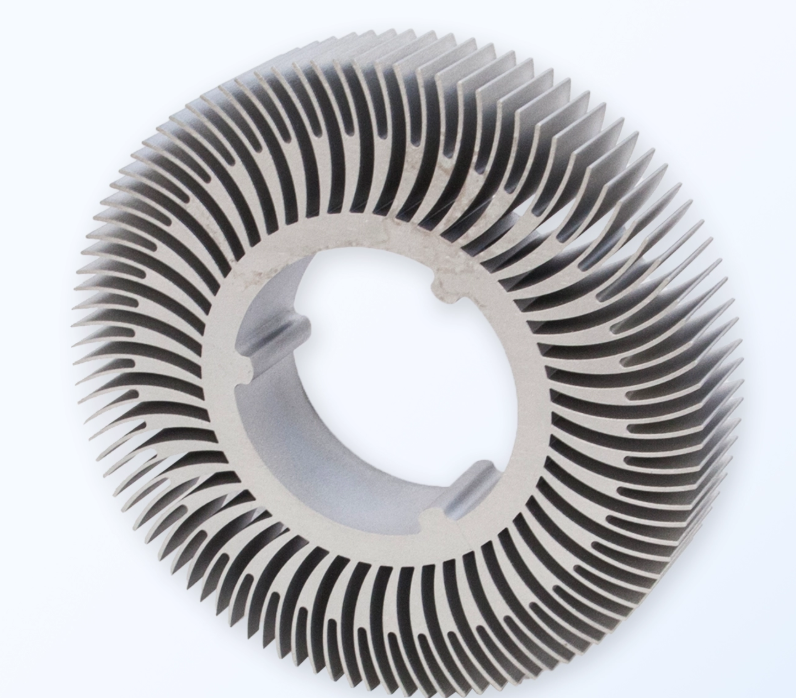
When you’re choosing a cutting process for tight-tolerance parts, wire electrical discharge machining (wire EDM) sits in a very specific sweet spot. Here’s how it stacks up against CNC milling, laser, waterjet, and sinker EDM so you can pick what actually fits your job.
Wire EDM vs CNC Milling
Where wire EDM wins:
- Hard materials: Cuts hardened steel, carbide, Inconel, titanium after heat treat with no tool wear or cutting forces.
- Fine features: Tiny slots, sharp internal corners, thin webs, and profiles that would snap mills or require micro tools.
- Tolerances: ±2–5 μm class, straight walls, and burr‑free edges without deburring or polishing.
Where milling wins:
- 3D sculpted surfaces, pockets, and non‑conductive materials.
- High material removal on soft metals and plastics.
- When you need speed over microns.
For mold and die work, a common approach is: rough with CNC milling, then finish profiles and shutoffs by wire EDM. You can see this approach echoed in high‑precision tooling for injection mold components and inserts.
Wire EDM vs Laser Cutting
Wire EDM:
- Edge quality: Very smooth, no recast layer that needs heavy cleanup.
- Accuracy: Better for tight tolerances and small internal radii.
- Heat: Tiny heat‑affected zone, minimal distortion on thin or delicate parts.
Laser:
- Much faster on thin sheets and large runs.
- Works on non‑conductive materials.
- More dross, taper, and thermal effects on thick or heat‑sensitive metals.
If you’re building precise titanium parts for aerospace or medical, wire EDM usually beats laser on accuracy and edge quality; for general sheet profiles, laser wins on price per part.
Wire EDM vs Waterjet Cutting
Wire EDM:
- Highest accuracy and repeatability.
- Best for fine features and micro parts.
- No mechanical cutting force, so no distortion on fragile geometries.
Waterjet:
- Cuts almost anything (metals, composites, stone, glass).
- Faster for thick plates and simple shapes.
- No heat, but can leave taper and rougher edges.
If you only care about shape and speed, waterjet is attractive. If you care about fit, tolerances, and burr‑free edges, wire EDM is usually the call.
Wire EDM vs Sinker EDM
Both are EDM (spark erosion), but they solve different problems.
Wire EDM:
- Profiles completely through a part.
- Ideal for punches, dies, profiles, and precision slots.
- Uses a moving wire electrode.
Sinker EDM:
- Makes blind cavities and deep pockets.
- Needs a shaped electrode, higher setup cost for each geometry.
- Better for 3D mold cavities and ribs.
In tooling work, a common combo is: sinker EDM for cavity shape, wire EDM for inserts, slides, and precise die profiles.
Heat‑Affected Zone & Residual Stresses
- Wire EDM: Very small heat‑affected zone, low residual stress, and excellent dimensional stability, even on thin or long parts.
- Laser: Larger H
Selecting a Wire EDM Supplier or Service Partner
Choosing the right partner for wire electrical discharge machining is a long-term decision. I always look at capability, stability, and support before I look at price.
Key questions to ask when buying a wire EDM machine
Before you sign anything, ask:
- What tolerances and surface finish can this specific model hold in my materials?
- What’s the real cutting speed on my typical part shapes, not just catalog numbers?
- How fast and reliable is the auto wire threading (AWT) on tall parts and small holes?
- What’s included in the base price vs paid options (probes, CAM, automation, training)?
- What’s the lead time for installation and what’s the warranty coverage?
Evaluating machine builders
A solid wire-cut EDM machine builder should show:
- A strong install base in your country/region and similar industries (aerospace, medical, mold & die, EV).
- Local references you can visit and talk to.
- In-house applications engineers who understand high-tolerance EDM cutting and can help you tune processes.
- Clear documentation, from parameter libraries to maintenance manuals.
If you also run machining centers, it’s useful to align your EDM brand with your existing precision machining platform so your team doesn’t juggle totally different ecosystems. For example, if you’re into milling, it’s worth knowing basic tooling principles from guides like this one on types of milling tools for precision machining.
Local service, spare parts, and training
Wire EDM is not a “buy and forget” machine. I always check:
- Average response time for service calls and remote support.
- Local stock of critical parts: guides, power feeds, resin, filters, pumps, control boards.
- Operator and programmer training plans (initial + advanced).
- Whether they can train you on Industry 4.0 ready EDM features, remote monitoring, and data logging.
If something fails mid-production, the difference between 4 hours and 4 days of downtime is the difference between profit and loss.
Total cost of ownership, not just purchase price
Don’t get trapped by a low sticker price. Compare:
- Consumables: EDM wire type (brass wire, coated EDM wire), filters, resin, guides.
- Power consumption and dielectric usage.
- Maintenance intervals and typical annual service costs.
- Productivity: real cutting speed, setup time, and how much lights-out EDM machining you can realistically run.
Build a simple cost-per-part model (machine cost, consumables, labor, energy). The cheapest machine to buy is often the most expensive to own.
Trial cuts, sample parts, and benchmarks
Never skip trial cuts on your real parts:
- Send 2–3 representative drawings and materials (tool steel, carbide, Inconel, titanium).
- Ask for multi-pass EDM cutting examples: rough + finish cuts, show Ra surface finish and taper accuracy.
- Measure everything yourself: tolerances, corner sharpness, heat-affected zone, and burr-free edges.
- Compare several builders on the same benchmark to see who can actually hit your spec.
Software ecosystem and upgrade potential
Modern CNC wire EDM systems live or die by software:
- Does the control support integrated CAM, direct CAD import, and simulation?
- Is the EDM CAM post-processor proven for your CAD/CAM stack?
- Are there ready-made tech tables for your key materials (hardened steels, carbide, Inconel, titanium)?
- Can you easily add automation, probing, and remote monitoring EDM machines later?
You want a control platform that will still be supported and updated 10–15 years from now.
Choosing a wire EDM job shop (outsourcing work)
If you’re not ready to buy a machine, a good wire EDM job shop can plug into your supply chain fast. I look for:
- Experience with your industry: aerospace, medical, mold & die, EV, electronics.
- Proven capability in your tolerance band (e.g. ±0.002 mm) and material mix.
- Clear process for quoting, programming, inspection, and change control.
- Stable capacity and realistic lead times for repeat runs and rush orders.
Quality systems and documentation
EDM parts often go into critical assemblies. Make sure your partner can support:
- ISO 9001 / IATF / AS9100 or relevant quality certifications.
- Full inspection reports (CMM, surface finish, geometry checks).
- Material traceability and batch records for medical and aerospace work.
- Documented procedures for EDM surface finish, starter holes, and thermal control.
If they can’t prove quality on paper, you can’t prove quality to your customer.
Long-term partnership and application support
The best EDM supplier or service partner acts like a process engineer for your shop:
- Helps you reduce wire EDM cost per part by optimizing parameters and consumables.
- Suggests fixture concepts and design-for-EDM changes to simplify machining.
- Supports you as parts move from prototype to small batch to volume.
- Stays involved when you add automation, new alloys, or tighter tolerances.
I always aim for a long-term, open-book relationship. The more your EDM partner understands your product mix and growth plans, the better they can help you win new work.
Training, Setup, and Best Practices for New Wire EDM Users
Initial installation and alignment
I always treat a new wire electrical discharge machining setup like a precision investment, not just another machine drop-off.
- Level the machine with a precision level across X/Y, then re-check after filling the dielectric tank.
- Verify geometry (squareness, straightness, backlash) with test cuts and a granite square.
- Commission the generator and dielectric system: confirm correct conductivity, flushing pressure, and all safety interlocks.
- Run a simple test program to validate positioning, taper motion (U/V), and auto wire threading.
For a deeper dive into fundamentals, I usually point new teams to a clear explainer like this guide on how wire EDM works in practice when they’re getting started.
Operator training that actually works
Don’t rely only on button-pushing training. I build operator plans in three layers:
- Basic level: machine startup/shutdown, threading, loading programs, zeroing, and basic offsets.
- Process level: choosing cutting technologies, tweaking feed, power, and flushing for different materials.
- Problem-solving level: diagnosing wire breaks, poor flush, taper errors, and surface finish issues.
Short, repeatable checklists near the control are worth more than a thick manual nobody opens.
Workholding and fixturing fundamentals
Good fixturing solves 80% of wire EDM headaches:
- Use rigid, low-distortion fixtures: steel plates, EDM vises, modular clamping.
- Keep the part high enough off the table for proper lower flushing.
- Always aim for simple datums (two faces and a pin) so re-clamping is repeatable.
- For thin parts, add backing plates and clamp across a larger area to avoid vibration and movement.
Parameter libraries and starting data
Don’t reinvent the wheel on day one:
- Use the OEM’s technology tables for common materials (hardened steel, carbide, titanium, Inconel).
- Start with standard wire EDM machining settings for roughing + 1–3 skim passes for most work.
- Save parameter sets by material + thickness + tolerance class so the team picks from a menu, not from guesswork.
How to reduce wire breaks
Wire breaks kill uptime. I focus on a few root causes:
- Ensure good flushing: blocked nozzles and low pressure are top offenders.
- Don’t push feed and power beyond what the flushing can support.
- Use coated EDM wire for higher-speed or unstable cuts.
- Avoid sharp entry moves; use lead-in/lead-out and avoid crossing big cross-holes at full power.
- Keep wire guides and power feeds clean and replaced on schedule.
Controlling thermal effects and accuracy
Even with low cutting forces, heat still moves parts:
- Cut in a submerged tank whenever possible to stabilize temperature.
- Avoid large roughing cuts on only one side of a thin part—balance material removal.
- For tight tolerances, rough cut, let the part soak and relax, then do skim passes.
- Use the machine’s thermal compensation or run key jobs at stable room temperature.
Flushing and filtration best practices
Stable cutting lives and dies on clean dielectric:
- Keep filter cartridges and resin changed according to conductivity and pressure, not just elapsed time.
- Maintain dielectric conductivity within the range recommended by the builder for best surface finish and speed.
- Regularly clean tanks, sludge areas, and return lines to prevent sediment from choking flow.
- Check flushing nozzles for damage or misalignment when accuracy drops.
Documenting proven process windows
Once a part runs well, lock it in:
- Save complete job sets: program, offsets, wire type, generator settings, dielectric settings, fixturing photos.
- Note actual cut time, wire usage, and finish results so quoting becomes fast and realistic.
- Store everything in a shared digital library so every shift runs the same proven recipe.
Scaling from prototype to production
Most shops start with prototypes and later move to high-tolerance EDM cutting in volume:
- Design prototypes with production fixturing in mind: repeatable datums, multiple parts per fixture.
- Standardize on a short list of wires and technology packs to keep consumables simple.
- Use multi-part nesting and common setups to cut several components in one run.
- Add automation or lights-out strategies (long programs, robust AWT, in-process checks) once the process is stable.
If you set up training, fixturing, and process libraries from day one, wire-cut EDM quickly turns from “special process” into a reliable, repeatable production tool.
Wire EDM Case Studies and Real-World Results
Aerospace turbine component: extreme tolerances
For an aerospace customer, we used wire electrical discharge machining to cut cooling slots and fir-tree profiles on a nickel-alloy turbine component that needed ±2 μm tolerances.
With high-tolerance EDM cutting and multi-pass finishing:
- Accuracy improved from ±10 μm (milling + grinding) to ±2–3 μm.
- Lead time dropped by 35% because we cut the full profile in one setup.
- Scrap rate moved from ~8% to under 1%, even on heat-treated parts.
The sharp corners, thin webs, and non-contact precision machining simply weren’t realistic with conventional milling on this geometry.
Medical implant: complex freeform geometry
A European medical OEM asked us to process a titanium hip implant with complex freeform slots and tiny undercuts. Using fine wire EDM technology and multi-axis taper wire cutting capability:
- We held ±5 μm on slot width and matched the CAD model with minimal hand work.
- Tool wear was no longer a factor, so every implant matched—key for full traceability.
- Surface integrity stayed within medical standards; no recast or burrs that could affect biocompatibility.
Compared with 5-axis milling, we cut setup time in half and eliminated most polishing, similar to how picking the right coolant in CNC machining avoids a lot of downstream issues.
Precision mold insert: mirror-finish cavity
For a high-cosmetic injection mold insert in hardened steel, we switched from grinding + hand polishing to oil dielectric wire EDM:
- Final cavity finish reached Ra < 0.1 μm with multi-pass EDM wire erosion.
- Polishing time dropped by 70%, and fitting time between core and cavity was almost zero.
- Dimensional variation
Frequently Asked Questions About Wire Electrical Discharge Machining (Wire EDM)
Typical Wire EDM Tolerances
Modern CNC wire EDM systems routinely hit:
| Level | Typical Tolerance* | Notes |
|---|---|---|
| Standard cut | ±0.005–0.01 mm (±0.0002–0.0004″) | 1–2 cuts, production parts |
| Precision | ±0.002–0.003 mm (±0.00008–0.00012″) | 2–3 cuts, toolmaking / molds |
| Ultra‑precision | ±0.001–0.0015 mm (±0.00004–0.00006″) | High-end machines, stable environment |
*Real results depend on machine, fixturing, flushing, and part geometry.
Can Wire EDM Cut Hardened Steel and Carbide?
Yes. Wire EDM is made for hard materials:
- Hardened tool steels (HRC 60+), HSS, and die steels – cut with no distortion.
- Tungsten carbide and PCD tools – slower cutting speed, but excellent accuracy.
- No mechanical cutting forces, so no micro-cracks from tool pressure.
Thickness and Part Size Limits
Wire electrical discharge machining has practical limits based on machine size and flushing:
| Parameter | Typical Range |
|---|---|
| Cutting thickness | 0.5–300 mm common, up to ~500 mm on some models |
| Max workpiece weight | ~500–3,000 kg depending on machine |
| Minimum thickness | Thin foils from ~0.1–0.2 mm with care |
Large plates need strong flushing and stable fixturing to keep accuracy.
Surface Finish vs Passes and Parameters
Surface finish (Ra) depends mostly on number of passes and generator settings. For reference, you can relate Ra values to function using a general surface roughness Ra chart.
| Strategy | Typical Passes | Approx. Ra Range* | Use Case |
|---|---|---|---|
| Rough cut only | 1 | 2.5–4.0 μm | Fast separation |
| Rough + 1 skim | 2 | 1.2–1.6 μm | General tooling |
| Rough + 2–3 skims | 3–4 | 0.4–0.8 μm | Precision dies / molds |
| Fine finish / oil EDM | 4–6+ | 0.1–0.3 μm or better | Mirror-like mold inserts |
*Values vary by material, wire, and machine.
Wire EDM vs Sinker EDM in Practice
Wire EDM (wire-cut EDM):
- Cuts right through the workpiece along a programmed path.
- Ideal for profiles, punches, dies, and precision slots.
- Needs a start hole or open edge.
Sinker EDM (die-sinking EDM):
- Uses a shaped electrode to burn cavities and pockets.
- Better for 3D cavities (molds, complex pockets) with no through-cut.
- Typically slower per volume removed.
Most toolrooms use both: wire EDM for outlines, sinker EDM for deep cavities.
Estimating Cost per Hour and Cost per Part
You can break it down simply:
Cost per hour ≈
- Machine amortization + interest
- Operator labor (if attended)
- Electricity
- Consumables (wire, filters, resin, dielectric)
- Maintenance allowance
Cost per part ≈
- (Machine hourly rate × cutting time)
- Setup / programming time
- Consumables per cut
For many shops globally, wire EDM machine rates end up in a similar band as a precision CNC milling center; the main difference is longer cycle time but less polishing and rework. For milling vs EDM process planning, it helps to also understand basic CNC milling capabilities.
Starter Hole Size and How to Make It
- Typical start hole diameter: 0.3–2.0 mm, depending on wire size and flushing.
- Rule of thumb: Start hole ≥ 1.2–1.5 × wire diameter.
- How to make it:
- CNC drilling or jig drilling for standard parts.
- EDM small hole drilling (“hole popper”) for hardened steel, carbides, and awkward locations.
How Long Does EDM Wire Last? When to Change It?
Wire EDM uses continuous wire feed – the wire is consumed as it cuts:
- You don’t “reuse” wire; it’s spooled off and discarded.
- Wire consumption rate is typically 0.2–1.5 kg/hour, depending on speed and settings.
- You “change” wire when the spool is empty or when switching wire type (brass vs coated vs fine wire).
Can Wire EDM Run Unattended? Safeguards Needed
Yes, wire EDM is one of the best processes for lights-out machining, as long as the setup is right:
Required safeguards and features:
- Reliable auto wire threading (AWT) and automatic re-thread after break.
- Wire break detection and safe stop / re-start logic.
- Level and pressure sensors on dielectric, filters, and resin.
- Collision protection and soft limits.
- Stable fixturing and verified programs (simulated beforehand).
- Optional robot loading or pallet changers for multi-part overnight runs.
Remote monitoring and alerts (e.g., smartphone notifications) are now standard on many Industry 4.0 ready EDM machines.
Environmental Considerations: Dielectric and Energy Use
Key points if you’re running wire EDM globally with compliance in mind:
- Dielectric fluid:
- Most machines use deionized water, some use oil (for ultra-fine finish).
- Fluids are filtered and recirculated; disposal must follow local regulations.
- Spent filters, resin, and sludge (contains metal particles) must be treated as industrial waste.
- Energy use:
- Power draw is moderate and mostly depends on generator output and pump size.
- Modern anti-electrolysis and high-efficiency generators reduce power per mm² removed.
- Lights-out EDM can actually lower overall energy per good part by cutting scrap and rework.
By controlling dielectric management and upgrading to efficient filtration and pumps, we keep both running costs and environmental footprint under control.
Future Trends and Innovations in Wire Electrical Discharge Machining
Wire electrical discharge machining is changing fast, and the next few years will make EDM even more accurate, automated, and cost‑effective. Here’s where things are heading and what it means for your shop.
Smarter Anti‑Electrolysis Generators
Modern anti‑electrolysis EDM generators are cutting:
- Less recast layer, almost no corrosion on tool steels and carbide
- Better dimensional stability on long unattended runs
- Cleaner surfaces that need less polishing or secondary finishing
Expect power supplies that automatically adapt discharge energy to part geometry, so thin walls, sharp corners, and micro features stay stable and burr‑free.
New EDM Wire Types and Coatings
Wire is becoming a performance lever, not just a consumable:
- High‑speed coated wire for roughing at much higher feed rates
- Low‑wear brass and hybrid alloys to hold accuracy in tall parts
- Fine wire (down to 0.02 mm) for micro wire EDM in connectors, medical parts, and watch components
Choosing the right wire will increasingly let you tune speed vs surface finish vs cost per part instead of compromising on all three.
Cleaner, More Efficient Dielectric Systems
The dielectric loop is getting smarter and greener:
- High‑efficiency filtration extends fluid life and improves flushing stability
- Advanced resin systems keep conductivity in a tight window for predictable cutting
- Eco‑focused water management reduces disposal and operating cost
If you’re already working with injection molds or insert molding (for example, combining machined inserts with insert molding for metal–plastic parts), this cleaner EDM environment directly supports better mold surface quality and less rework.
Faster Linear Motors and Drive Systems
Mechanical limits are being pushed by:
- High‑acceleration linear motors with sub‑micron positioning
- Improved thermal control and feedback loops to keep accuracy stable over long cycles
- Low‑wear drives that hold geometry over years of production
This means you can run higher speeds without losing tolerance, especially on complex, multi‑axis taper wire cutting.
Lights‑Out Automation and Turnkey Cells
Wire EDM is now designed from the start for lights‑out machining:
- Robotic loading, pallet pools, and multi‑part clamping for 24/7 production
- Integrated probing and auto‑recovery after wire breaks or interruptions
- Standardized interfaces to plug into existing automation cells
For global customers with labor pressure and tight lead times, a single EDM cell can replace multiple manual setups and night shifts.
AI‑Assisted Parameter Optimization
AI is moving from hype to real gains in EDM:
- Automatic parameter selection by material, height, and tolerance
- On‑the‑fly adjustment of cutting conditions based on spark feedback
- Self‑optimizing tech tables that learn from your history of successful cuts
The result: fewer try‑outs, fewer wire breaks, and predictable cycle times even for new jobs or exotic alloys.
Tighter CAD/CAM and Digital Twin Integration
CNC wire EDM systems are becoming fully digital:
- Direct CAD import and EDM‑aware CAM that handles corner control, lead‑ins, and multi‑pass strategies
- Digital twin simulations to prove out paths, avoid collisions, and estimate real cycle times
- Full data traceability for industries like aerospace and medical
You’ll be able to program, simulate, and approve complex parts before you ever mount a workpiece.
Impact on Accuracy, Cost, and Throughput
All these trends converge to give you:
- Higher accuracy: Sub‑micron positioning, better generators, and thermal control
- Lower cost per part: Faster cutting, fewer setups, lower scrap, less manual finishing
- Higher throughput: Lights‑out automation and high‑speed wire EDM running reliably overnight
If you’re building precision tooling, aerospace parts, EV components, or high‑value molded parts, staying current with these wire EDM innovations is now a competitive necessity, not a luxury.
 English
  Spanish (Peru)
  German
  Korean
  Spanish (Spain)
  Italian