
Discover 1.4539 Stainless Steel’s superior corrosion resistance strength and applications with vast’s premium superaustenitic alloy
The Composition and Design of 1.4539 Stainless Steel Built for Battle Against Corrosion
1.4539 Stainless Steel is engineered specifically for superior corrosion resistance, combining a precise balance of elements that work together to withstand harsh environments. At its core, the alloy features high levels of nickel and molybdenum, critical for resisting pitting and crevice corrosion often seen in chemical processing and offshore applications. Chromium adds a protective oxide layer, while nitrogen enhances strength and stability.
A key feature of 1.4539 is its low carbon content—typically below 0.03%. This low carbon level minimizes carbide precipitation during welding and heat treatment, drastically reducing the risk of intergranular corrosion. This makes it ideal for demanding environments where chemical exposure and temperature fluctuations are common.
Vast ensures every batch meets the strict criteria of EN 10088 standards. Our sourcing focuses on traceable, high-purity raw materials from trusted mills, guaranteeing a consistent chemical composition and performance you can depend on. This traceability helps maintain quality control from raw material to finished product, reducing risk and providing peace of mind for critical applications.
Key Properties of 1.4539 Stainless Steel Strength Meets Durability

1.4539 stainless steel, also known as UNS N08904, is a superaustenitic stainless steel designed for high strength and outstanding corrosion resistance. Its mechanical and physical attributes make it a solid choice for tough environments.
Mechanical Properties
- cURL Too many subrequests. 8.0 g/cm³
- Tensile Strength: ~750 MPa
- Yield Strength: ~310 MPa
- Elongation: 40% minimum (good ductility)
- Hardness: Typically 95 HRB (can vary with heat treatment)
These values show a material that balances strength with flexibility, critical for applications like offshore piping and chemical processing.
Corrosion Resistance
One of the main draws of 1.4539 stainless steel is its resistance to aggressive acids, especially sulfuric acid. It offers:
- PREN (Pitting Resistance Equivalent Number): Around 40+, reflecting excellent resistance to pitting and crevice corrosion
- Acid Resistance: Performs well against sulfuric, hydrochloric acids, and other harsh chemicals
- General Resistance: Low carbon content reduces carbide precipitation, which cuts down on intergranular corrosion
This makes it a step above standard grades like 316L in aggressive chemical environments.
Thermal and Physical Characteristics
- Maximum Service Temperature: Up to 1100°F (600°C) for continuous use
- Thermal Conductivity: Lower than carbon steel but stable within its operating range
- Coefficient of Thermal Expansion: About 16.0 µm/m°C, close to other superaustenitic steels
- Magnetic Properties: Non-magnetic in the annealed condition
Property Comparison Table
| cURL Too many subrequests. | 1.4539 Stainless Steel (UNS N08904) | 316L Stainless Steel | 254 SMO Stainless Steel |
|---|---|---|---|
| Tensile Strength (MPa) | 750 | 485 | 800 |
| Yield Strength (MPa) | 310 | 170 | 480 |
| cURL Too many subrequests. | 40 | 40 | 30 |
| PREN | 40+ | 25 | 42 |
| Max Service Temp (°F) | 1100 | 1000 | 1100 |
| Acid Resistance | Excellent (sulfuric/hydrochloric) | cURL Too many subrequests. | Excellent |
Testing and Quality Verification
To ensure you get the certified quality you expect, thorough testing is key. Common tests include:
- Chemical Analysis: Confirms compliance with EN 10088 standards
- Tensile and Hardness Tests: Verify mechanical strength and flexibility
- Pitting Corrosion Tests: Check resistance levels, especially for acid applications
- cURL Too many subrequests. cURL Too many subrequests.
cURL Too many subrequests.
cURL Too many subrequests.
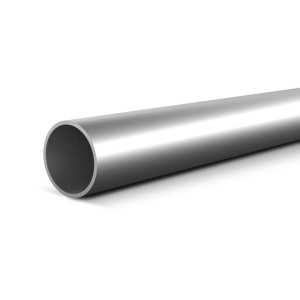
cURL Too many subrequests. cURL Too many subrequests. cURL Too many subrequests. cURL Too many subrequests., desalination plants, and cURL Too many subrequests., cURL Too many subrequests.
cURL Too many subrequests. cURL Too many subrequests. and cURL Too many subrequests., cURL Too many subrequests. cURL Too many subrequests., cURL Too many subrequests. cURL Too many subrequests., cURL Too many subrequests.
cURL Too many subrequests.
Looking ahead, 1.4539 stainless steel supports emerging trends in green energy and sustainability. Its use is growing in renewable energy systems, such as offshore wind farms, and eco-friendly water treatment facilities where acid resistance and longevity are key.
Whether you’re upgrading existing systems or designing new equipment, 1.4539 offers versatility and proven performance across industries.
Working with 1.4539 Stainless Steel Fabrication Welding and Best Practices
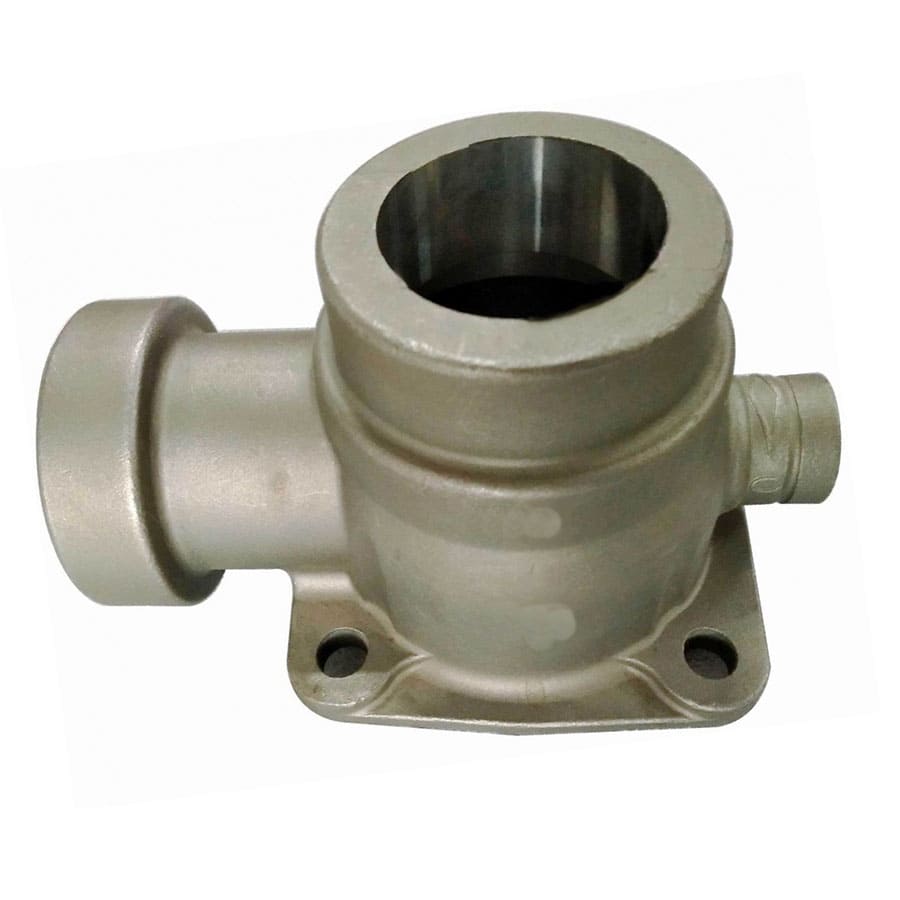
When working with 1.4539 stainless steel, understanding its fabrication and welding requirements is key to maximizing performance.
Machining and Forming Tips
- 1.4539 can be slightly tougher to machine due to its high alloy content. Use sharp tools and steady speeds to avoid work hardening.
- For forming, moderate bends work best. Avoid tight radii to prevent cracking.
- Coolants help keep temperatures down and protect the surface finish.
Welding Guidelines
- Use matching filler materials like alloyed grades designed for superaustenitic steels, often similar to 904L stainless steel fillers.
- Pre-weld cleaning is crucial to remove contaminants—grit or oil can cause weak spots.
- Post-weld heat treatment is generally not required but ensure proper cooling to prevent distortion.
- Consider passivation after welding to restore corrosion resistance.
Cutting and Finishing
- Laser or waterjet cutting offer clean edges with minimal heat-affected zones—ideal for 1.4539.
- Mechanical finishing like grinding should be gentle to avoid surface damage that leads to corrosion.
- Passivation treatments boost the natural oxide layer, especially after fabrication.
Safety and Contamination Prevention
- Always use clean tools and avoid cross-contamination with carbon steel.
- Store stainless parts separately to keep surfaces free from rust particles.
- Wear gloves to prevent oils from your skin compromising corrosion resistance.
Custom Fabrication Services
At Vast, we provide custom fabrication for 1.4539 stainless steel, including cutting, welding, and finishing. Our team follows strict quality controls to meet EN 10088 standards, ensuring your parts deliver durability and corrosion resistance in demanding environments.
Sourcing 1.4539 Stainless Steel Equivalents Standards and Choosing a Reliable Partner
When sourcing 1.4539 stainless steel, knowing equivalent grades helps you find the right match. Common equivalents include UNS N08904 and 904L stainless steel, both superaustenitic and acid-resistant alloys known for high molybdenum content, offering excellent pitting corrosion resistance in harsh environments.
Standards and Equivalents
- EN 10088: The main European standard covering 1.4539
- UNS N08904 / ASTM A240: Popular US designations for comparable superaustenitic grades
- JIS SUS904L: Japanese equivalent
- ISO and DIN: Other international standards matching chemical and mechanical properties
Cost and Availability
Nickel content in 1.4539 can fluctuate, impacting pricing and availability. Consider these factors when planning your projects:
- Nickel price volatility affects overall alloy cost
- High demand for acid-resistant steel can tighten supply
- cURL Too many subrequests.
cURL Too many subrequests.
cURL Too many subrequests.
- cURL Too many subrequests.
- cURL Too many subrequests.
- cURL Too many subrequests.
- cURL Too many subrequests.
cURL Too many subrequests.
cURL Too many subrequests.
- cURL Too many subrequests.
- cURL Too many subrequests.
- cURL Too many subrequests.
- cURL Too many subrequests.
- cURL Too many subrequests.
cURL Too many subrequests.
 Korean
  English
  Spanish (Peru)
  German
  Spanish (Spain)
  Italian